
Tesla is fighting North Dakota’s franchise laws to enable direct-to-consumer EV sales. Learn more about this legal battle and its impact.
Tesla is once again locking horns with state governments across the U.S. in its ongoing mission to dismantle traditional automotive sales models. The latest battlefield? North Dakota.
The Conflict: Direct Sales vs. Franchise Models
The electric vehicle (EV) giant is attempting to establish company-owned dealerships in Bismarck and Fargo. However, North Dakota law currently prohibits automakers from owning their own dealerships, mandating that vehicles be sold through independent, franchised dealers.
While the franchise system has been the gold standard for the legacy auto industry for decades, Tesla has consistently pushed for a direct-to-consumer model, which allows them to control the customer experience and pricing more effectively.
Tesla’s Legal Strategy: Redefining the ‘Manufacturer’
In its latest legal filing, Tesla has taken a strategic approach. The company argues that it does not actually fit the legal definition of a “manufacturer” under North Dakota state law.
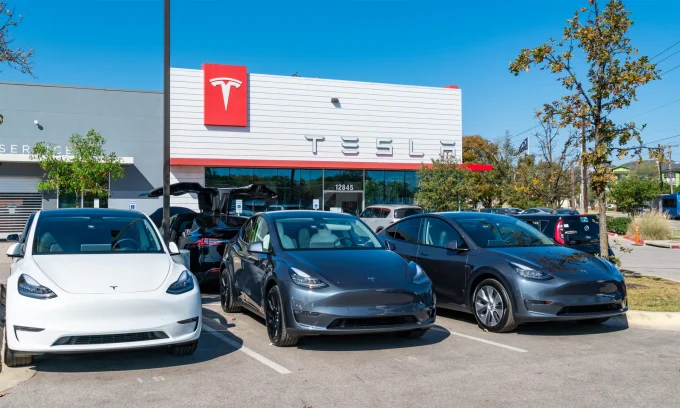
According to the state’s current statutes, a manufacturer is defined as an entity that assembles or imports vehicles and sells them to dealers for resale. Tesla contends that since they do not sell to third-party dealers, the law should not apply to them. Currently, this legal deadlock prevents Tesla from selling cars directly within the state, forcing interested buyers to travel to neighboring states to complete their purchases.
The State’s Defense: Protecting the Regulatory Framework
North Dakota officials are not backing down. Assistant Attorney General Michael Pitcher argues that Tesla’s interpretation of the law is a dangerous loophole. Pitcher warns that if Tesla’s logic is accepted, any automaker could bypass state regulations simply by choosing not to use a franchise model.
“That would break the entire regulatory structure that the legislature passed,” Pitcher stated. He further emphasized that Tesla is not being barred from doing business in the state, but is simply being asked to follow the same distribution rules as every other automaker—by appointing dealers and signing franchise agreements.
A Slow Start for EVs in North Dakota
The legal battle comes at a time when North Dakota is lagging behind much of the U.S. in electric vehicle adoption. Currently, EVs account for less than 2% of new vehicle sales in the state. The infrastructure is equally sparse, with only 277 public charging ports available statewide, including just five Tesla Supercharger locations.
A Broader National Struggle
Tesla’s fight in North Dakota is part of a much larger trend. Across the United States, there are approximately 15 states where Tesla still faces legal barriers preventing them from opening official stores or service centers due to restrictive dealership laws.
As the automotive industry shifts toward a digital-first, electric future, these legal clashes highlight the growing tension between century-old retail laws and the modern business models of the EV era.