
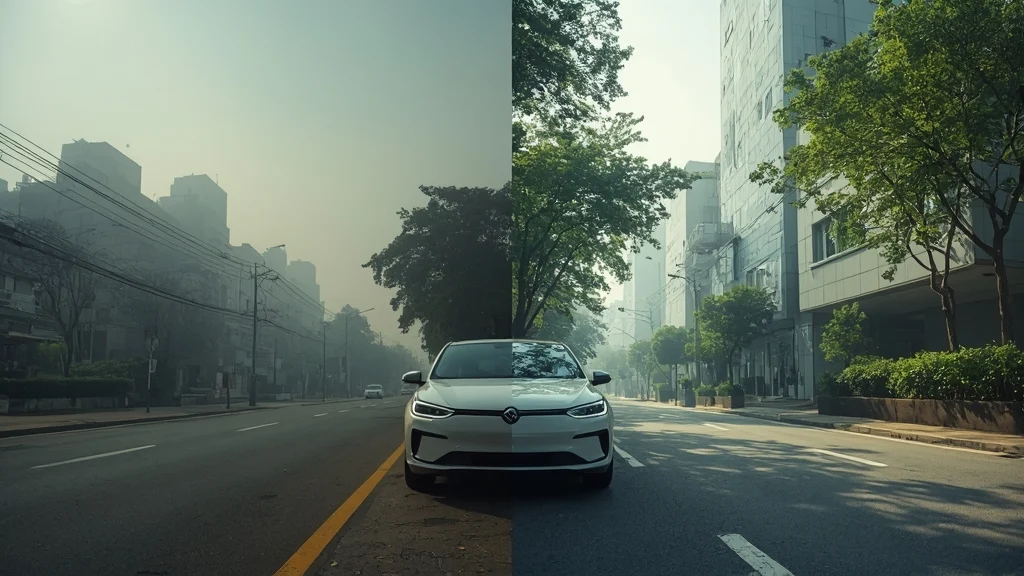
Thailand proposes a car trade-in policy to slash PM2.5 pollution and boost EV adoption. Explore the details of this green transition. Read more!
Thailand is gearing up to accelerate its transition toward a sustainable, low-carbon economy with a proposed “trade-in old cars for new ones” policy. While the initiative is designed to slash urban pollution and stimulate the automotive market, industry experts warn that financial incentives alone won’t be enough to ensure long-term success.

A Strategic Shift Toward a Green Economy
Proposed by Deputy Prime Minister and Minister of Finance Ekniti Nitithanprapas, the policy is envisioned as a cornerstone of Thailand’s national strategy to embrace a green economy. The primary goal is to significantly reduce air pollution, specifically targeting the hazardous PM2.5 fine particulate matter that frequently plagues Thai cities.
To ensure the program aligns with national interests, the Ministry of Finance is establishing strict eligibility criteria. To qualify for the trade-in incentives, new vehicles must meet two primary requirements:
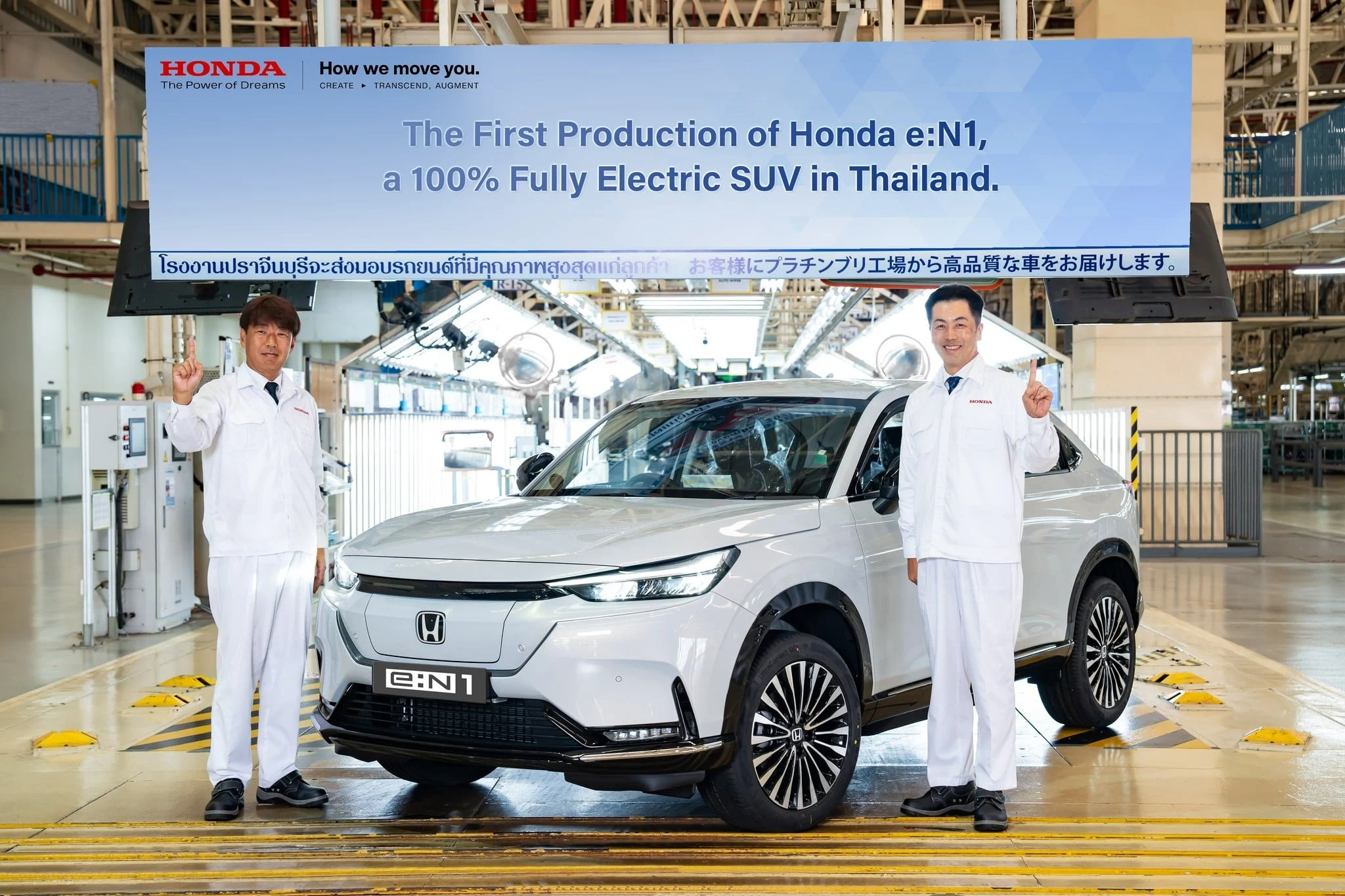
- Low Carbon Emissions: The vehicle must have a low CO₂ emission profile.
- Domestic Production: The vehicle must be manufactured within Thailand to support local industry and job creation.
The scheme is expected to cover a wide range of eco-friendly options, including Battery Electric Vehicles (BEVs), Plug-in Hybrids (PHEVs), Hybrid Electric Vehicles (HEVs), and electric motorcycles.
How the Trade-In Program Will Work
Under the proposed framework, the government plans to provide subsidies through automotive manufacturers, who must then pass these benefits directly to the consumer as discounts.

Interestingly, Thailand is studying the Japanese model for handling scrapped vehicles. Rather than simply dismantling every old car, the government is exploring the possibility of exporting recovered vehicles to international markets where there is still a demand for them, ensuring a circular economic approach.
The government is currently finalizing key details, including the total budget, the maximum age of eligible old vehicles, and whether the program will extend to pickup trucks. A pilot phase is expected to launch soon, targeting between 10,000 and 20,000 vehicles via a registration system.

Expert Warnings: Beyond the Financial Incentive
While the policy is promising, Krisda Utamote, Honorary Advisor to the Electric Vehicle Association of Thailand, argues that the program’s success depends on its structural design rather than just the size of the subsidy. He suggests that if the policy is carefully crafted, it could evolve from a short-term demand stimulant into a long-term engine for the xEV (electrified vehicle) ecosystem.
According to Utamote, the key to success lies in:
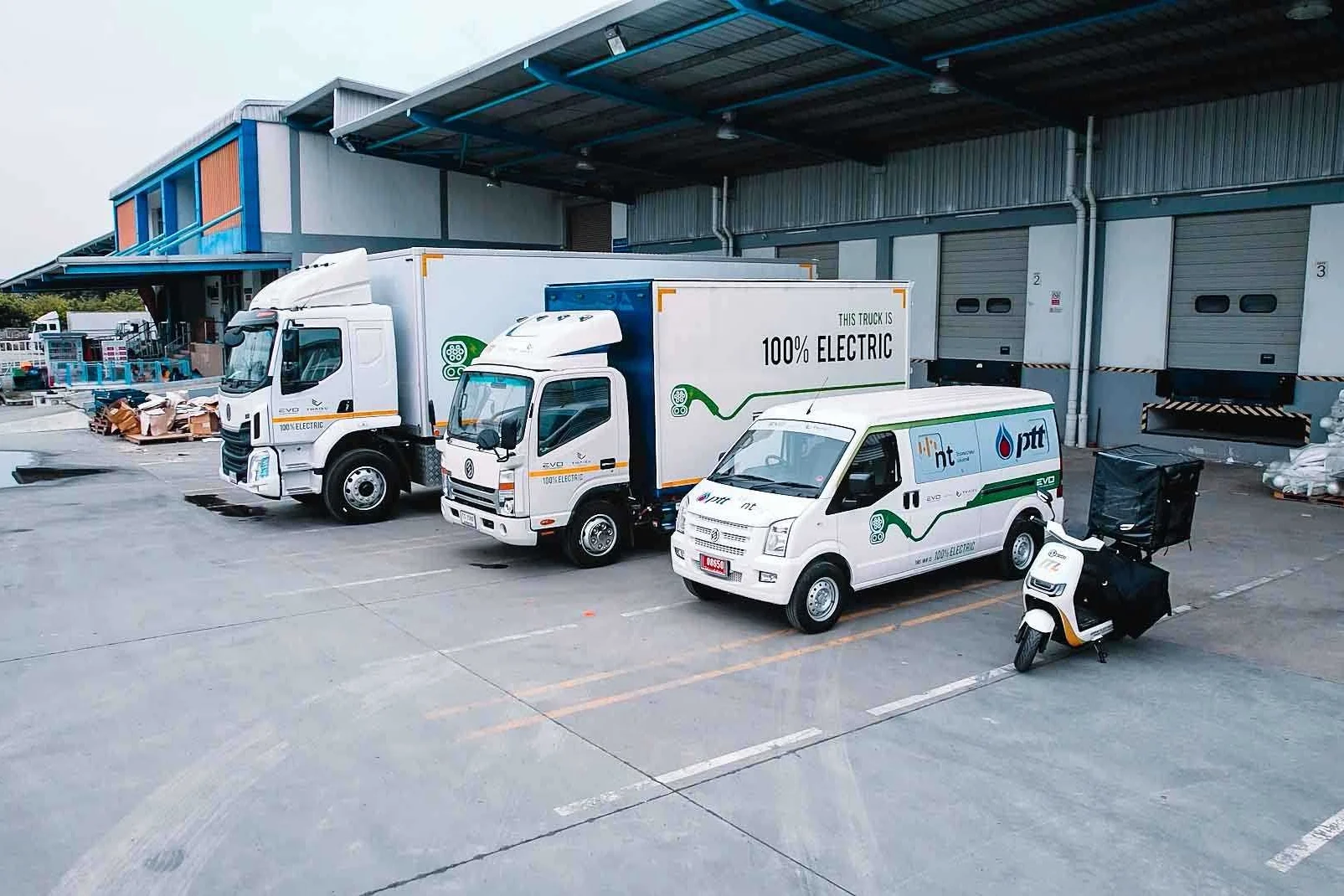
- Precise Targeting: Focusing on the oldest, highest-emission vehicles.
- Structural Benefits: Creating long-term advantages for the new automotive industry rather than a temporary sales spike.
- Strict Lifecycle Management: Implementing a transparent system to ensure that scrapped vehicles are truly removed from the road and do not leak back into circulation.
Industry Perspectives: Balancing Innovation and Utility
From the corporate side, Pongsak Lertrudeewattanavong, Deputy General Manager of MG Sales (Thailand), expressed support for economic stimulus measures but emphasized the need for clear guidelines and specific goals before businesses can fully commit.
Meanwhile, Surapong Paisitpatthanapong of the Federation of Thai Industries (FTI) noted that while similar ideas were proposed in the past to fight PM2.5, this current iteration is more focused on reducing fossil fuel dependency. He strongly advocated for limiting the incentives to domestically produced vehicles to fortify the local supply chain.
However, some industry voices suggest that the policy should not ignore Internal Combustion Engine (ICE) vehicles and pickup trucks. Given that pickup trucks have a localization rate of over 90% and have seen significant fuel-efficiency improvements, they remain vital to the national economy.
The Road Ahead
Thailand’s “trade-in” proposal represents a significant step toward environmental sustainability. However, the transition from a fossil-fuel-dependent fleet to a green ecosystem requires a holistic approach. For this policy to move the needle, the government must balance immediate economic stimulation with rigorous environmental controls and a clear vision for the future of Thai automotive manufacturing.