
The US plans to hike EU car import tariffs to 25% over trade disputes. Explore the impact on global auto markets and US-EU relations. Read more!
The United States is moving forward with a plan to increase import tariffs on automobiles from the European Union (EU) to 25%, signaling a significant escalation in trade tensions between the two global economic powerhouses. Despite ongoing disputes and diplomatic friction, Washington appears determined to implement the hike.
Washington Confirms Tariff Surge
US Trade Representative Jamieson Greer recently confirmed the decision during an interview with CNBC, stating that the US will proceed with the 25% tariff. Greer noted that he has been in communication with trade officials in both the EU and Germany to clarify the reasoning behind this move.
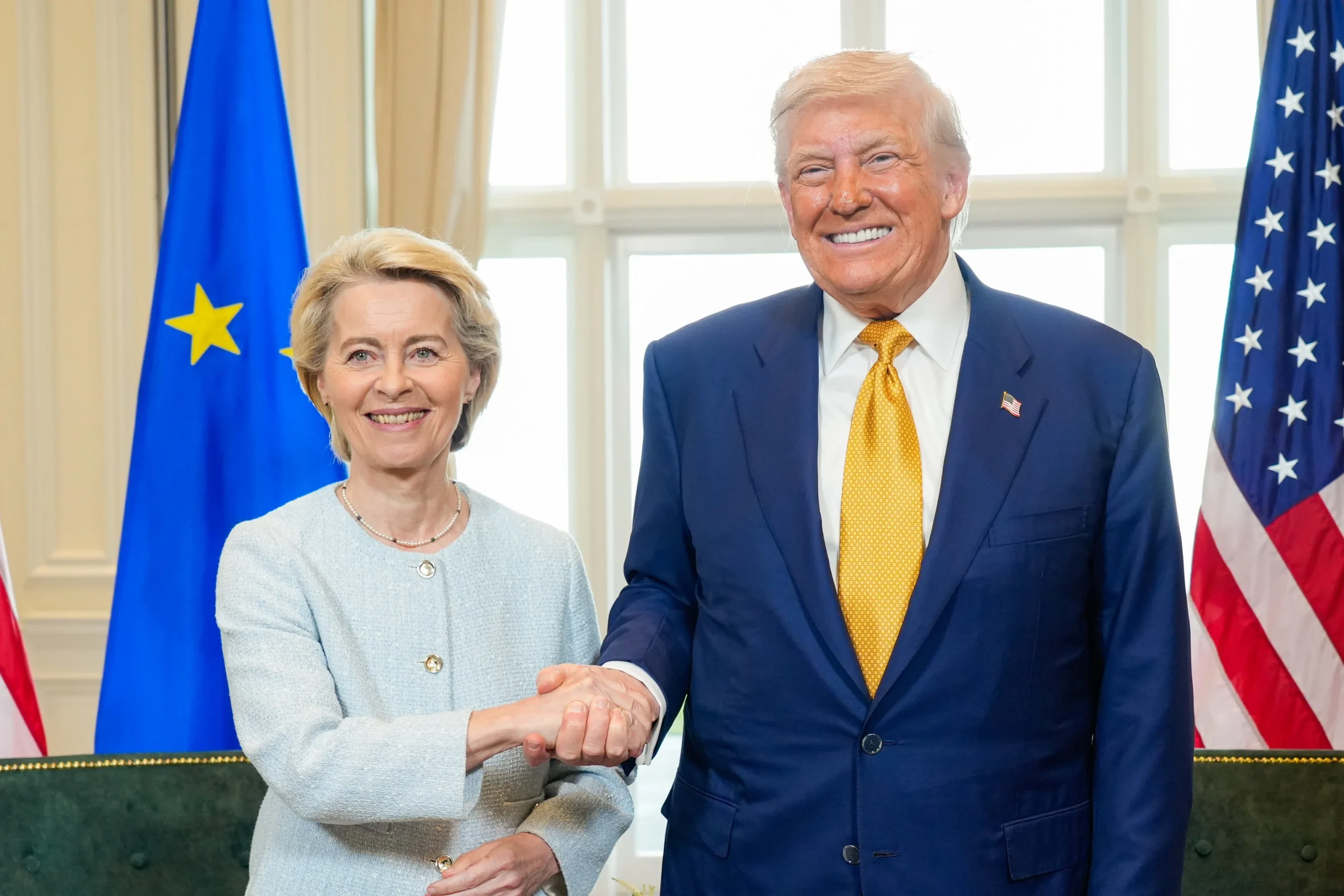
According to Greer, the decision is rooted in the EU’s failure to adhere to specific trade commitments established for 2025. When asked if these tariffs were merely a bargaining chip in a larger negotiation or a permanent policy shift, Greer described the move as “part of the agreement,” indicating that the US is not looking to delay implementation.
A Breakdown of the Trade Dispute
The current escalation follows a period of relative compromise. Previously, President Donald Trump had proposed the 25% rate, a sharp increase from the 15% threshold that had been tentatively agreed upon by both parties. The US administration accuses the EU of failing to honor the terms of their trade pact.
To provide context, the US had previously applied a blanket 25% tariff on global car imports based on national security laws. However, in August 2025, a specialized agreement between the US and EU had successfully lowered that rate to 15%. The current move essentially voids that concession.

Beyond Trade: Geopolitical Friction
Analysts suggest that the tariff hike is not happening in a vacuum. Trade tensions are being exacerbated by broader geopolitical disagreements, including:
- Security in the Middle East: Tensions have risen over the conflict in Iran and the EU’s refusal to deploy naval forces to secure the strategically vital Strait of Hormuz.
- Military Presence in Europe: The White House has announced plans to withdraw approximately 5,000 US troops from Germany. This follows criticism from German Chancellor Friedrich Merz, who suggested that the US had been “humiliated” during negotiations with Iran.
The EU’s Stance and Potential Fallout
The European Commission has flatly rejected the US allegations, maintaining that Brussels has fully complied with all trade commitments. While the EU seeks a diplomatic resolution, officials have warned that they are prepared to implement protective measures to safeguard their economic interests should the US violate existing agreements.
As the automotive industry braces for the impact, the global market awaits to see whether this move will lead to a full-scale trade war or force the EU back to the negotiating table to reach a new compromise.