
US lawmakers push for a tighter ban on Chinese vehicles over data security risks. Explore the impact on the global auto industry here.
The United States House of Representatives is moving to further tighten restrictions on Chinese automobiles, signaling a deepening rift in US-China trade relations and escalating concerns over national security.
A Legislative Push for National Security
According to reports from Reuters, two members of the House have introduced a new bill designed to strengthen the ban on Chinese automakers entering the US market. This legislative move comes at a critical diplomatic juncture, as President Donald Trump prepares for a high-profile visit to China for high-level negotiations.
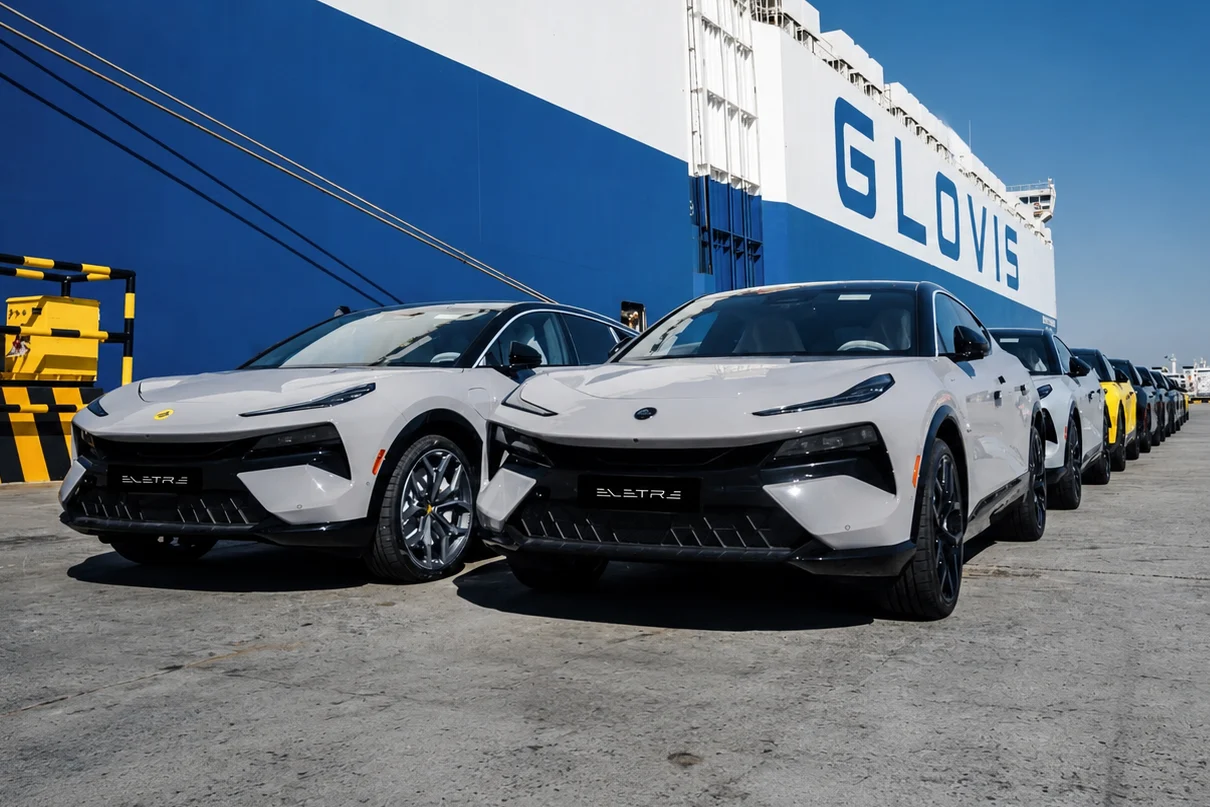
The bill, co-sponsored by Representative John Moolenaar (Republican) and Representative Debbie Dingell (Democrat), aims to codify regulations previously established under the administration of former President Joe Biden. While these regulations had already effectively blocked Chinese car manufacturers from operating in the US, the new bill seeks to formalize these restrictions into law and introduce additional measures to further limit China’s footprint in the American automotive sector.
The Core Concern: Data Privacy and Connectivity
A primary driver behind this legislation is the fear of espionage and data theft. Under the proposed rules, vehicles designed in China would be banned if they integrate advanced connected technologies or specialized vehicle control software.
Lawmakers argue that these integrated systems could be leveraged to collect sensitive data from American citizens, creating a significant vulnerability in national security. This sentiment echoes a broader trend of the US government restricting foreign technology—particularly from China—within critical infrastructure.
Industry Giants Back the Restrictions
The push in the House follows a similar effort in the Senate last month, led by Senators Bernie Moreno (Republican) and Elissa Slotkin (Democrat). This bipartisan momentum is bolstered by significant pressure from the automotive industry itself.
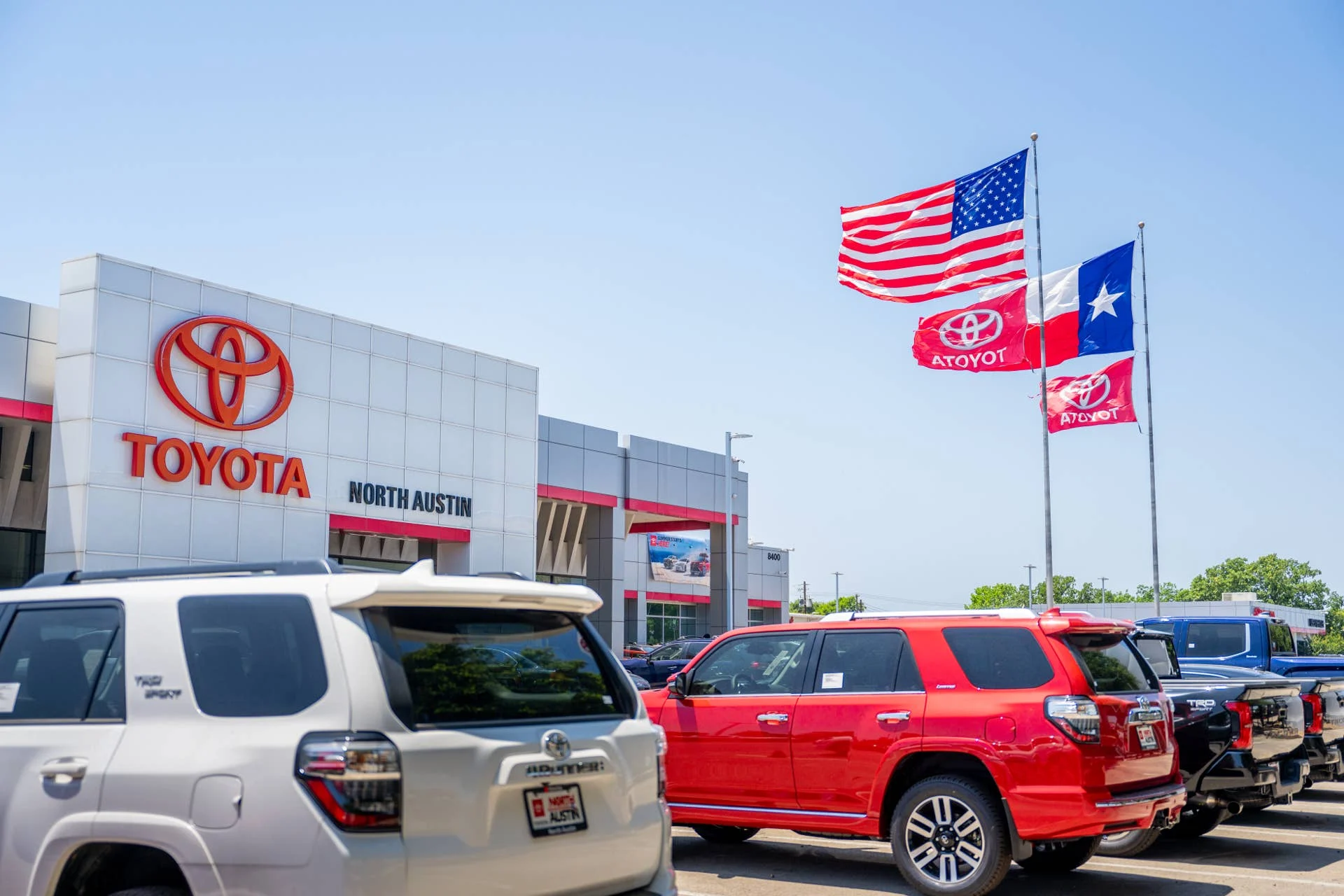
In March 2025, major trade associations representing global automotive giants—including Volkswagen, Hyundai, and Toyota—alongside parts manufacturers and dealerships, urged the US government to maintain strict barriers against Chinese imports. These industry leaders cited “serious concerns” regarding China’s ambition to dominate the global automotive supply chain and its aggressive expansion into the US market.
Industry groups have gone as far as labeling China a “direct threat” to the global competitiveness, national security, and the overall health of the American automotive industry.
The Competitive Paradox
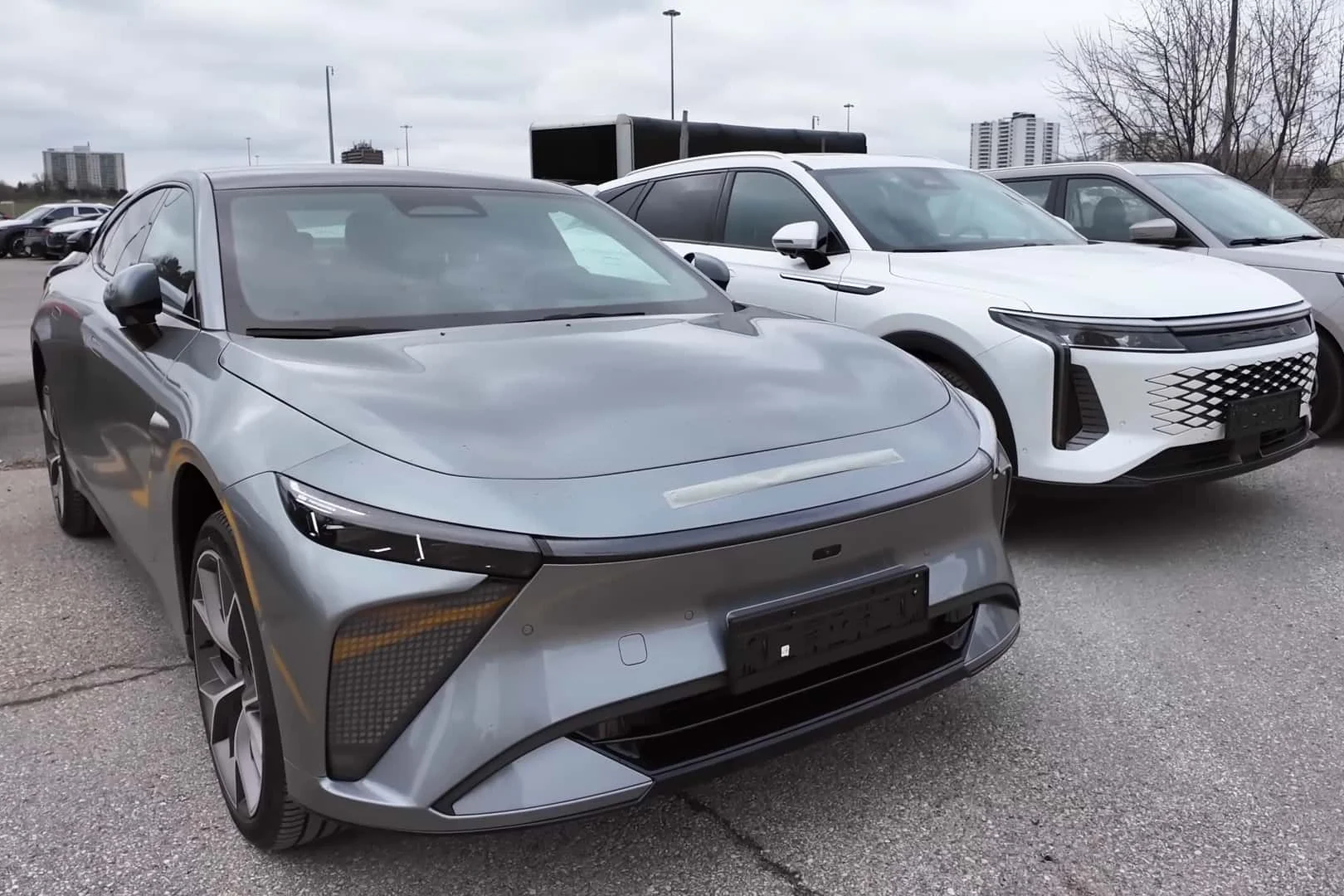
Despite the political and industrial pushback, the situation presents a complex paradox. While Chinese vehicles face steep import tariffs, recent consumer surveys indicate a growing appetite among American drivers for these products, drawn by competitive pricing and cutting-edge technology.
Adding to the tension is the contrasting approach taken by US neighbors. Canada has adopted a more open policy, allowing Chinese electric vehicles (EVs) to enter its market with a relatively low tariff of just 6.1%, potentially making it a gateway for Chinese automotive influence in North America.
China’s Response
The Chinese Embassy in Washington has firmly rejected the accusations, calling on the United States to cease what it describes as the “over-expansion of the concept of national security.” In an official statement, the embassy urged the US to end discriminatory practices and create a business environment based on fairness, transparency, and non-discrimination.