
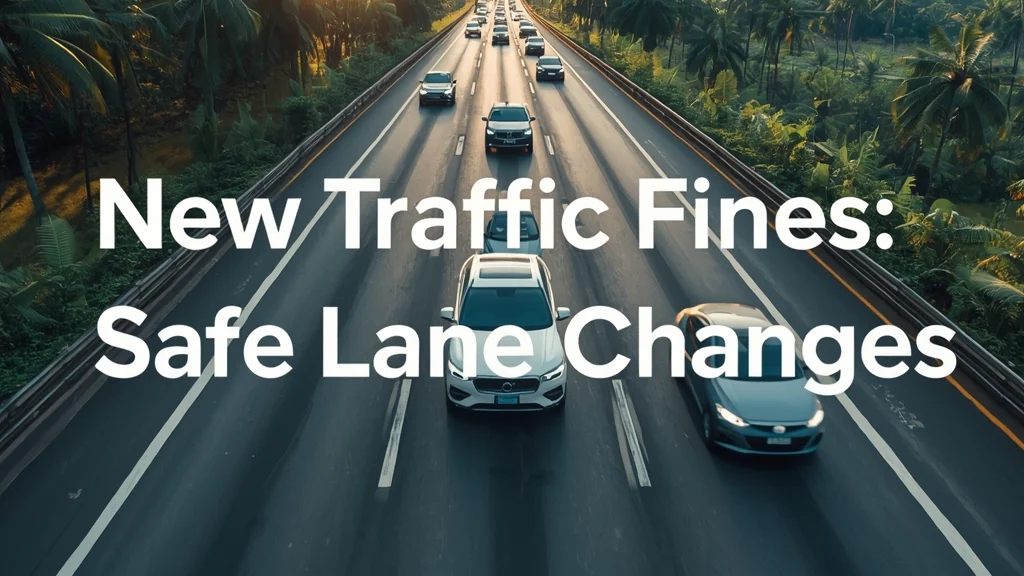
Vietnam may introduce fines up to 6M VND for unsafe lane changes on highways. Stay updated on the new road safety rules and avoid penalties.
Vietnam is stepping up its road safety measures with a new proposal aimed at curbing dangerous driving habits on its growing network of highways. Under a draft amendment to Decree 168, drivers who perform “aggressive” or unsafe lane changes could face significant financial penalties.
Stricter Rules for Highway Lane Changes
The Ministry of Public Security is proposing updates to Decree 168/2024 to refine how traffic violations are handled. A key addition focuses on the safety margins drivers maintain when switching lanes. Previously, the law emphasized that drivers should only move into one adjacent lane at a time.
The new proposal adds a critical layer of enforcement: drivers must now ensure a safe distance from vehicles in front, behind, and on both sides of their vehicle during a lane change. Failing to do so will be classified as a traffic violation.
The Cost of Unsafe Maneuvers: Penalty Breakdown
The proposed fines vary significantly depending on the type of road and the vehicle being operated. The goal is to discourage high-speed risks on expressways while maintaining order on city streets.
1. On Highways and Expressways
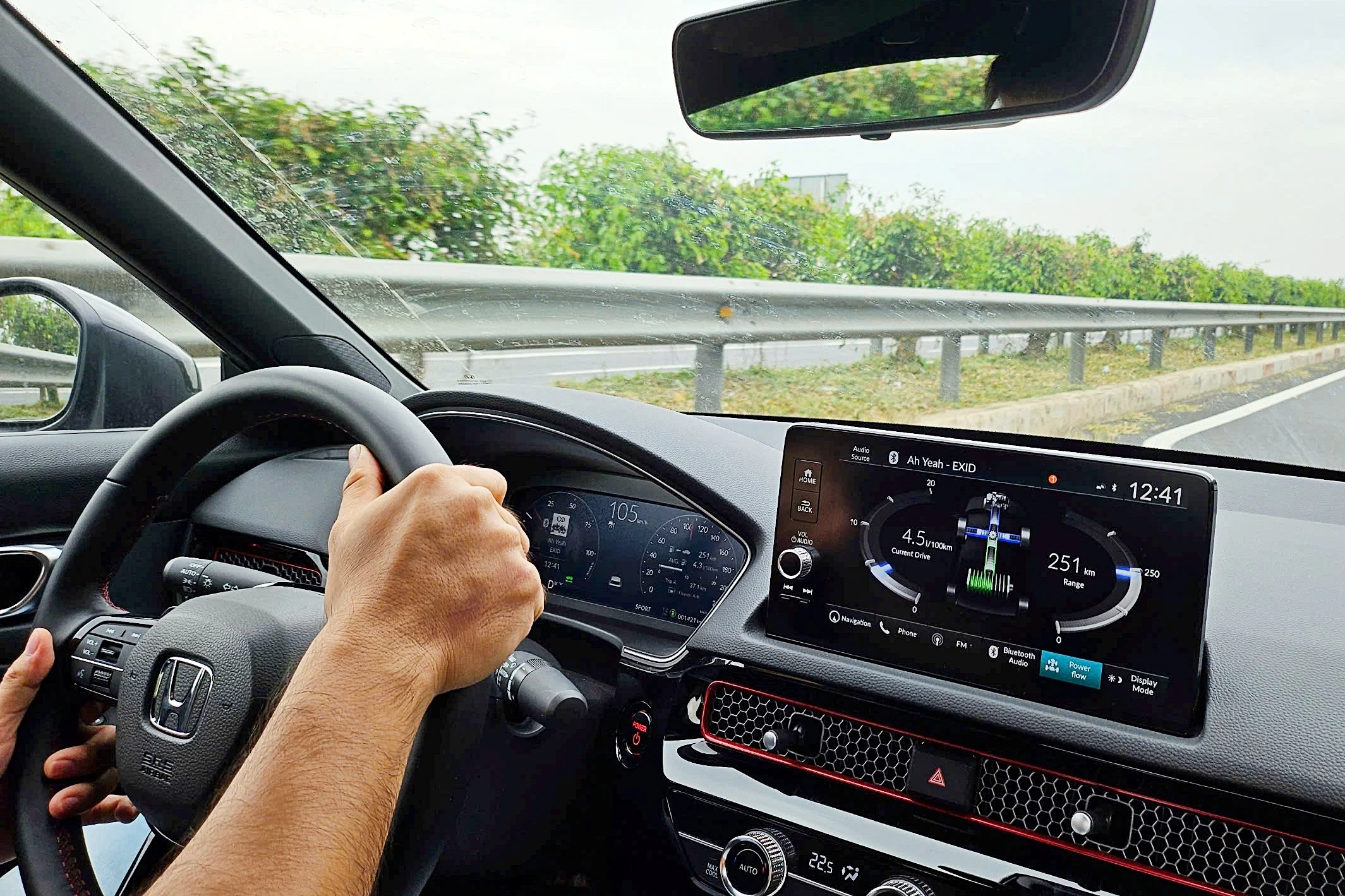
- Cars: Drivers who change lanes without maintaining a safe distance face fines ranging from 4 million to 6 million VND.
- Additional Penalty: In addition to the fine, offenders will have 2 points deducted from their driver’s license.
2. On Standard Roads (Non-Highways)
- Cars: Fines are proposed between 400,000 and 600,000 VND.
- Motorbikes and Mopeds: Fines range from 200,000 to 400,000 VND.
- Specialized Vehicles: Operators of specialized machinery or vehicles may face steeper fines of 3 million to 5 million VND.
Defining ‘Safe Distance’: What You Need to Know
While the concept of “safe distance” might seem subjective, the Ministry of Transport provides specific guidelines under Circular 38/2024. In ideal conditions—dry roads, clear visibility, and flat terrain—the minimum safe distance is scaled to the vehicle’s speed:
- At 60 km/h: A minimum distance of 35 meters is required.
- At 100–120 km/h: The required safe distance increases to 100 meters.
Adjusting for Adverse Conditions
Safety requirements are not one-size-fits-all. According to Circular 38/2024, drivers must increase these distances when facing:
- Heavy rain or dense fog.
- Slippery or unpaved road surfaces.
- Winding roads, steep mountain passes, or limited visibility.
Furthermore, if a road features a “Minimum Distance” sign, drivers must strictly adhere to the value indicated on the sign, regardless of the general guidelines.
Expert Tips for Safer Driving in Vietnam
Although there is currently no numerical regulation for the “side distance” between vehicles, safety experts urge drivers to be proactive. To avoid accidents and costly fines, remember to:
- Always check your mirrors: Ensure the lane is clear before signaling.
- Use your turn signals early: Give other drivers ample time to react to your movement.
- Avoid “cutting in”: Give yourself and others plenty of breathing room, especially at high speeds on the expressway.
These proposed changes reflect Vietnam’s commitment to reducing road accidents and creating a more disciplined driving culture for both locals and international residents.