
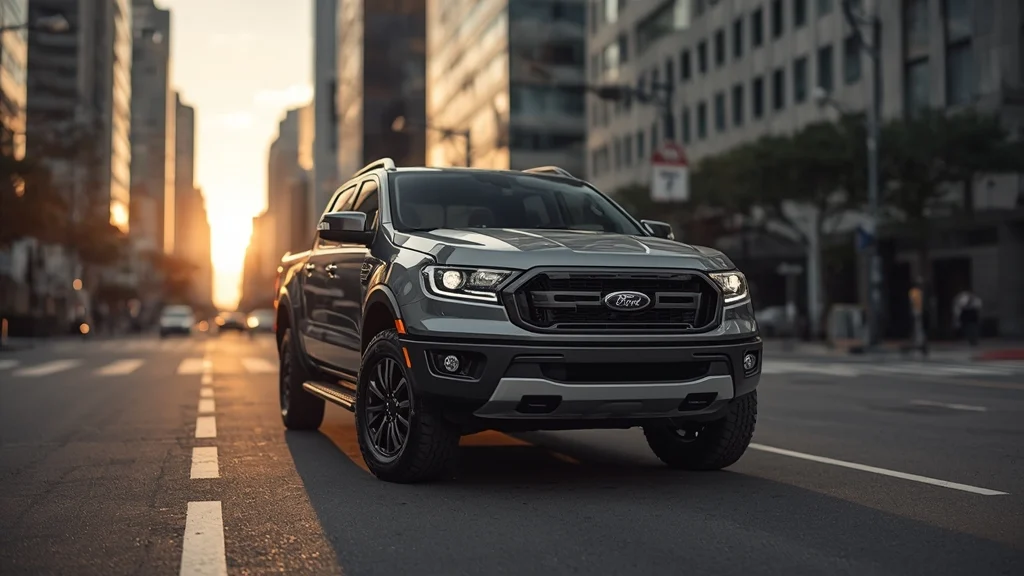
New regulations are pushing Vietnamese pickup buyers toward SUVs. Discover how these changes affect Ford and Toyota sales. Read more!
The pickup truck segment in Vietnam is facing an unexpected challenge. What was once a symbol of versatility and adventure is now caught in a regulatory gray area, leaving both dealerships and prospective buyers in a state of uncertainty.
The Regulatory Shift: From Personal Vehicle to Commercial Truck
The turmoil stems from Circular 53, issued by the Ministry of Transport (now under the Ministry of Construction) in 2024. This regulation reclassifies the majority of pickup trucks in Vietnam—specifically double-cab models—as “pickup trucks” in the commercial vehicle category rather than passenger cars.
This classification has immediate, practical consequences for owners in major metropolitan areas:
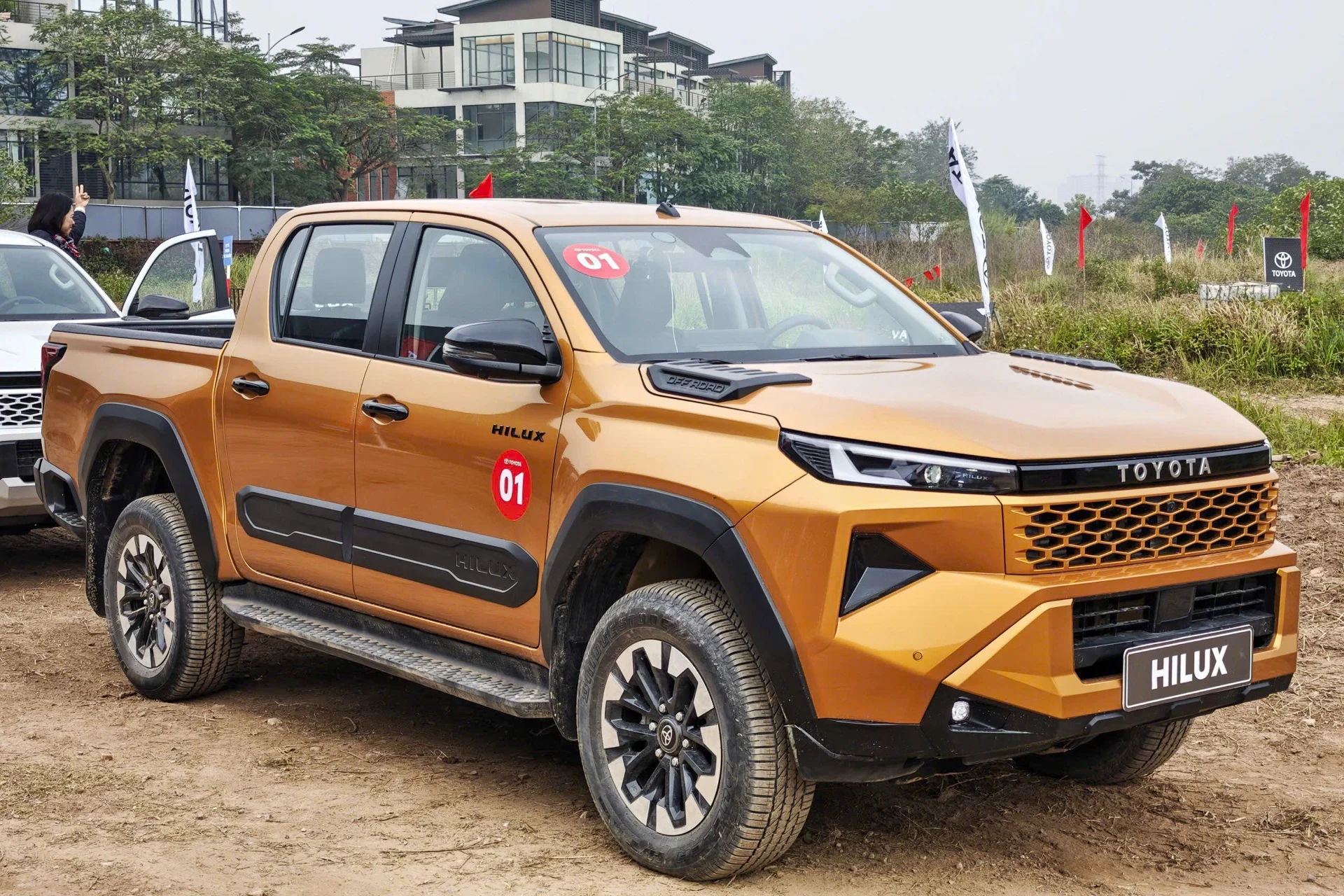
- Hanoi: Pickups are now banned from operating between 6:00 AM and 9:30 PM daily, mirroring the restrictions placed on commercial trucks with a total weight of 2 tons or more.
- Ho Chi Minh City: While not subject to the same strict time-based bans, pickups must still adhere to truck-specific road signs, dedicated lanes, and speed limits.
Consumer Hesitation and the Shift to SUVs
For many urban dwellers, these restrictions make owning a pickup less practical. Dealerships are reporting a noticeable shift in consumer psychology. According to Mr. Ngoc Anh, Sales Manager at Di An Ford, many customers who were ready to finalize their purchase are now hesitating.
“Some clients have postponed their decisions to wait for clearer, more official guidance,” Ngoc Anh shared. Interestingly, the trend isn’t necessarily a total loss for the brands; instead, it is a shift in preference. Many customers who originally deposited for a Ford Ranger are now opting for Ford’s SUV lineup to avoid the logistical headaches of truck classification.
Impact on Market Giants: Ford and Toyota
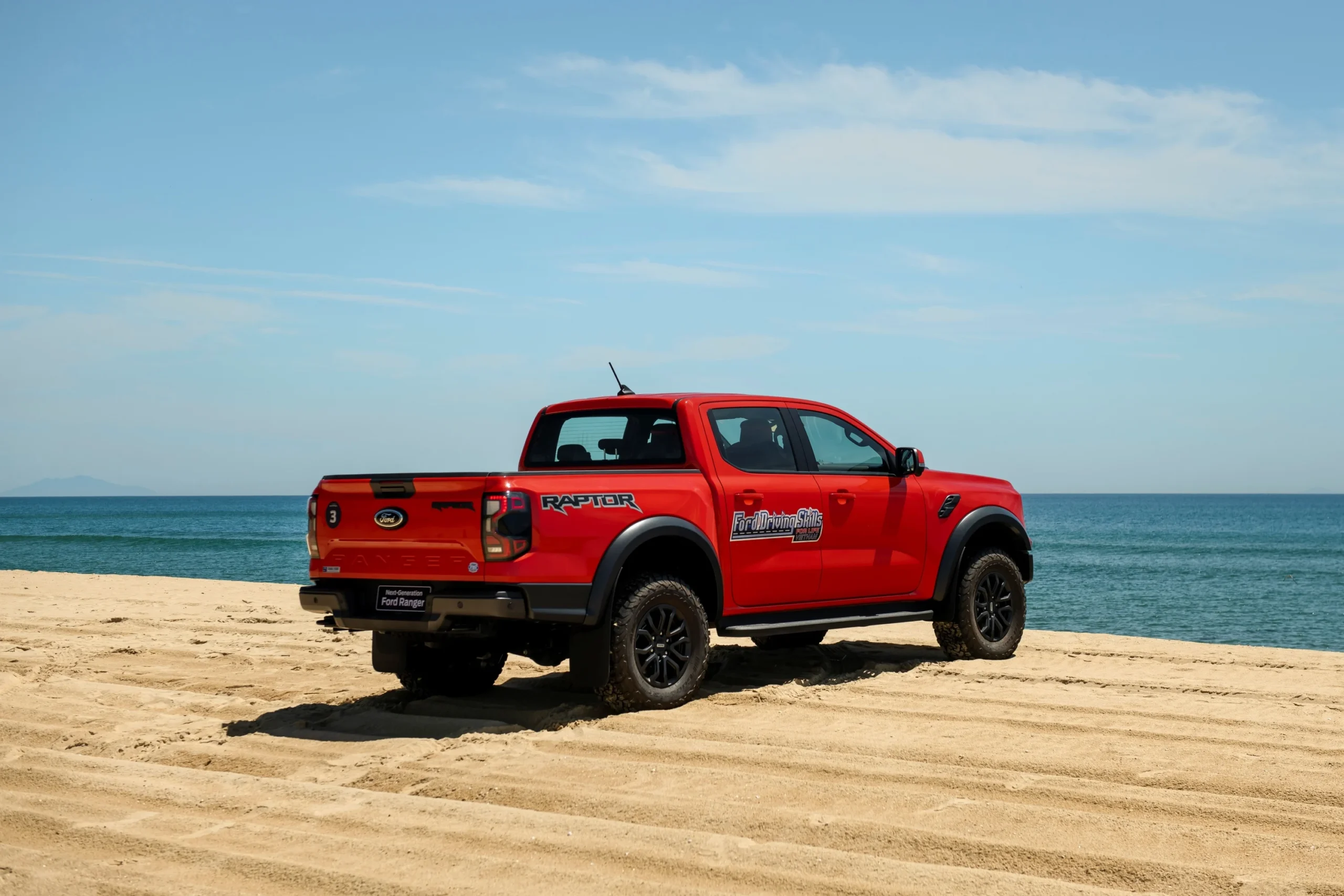
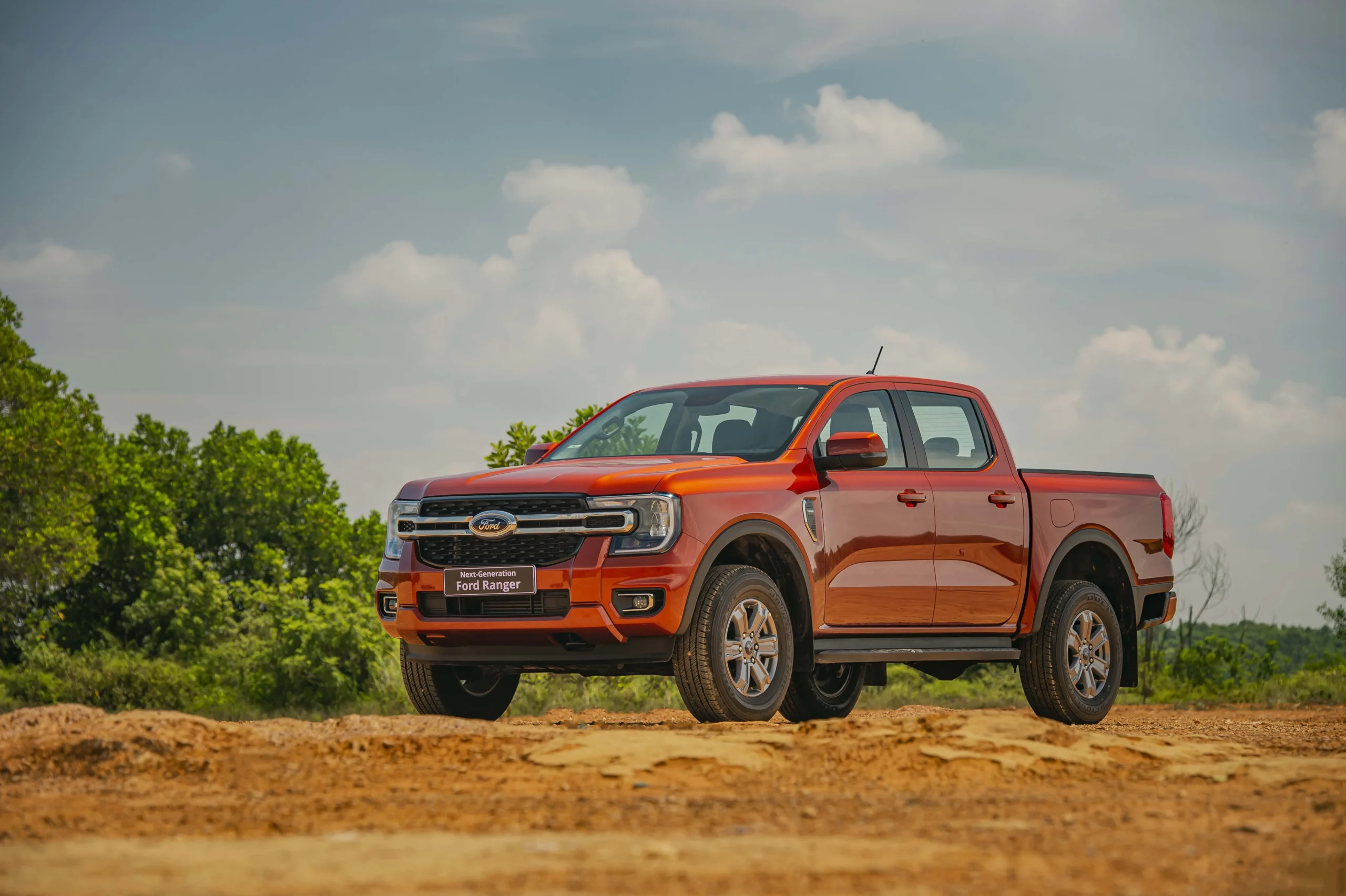
The two biggest players in the segment, Ford and Toyota, are feeling the pressure. The Ford Ranger remains a top seller with prices ranging from 707 million VND to 1.299 billion VND for the high-performance Raptor variant. However, the momentum has slowed.
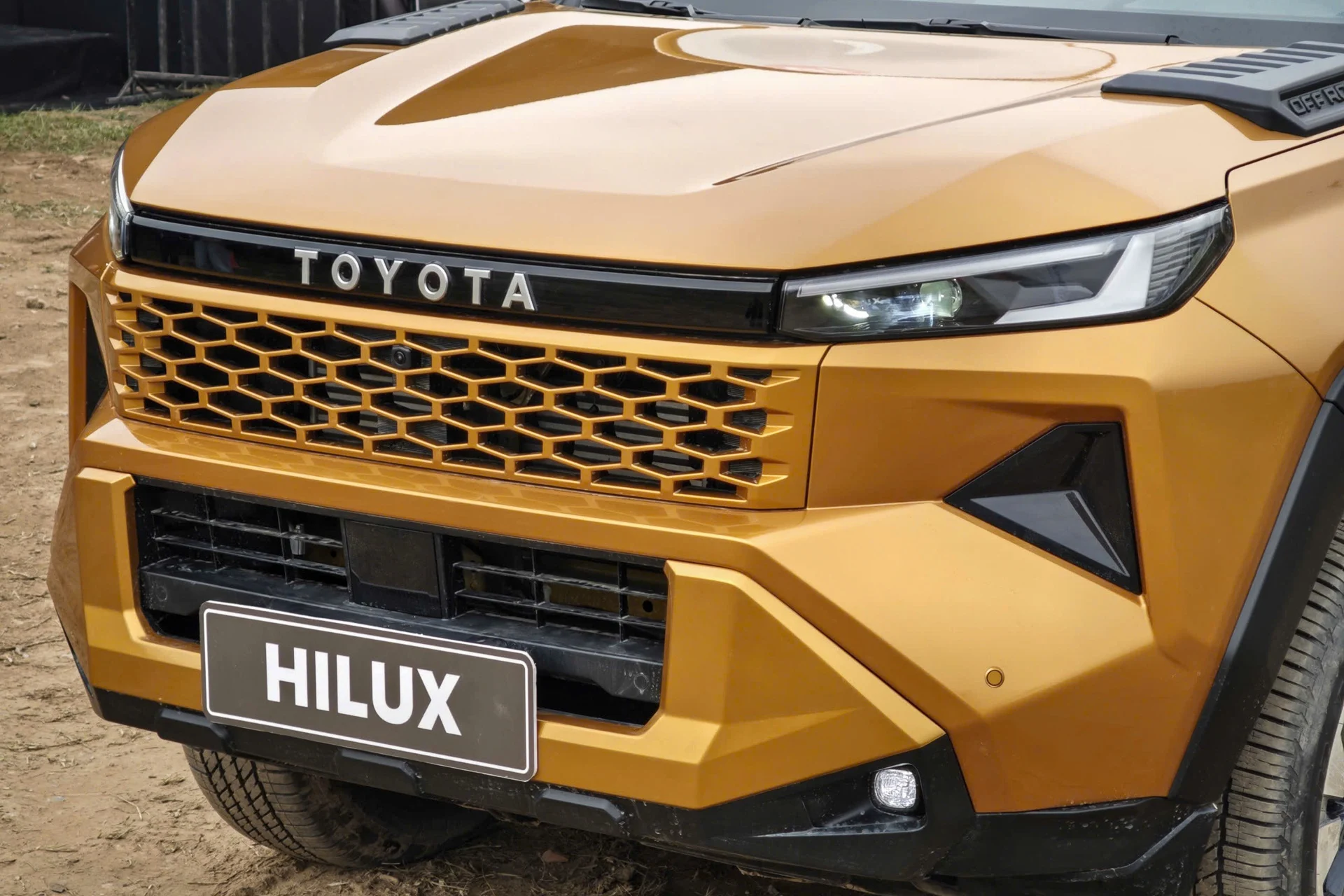
Similarly, at a Toyota dealership in Ho Chi Minh City, consultant Thanh Phuc noted a slowdown in demand for the Toyota Hilux. “Sales haven’t frozen completely, but they have definitely dipped since the news about Circular 53 broke,” Phuc explained. Despite the slump, the Hilux continues to find a niche among corporate clients and those who genuinely require a vehicle for heavy-duty work.
Aggressive Incentives to Spur Sales
To combat the slump, dealerships are turning to aggressive promotional strategies. At Di An Ford, “double promotions” are being offered, combining official manufacturer discounts with additional cash rebates and genuine accessories, totaling tens of millions of VND depending on the version.
Other Japanese brands are following suit. The Mitsubishi Triton (2025 VIN) is seeing promotions worth up to 76 million VND, while the Isuzu D-Max is offering cash discounts of up to 50 million VND to lure buyers back to the segment.
Looking Ahead: A New Energy Hope?
The pickup market was already struggling with a broader industry downturn. In February, total pickup sales in Vietnam dropped to 1,840 units, down from 2,541 in January. While this is partly attributed to the Lunar New Year “freeze,” the regulatory burden adds a long-term layer of complexity.
However, there is a glimmer of hope on the horizon. The entry of new energy vehicles (NEVs), such as the BYD Shark 6 and the VinFast VF Wild, could revitalize the segment. Because these may be classified as “passenger pickups” rather than commercial trucks, they could bypass the restrictive urban regulations, offering a modern, hassle-free alternative for Vietnamese drivers.