
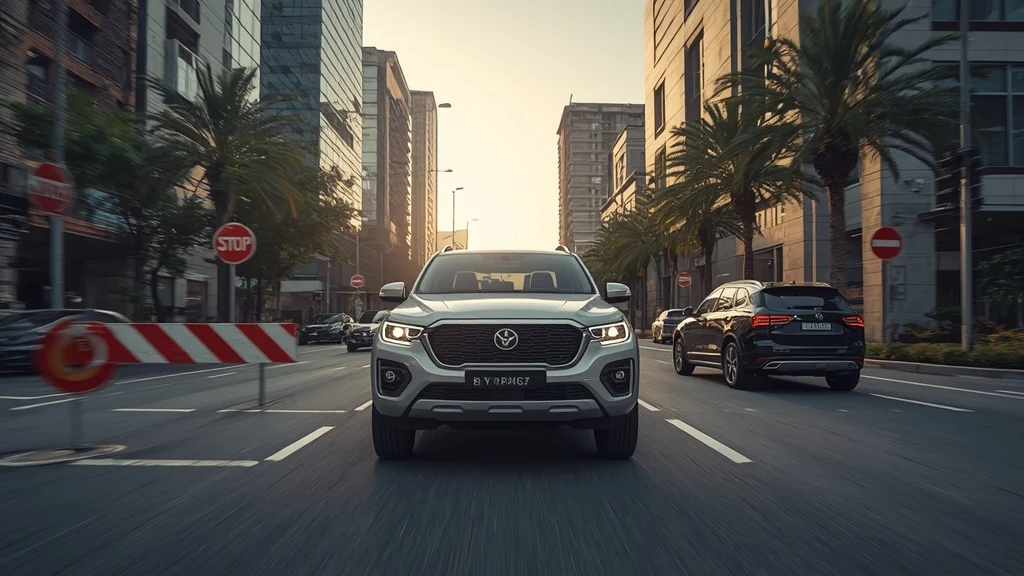
New regulations are shaking up the pickup truck market in Vietnam. Will SUVs take over? Discover how Circular 53 is impacting sales. Read more!
For years, pickup trucks have been a symbol of versatility and power in Vietnam. However, a recent regulatory shift is sending shockwaves through dealerships, leaving both buyers and sellers in a state of uncertainty. What was once a booming segment is now facing a critical turning point as urban restrictions make ownership less appealing for city dwellers.
The Catalyst: Circular 53 and the ‘Truck’ Label
The current turmoil stems from Circular 53, issued by the Ministry of Transport (now under the Ministry of Construction) in 2024. This regulation reclassifies the majority of pickup trucks in Vietnam as “double-cabin pickup trucks,” effectively grouping them with commercial trucks rather than passenger vehicles.
This distinction has real-world consequences, particularly in major cities:
- Hanoi: Pickup trucks are now banned from operating between 6:00 AM and 9:30 PM daily, mirroring the restrictions placed on commercial trucks with a total weight of 2 tons or more.
- Ho Chi Minh City: While more lenient under Decision 23/2019, pickups are still subject to truck-specific signage, lane restrictions, and speed limits.
Customer Hesitation: From Pickups to SUVs
The impact on the showroom floor has been immediate. Dealers report a growing trend of “wait-and-see” behavior from potential buyers. According to Mr. Ngoc Anh, Sales Manager at Di An Ford, many customers who were ready to close a deal have paused their purchases to wait for clearer official guidance.
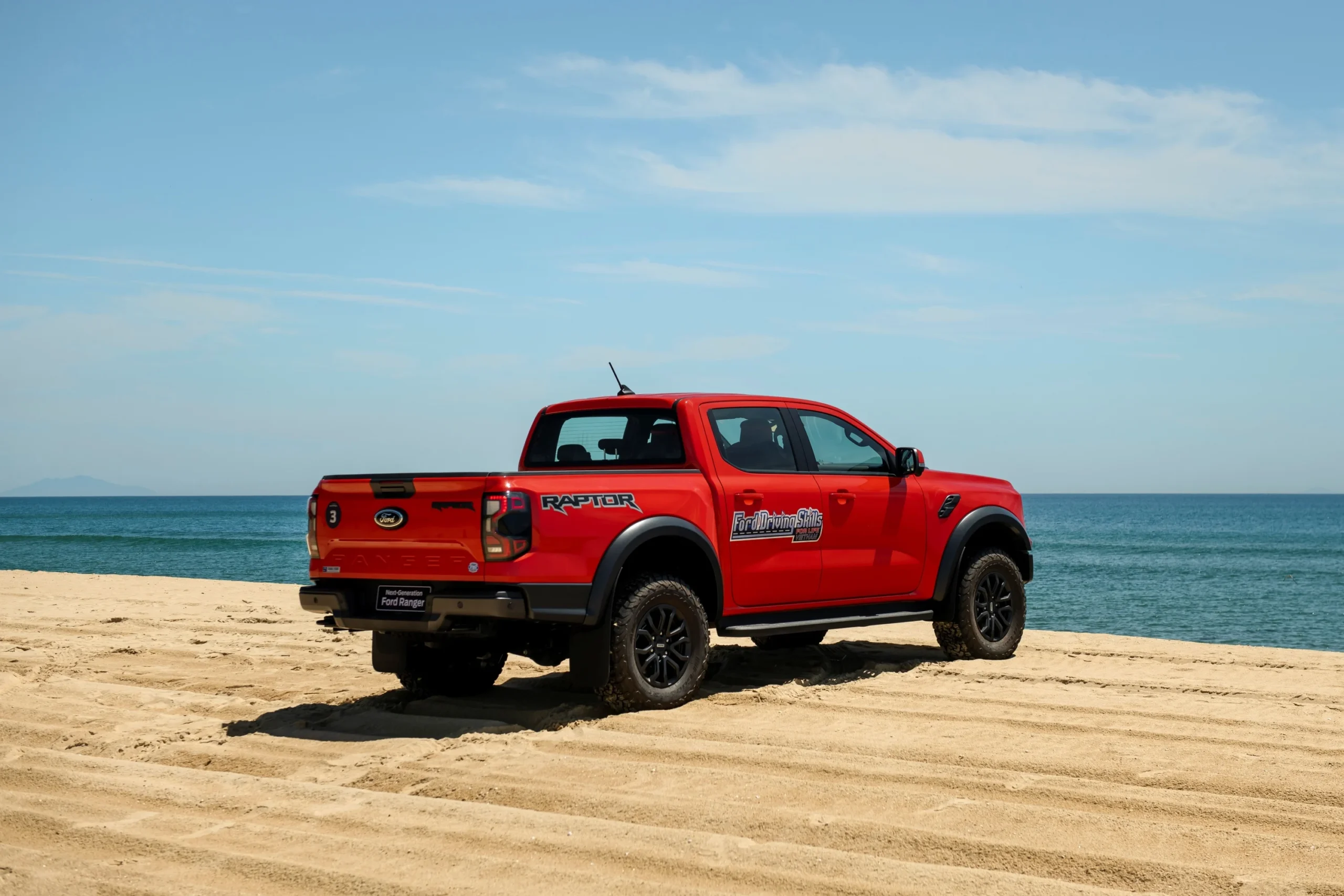
Interestingly, this hasn’t led to a total loss of customers, but rather a shift in preference. Many buyers are opting to pivot from the Ford Ranger—Vietnam’s best-selling pickup—to Ford’s SUV lineup. While a few customers have withdrawn their deposits, the majority are simply swapping their order for a more city-friendly SUV to avoid the headache of urban bans.

Market Resilience vs. Reality
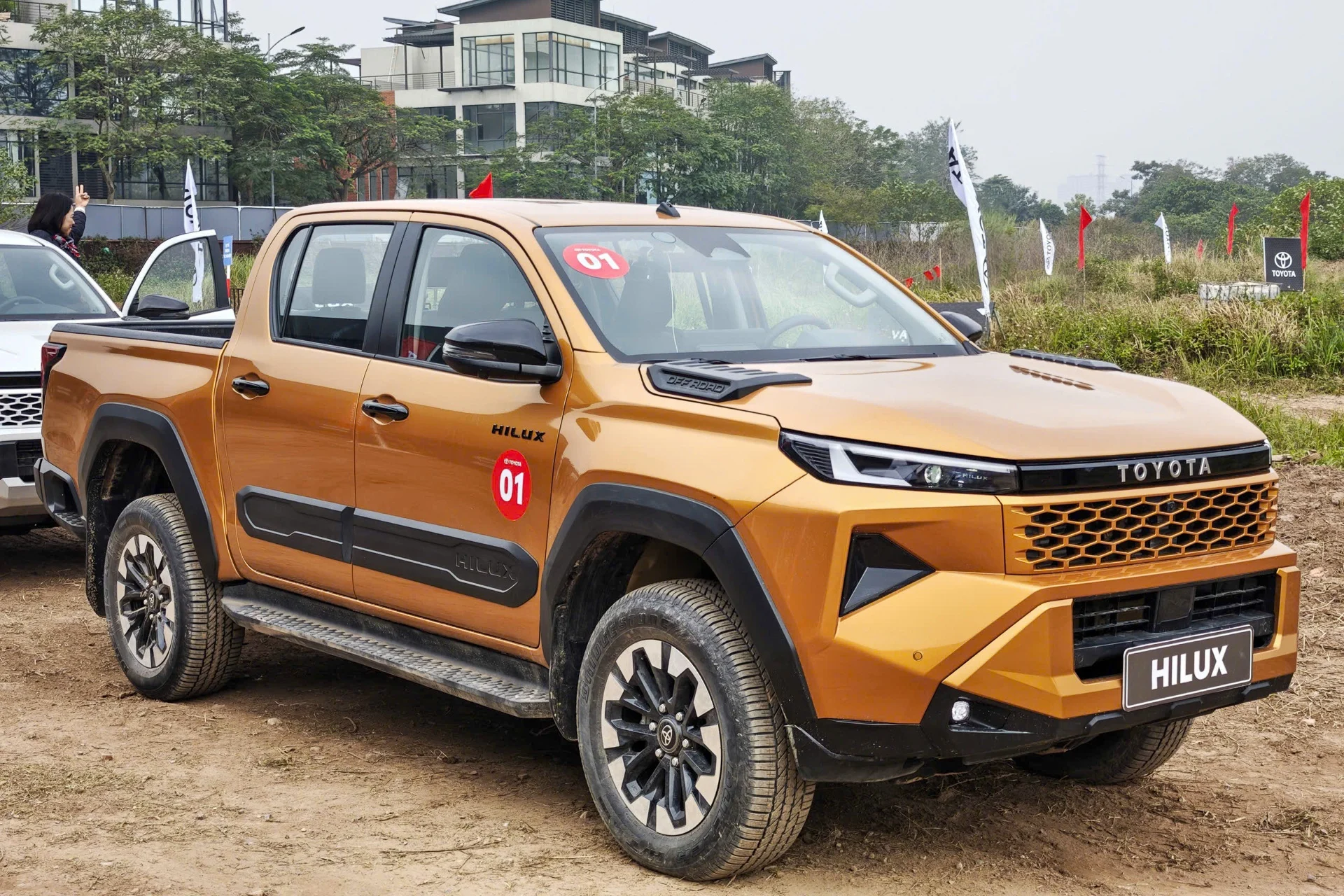
The struggle is echoed at Toyota dealerships as well. Mr. Thanh Phuc, a sales consultant in Ho Chi Minh City, notes that demand for the Toyota Hilux has slowed significantly since the news of Circular 53 broke. While sales haven’t completely frozen, the momentum is noticeably lower than in previous periods.
Despite the dip, there is one segment that remains unaffected: corporate clients. Businesses that rely on pickups for logistics and field work continue to purchase vehicles regardless of city restrictions, as the utility of the vehicle outweighs the inconvenience of restricted hours.

Aggressive Incentives to Spur Sales
To combat the slump, dealerships are turning to aggressive promotional strategies. At Di An Ford, buyers are being offered “double incentives”—a combination of official manufacturer discounts and additional cash rebates or genuine accessories, totaling tens of millions of VND depending on the version.
Other Japanese brands are following suit. The Mitsubishi Triton and Isuzu D-Max are also seeing heavy promotions, with some dealers offering cash discounts of up to 50 to 76 million VND to entice hesitant buyers.
Looking Ahead: A New Era of “Passenger Pickups”?
The pickup segment was already struggling with a general market downturn in February, partly due to the Lunar New Year (Tet) holiday, which typically sees a freeze in automotive retail. However, the long-term outlook now depends on how regulators and manufacturers adapt.
There is a glimmer of hope on the horizon with the arrival of New Energy Vehicles (NEVs). The introduction of electric and hybrid pickups, such as the BYD Shark 6 and the VinFast VF Wild, could redefine the category. If these models can be classified as “passenger pickups” rather than commercial trucks, they may provide the breath of fresh air the market desperately needs to attract urban buyers back to the segment.