
Vietnam is updating traffic laws to remove vehicle impoundment for specific violations. Learn how these changes impact drivers today!
In a move to streamline administrative procedures and reduce the burden on law enforcement, Vietnam’s Ministry of Public Security (MPS) has proposed significant changes to how traffic violations are penalized. The latest draft of the amendments to Decree 168/2024 suggests the removal of vehicle impoundment and confiscation for several specific traffic offenses.
Ending Vehicle Impoundment for Highway Lane Violations
One of the most notable changes focuses on highway safety. Under the new proposal, drivers who change lanes in unauthorized areas or fail to provide a proper signal on highways will no longer face the risk of having their vehicles or related documents impounded.
If this proposal is approved, drivers committing these offenses will still face strict penalties, but the focus will shift from seizing assets to financial and licensing sanctions. According to current regulations in Decree 168/2024, violators would face:
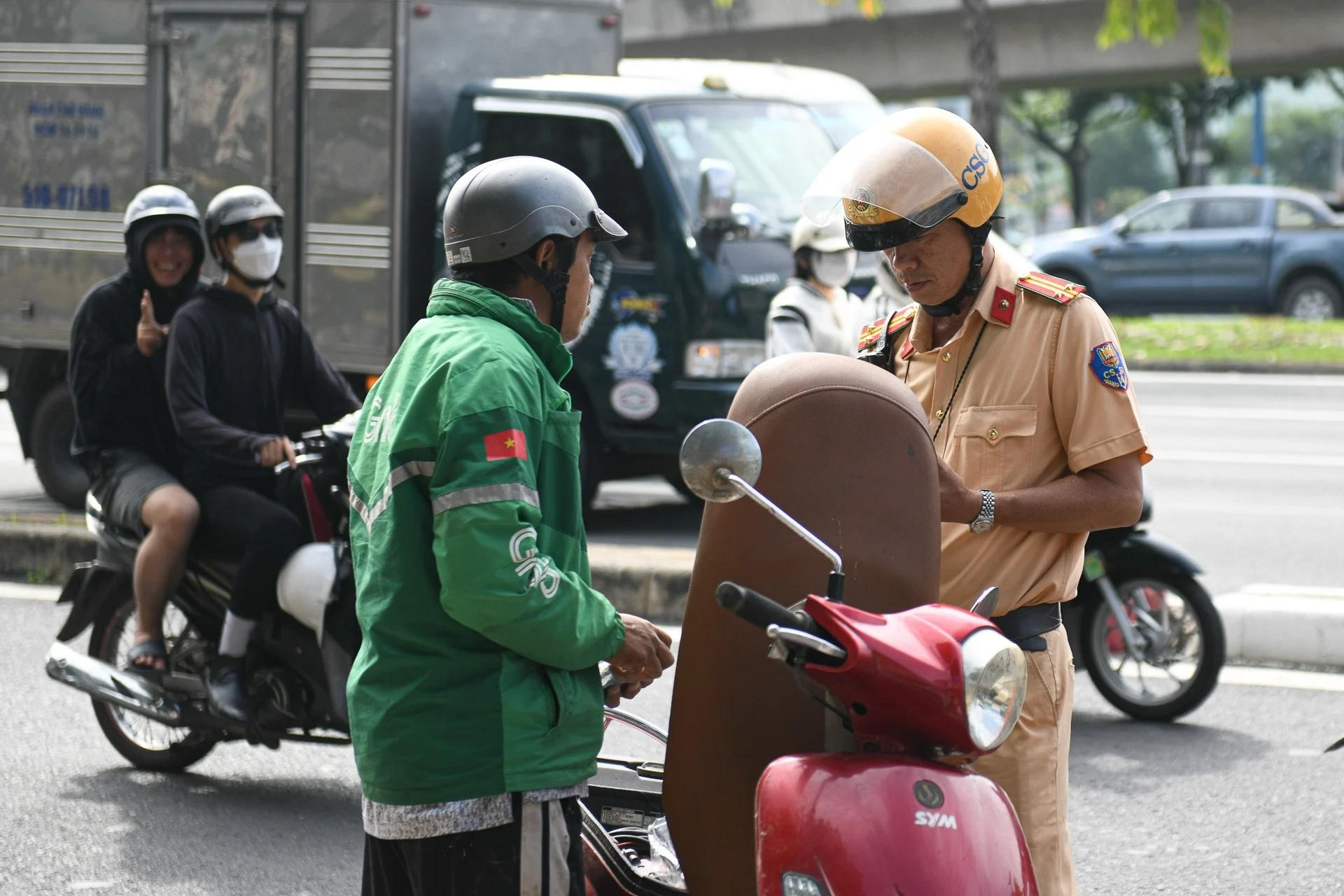
- Financial Fines: A penalty ranging from 4 to 6 million VND.
- License Points: A deduction of 2 points from their driver’s license.
Three Other Violations No Longer Subject to Confiscation
Beyond highway lane changes, the Ministry of Public Security is also proposing to scrap the confiscation of vehicles for repeat offenders in three other categories. Previously, repeat violations of these rules could lead to the permanent loss of the vehicle. The proposed exempt offenses include:
- Unauthorized Modifications: Arbitrarily altering the chassis, engine, shape, size, or technical characteristics of a vehicle.
- Severe Overloading: Passenger vehicles (excluding buses) carrying over 100% capacity, or cargo vehicles/specialized machinery exceeding 150% of the allowed load limit.
- Technical Non-Compliance: Trucks with cargo box dimensions that do not match the official technical specifications.
Why the Shift in Policy?
The Ministry of Public Security explained that these changes are a direct response to feedback from local authorities. The process of seizing, verifying, and eventually auctioning off confiscated vehicles has proven to be an administrative nightmare, consuming excessive time and public resources.
Reducing Administrative Pressure
By removing the requirement to confiscate vehicles, the Ministry aims to significantly reduce the pressure on Traffic Police (CSGT) and the systemic strain on storage warehouses used for holding seized evidence.
Focusing on Deterrence Through Fines
Authorities believe that the current administrative fines for first-time offenses are already sufficiently high to act as a deterrent. Consequently, the extreme measure of confiscating a vehicle upon a second offense is deemed unnecessary for maintaining road order.
These proposed updates reflect a broader trend in Vietnam toward more pragmatic law enforcement, prioritizing efficient processing and financial penalties over cumbersome asset seizures.