
European carmakers are selling factories to Chinese rivals to survive the EV transition. Discover the risks to the EU auto industry. Read more.
For years, European nations have built strategic walls to limit the influx of Chinese automotive brands, hoping to shield their domestic industry from aggressive competition. However, a surprising and paradoxical trend is emerging: the very manufacturers Europe sought to protect are now considering selling or transferring their factories to Chinese partners.
A Strategic Pivot or a Desperate Move?
What started as a defensive trade strategy is evolving into a structural shift. Instead of merely importing cars, Chinese brands are now gaining a physical foothold in the “Old Continent” by acquiring existing infrastructure. This transition allows Chinese firms to bypass import tariffs and integrate themselves directly into the European supply chain.
Stellantis: Leading the Transition
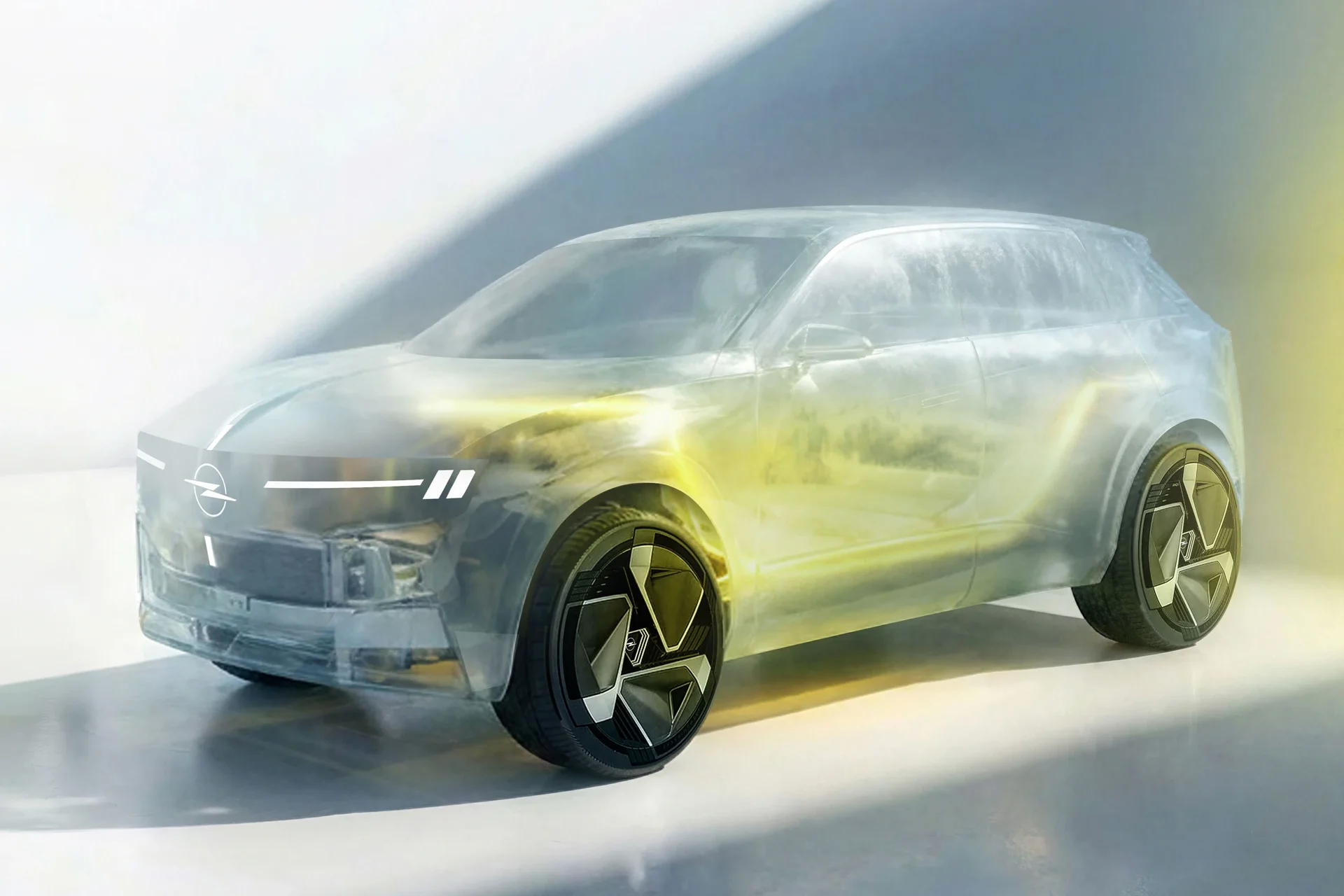
Stellantis has become a prime example of this shift. The automotive giant is currently exploring the sale of several European plants to Chinese companies. More tellingly, Stellantis has already announced that Opel’s next generation of Electric Vehicles (EVs) will be built upon technology provided by the Chinese brand Leapmotor.
The partnership goes beyond technical blueprints. Some Leapmotor models are set to be produced at the Villaverde plant in Madrid, with the possibility that ownership of the facility will be transferred to a Spanish subsidiary of the joint venture. Reports suggest that Stellantis is also considering selling additional plants in France, Germany, and Italy to Dongfeng, a long-term partner from China.
A Growing Trend Across the Continent
The movement isn’t limited to Stellantis. Several other legacy automakers are following suit:
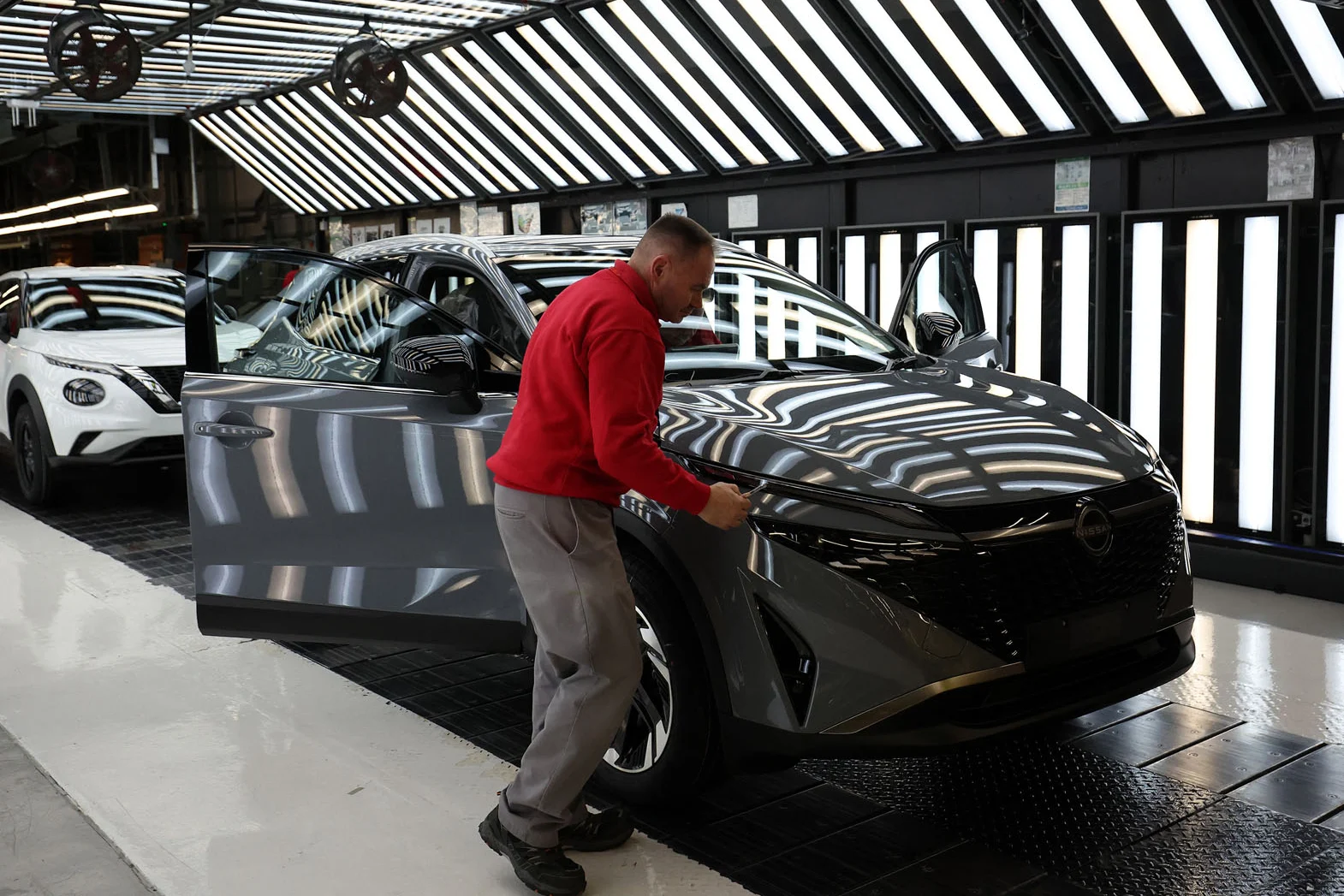
- Chery: In 2023, Chery acquired a former Nissan plant in Barcelona, boosting its production capacity to 200,000 vehicles per year. Meanwhile, Nissan is reportedly considering selling its Sunderland plant in the UK to either Chery or Dongfeng.
- Ford: The American giant is said to be transferring an assembly line at its Valencia plant to Geely. This facility is expected to produce a range of “new energy vehicles,” including Hybrid Electric Vehicles (HEV), Battery Electric Vehicles (BEV), and Plug-in Hybrid Electric Vehicles (PHEV).
- Volkswagen: Even the German powerhouse is expanding its cooperation with Chinese partners, looking into producing or importing new models directly from China into the European market.
The Double-Edged Sword of Survival
Why are these industry titans handing over the keys to their competitors? The answer lies in the brutal reality of the modern automotive market. Soaring production costs and the massive capital required for the transition to electric mobility have left many European plants struggling to remain profitable. Selling these assets is often seen as the only way to prevent total shutdowns and mass layoffs.
However, experts warn that this short-term survival strategy could lead to long-term disaster. Bernard Jullien, an automotive industry specialist at the University of Bordeaux, notes that while selling a plant is more attractive than closing it, it effectively hands a strategic advantage to a powerful competitor.
“By allowing these companies to establish themselves in the heart of Europe, we are providing them with the ultimate leverage to penetrate the regional market more deeply,” Jullien warns.
Conclusion: The Future of European Automotive Sovereignty
The trend of “surrendering factories” reflects the volatile nature of the global automotive industry in the era of electrification. While these deals provide immediate economic relief and preserve jobs in the short term, they raise a critical question: Can the European auto industry maintain its competitiveness, or is it inadvertently paving the way for its own replacement?
As the shift toward EVs accelerates, the battle for dominance is no longer just about who makes the best car, but who owns the ground they are built on.