
Volkswagen pauses ID.4 production in the US as EV demand dips. Discover why VW is pivoting its strategy and what’s next. Read more here!
Volkswagen is recalibrating its North American strategy, making the difficult decision to halt production of the ID.4 electric SUV. This move comes as the company grapples with weakening demand and an increasingly volatile electric vehicle (EV) landscape in the United States.
A Costly Strategic Pivot
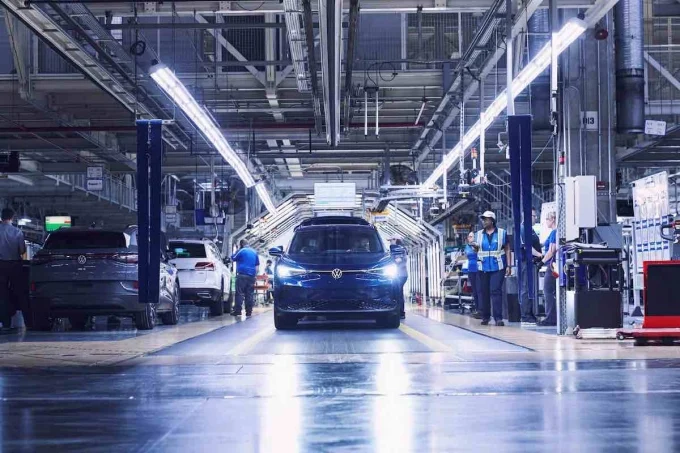
The decision to pause operations at the Chattanooga plant in Tennessee is expected to hit Volkswagen’s balance sheet hard. Industry analysts suggest that the automaker may report significant losses in its first-quarter financial statements as a result of this shutdown.
The financial blow is particularly poignant given that Volkswagen had previously invested approximately $800 million to retrofit the Chattanooga facility specifically for EV production. This retreat highlights the immense challenges legacy automakers face during the transition to zero-emission vehicles.
What’s Driving the EV Slowdown?
The dip in ID.4 production isn’t happening in a vacuum. Several economic headwinds have converged to make American consumers more cautious about switching to electric:
- End of Tax Incentives: The expiration of federal tax credits worth up to $7,500 last year has removed a major financial incentive for buyers.
- Economic Pressure: Persistent high interest rates and the rising cost of living have squeezed household budgets, making expensive new vehicle purchases less appealing.
- Market Unpredictability: Volkswagen has described the US EV market as “unpredictable,” necessitating a more conservative approach to ensure long-term financial stability.
Back to Basics: The Return of the Gas-Powered SUV
While the electric dream is on hold for the Chattanooga plant, the facility won’t stay idle. According to Business Insider, the plant will shift its focus toward models with higher current consumer demand. Most notably, the facility is expected to produce the next-generation, gas-powered Atlas SUV, which is slated for a 2027 release.
Since the ID.4 was the only Volkswagen EV assembled in the US, this production halt marks a significant restructuring of the brand’s American operations.
Is This the End of the Road for VW EVs?
Despite the setback, Volkswagen insists that it is not abandoning the electric revolution. The company remains committed to its long-term electrification goals and continues to develop future battery-electric models.
Industry experts believe the current slump in the US EV market is a short-term phenomenon rather than a permanent decline. Optimism remains high that the market will stabilize and rebound as battery costs drop, charging infrastructure expands, and more affordable EV models enter the mainstream market.