
Ever wonder why EVs weigh so much more than gas cars? Discover the reasons behind EV weight and how it affects safety. Read more here!
From the initial design phase to the final assembly, electric vehicles (EVs) are consistently heavier than their internal combustion engine (ICE) counterparts. While this weight difference might seem negligible on a spec sheet, it significantly impacts driving dynamics, safety, and the world around us.
The Battery: The Primary Culprit
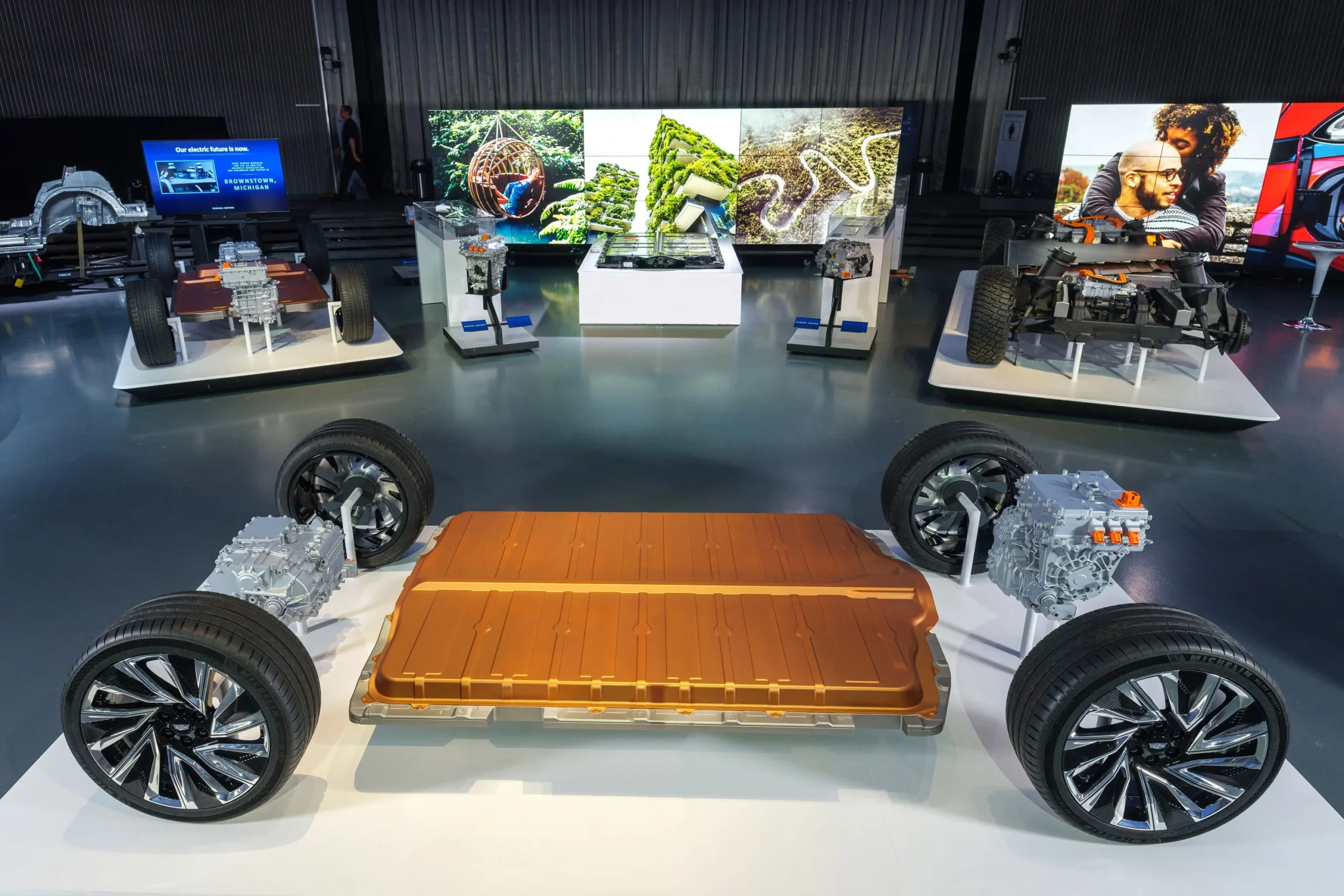
At the heart of the weight issue is the lithium-ion battery pack, typically designed as a massive, flat slab positioned beneath the vehicle floor. This component is by far the heaviest part of an EV. On average, an electric version of a car can weigh roughly 450 kg (nearly 1,000 lbs) more than its gas-powered equivalent.
For example, consider the BMW lineup: a BMW 530i weighs approximately 1,833 kg, whereas the BMW i5 eDrive40 climbs to 2,230 kg—a difference of nearly 400 kg. In all-wheel-drive versions, this gap can widen to almost 500 kg. The discrepancy is even more jarring in the luxury truck and SUV segment. The GMC Hummer EV exceeds 4,080 kg, and the Rivian R1T sits around 3,175 kg, dwarfing large gas SUVs like the Chevrolet Suburban, which typically stays under 2,720 kg.
The Science of Weight: Why Batteries Are Heavy
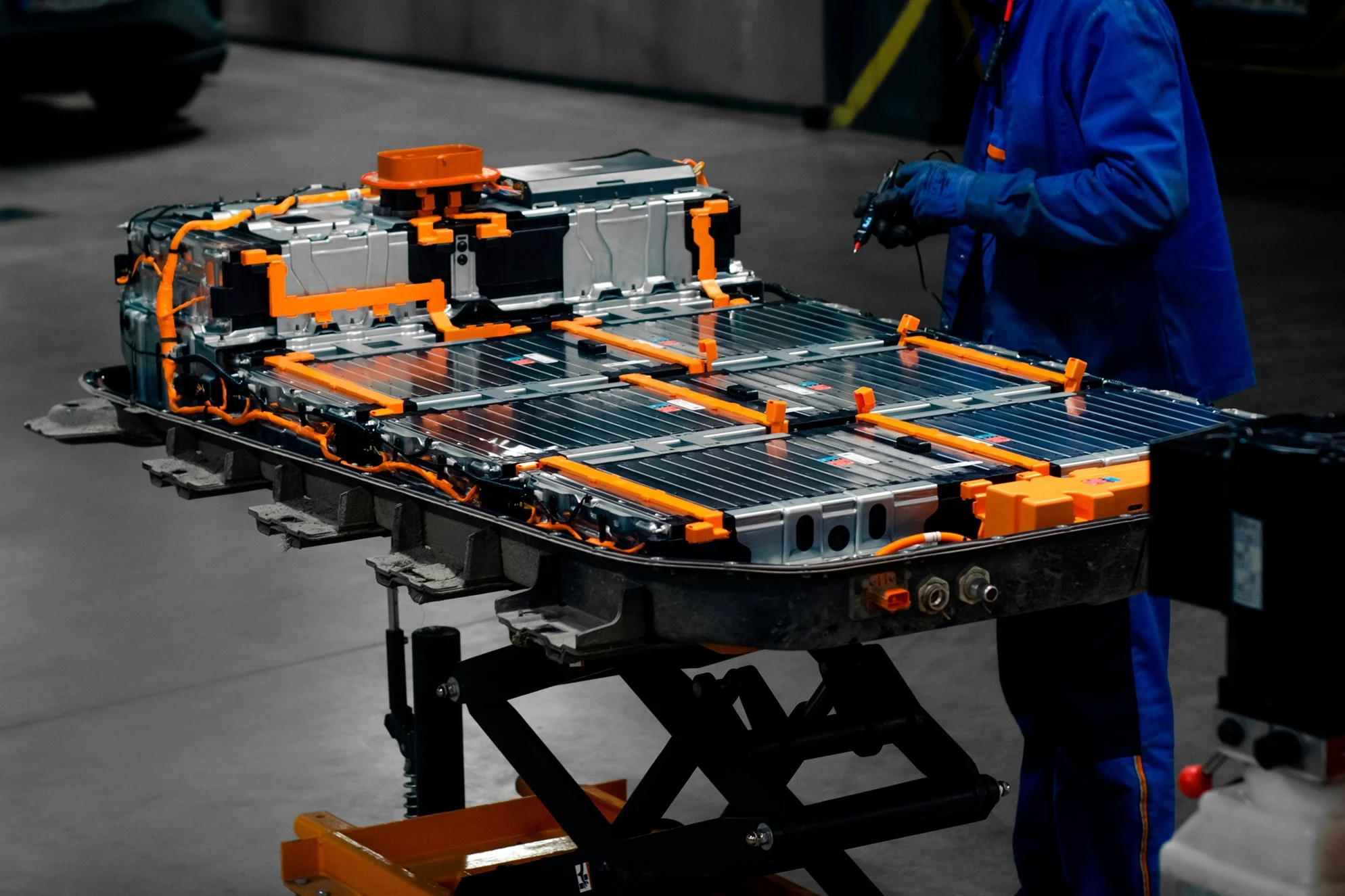
The weight isn’t just about size; it’s about chemistry. The materials used in high-capacity batteries—such as nickel, cobalt, and iron—have high intrinsic densities. To combat “range anxiety” and increase the distance a car can travel on a single charge, manufacturers are forced to pack in more materials, creating a challenging cycle: larger batteries enable longer trips, but they simultaneously make the vehicle heavier.
The Ripple Effect on Vehicle Architecture
The weight doesn’t stop at the battery cells. Because the battery is so heavy and critical, the rest of the car must be engineered to support it:
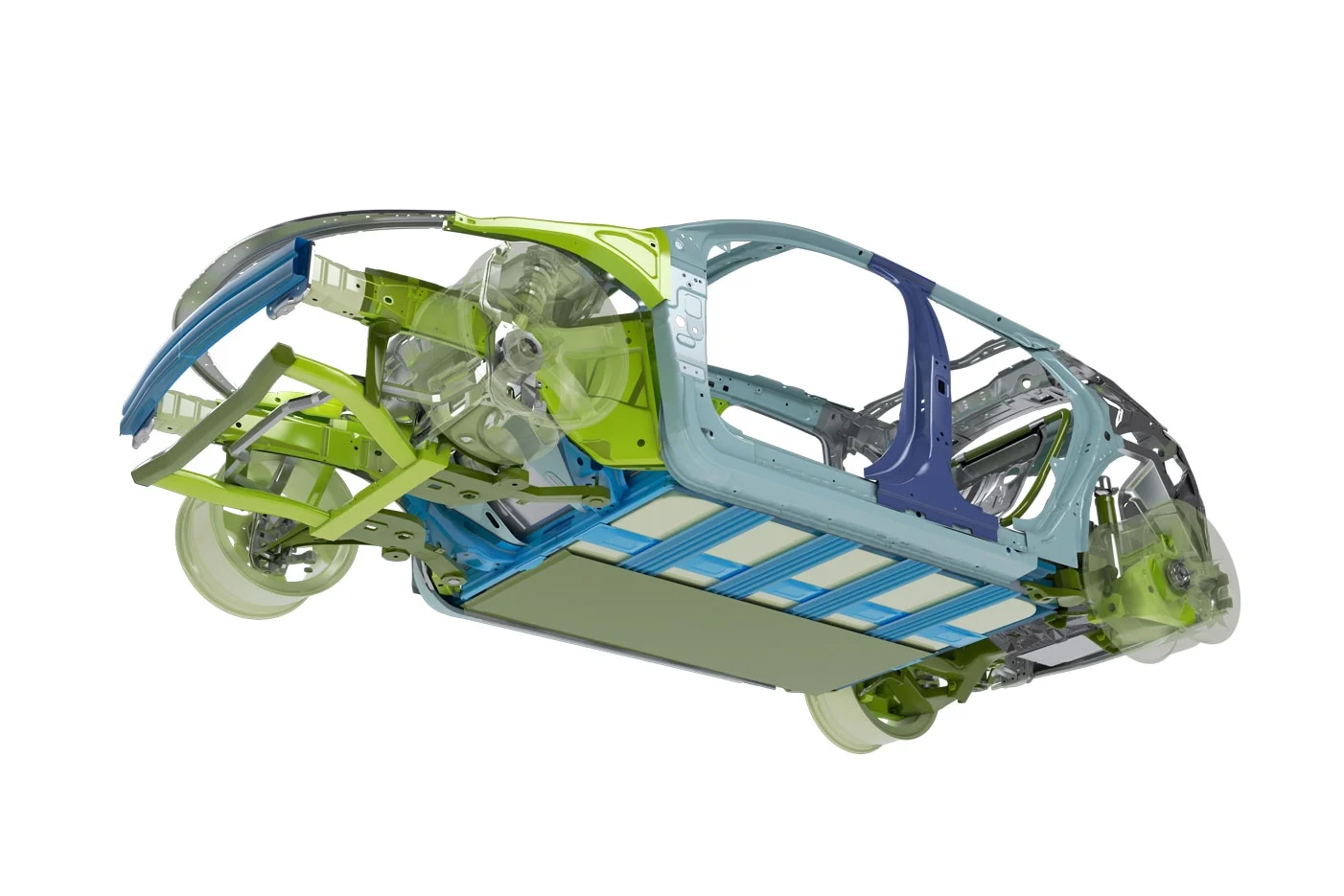
- Protective Housing: The battery requires a reinforced, high-strength shell to protect the cells from impact and punctures during accidents.
- Reinforced Chassis: The frame must be strengthened to handle the constant load of the battery without warping.
- Heavy-Duty Suspension: To maintain ride quality and safety, suspension systems must be beefed up to support the extra mass.
The Real-World Consequences of EV Mass
This added weight isn’t just a number—it changes how the vehicle interacts with the road and the environment.
1. Handling and Safety
While the low center of gravity provided by the floor-mounted battery makes EVs feel planted and stable, they can feel sluggish or “heavy” during agile maneuvers. More concerning is the impact on crash safety. Research from the U.S. National Bureau of Economic Research suggests that the baseline probability of fatality in a crash increases by up to 47% for every 454 kg (1,000 lbs) of additional vehicle weight. Essentially, the heavier the vehicle, the more kinetic energy is involved in a collision, increasing the danger for all parties involved.

2. Infrastructure Strain
Our cities weren’t all built for 4-ton passenger vehicles. Concerns are growing regarding the load-bearing capacity of aging infrastructure. A notable example occurred in 2023 with a parking garage collapse in Lower Manhattan, which reignited debates over whether older structures can safely support the rising tide of heavy EVs and oversized SUVs.
3. Accelerated Tire Wear
EV owners often notice their tires wearing out faster than those on gas cars. According to a 2024 study by J.D. Power, this is caused by a “double whammy”: the immense physical weight of the car pressing down on the rubber, combined with the instant, high torque delivered by electric motors.

A Lighter Future: Solid-State Batteries
Despite the current challenges, the industry is moving toward a solution. Solid-state batteries are hailed as the next big breakthrough. Unlike current liquid-electrolyte batteries, solid-state versions promise faster charging, enhanced safety, and significantly higher energy density.
Innovative companies like Donut Labs are already pushing boundaries, developing batteries with densities of 400 Wh/kg. In practical terms, this means a 100 kWh battery pack—which currently weighs a ton—could potentially be reduced to just 250 kg.
While current technology limits make EVs inherently heavier, the evolution of battery science suggests that the “heavyweight’ era of electric cars may only be a stepping stone toward a more efficient, lighter, and safer future of mobility.