
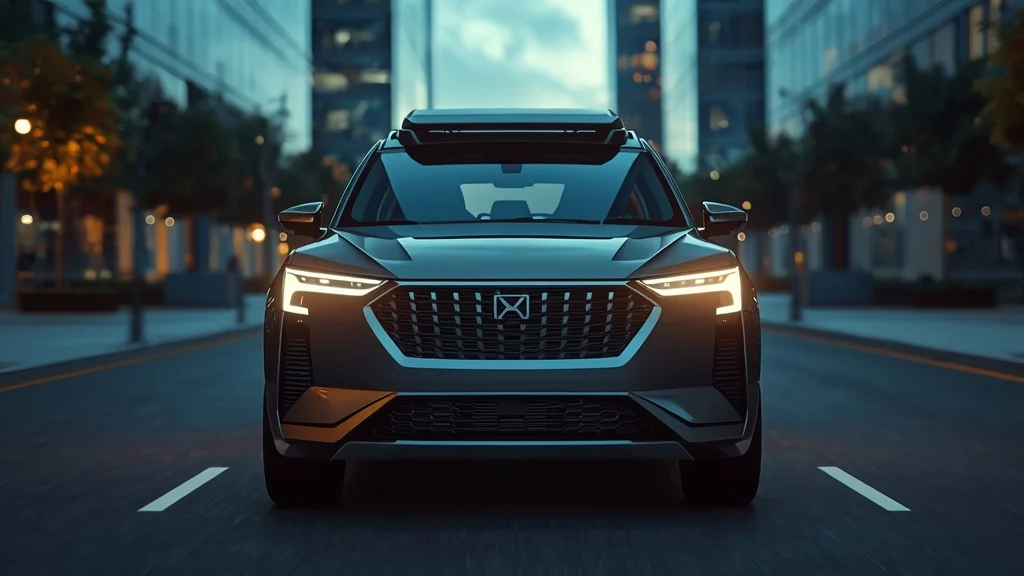
Xiaomi is expanding its EV lineup with the Kunlun, a massive EREV SUV designed for families. Explore the specs and strategy behind the YU9 here!
Xiaomi is wasting no time in dominating the New Energy Vehicle (NEV) market. After the massive success of its initial electric offerings, the tech giant has been spotted testing a brand-new model: the Xiaomi Kunlun. This massive crossover marks a strategic pivot for the company as it ventures into the world of Extended Range Electric Vehicles (EREVs).
What is the Xiaomi Kunlun?
Currently known by the internal codename “Kunlun,” this upcoming model is expected to hit the market under the name YU9, according to reports from CarNewsChina. Unlike Xiaomi’s previous battery-electric vehicles (BEVs), the Kunlun is an EREV—a hybrid system that uses a small internal combustion engine to charge the battery on the go, effectively eliminating range anxiety for long-distance travelers.
Design and Dimensions: A True Family Behemoth
The Kunlun is designed as a full-size SUV with a spacious three-row cabin, targeting the luxury family segment. While official dimensions haven’t been released, industry insiders estimate the vehicle’s length to be around 5,200 mm, placing it firmly in the category of large-scale SUVs.
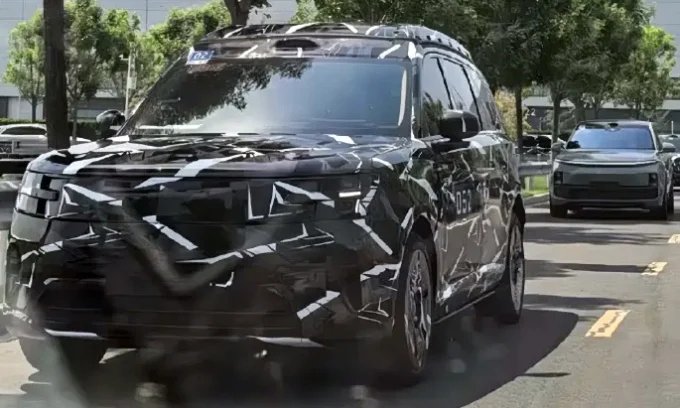
Early sightings of the camouflaged prototype reveal several high-end design cues:
- Bold Front Fascia: Square headlights paired with a trapezoidal air intake and strategic side vents.
- Tech-Forward Features: A roof-mounted LiDAR sensor for advanced autonomous driving capabilities.
- Premium Touches: A high hood line, automatic retractable side steps, and semi-hidden door handles.
- Aggressive Stance: Large multi-spoke alloy wheels complemented by wide, muscular wheel arches.
Performance and Range Expectations
To compete in the premium EREV space, Xiaomi is reportedly equipping the Kunlun with a battery pack exceeding 70 kWh. This would allow the SUV to achieve a pure electric range of over 400 km, making it highly efficient for daily city commutes while remaining capable of cross-country trips.
Benchmarking Against the Best
In recent tests, the Kunlun was spotted running alongside the Li L9. In the Chinese market, the Li L9 is widely considered the gold standard for EREVs. By testing alongside its strongest competitor, Xiaomi is likely fine-tuning the Kunlun’s efficiency and driving dynamics to ensure it can disrupt the segment upon launch.
Xiaomi’s Strategic Pivot to EREV
Xiaomi’s expansion into EREVs is a calculated move. While pure electrics are the future, many consumers still hesitate due to charging infrastructure gaps. By offering an EREV, Xiaomi can attract family-oriented buyers who want the smoothness of an EV without the fear of running out of power.
This shift is supported by recent patent filings for fuel-level display systems, signaling that Xiaomi is diversifying its powertrain technology beyond BEVs to maximize market reach.
A Rapidly Growing Lineup
The Kunlun is part of a blistering product rollout. Xiaomi currently offers:
- SU7: The sleek electric sedan.
- SU7 Ultra: The high-performance track beast.
- YU7: The successful electric crossover.
The company’s momentum is undeniable, with over 110,000 vehicles sold between January and April. Furthermore, the high-performance YU7 GT, boasting a staggering 990 horsepower, is expected to launch this month.
Looking Ahead: The Road to 2026
Xiaomi has set an ambitious goal to deliver 550,000 vehicles by 2026. The introduction of EREV models like the Kunlun is the key to hitting this target. By diversifying its portfolio, Xiaomi not only expands its customer base but also optimizes profit margins as government subsidies for pure BEVs in China begin to tighten.
With its blend of consumer electronics expertise and aggressive automotive engineering, Xiaomi is quickly evolving from a smartphone maker into a global powerhouse in the mobility sector.