
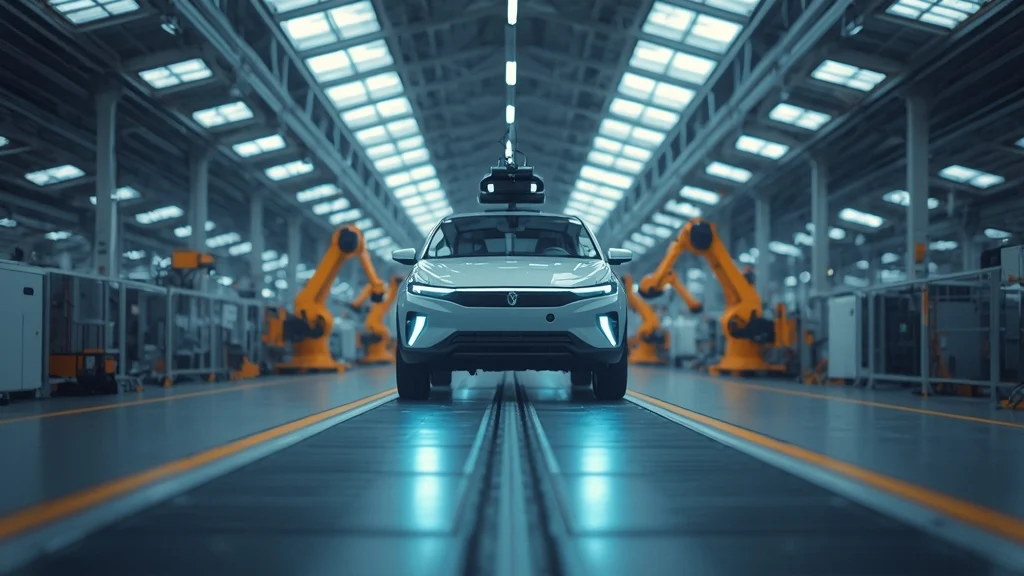
Chinese EV maker Xpeng has begun mass‑producing its first robotaxi in Guangzhou, targeting a 2027 service launch. Learn how this shapes the future of autonomous transport.
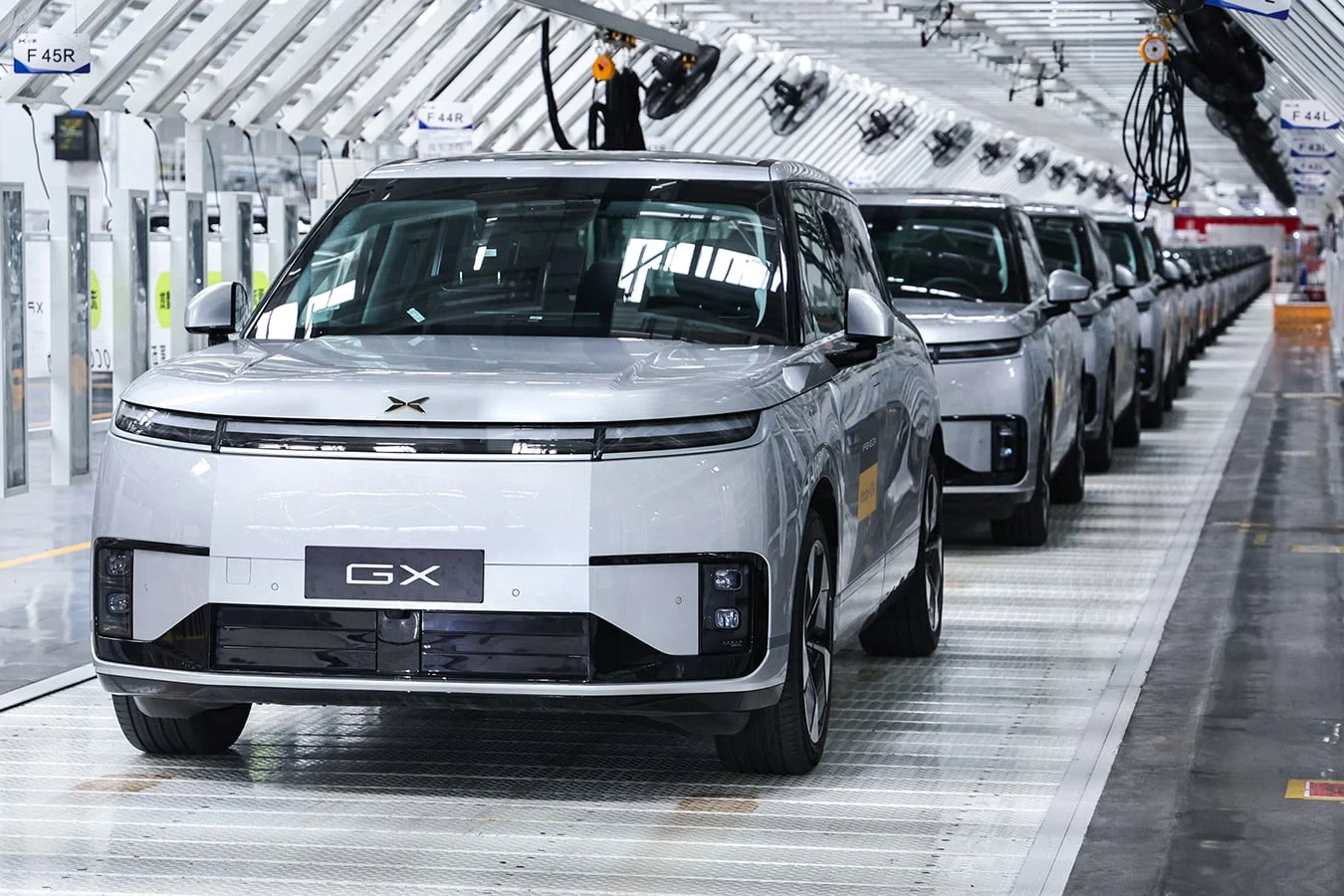
Chinese electric‑vehicle pioneer Xpeng announced today that it has started mass production of its first robotaxi at the company’s Guangzhou facility. The move is a key milestone in Xpeng’s roadmap to launch a commercial robotaxi service by early 2027.
Why the Robotaxi Matters
Robotaxis represent the next frontier for autonomous mobility, promising to reshape urban transport by offering on‑demand, driver‑less rides. Xpeng’s entry into this space puts it in direct competition with industry heavyweight Tesla, which is also accelerating its self‑driving ambitions worldwide.
Technology Built In‑House
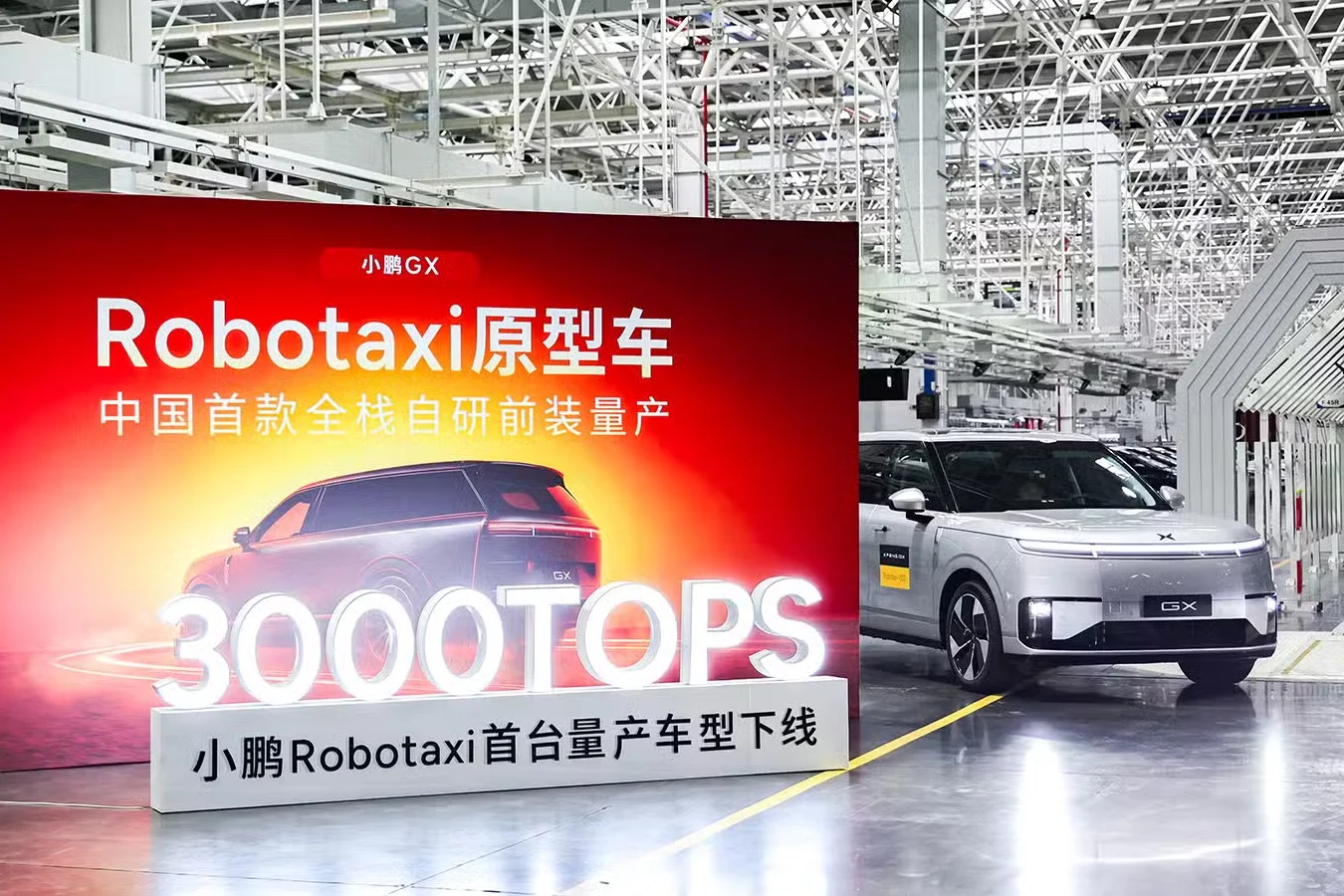
The new model is built on Xpeng’s proprietary GX platform, a fully integrated hardware‑software stack developed internally. According to the company’s press release, the robotaxi is “ready for production, fully assembled and powered entirely by Xpeng’s own technology,” marking the first such vehicle to be produced at scale in China.
Production Capacity and Timeline
Chairman Brian Gu told reporters that the factory can churn out anywhere from a few hundred to several thousand units within the next 12‑18 months. Xpeng plans to roll out pilot programmes in the second half of this year, allowing the company to validate real‑world performance before a broader rollout.
Beyond Ground Vehicles
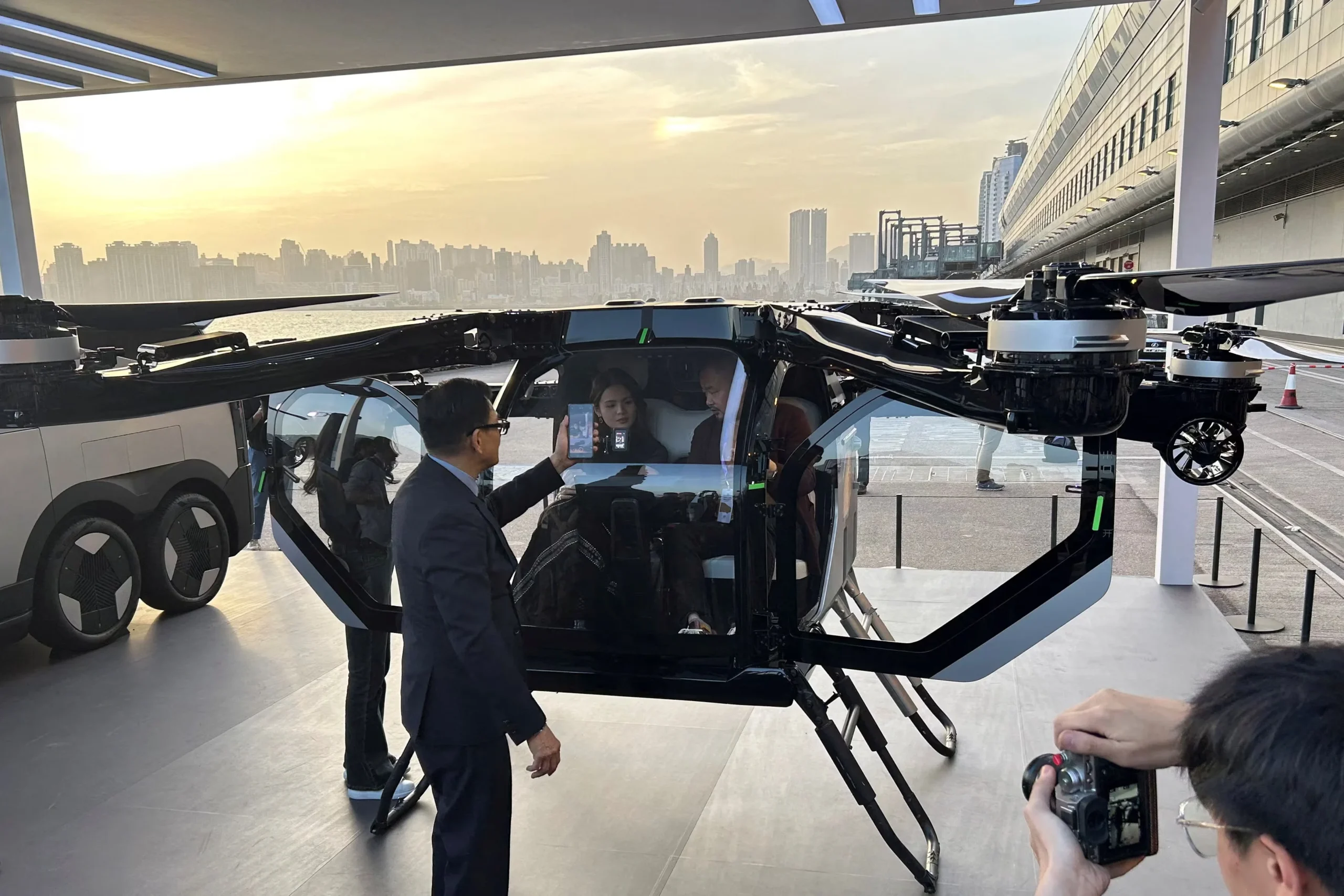
Robotaxi production is part of a broader Xpeng vision that also includes flying cars and humanoid robots. The company aims to deliver its first flying‑car prototypes by 2027, and it expects to begin limited production of its humanoid robot line in the fourth quarter of 2026. To date, Xpeng has secured more than 7,000 pre‑orders for the flying‑car, primarily from the Chinese market, and is working closely with aviation regulators to obtain the necessary certifications.
Implications for the Global EV Landscape
By advancing its autonomous‑driving capabilities, Xpeng is positioning itself as a technology leader not just in China—the world’s largest automotive market—but also on the global stage. The successful launch of a robotaxi service could accelerate adoption of driverless mobility solutions worldwide and intensify the competitive race among EV manufacturers.
Stay tuned as Xpeng moves from pilot testing to full commercial operation, potentially redefining how cities think about transportation.