
Chinese EV leader BYD is eyeing a second European plant, targeting Spain and existing facilities to dodge EU tariffs and boost local output. Learn more now.
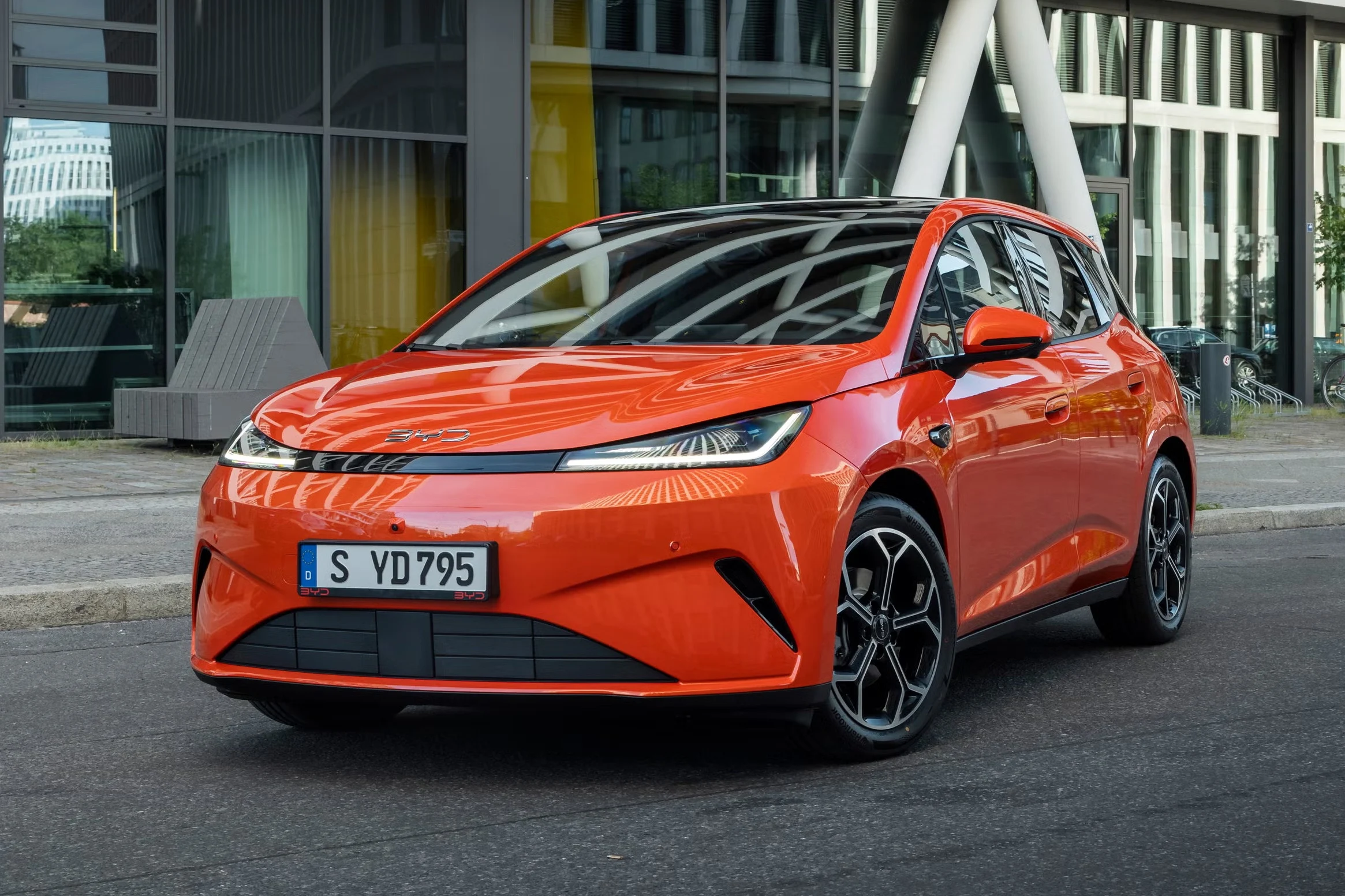
Chinese electric‑vehicle giant BYD is actively scouting for an existing manufacturing site in Southern Europe to serve as its second EV assembly hub on the continent. The move aims to sidestep looming EU import duties and cement the company’s fast‑growing presence in the European market.
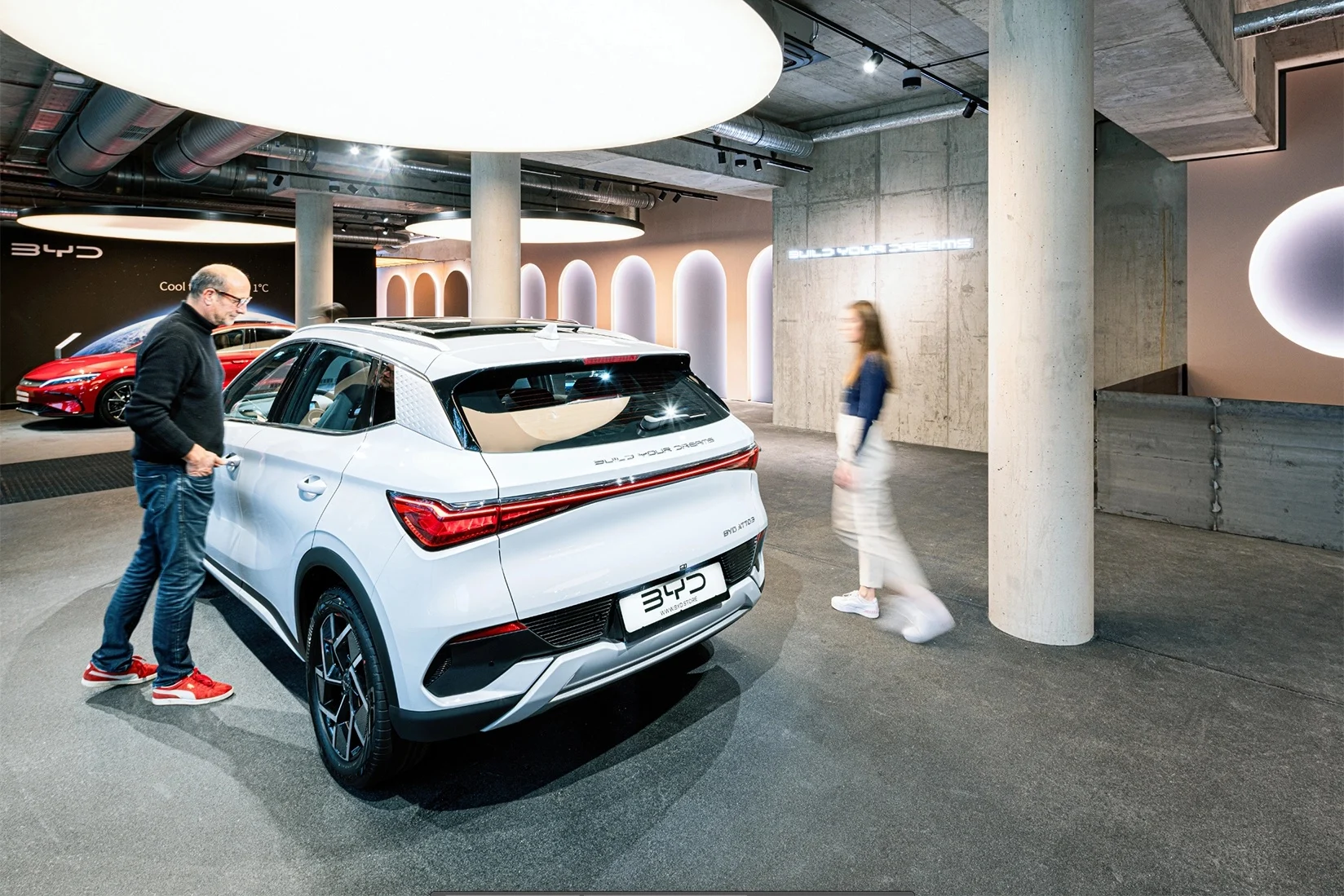
Rapid growth fuels the need for a new plant
Last year BYD’s European sales surged by 270 %, delivering almost 188,000 vehicles across the region. In the first five months of 2024, the brand has already passed the 100,000‑unit mark, more than doubling its 2023 volume. This explosive demand is outpacing the capacity of its first European facility in Hungary, which is now slated to start operations in Q4 2026 after a one‑year delay.

Where could the second plant be?
According to Stella Li, BYD’s executive vice‑president, Spain is high on the shortlist, although the company declined to reveal the full roster of candidate sites. The strategy focuses on acquiring a plant that is already running below capacity, allowing BYD to ramp up production quickly without the lead time required for a greenfield build.
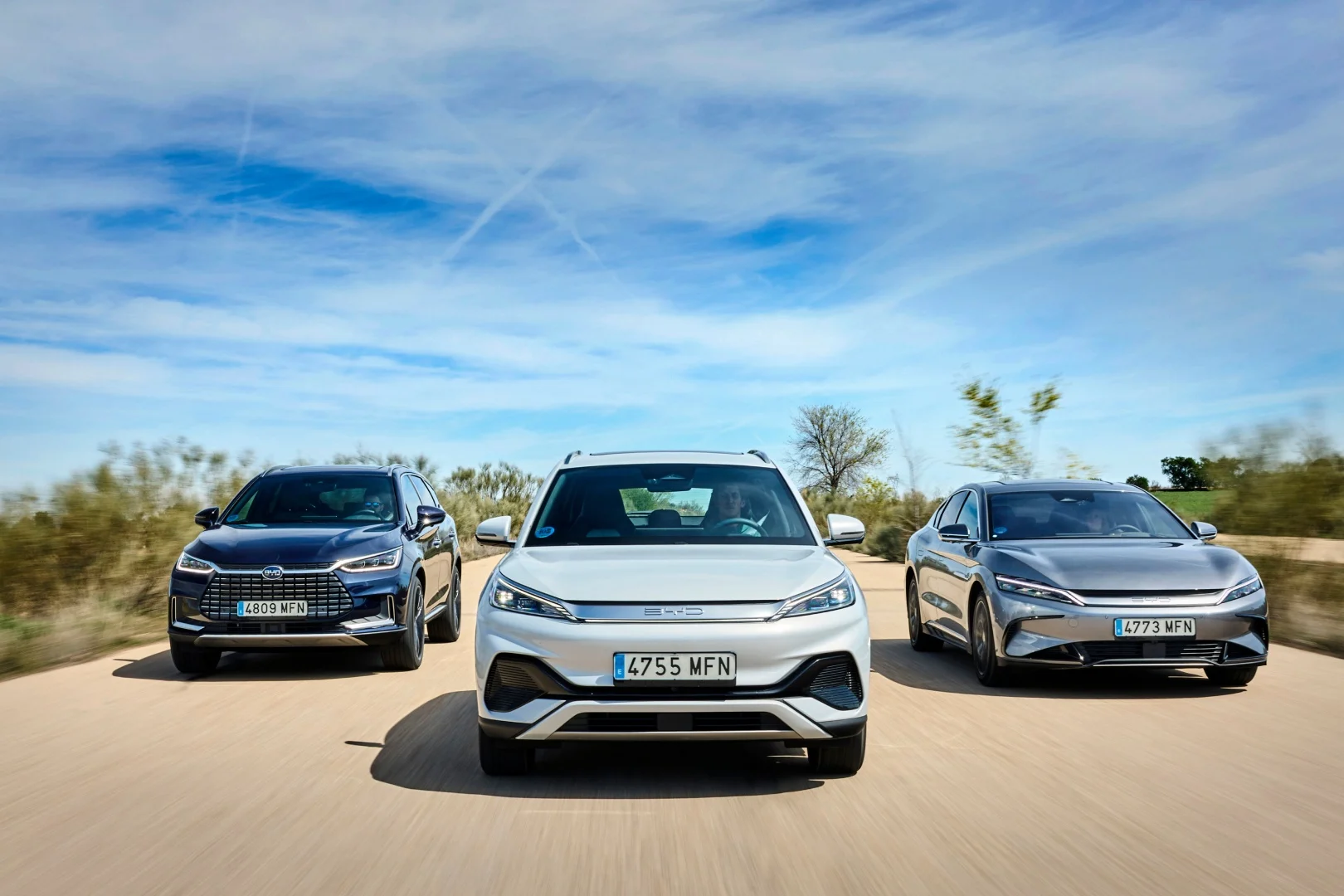
EU tariffs and “Made‑in‑Europe” rules
The European Union plans to impose additional duties on electric cars imported from China. By localising assembly, BYD can avoid these taxes and meet the EU’s forthcoming “Made‑in‑Europe” requirement, which mandates a minimum share of components to be sourced locally for vehicles sold on the bloc.
Collaboration trends in the auto sector
European manufacturers such as Stellantis have already expressed interest in offering idle capacity to Chinese brands like Leapmotor and Dongfeng. This cooperative model gives Chinese automakers a shortcut to market while helping European plants improve utilisation rates amid excess capacity in the West.
What’s next for BYD?
BYD’s senior Europe adviser, Alfredo Altavilla, says the hunt for a suitable existing facility will intensify as the “Made‑in‑Europe” regulations take effect. Securing a second plant would not only protect the brand from trade barriers but also reinforce its commitment to European jobs and supply‑chain localisation.
With its sales trajectory and strategic push for local production, BYD is poised to become one of the dominant EV players on the continent.