
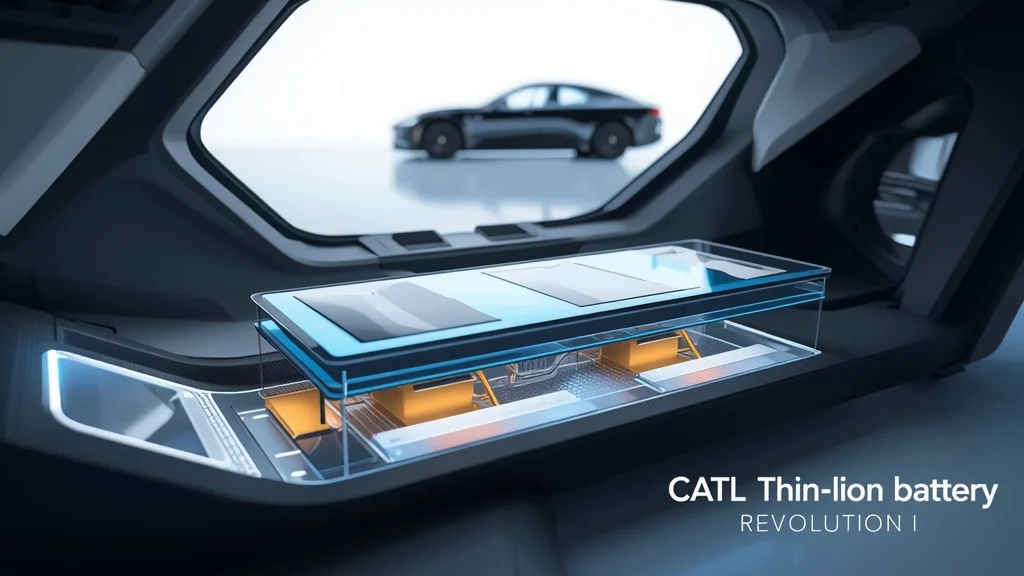
CATL’s new thin‑battery design cuts pack height, enabling low‑floor, high‑performance electric cars with better aerodynamics and safety. Learn more.
Chinese battery giant CATL has announced a new hardware architecture that makes lithium‑ion cells noticeably thinner. The breakthrough allows automakers to lower the floor of high‑performance electric vehicles (EVs), improving aerodynamics and handling.
Why Battery Thickness Matters
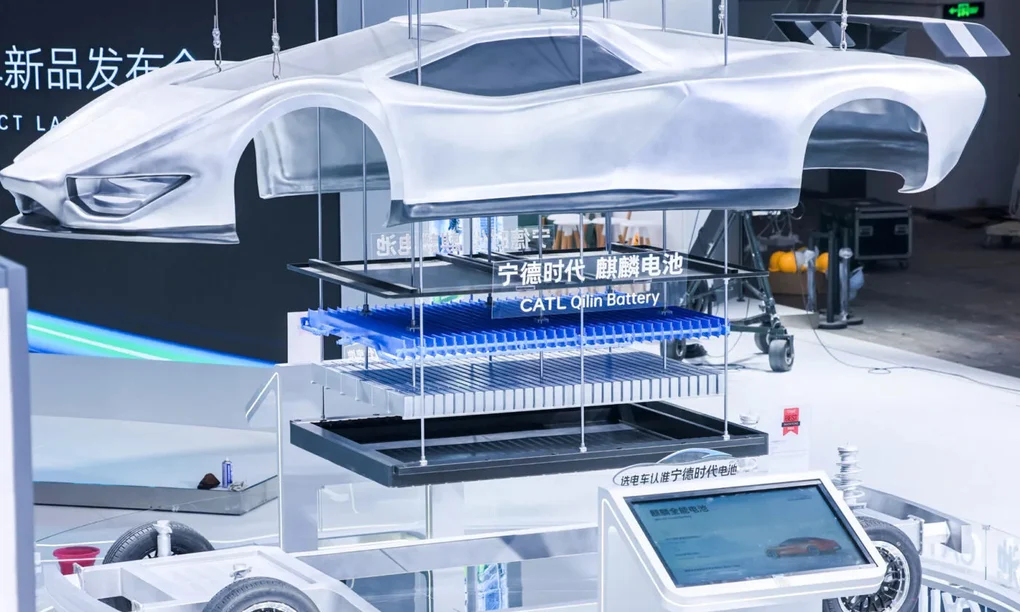
In performance EVs, the battery pack often sits under the cabin floor. A thick pack forces designers to raise the vehicle’s roofline or sacrifice rear‑seat space, limiting sleek, low‑center‑of‑gravity designs.
The New Thin‑Battery Architecture
CATL’s patented solution introduces a slim “dead‑space” layer directly beneath the cell’s top cover. This gap lets the internal electrodes fold neatly without touching the metal casing, reducing overall pack height.
The design also isolates the cells from external metal shells, preventing microscopic short circuits caused by road‑induced vibrations.
Impact on Vehicle Design
- Lower vehicle floor → lower centre of gravity → better handling.
- Reduced roof height → improved aerodynamic drag coefficient.
- More cabin space without compromising battery capacity.
Safety Enhancements
The thin‑battery structure acts as a mechanical shield, protecting the internal electrical network from multi‑directional impacts. This complements CATL’s broader safety strategy that focuses on robust hardware at the pack level, lowering the risk of thermal runaway.
Financial Muscle Behind the Innovation
CATL is backing the development with a massive R&D budget of 22.1 trillion yuan (about $3.3 billion) slated for 2025. Continuous funding enables the company to refine liquid‑cell designs while solid‑state technologies mature.
Strong financial results—quarterly net profit of 20.7 billion yuan ($3.1 billion) in Q1—show CATL can prioritize physical safety measures over software patches alone.
Market Performance and Share
According to China EV DataTracker, CATL installed 33.08 GWh of batteries in May, a 13.8 % month‑over‑month rise and 35.2 % year‑on‑year growth. The firm now commands 46.1 % of the domestic market, with lithium‑iron‑phosphate (LFP) cells leading the mix, followed by NMC chemistries.
Future Outlook
As automakers chase lower‑floor, high‑speed EVs, CATL’s thin‑battery technology could become a new industry standard, paving the way for sleeker designs and safer rides worldwide.