
Chery plans to debut its first all‑electric Kei car under the EMTA brand in Japan, targeting the fast‑growing small EV market. Learn more now!
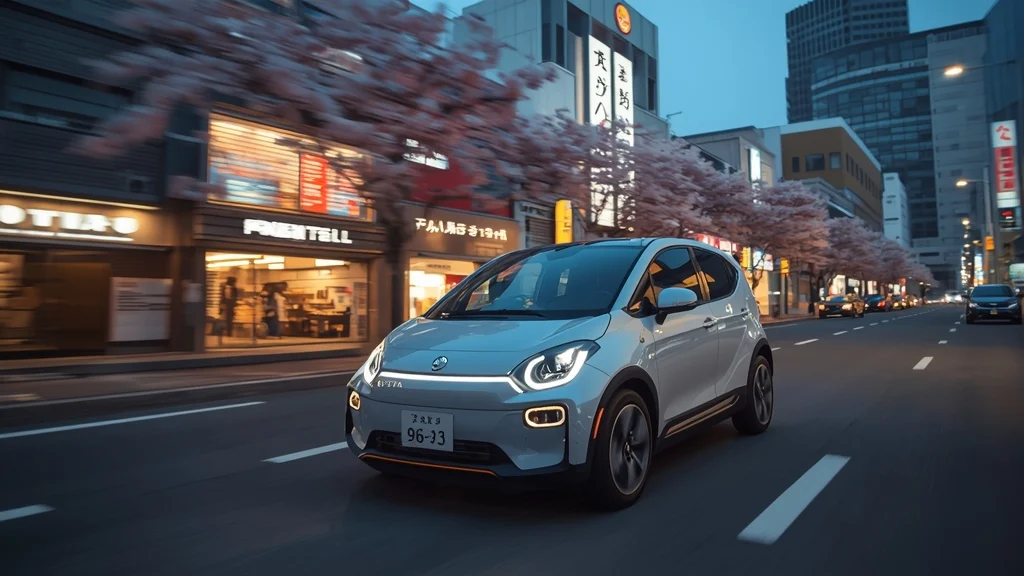
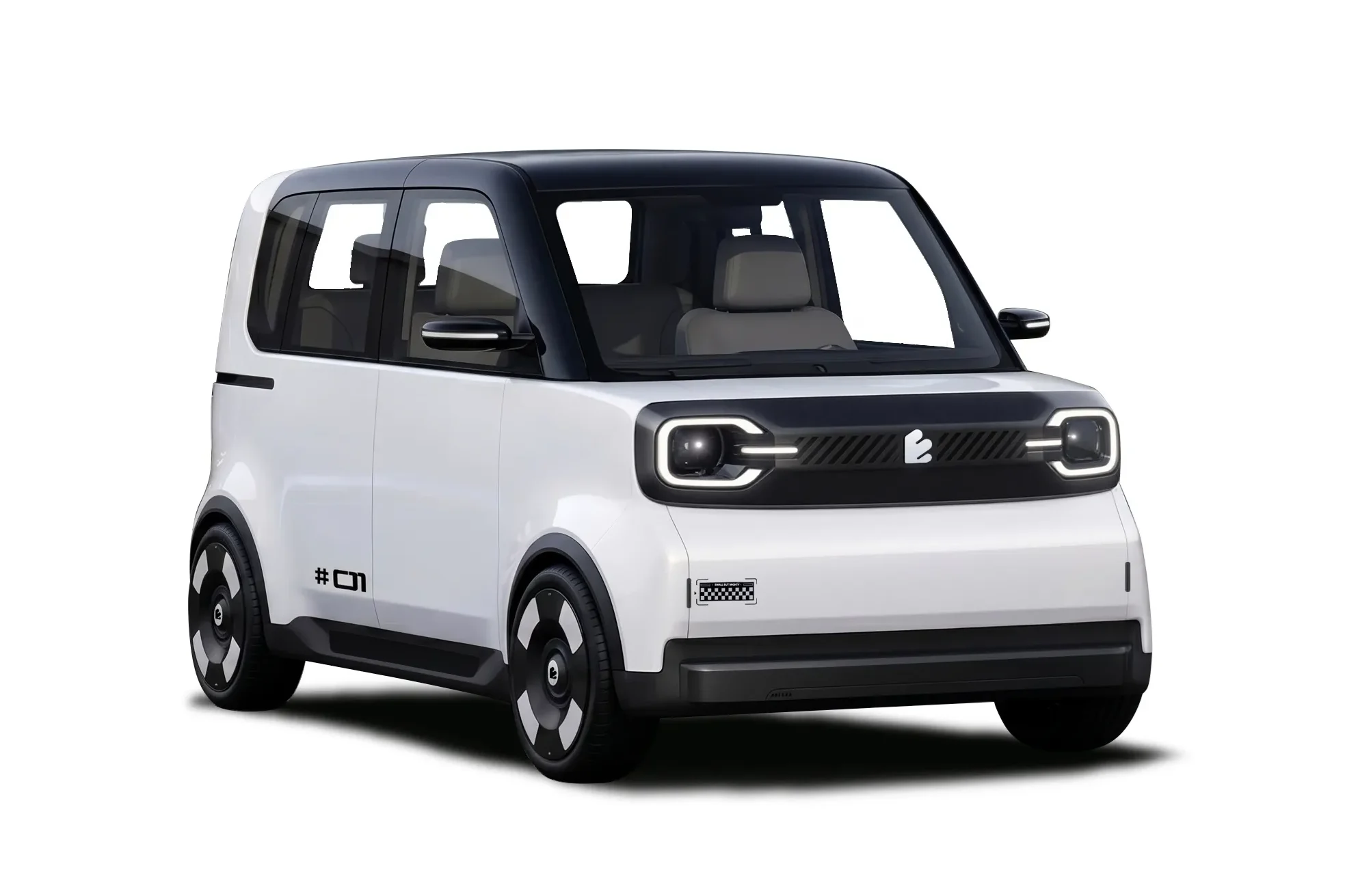
Chinese automaker Chery is gearing up to enter Japan’s burgeoning small‑electric‑vehicle segment with the launch of its first all‑electric Kei car. The vehicle will be marketed under the newly created EMTA brand and is slated for a debut early next year.
Joint venture powers the new brand
EMTA is a joint venture headquartered in Yokohama, Japan. It brings together Chery and four strategic partners: Jiangsu Yueda, battery specialist Gotion High‑Tech, Japanese auto‑parts retailer Autobacs Seven, and paint‑equipment maker Anest Iwata. The venture is structured as a Singapore‑registered subsidiary, allowing it to combine Chinese manufacturing expertise with Japanese market knowledge.
Development and production roadmap
The electric Kei car will be co‑developed in China and Japan, with the initial production run set up in China. Chery will supply its proprietary driver‑assist technologies and other electronic features, ensuring the model meets both safety standards and consumer expectations in Japan.
Pricing aimed at parity with gasoline rivals
According to EMT's Marketing Director Susumu Uchikoshi, the company intends to price the EV at a level comparable to gasoline‑powered Kei cars. For reference, Honda's best‑selling N‑Box is priced between ¥1.74 million and ¥2.48 million (approximately $10,900–$15,500). Matching this price point will be crucial for gaining traction among cost‑conscious Japanese buyers.
Distribution strategy
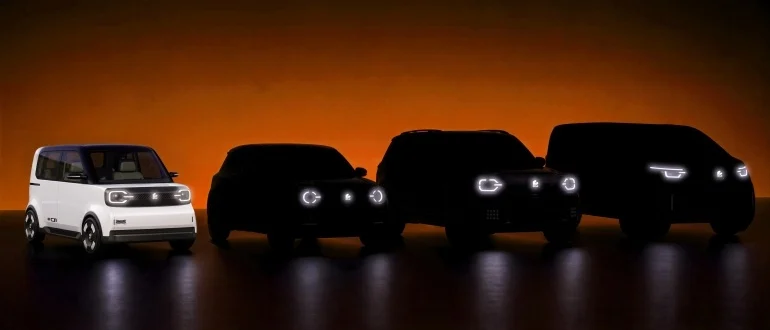
EMT will leverage Autobacs Seven's extensive dealer network, targeting roughly 100 sales and service locations at launch. The rollout will expand to several hundred outlets by the 2027 fiscal year, with a total of four EV models planned for the Japanese market before 2029.
Why the electric Kei car market matters
Kei cars—compact vehicles uniquely defined by Japanese regulations—have become a hot battleground for electric mobility. Their limited range suits short‑distance trips, making them ideal candidates for affordable EVs that can help accelerate Japan's overall electric‑vehicle adoption, which currently lingers at just 2% of new car sales.
Competitive landscape
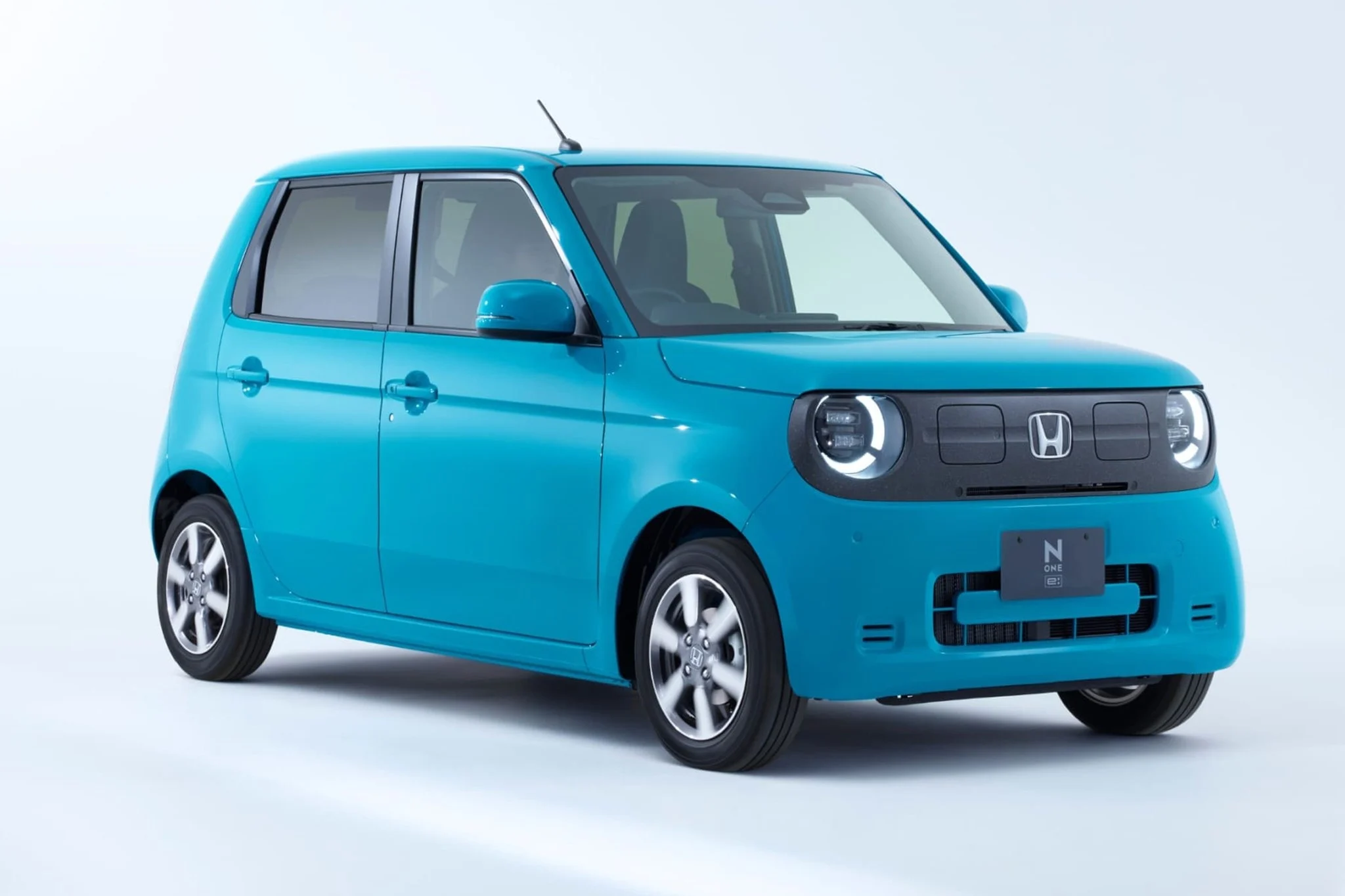
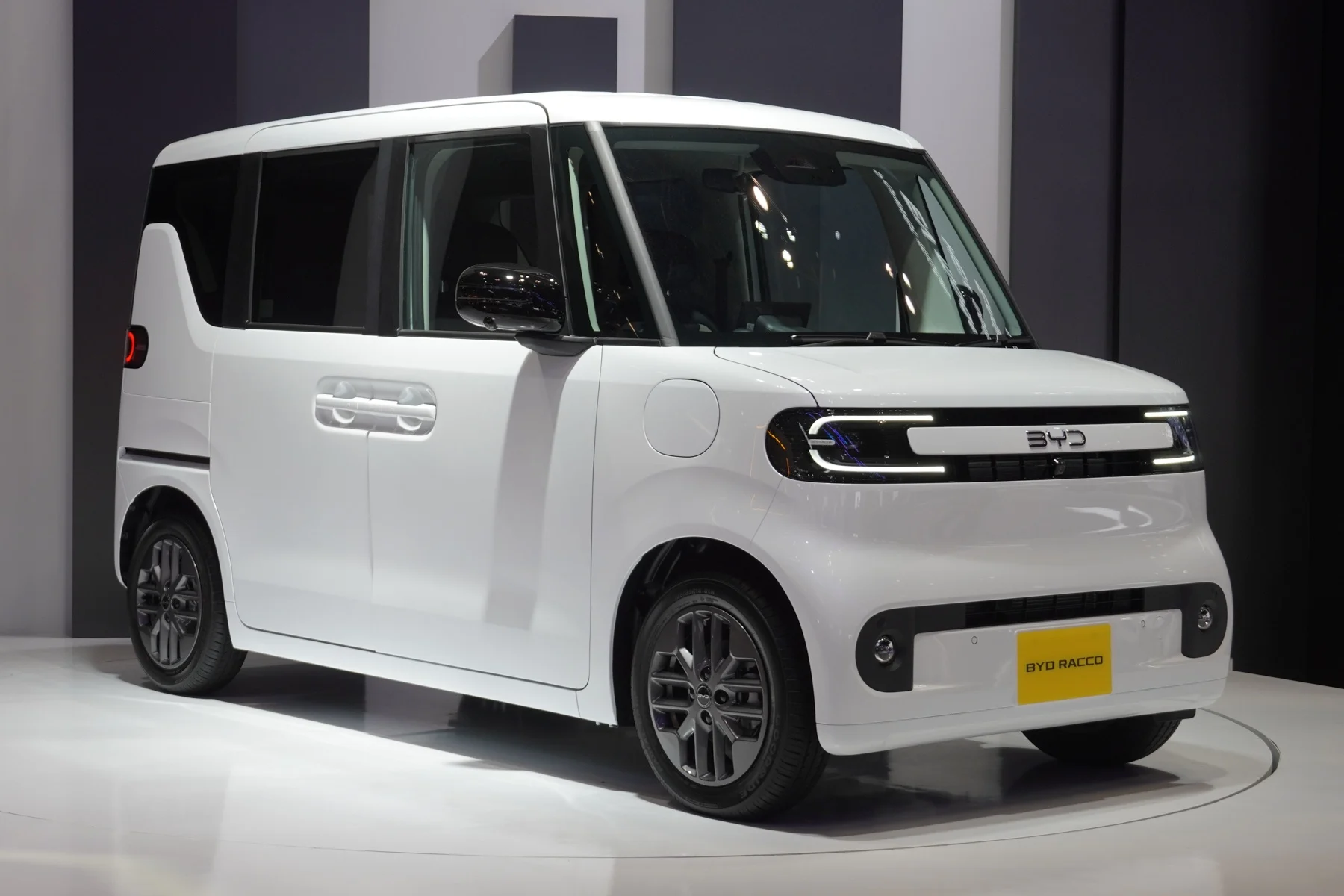
Honda recently introduced the N‑One e:, while BYD is set to roll out the Racco later this year. Suzuki also plans an all‑electric Kei model within the current fiscal year, and Honda aims to launch an electric version of the N‑Box by 2028. The influx of models underscores the rapid escalation of competition in this niche.
Expert outlook
Seiji Sugiura of Tokai Tokyo Intelligence Laboratory notes that electric Kei cars do not require the long driving ranges demanded of larger vehicles. “If priced sensibly, these cars have strong potential to become mainstream,” he says.
Beyond Japan
Chery is also eyeing international expansion, particularly in Europe, where a new “E‑car” classification inspired by the Kei concept is being drafted. Success in Japan could serve as a springboard for broader market penetration.
With a clear joint‑venture structure, competitive pricing, and a focused distribution plan, Chery’s EMTA brand aims to make a decisive splash in Japan’s electric Kei car arena.