
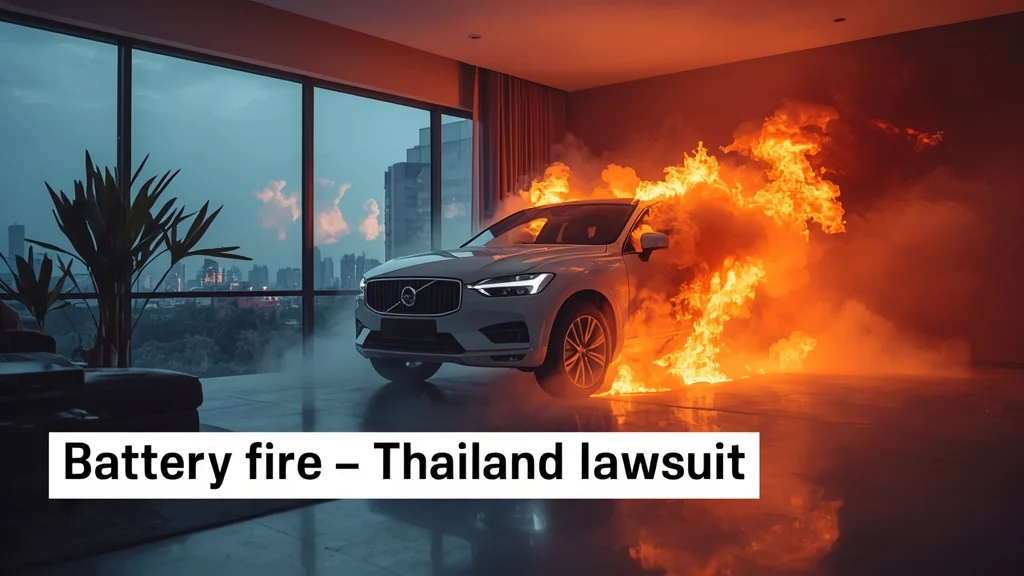
Two Volvo EX30 battery fires in Thailand raise the risk of a class-action lawsuit amid a global recall. Learn the latest updates and what owners can do now.
Volvo Cars is once again under fire – this time in Thailand – after two separate incidents involving the battery pack of its all‑electric SUV, the EX30. The incidents have intensified scrutiny of a worldwide recall that began earlier this year and have prompted the Thai Consumer Protection Board to consider a class‑action lawsuit against Volvo Cars Thailand and its local dealers.
What happened in Thailand?
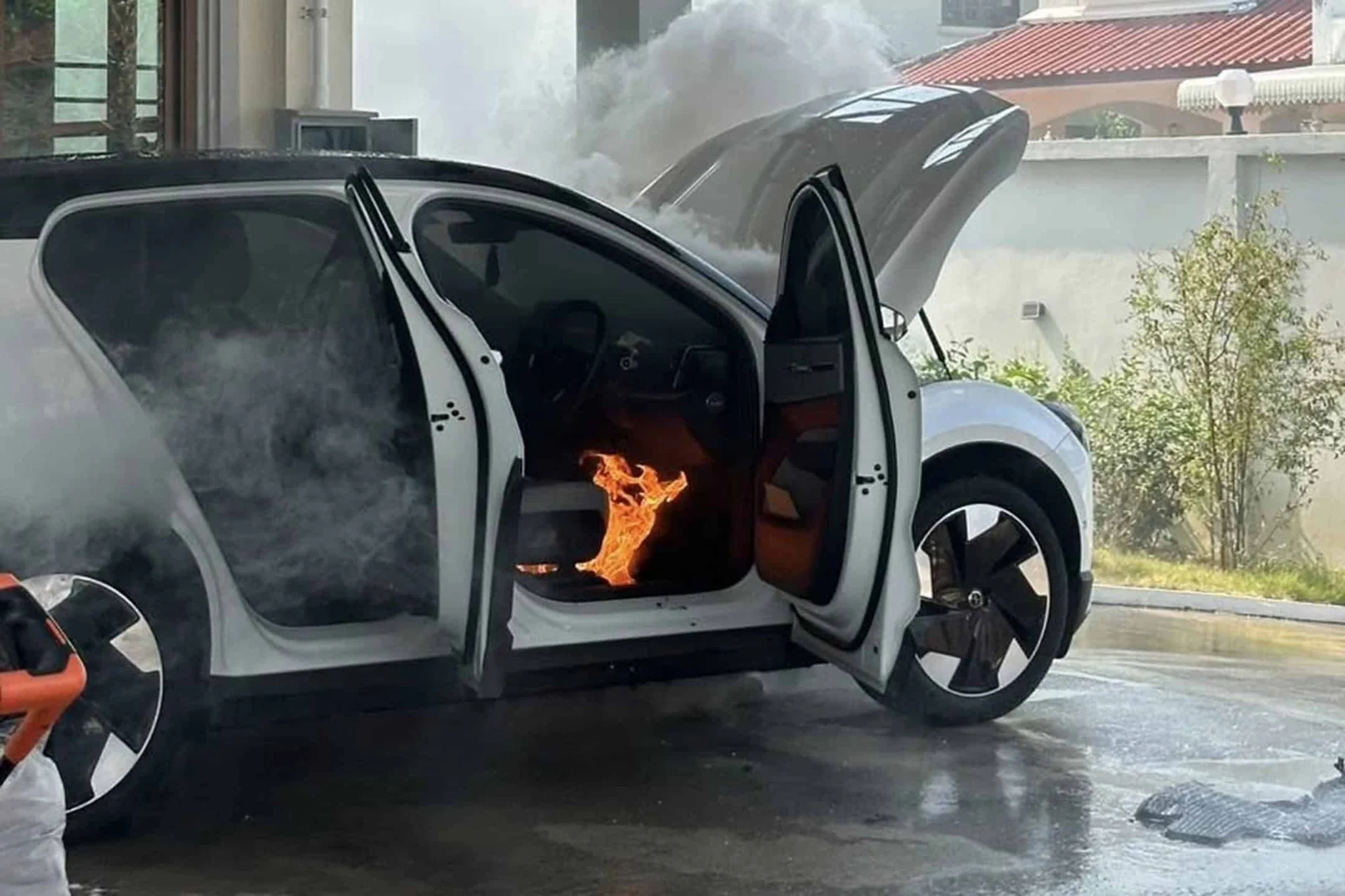
In May 2026, Thai authorities recorded two fires linked to the high‑voltage battery module of the EX30. Both events occurred while the vehicles were being charged at home. Although no injuries were reported, the fires reignited concerns that the same defect that triggered a global recall could still be present in the Thai market.
Global recall background
Back in February 2026, Volvo issued a recall for more than 40,000 EX30s worldwide, demanding a replacement of the battery module that could overheat and potentially ignite. The recall was originally slated for 40,323 units but was later reduced to 37,802 after a more detailed risk assessment.

Volvo warned owners in over a dozen countries – including Brazil, Australia, the United Kingdom, and Thailand – to limit charging to a maximum of 70 % of the battery’s capacity as a temporary safety measure. Thai regulators, however, argue that the 70 % cap does not go far enough to mitigate the risk.
Thai consumer authority’s response
The Thai Consumer Protection Board announced it would forward the complaints related to the fire risk to an internal committee for review. If the committee finds sufficient cause, the board could file a civil lawsuit against Volvo Cars Thailand and the brand’s authorized dealers.
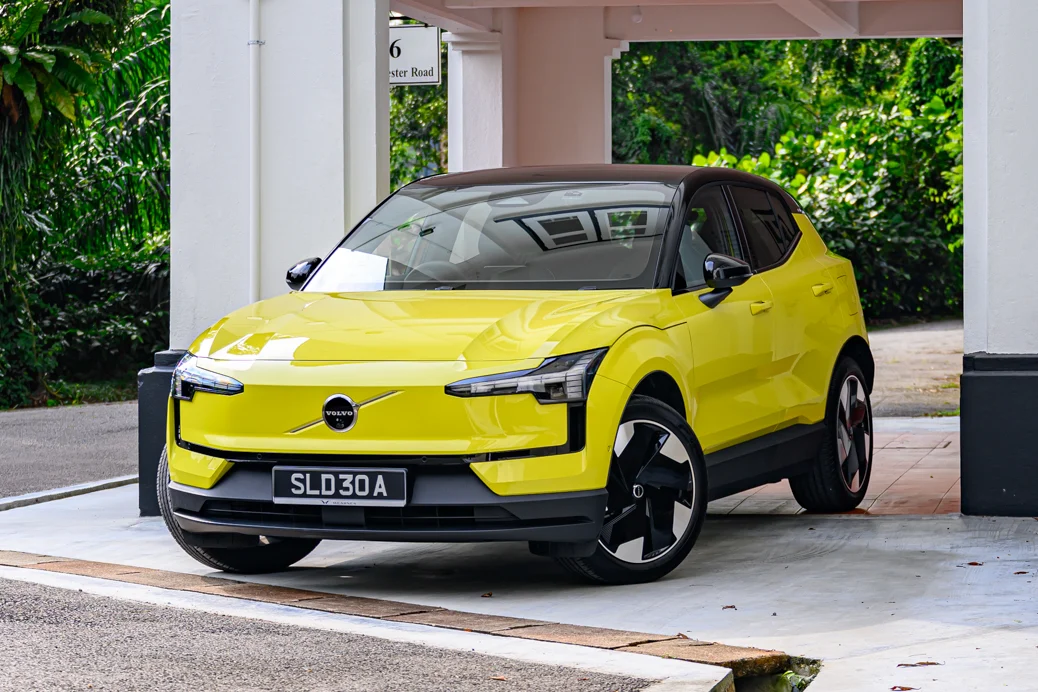
So far, the board has asked for full refunds plus interest for the 45 customers directly affected by the incidents. The focus of any potential lawsuit would be on compensation for damages rather than criminal liability.
Volvo’s current stance
Volvo has not yet released an official comment on the Thai developments. According to Patcharin Sumsiripong, Secretary of the Prime Minister’s Office in Thailand, Volvo is scheduled to meet with the consumer board on Thursday to discuss the matter.

Erik Severinson, Volvo’s Chief Commercial Officer, acknowledged that customers have legitimate reasons to be frustrated with the prolonged waiting times for replacement parts. “It’s completely understandable that many owners feel disappointed,” he said. “We now have a more stable supply of replacement battery modules and are working to accelerate repairs wherever possible.”
Repair timeline and market differences
Volvo Cars Thailand confirmed that repair work on the affected EX30s would begin on 23 May, with the company continuing to advise owners to keep charging limits low until the issue is fully resolved. However, repair schedules vary by region. For example, a New Zealand owner was told that a battery replacement may not start before the third quarter of 2026.
Owner reactions
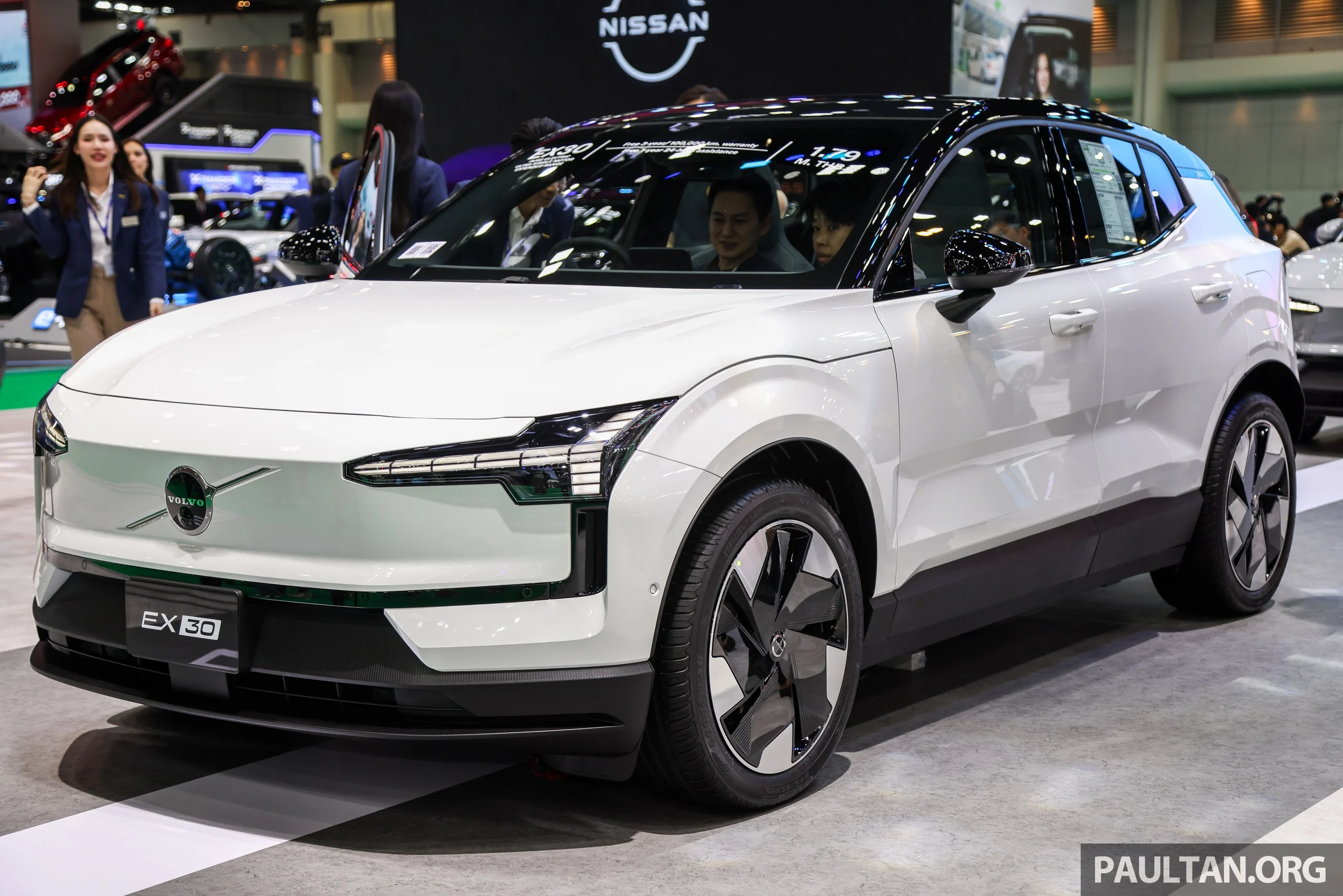
Jakkapong Tawarom, a 32‑year‑old EX30 owner, expressed his disappointment: “Volvo’s response and the way they handle the problem do not live up to the trust we placed in the brand.”
Implications for other markets
While the EX30 is the only pure‑electric model currently sold by Volvo in Vietnam, the company also offers several hybrid models there. In Vietnam, the brand’s only fully electric vehicle is the EC40, imported from Malaysia with a starting price of roughly VND 1.779 billion.
What’s next for Volvo?
Volvo’s handling of the Thai situation will likely influence consumer confidence worldwide, especially as electric‑vehicle safety remains a hot topic. The company must balance rapid component supply – which has been partially hampered by geopolitical tensions in the Middle East – with transparent communication to retain trust.
Owners of the EX30 are advised to continue following Volvo’s charging guidelines, stay in contact with their local dealers for repair updates, and monitor announcements from consumer protection agencies in their respective countries.