
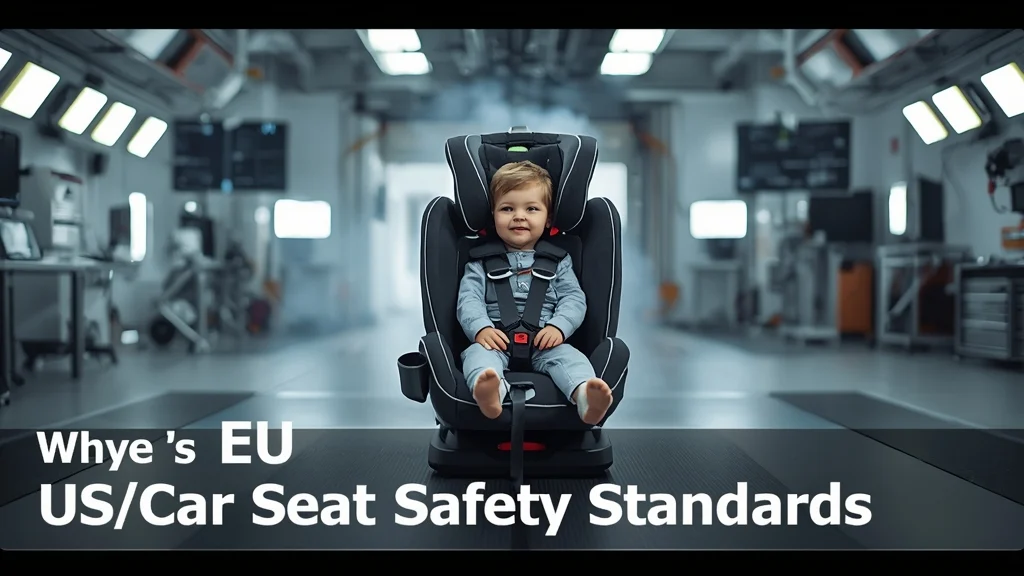
Learn how European ECE R44/04 and US FMVSS 213 crash tests ensure child car seats protect kids. Discover the key features and choose the safest seat today!
When it comes to traveling with little passengers, parents rely on rigorous safety standards to keep kids protected. In the United States and Europe, child car seats must pass a battery of crash‑test simulations and durability checks before they earn the right to be sold. Understanding what those tests entail helps you choose a seat that truly safeguards your child.
European Standard ECE R44/04
ECE R44/04, issued by the Economic Commission for Europe, has been the benchmark for child‑seat safety across the continent since 2006. To earn certification, a seat undergoes four core dynamic tests using anthropomorphic test dummies that mimic a child’s vulnerable body parts.
- Frontal impact: Simulated 50 km/h (31 mph) head‑on collision.
- Rear impact: Simulated 30 km/h (19 mph) rear‑end crash.
- Rollover protection: Tests that safeguard the infant’s head and neck.
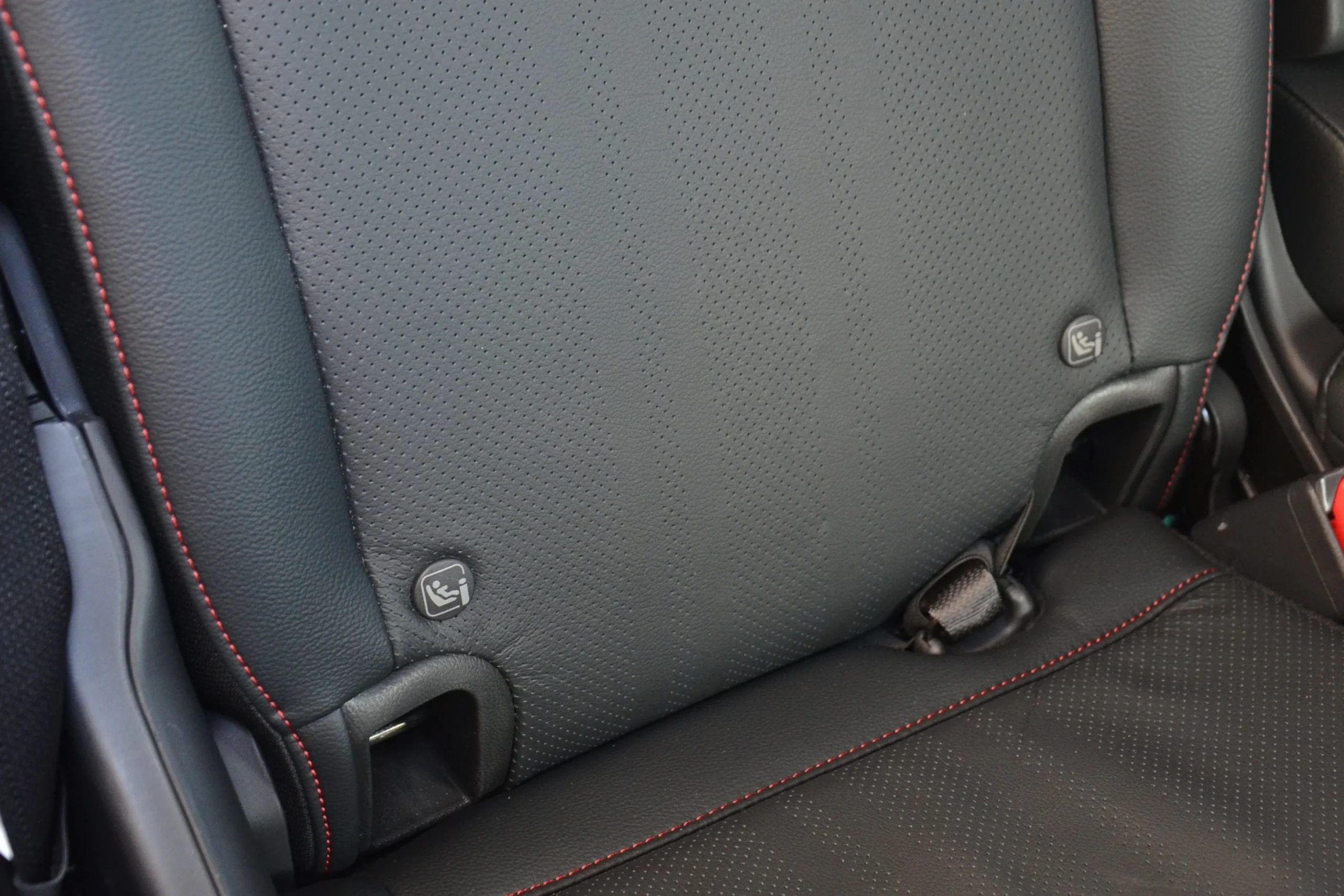
- Latch durability: The ISOFIX‑type connectors are cycled 5,000 times to prove they won’t slip during an accident.
Seats are grouped into five categories based on a child’s weight, ranging from simple booster cushions (22‑36 kg) to rear‑facing infant carriers. The core structure typically combines Expanded Polypropylene (EPP) – an ultra‑absorbing material – with high‑density polyurethane foam for added rebound resilience.
U.S. Standard FMVSS 213
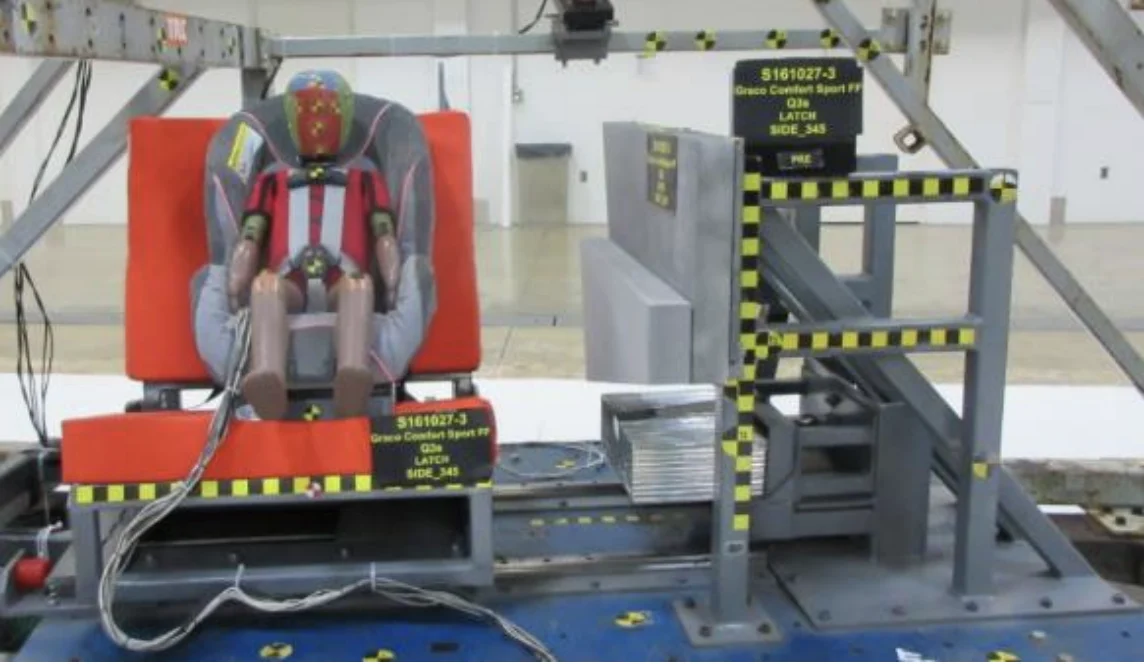
The Federal Motor Vehicle Safety Standard 213 governs child‑seat performance in the United States. Its primary test is a sled impact at roughly 48 km/h (30 mph) that reproduces a severe frontal collision.
- Rear‑facing seats: The test limits the angle of rotation during impact to protect an infant’s neck and spine.
- Forward‑facing seats: Evaluations focus on four criteria:
- Head Injury Criterion (HIC) – measuring potential brain trauma.
- Chest acceleration – ensuring the harness does not crush the rib cage.
- Head‑travel distance – the maximum forward movement of the head.
- Shoulder‑belt load – confirming the belt does not create clavicle injuries.
- Structural integrity: Seats must remain intact; the dummy cannot be ejected or the shell should not crack.
Materials used in U.S.‑approved seats must meet strict flame‑retardant standards, and the harness release mechanism is engineered so a child cannot unlock it on their own, yet adults can free the child quickly after a crash.
Key Features Required by Both Standards
- Built‑in ISOFIX/LATCH anchors with a protective ISOFIX cover.
- Adjustable support legs that limit seat rotation and reduce rollover risk.
- Energy‑absorbing EPP core plus high‑density PU foam for optimal shock attenuation.
- Flame‑retardant upholstery and padding.
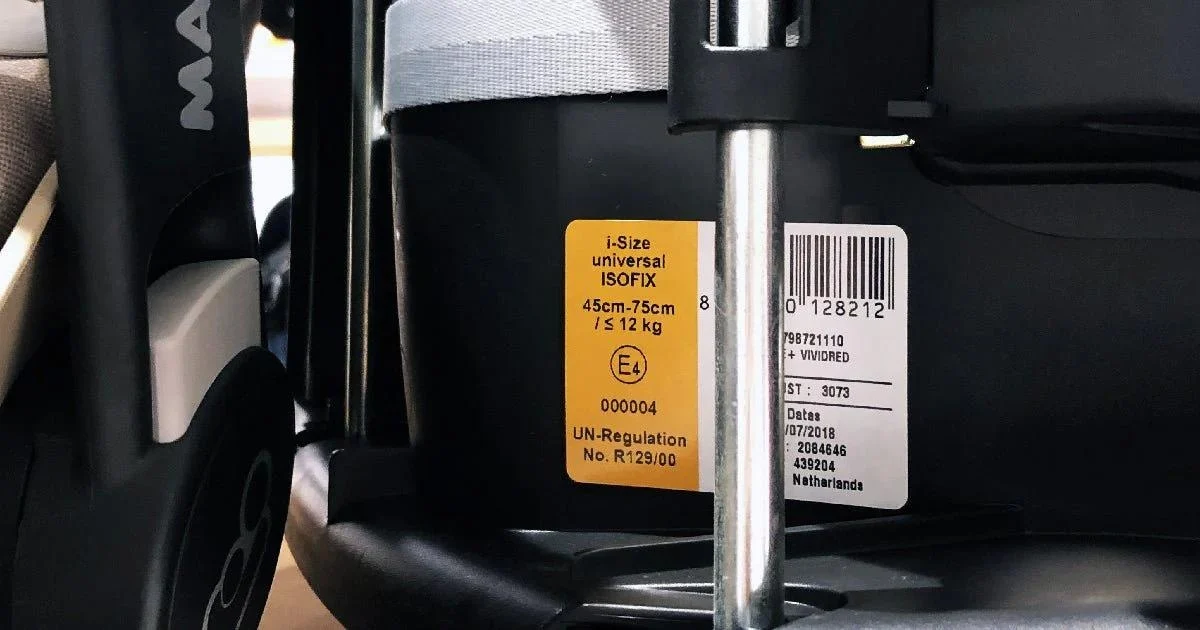
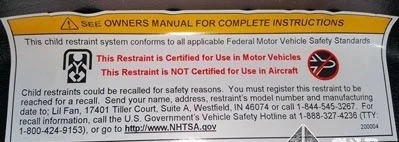
- Clear, permanent labeling that includes certification numbers, weight limits, installation instructions, and manufacturer details.
- Air‑bag warning labels on forward‑facing seats that are installed behind an active airbag.
Choosing the Right Seat for Your Child
Start by matching the seat’s weight‑group rating to your child’s current size. For infants, a rear‑facing carrier that meets both ECE R44/04 and FMVSS 213 offers the highest level of protection. As children grow, transition to a forward‑facing seat with a top tether, then to a booster that works with the vehicle’s three‑point belt.
Check that the seat’s ISOFIX/LATCH connectors line up with the vehicle’s fixed anchorage points, and verify that the latch has passed the 5,000‑cycle durability test. Finally, look for the official certification label – it’s your guarantee that the seat has survived the rigorous European and American crash‑test regimes.
By understanding what these standards demand, you can make an informed purchase that keeps your little one safe on every road.