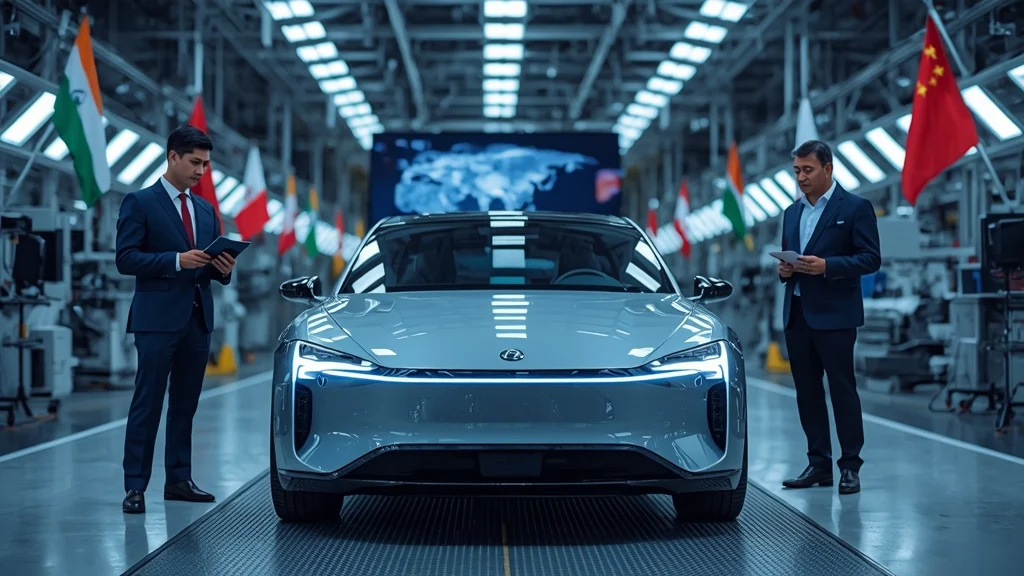
Explore how China’s electric vehicle technology is quietly powering India’s auto boom through licensing deals and partnerships. Learn more now!
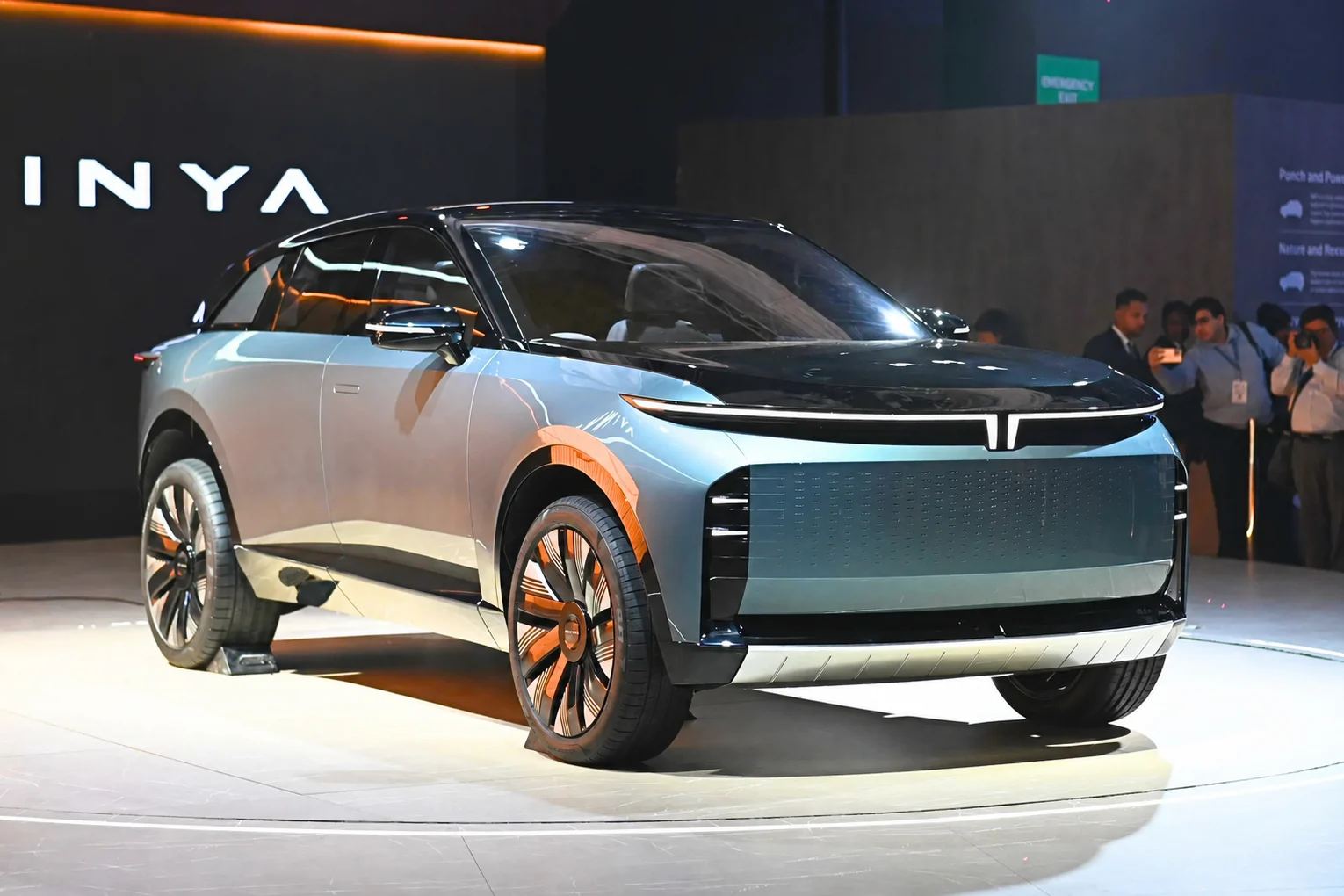
Even though Chinese automakers have faced near‑total bans in India since the 2020 border clash, Chinese battery‑electric‑vehicle (BEV) technology is still making inroads. Rather than direct investment, firms are entering the world’s third‑largest car market through licensing agreements and supply‑chain collaborations.
Background: Tightening Restrictions
New Delhi tightened controls on Chinese businesses after the 2020 skirmish that resulted in casualties on both sides. Investment rules and technology‑transfer approvals have become stricter, keeping Chinese car makers at arm’s length.
Strategic Partnerships Drive Tech Transfer
Instead of pulling back, the Indian and Chinese auto sectors are weaving a growing web of indirect cooperation. These arrangements let Indian manufacturers tap cutting‑edge EV platforms without breaching political sensitivities.
Tata Motors and Chery Deal
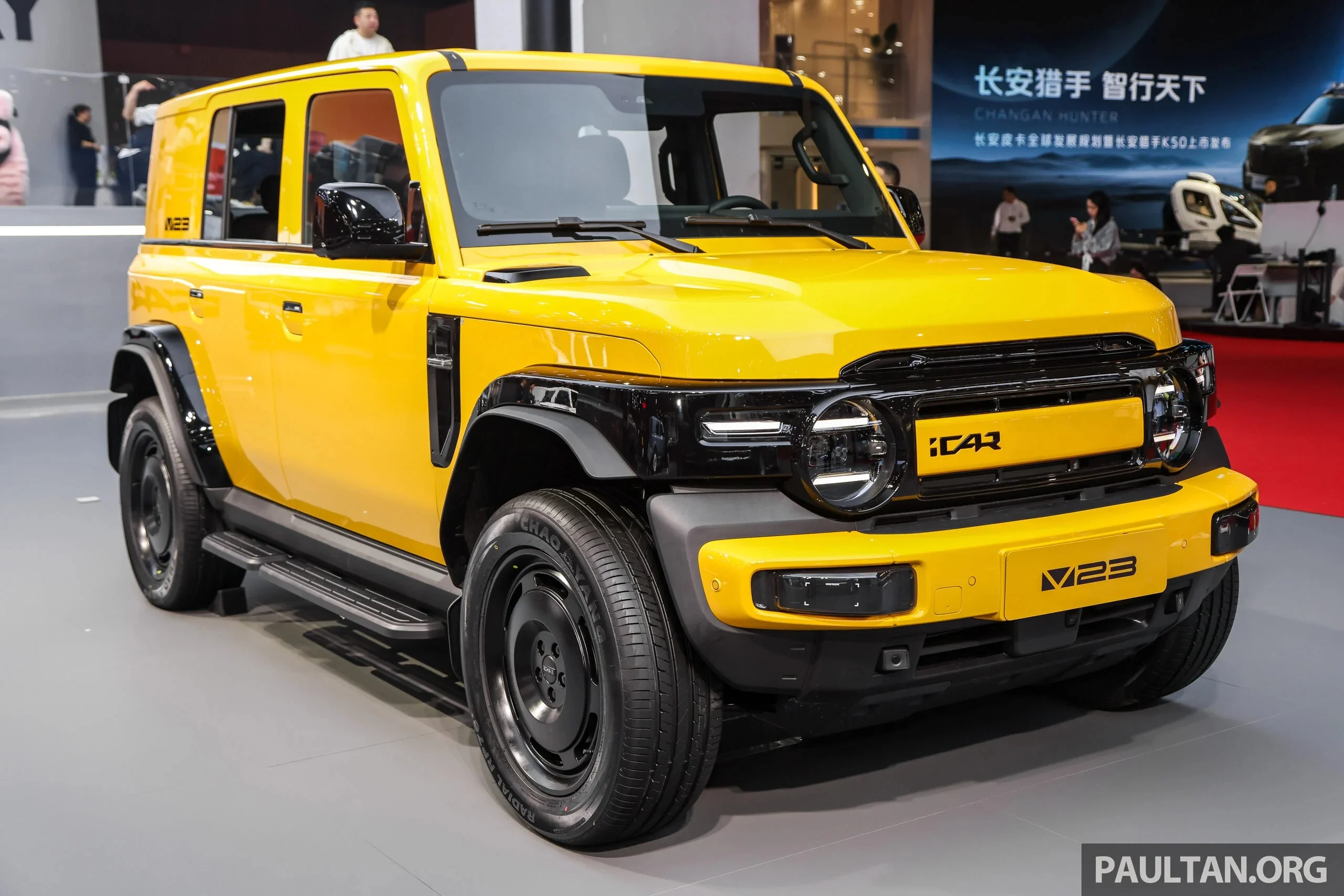
A flagship example is the partnership between Tata Motors and China’s Chery. Tata will use Chery’s vehicle‑production platform to develop premium electric models in India. Both parties stress that the deal is strictly a supply contract—no equity stakes or full‑technology hand‑over—highlighting the political delicacy of China‑India tech ties.
Scaling Up with Local Production
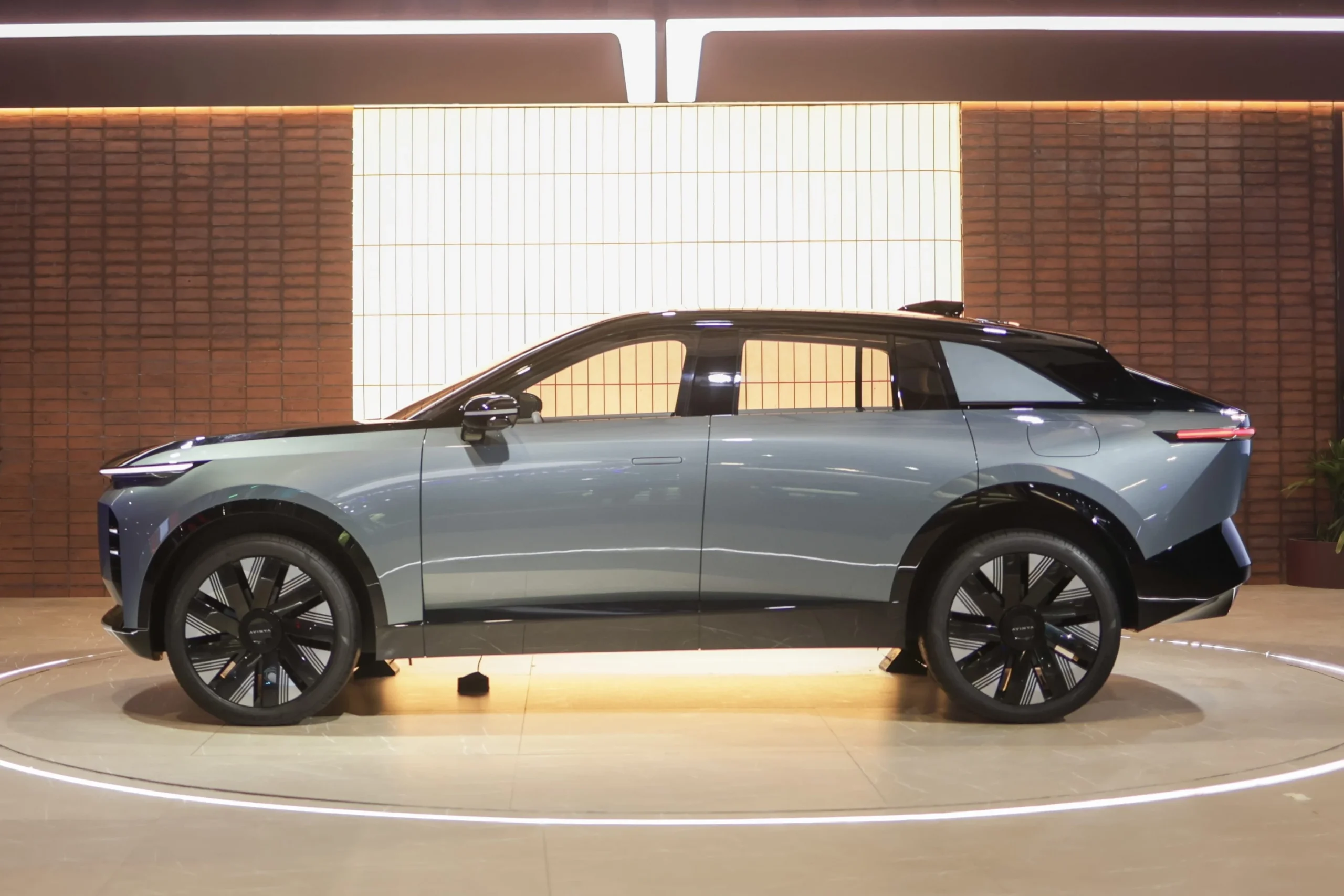
The collaboration shortens Tata’s EV development cycle at a time when the company faces intense competition and rising consumer demand for electric cars. Long‑term plans call for localising component manufacturing, reducing reliance on imports and aligning with India’s “Make in India” push.
Chinese Motives and Export Controls
Chinese firms have a clear incentive to join the Indian market. With domestic demand plateauing and excess production capacity, licensing and platform deals generate revenue without violating Beijing’s export‑control policies.
Supply‑Chain Integration
Chinese technology is gradually appearing in Indian auto supply chains that were once dominated by Japanese, Korean and European players. For instance, Indian component maker Uno Minda partners with China’s Inovance to produce EV drive‑system hardware domestically.
Challenges: Licensing Hurdles
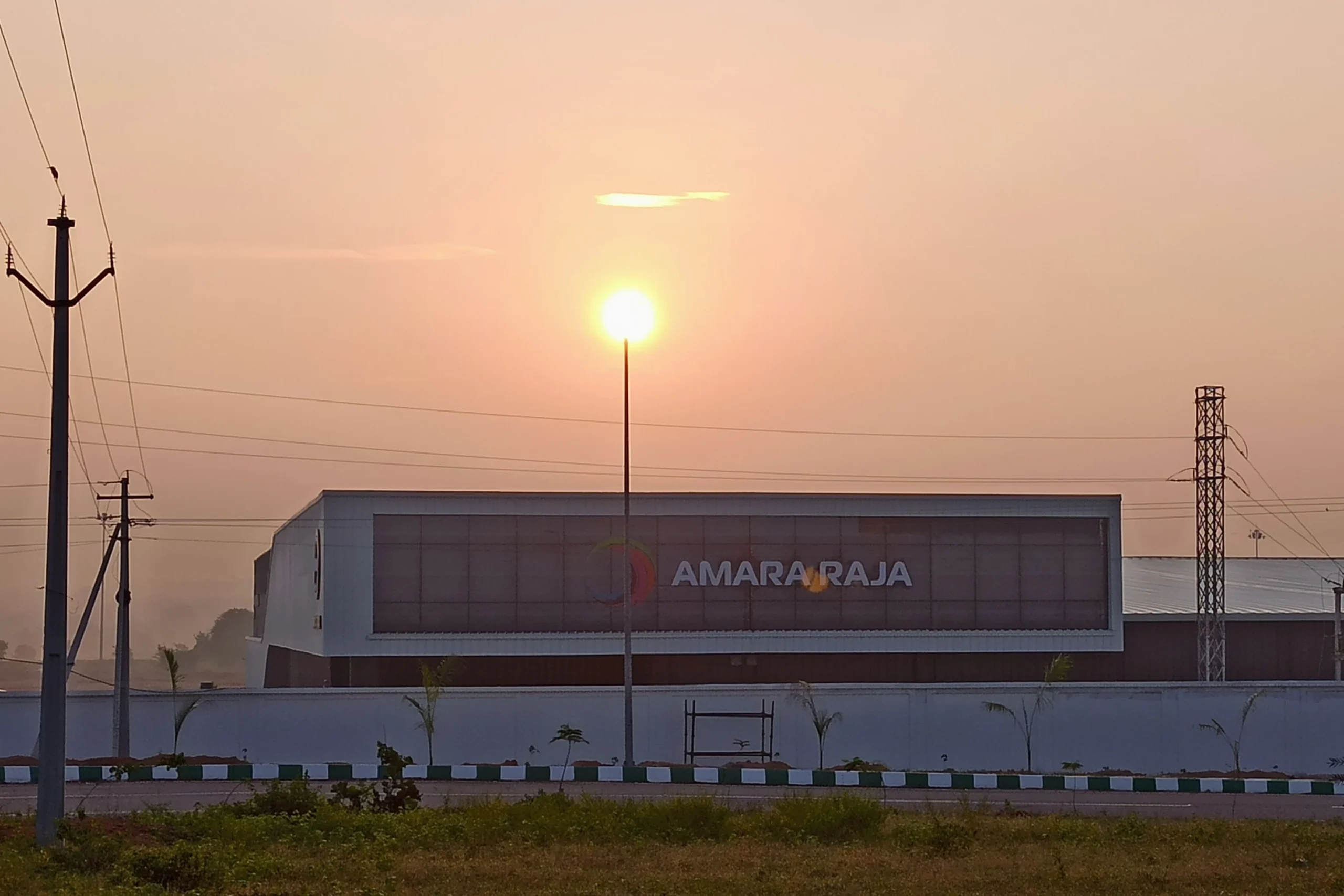
Cooperation isn’t always smooth. After China tightened export controls in response to U.S. tariff measures slated for 2025, Indian battery producer Amara Raja had to end its lithium‑ion battery licensing agreement with Gotion High‑Tech. While some know‑how was retained, the technical collaboration has ceased, and Amara Raja now faces visa hurdles for Chinese engineers.
Other Indian Players Follow Suit
Beyond Tata, JSW Group—led by billionaire Sajjan Jindal—has formed a joint venture, JSW Motor, and signed a deal with Chery. The agreement involves an upfront payment of roughly $209 million plus royalty fees to adapt multiple Chery platforms for hybrid and pure‑EV models. JSW aims to produce 300,000 vehicles by 2030, initially relying on imported components before building a domestic supply chain around its plant in western India.
Outlook
Experts say that despite India’s persistent barriers to Chinese firms, the country’s EV sector cannot fully detach from Chinese technology, which leads globally in cost efficiency and rapid deployment. As licensing and platform‑sharing models expand, China’s EV know‑how will continue to shape India’s automotive future.