
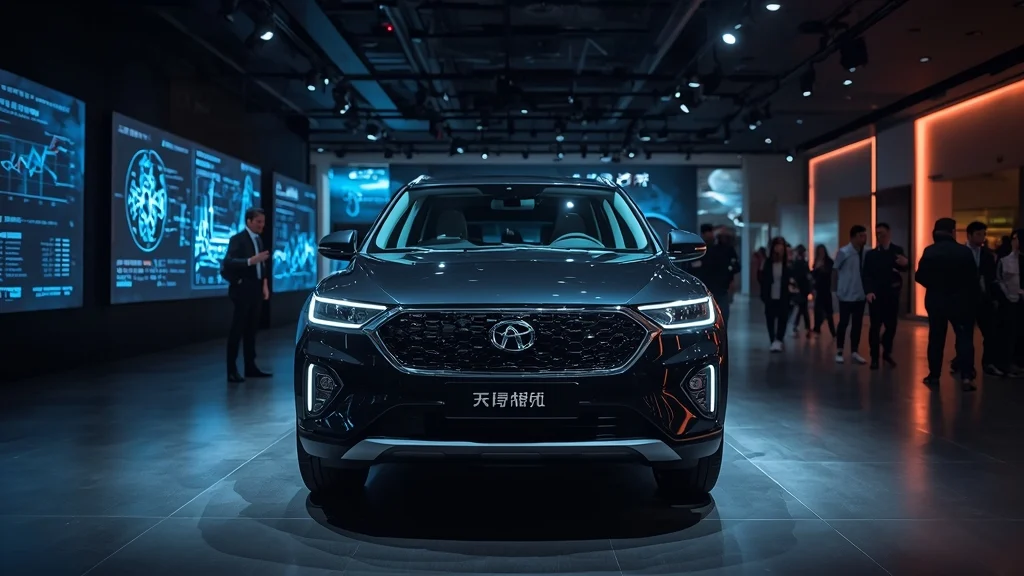
China’s carmakers push ICE tech with AI and hybrid breakthroughs, challenging EV dominance. Learn more now!
While the world’s attention has turned to electric vehicles, Chinese automakers are quietly rewriting the rulebook for traditional internal combustion engines (ICE). By blending high‑efficiency designs with artificial intelligence and advanced hybrid systems, they aim to keep the gasoline engine relevant – and even competitive – in a rapidly electrifying market.
Japanese Legacy, Chinese Challenge
For decades, Japanese manufacturers have set the benchmark for ICE performance, especially in fuel‑efficiency and emissions control. Their expertise has long kept them ahead of the curve. However, Chinese brands such as Chery, Geely and Changan are narrowing that gap with a series of record‑breaking engine programmes.

Chery’s KunPeng Sky Optimus Takes Center Stage
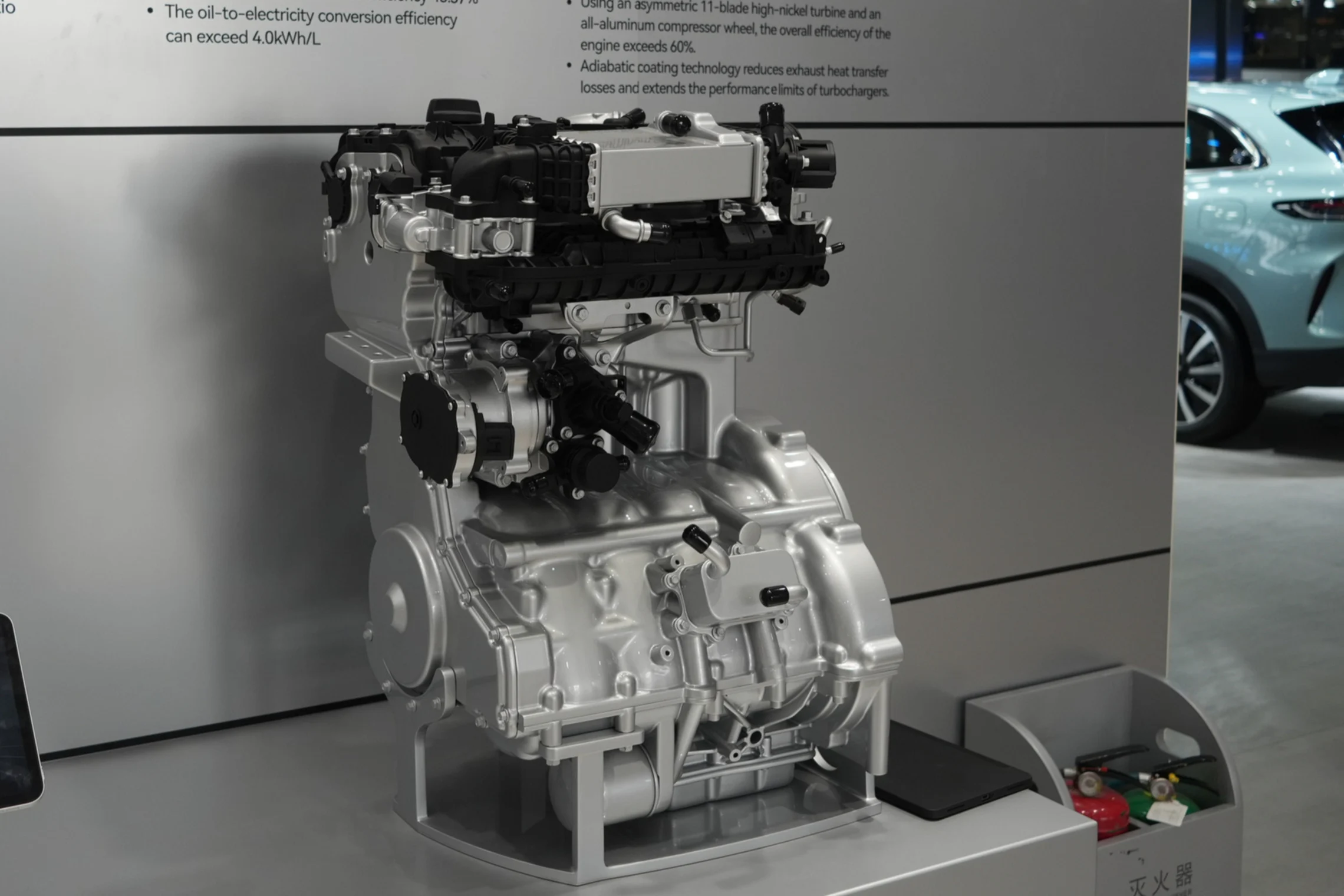
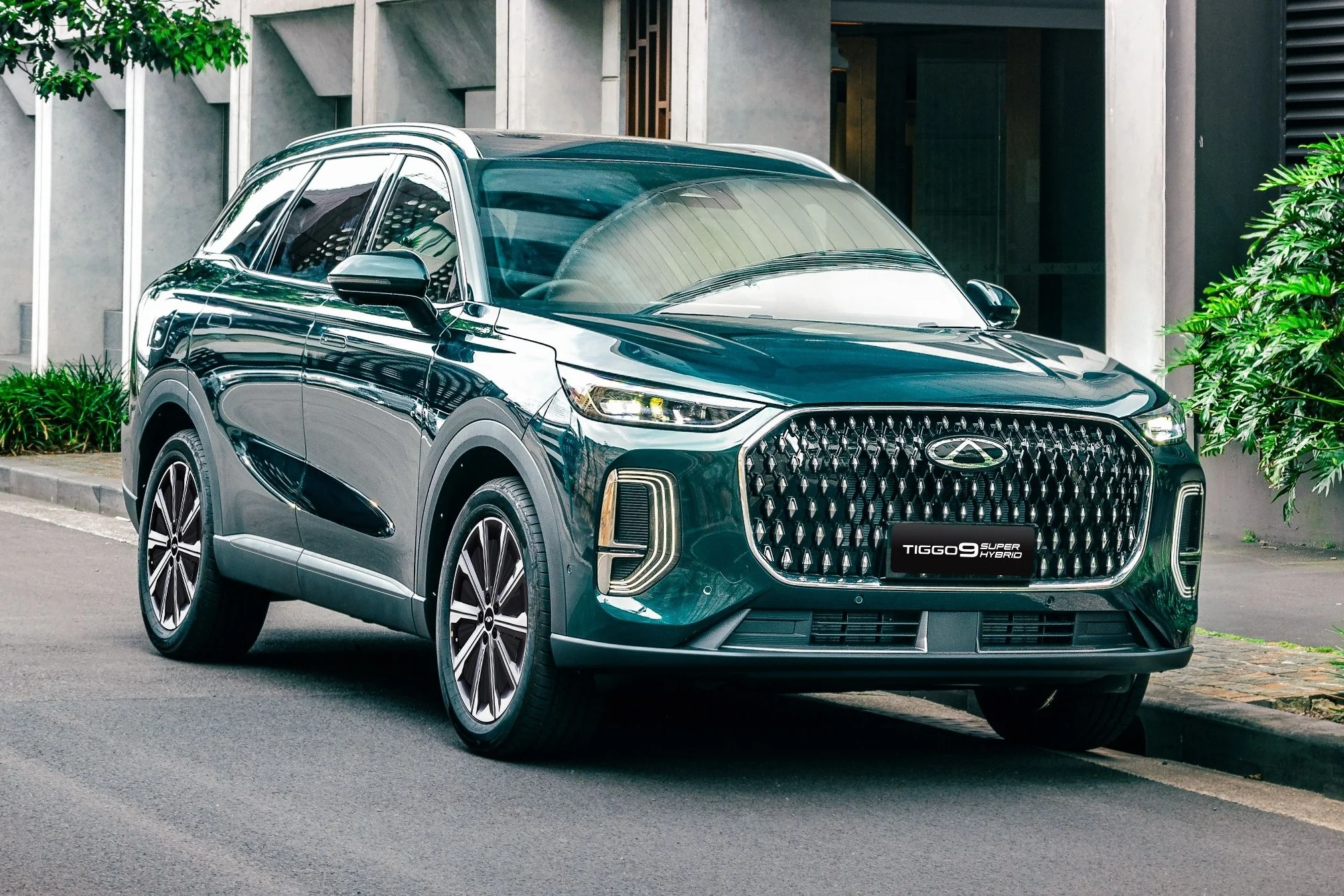
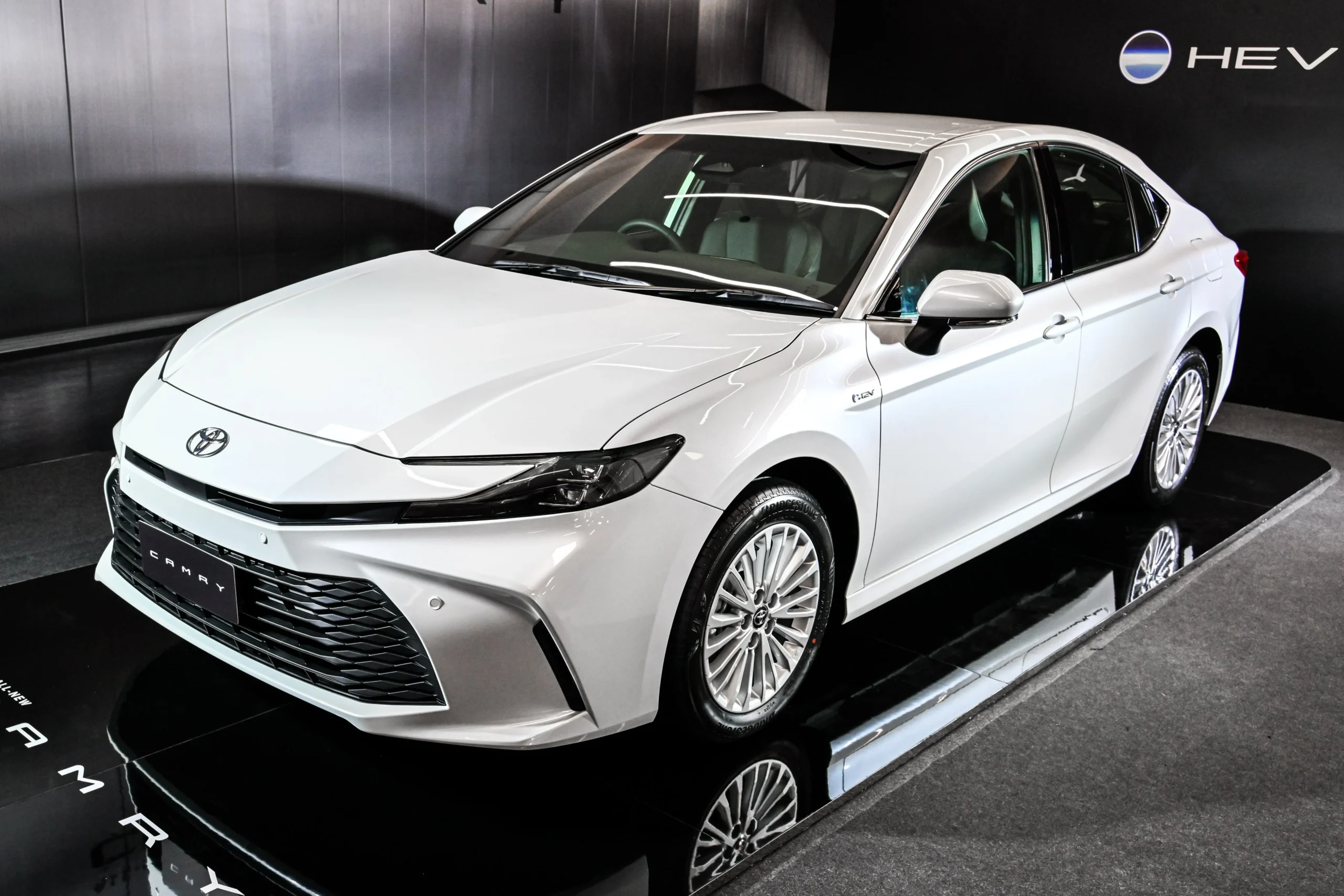
At the recent Shenzhen Auto Show, Chery unveiled the new Tiggo 9 SUV equipped with its flagship hybrid power‑unit – the KunPeng Sky Optimus. According to Chery Vice‑President Hong Gaoming, the engine achieves a world‑leading thermal efficiency of 48.57 %, the highest ever recorded for a production ICE.
Thermal efficiency measures how much of the fuel’s heat is converted into useful power; a higher figure means less fuel wasted as heat, translating into better mileage and lower emissions. For context, most conventional gasoline engines hover between 38 % and 45 %.
From Plug‑in Hybrids to Extended‑Range EVs
The Sky Optimus will power both plug‑in hybrid electric vehicles (PHEVs) and extended‑range electric vehicles (EREVs). This dual‑strategy lets Chery offer models that deliver electric‑only driving for short trips while retaining the long‑range confidence of a gasoline engine for longer journeys.
ICE Still a Core Revenue Pillar
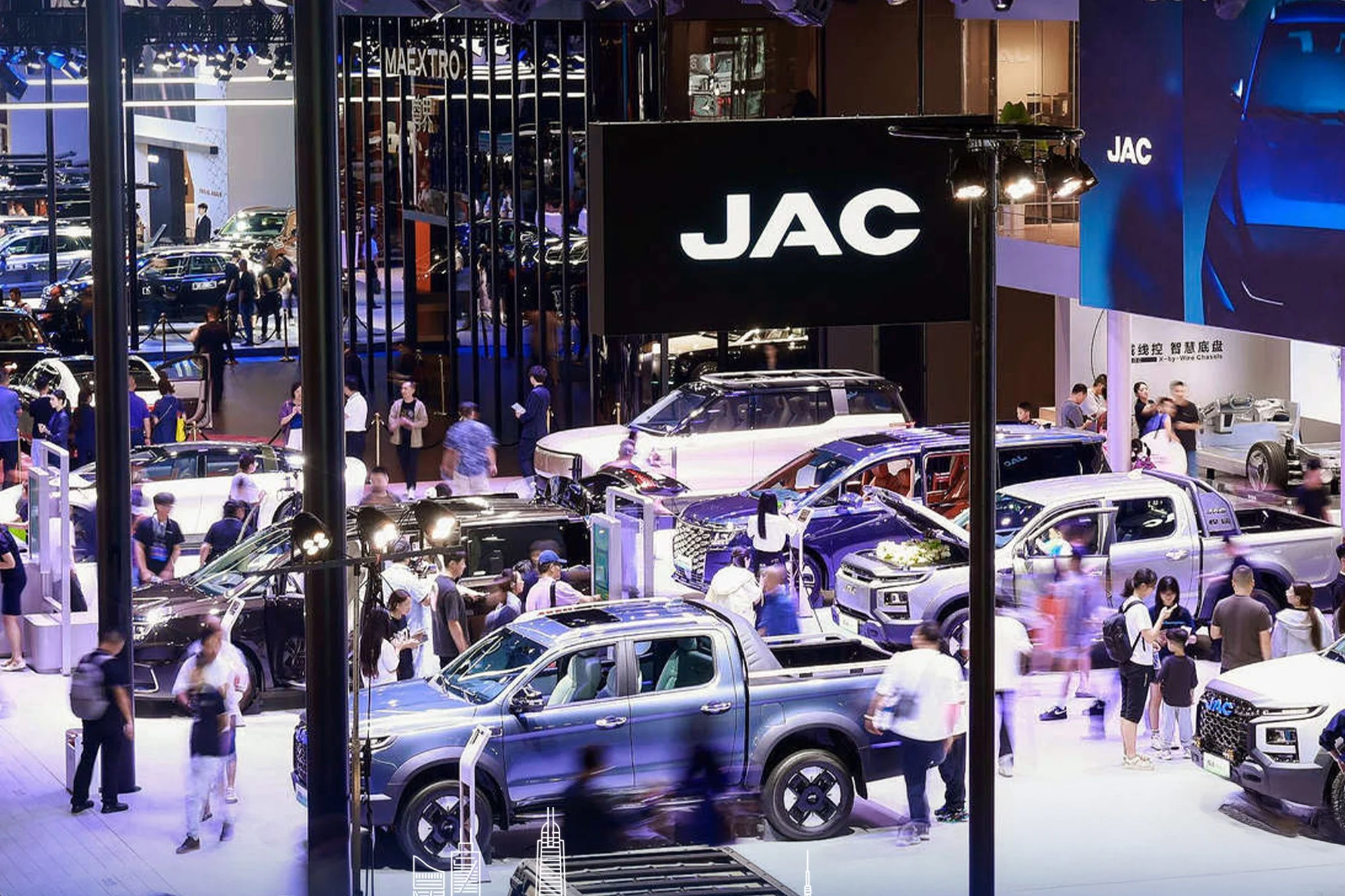
China’s auto market is rapidly embracing new‑energy vehicles – they accounted for 48 % of all new car sales last year. Yet, ICE technology remains vital for many manufacturers. Chery, the third‑largest passenger‑car seller in China, shipped 2.8 million vehicles in 2023, including 1.34 million exports. Roughly 70 % of its sales still come from gasoline‑powered models, underscoring the engine’s continued commercial importance.
Geely’s AI‑Powered Hybrid Engine
Geely is not far behind. The company announced a new ICE with a thermal efficiency of 48.41 %, coupled with an AI‑optimised i‑HEV hybrid system that fine‑tunes fuel injection and energy recovery in real time. Geely aims to boost its overseas sales by 80 % this year, targeting 750,000 units – more than half of which are expected to be gasoline‑based models.
Changan’s High‑Pressure Fuel Injection Breakthrough
Another notable development comes from Changan, which introduced a hybrid power‑train featuring a 500‑bar fuel‑injection system – the highest pressure ever achieved in mass‑produced engines. This technology promises finer atomisation of fuel, better combustion, and further gains in efficiency.
Global Outlook: Electrification vs. Efficiency
According to research firm GlobalData, electric vehicles are projected to capture 49 % of global car sales by 2038, up 33 % from 2025. Conventional gasoline cars are expected to fall to 25 % of the market, while traditional hybrids will hold steady around 15 % and PHEVs will edge up to 8 %.
Market Share Snapshot
Data from MarkLines shows Chinese manufacturers already dominate the EV segment, holding 59 % of global electric‑vehicle sales in 2023, compared with just 3 % for Japanese firms. In the non‑electric arena, Japan still leads with a 30 % share, while China sits at roughly 20 %.
Analyst Perspective: A New Hybrid Frontier
GF Securities analysts suggest that China’s rapid gains in ICE efficiency could reshape the global hybrid market. By delivering lower‑fuel‑consumption engines that integrate AI and high‑pressure injection, Chinese makers may set new standards for fuel‑saving technology worldwide.
The Expanding Competitive Landscape
The rise of high‑efficiency ICEs shows that the automotive battle is no longer a simple EV vs. gasoline showdown. Chinese innovators are expanding the playing field, challenging the long‑standing dominance of Japanese engine expertise and forcing the entire industry to rethink the future of powertrains.