
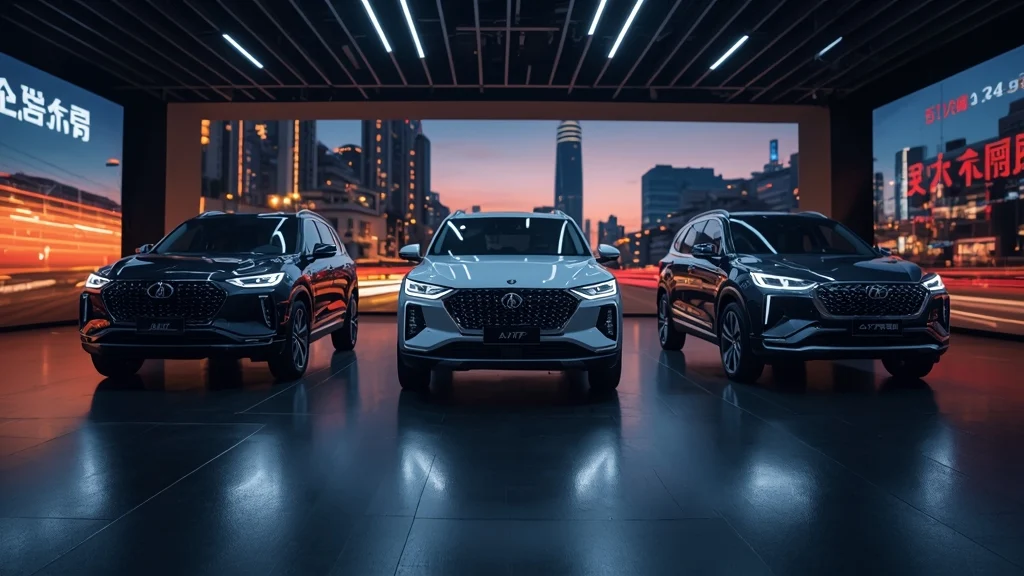
Explore how Chinese automakers are flooding the large SUV market with new models, cutting prices and sparking a fierce profit battle. Read more now!
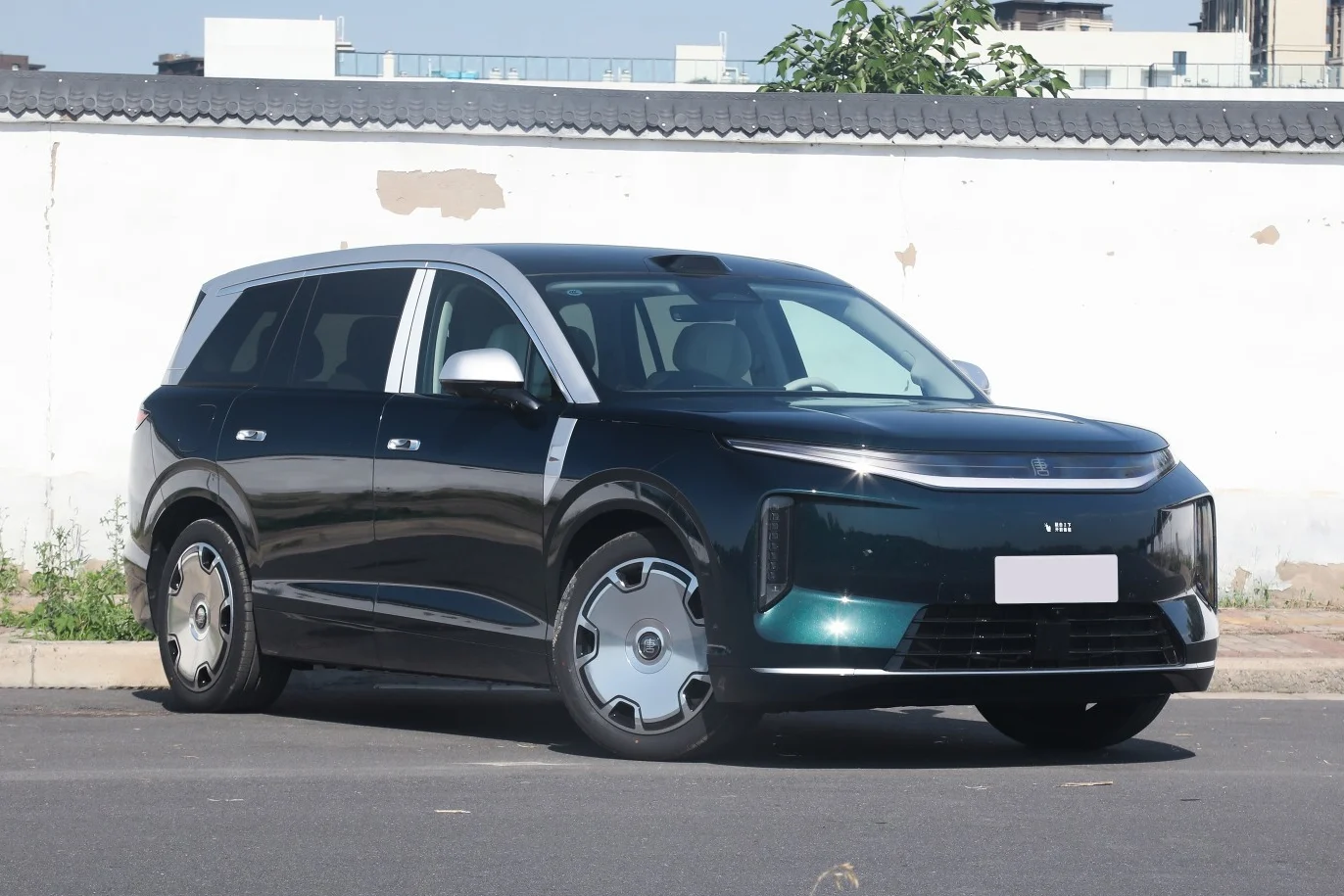
Chinese carmakers are accelerating their push into the premium large‑SUV segment, rolling out a wave of BEV, PHEV and EREV models as domestic competition intensifies.
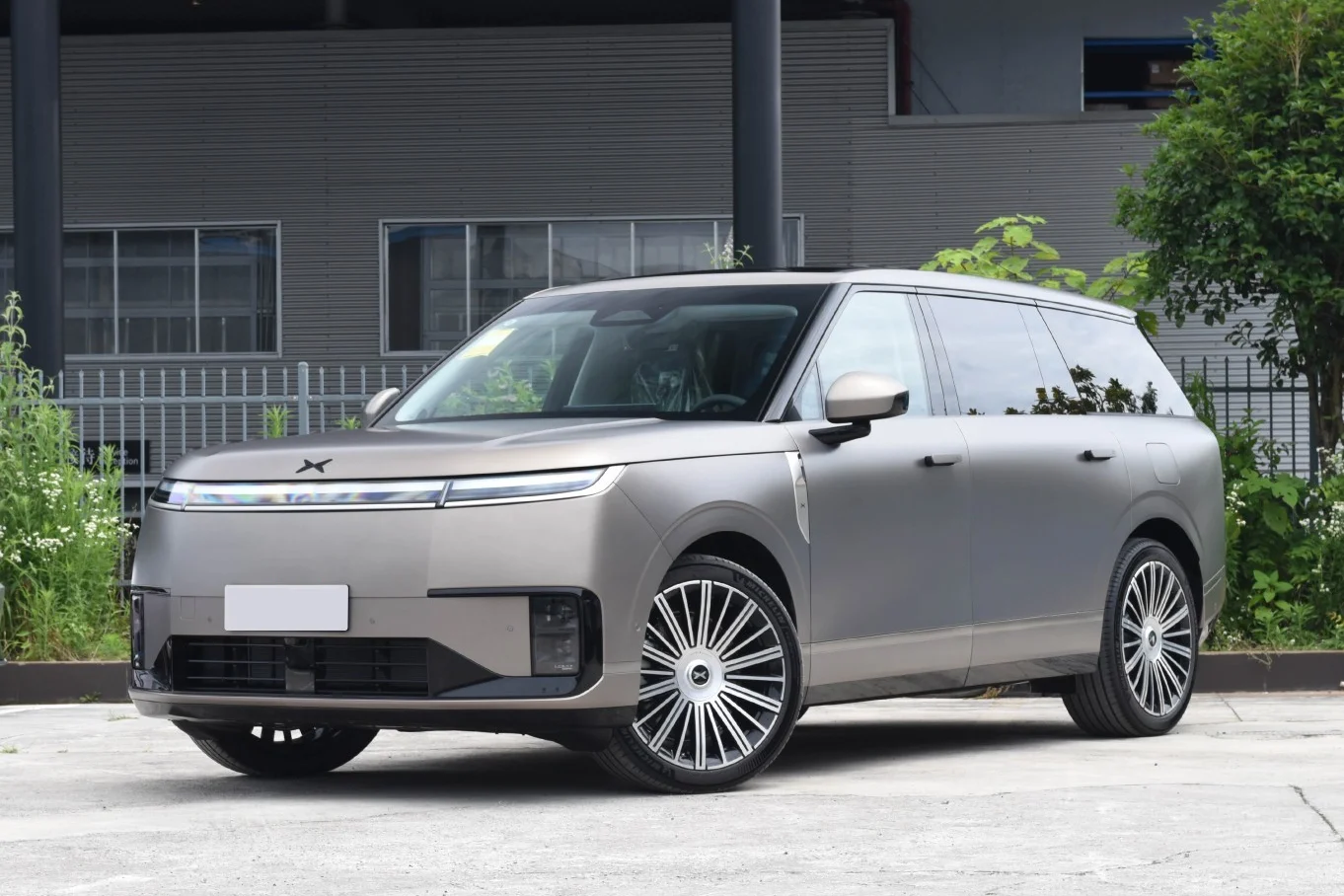
Rapid Model Rollout
According to Nikkei Asia, more than 20 large‑size SUVs have been announced by Chinese manufacturers since the start of 2026, turning what was once a niche market into one of the hottest battlegrounds in the world’s biggest automotive arena.
Market Size vs Production Capacity
Li Yanwei, a member of the China Automobile Dealers Association, estimates the annual demand for large SUVs at roughly 500,000 units, yet actual production capacity now exceeds one million units. “The oversupply forces everyone into a price war to win market share,” he warned.
Price‑Cutting Strategies
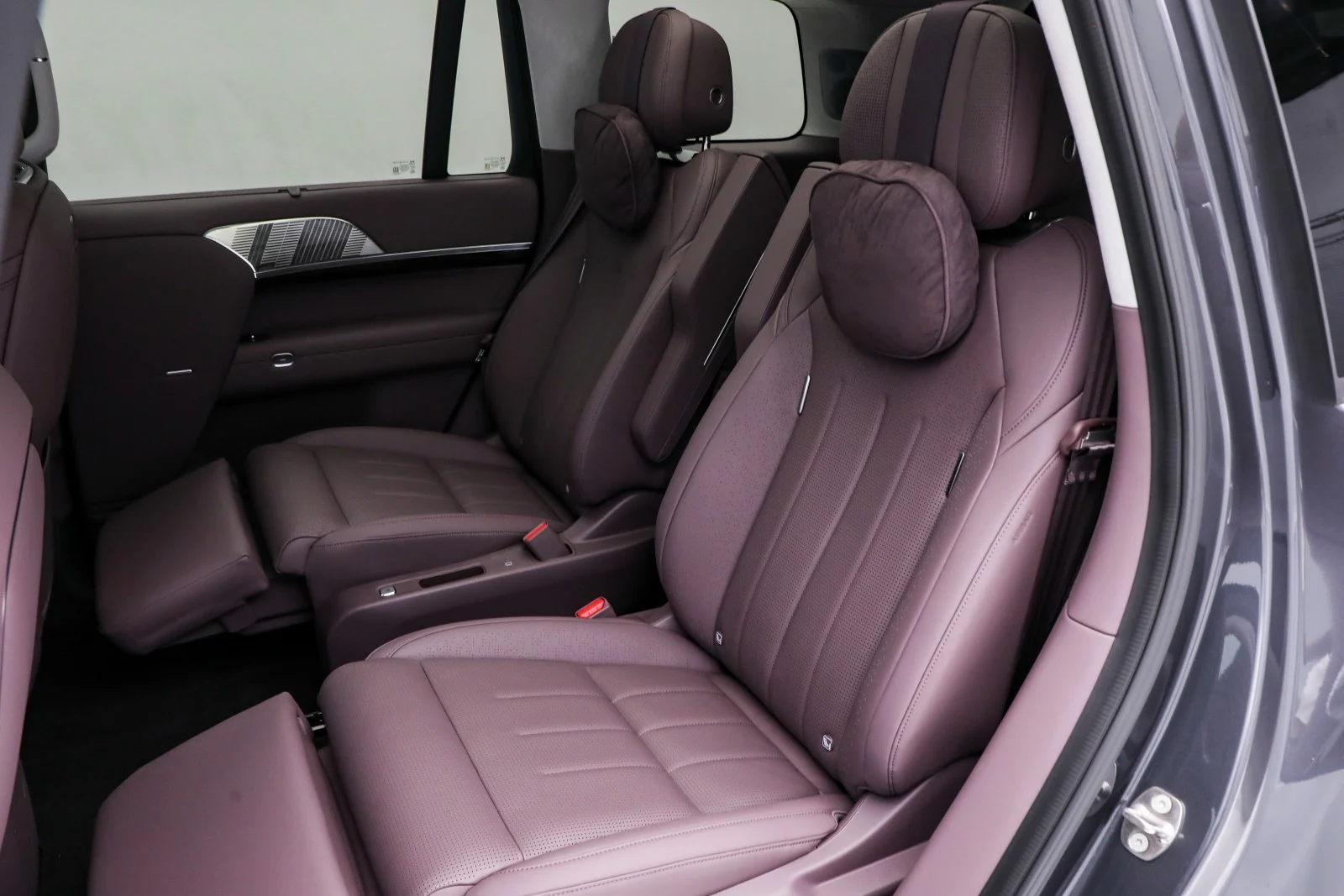
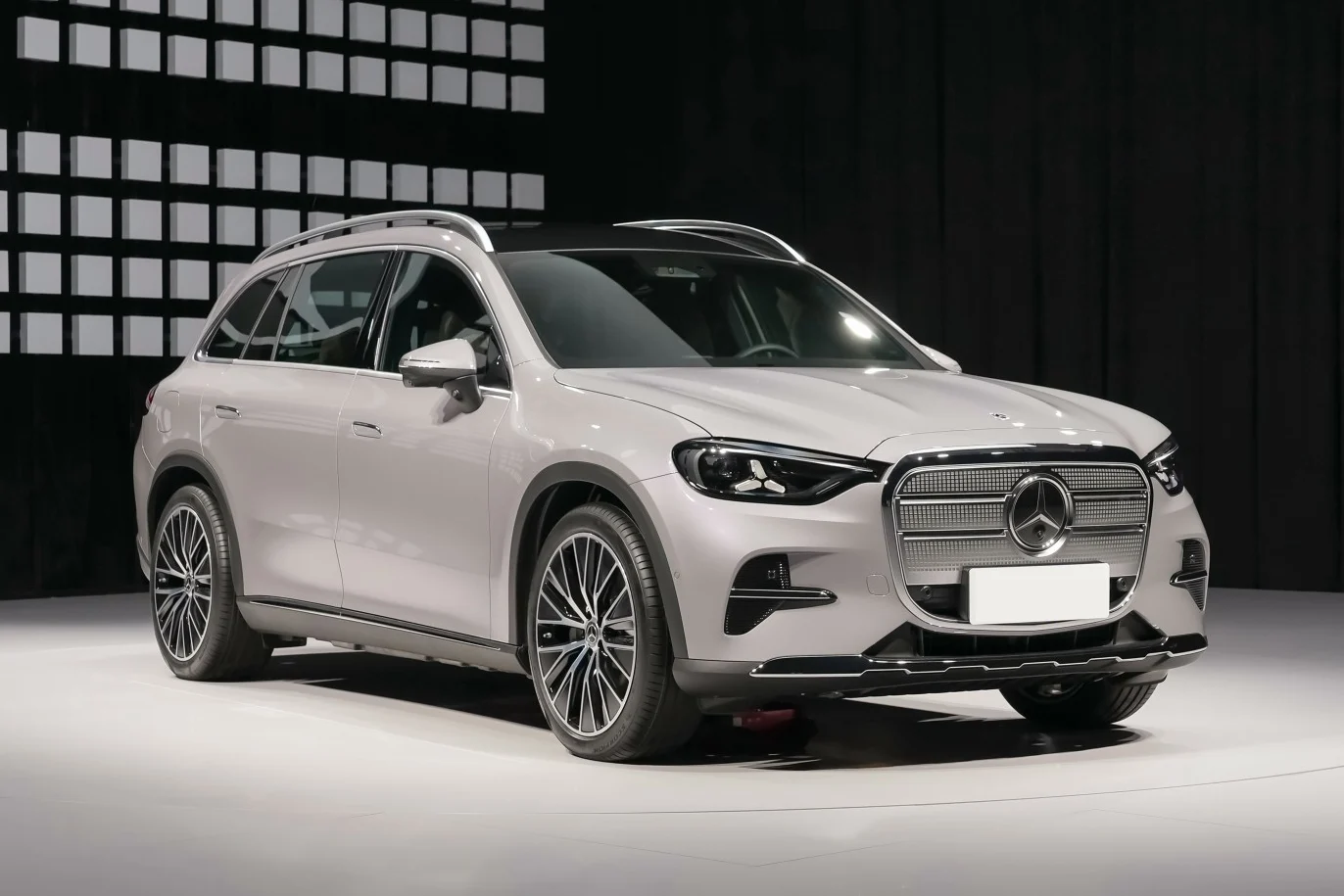
To capture higher‑value customers, brands are slashing prices. BYD’s newly unveiled Great Tang starts at 240,000 yuan (about $35,300), roughly 4 % below its previously hinted price. Meanwhile, Xpeng surprised the market with the six‑seat GX, launched in May 2026 at 269,800 yuan (≈ $39,700), a price cut of about one‑third from its initial target.
Luxury Features as a Differentiator
High‑end Chinese SUVs are packed with premium amenities that are difficult to fit into smaller cars. Common highlights include:
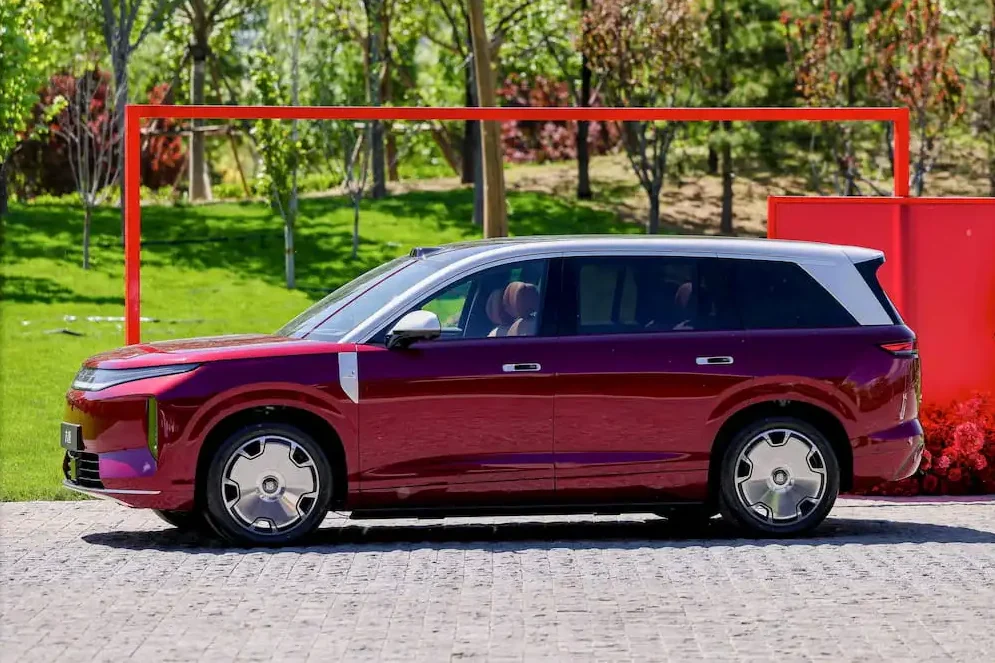
- Zero‑gravity seats with built‑in massage functions
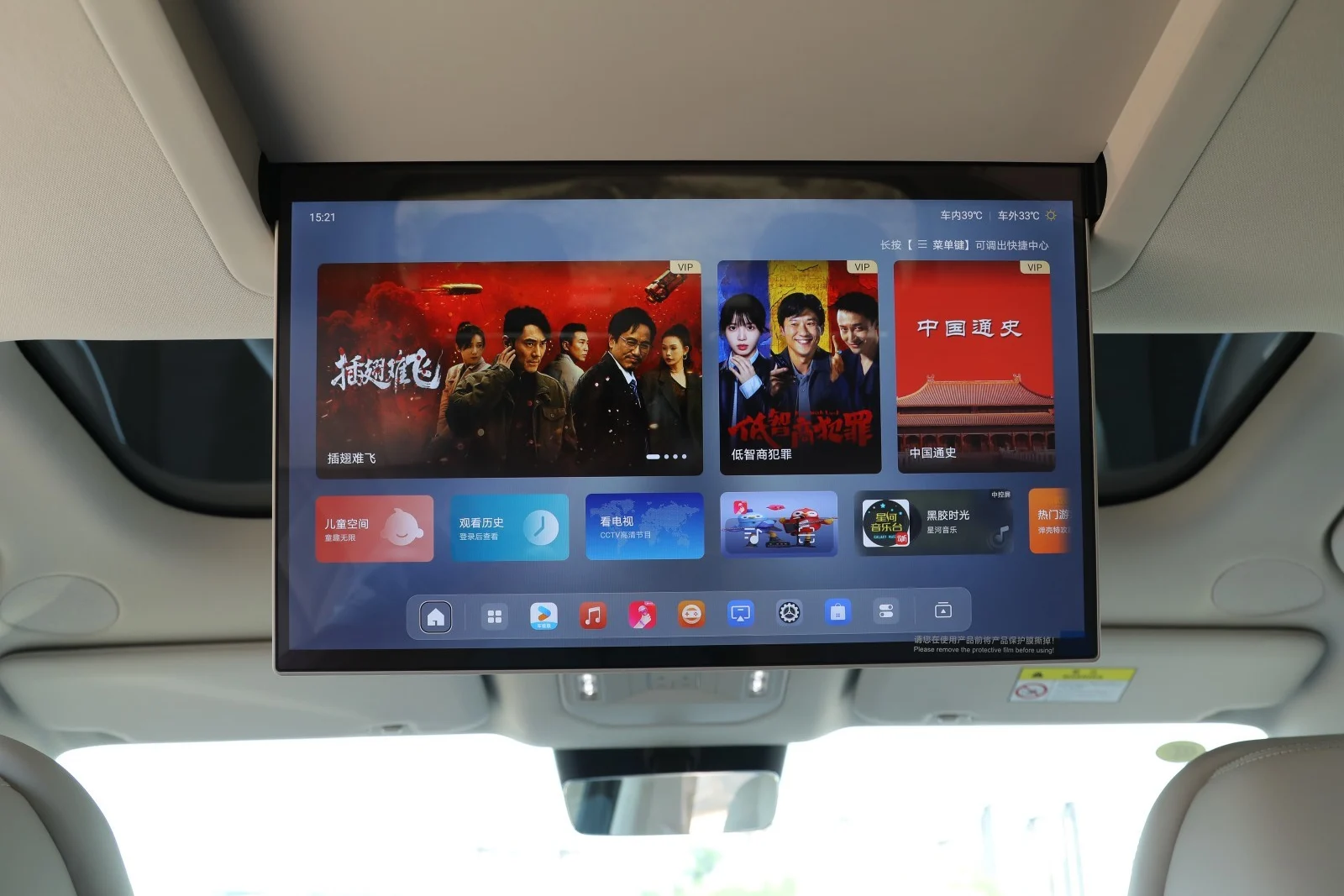
- Large‑screen infotainment systems that double as a home‑theater or karaoke box
- Advanced driver‑assist technologies sourced from tech giants such as Huawei
“Customers want the whole cinema, music, and massage experience in a vehicle – it’s the new status symbol,” says Frederik Gollob, founder of Qi Advisory.
Strong Sales Growth Amid a Slumping Market
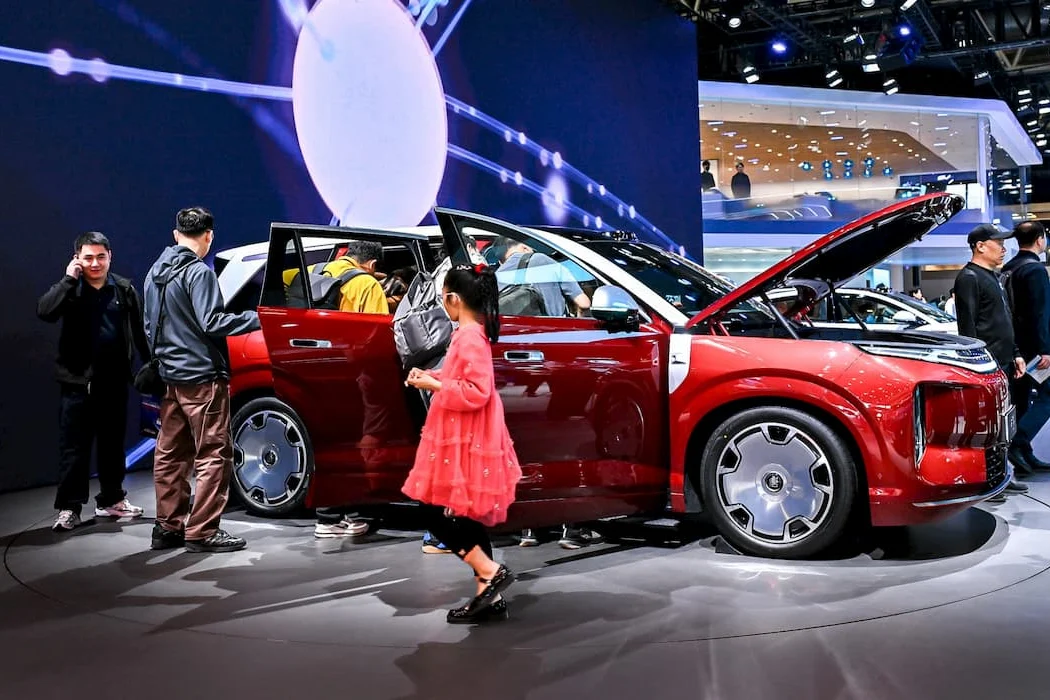
While overall car sales in China are declining, the premium mid‑size and large‑size SUV segment surged 80 % year‑on‑year in the January‑April 2026 period. Mercedes‑Benz’s GLC saw a 23 % drop in sales, whereas the Huawei‑backed Aito M7 more than doubled its volume.
Risks of a Saturated Segment
Experts caution that the rush into the luxury SUV space could backfire if price wars deepen. UBS analyst Paul Gong notes an increasing visual similarity among new models – many SUVs echo Land Rover’s design language, while sedans borrow Porsche cues. This homogenisation shortens a model’s commercial lifespan; “Some cars peak in sales within three to six months and lose momentum after a year,” he explains.
When a vehicle only generates revenue for a short window, recouping the multi‑million‑dollar R&D investment becomes a daunting challenge.
Looking Ahead
The race to dominate China’s large‑SUV market is now as much about sustainable profitability as it is about technology and design. How brands balance aggressive pricing with long‑term brand equity will shape the segment’s future.