
Chinese EV makers like Leapmotor, Nio and Xpeng report first quarterly profits, signaling a shift in the global electric car race. Read more now.
While many Western automakers continue to pour billions of dollars into electrification, a handful of Chinese electric‑vehicle (EV) companies have started to see the bottom line turn green. From the start of 2025 to date, three Chinese firms posted their first quarterly or full‑year profits.
Profit Milestones in 2025
- Leapmotor – backed by Stellantis – posted a $78 million profit for 2025, a sharp reversal from a $410 million loss the previous year.
- Nio recorded an adjusted net profit of $104 million in Q4 2025, after a $900 million loss in the same period a year earlier.
- Xpeng swung to a $55 million net profit in Q4 2025, compared with a $190 million loss in Q4 2024.
These three join the likes of BYD, Xiaomi and Li Auto, which have already reported earnings, indicating that China’s EV sector is moving beyond pure volume growth toward sustainable profitability.
Why Chinese EVs Are Gaining Ground
According to Tu Le, founder of Sino Auto Insights, Chinese EV makers now have a clearer view of their market, competitors and internal capabilities. This insight translates into more efficient operations and tighter cost control.
Government Backing
State support remains a crucial lever. Bloomberg reports that BYD received at least $3.7 billion in direct subsidies during its development phase. The Center for Strategic and International Studies (CSIS) estimates China spent roughly $230 billion on the EV industry between 2009 and 2023.
Vertical Integration
Chinese firms also own a large share of their supply chain. BYD, for example, manufactures about 75 % of the components in its electric cars—from batteries and electric motors to control software. Controlling these critical parts reduces costs, limits reliance on external suppliers and speeds up responses to market shifts.
Diverse Brand Portfolios
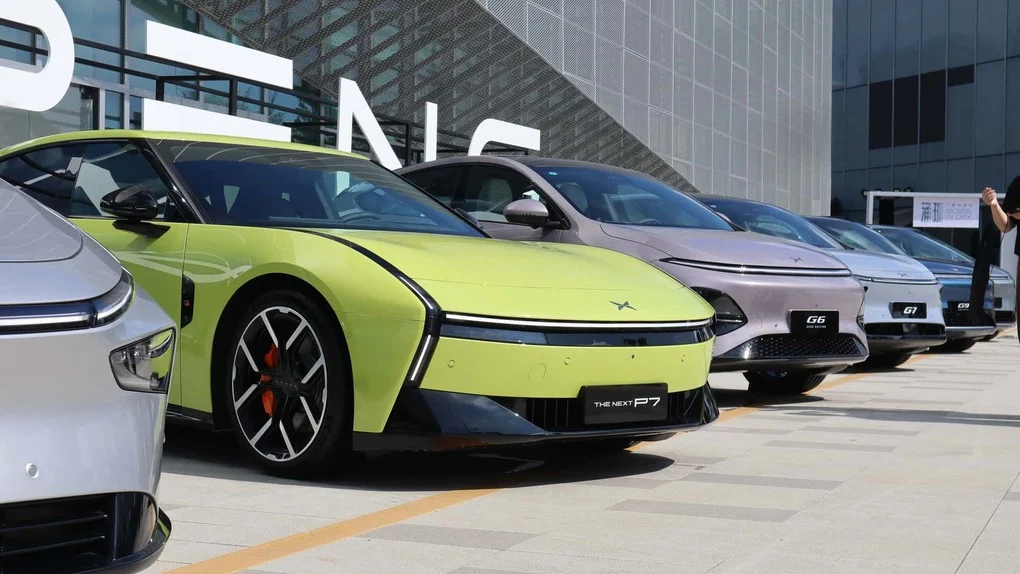
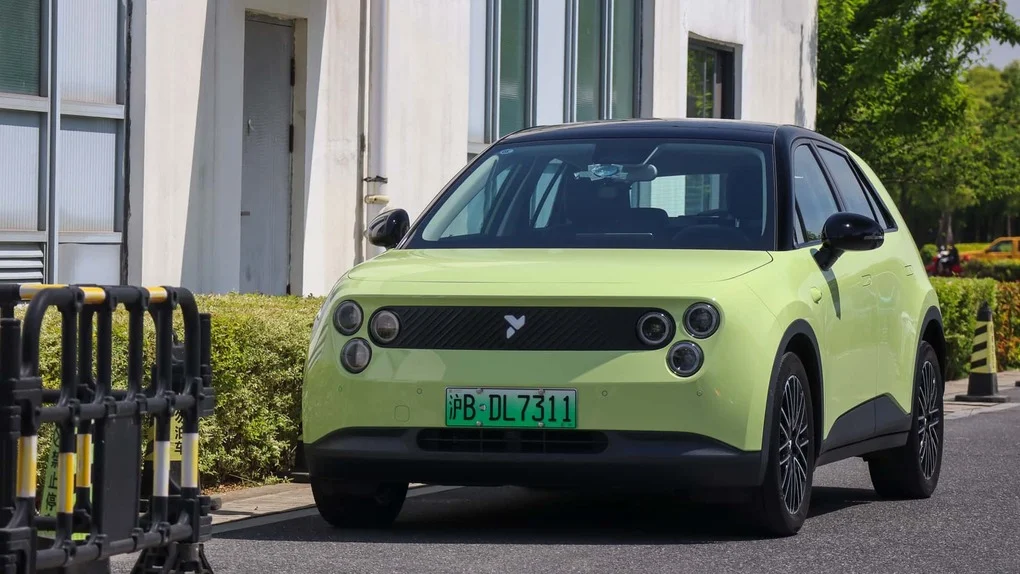
Nio illustrates a multi‑brand strategy: the premium Nio line, the mass‑market Onvo brand, and the compact Firefly series. This tiered approach widens its customer base.
Moreover, Nio’s “battery‑as‑a‑service” model lets buyers purchase a car without the battery, paying a monthly fee for battery swapping. With over 3,750 swapping stations across China, the model lowers upfront prices and creates a recurring revenue stream.
International Expansion
Leapmotor leverages Stellantis’s global dealer network to sell its models in Europe, avoiding the cost of building its own distribution infrastructure. In 2025, the company delivered nearly 600,000 vehicles, more than double the previous year, and now operates in 40 countries.
Xiaomi, a newcomer from consumer electronics, launched the SU7 sedan in 2024. Within less than two years, it sold over 380,000 units and posted its first quarterly profit, turning EVs into a core element of its smart‑device ecosystem—an approach that contrasts sharply with Apple’s stalled “Project Titan.”
Western Automakers Still Struggle
In the West, Tesla remains the sole pure‑play EV maker turning a profit, but its margins have slipped as sales plateau. Traditional U.S. giants—General Motors, Ford and Stellantis—have each recorded multi‑billion‑dollar expenses while reshaping their EV roadmaps.
European manufacturers such as BMW, Volkswagen, Mercedes‑Benz, Audi and Volvo continue to invest heavily in new models, longer ranges and faster charging, yet they face similar financial pressures.
Implications for the Global EV Landscape
The emergence of profitable Chinese EV firms signals a shift in the competitive balance. No longer are Chinese manufacturers viewed merely as low‑cost producers; they are becoming financially robust players capable of challenging legacy brands from the United States, Europe and Japan.
Looking Ahead
As the market fragments and consumers demand more choices, the pressure on incumbents to innovate and control costs will intensify. Whether Western automakers can catch up will depend on how quickly they can streamline supply chains, adopt flexible business models and perhaps learn from the integrated, subsidy‑supported approach that has propelled China’s EV sector forward.
For investors, policymakers and car enthusiasts alike, the profit turn of Chinese EV startups is a clear indicator that the electric‑vehicle race is entering a new, profitability‑driven era.