
Chinese automakers are closing the gap with Japan, unveiling record hybrid efficiency and AI‑driven engines. Learn how they aim to reshape the global market.
Japanese media has started to notice a rapid shift: Chinese car manufacturers are narrowing, and in some cases surpassing, Japan’s long‑standing dominance in internal‑combustion and hybrid powertrains. Recent reports from Nikkei highlight breakthrough achievements from Chery, Geely and Changan that could reshape the global automotive landscape.
Record‑Breaking Thermal Efficiency
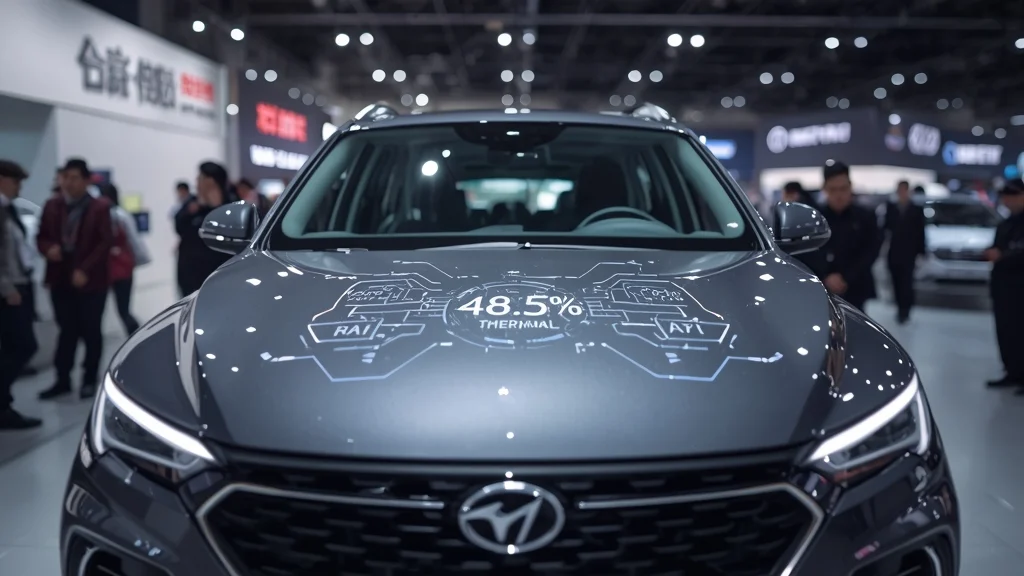
At the Shenzhen Auto Expo, Chery unveiled its new hybrid system – the Kunpeng Tianqing – installed in the Tiggo 9. The power unit boasts a thermal efficiency of 48.57 %, the highest figure ever publicly disclosed by any automaker worldwide.
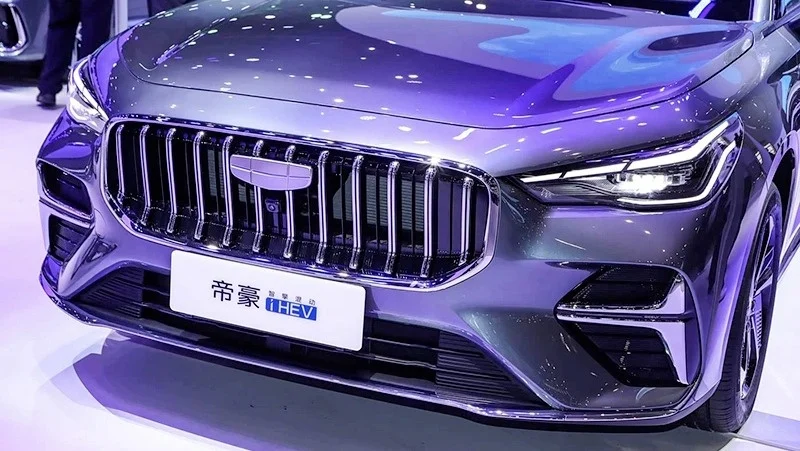
Not to be outdone, Geely’s i‑HEV system, fitted to the Xingyue L (Monjaro) SUV, recorded a thermal efficiency of 48.41 %. The engine runs a high compression ratio of 15.5:1 and employs a Miller cycle, while an AI‑driven energy‑management system continuously fine‑tunes performance based on altitude, humidity and ambient temperature.
AI‑Powered Powertrains
Both Chery and Geely are embedding artificial intelligence directly into their engine control units (ECUs). Geely’s AI continuously optimises combustion timing and energy flow, allowing the drivetrain to adapt instantly to changing road conditions and weather patterns. This intelligent approach not only improves fuel economy but also reduces emissions.
Innovative Fuel Injection
Changan introduced the Bluecore Super Engine, featuring the world’s first commercial 500‑bar high‑pressure direct‑fuel injection system. The ultra‑high pressure atomises fuel more efficiently, enhancing vaporisation and delivering quicker throttle response.
Market Share Landscape
According to Nikkei, Japanese manufacturers still command roughly 30 % of the global non‑electric vehicle market, compared with about 20 % for Chinese brands. However, analysts at GF Securities argue that the combination of super‑efficient engines and AI could radically alter the hybrid segment by 2038, when GlobalData predicts hybrids will represent around 15 % of total vehicle sales worldwide.
Future Outlook & Export Hurdles
While the technology race is heating up, Chinese firms face a critical challenge: turning domestic breakthroughs into international sales. Most of the current growth is confined to the home market, where charging infrastructure is still developing. To reach the 20 % global share cited by Nikkei, Chinese manufacturers must successfully export these advanced models and compete in markets with stricter emissions standards and established brand loyalty.
- Key specifications: Thermal efficiency >48 % (Chery, Geely)
- AI integration: Real‑time engine optimisation (Geely)
- Fuel technology: 500 bar direct injection (Changan)
- Market ambition: Expand beyond domestic sales to capture a larger slice of the global hybrid market
The next few years will reveal whether China’s high‑tech hybrids can truly overtake Japan’s automotive giants on the world stage.