
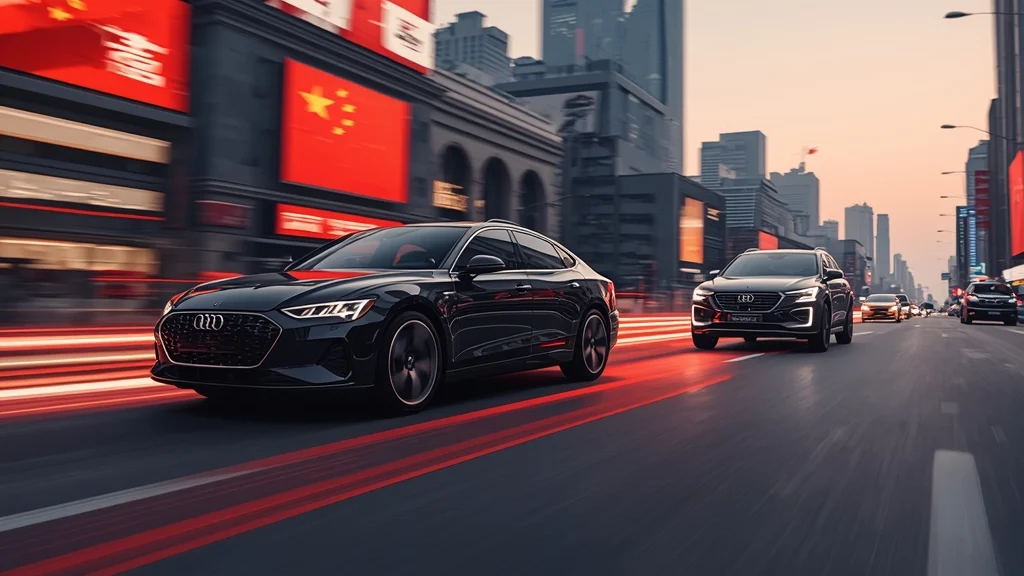
New Chinese rules raise the PHEV electric range to 100 km, forcing European brands to pull plug‑in hybrids. Learn how the shift reshapes the market – read more now.
Stricter PHEV Rules Take Effect
Starting January 1, China raised the minimum electric‑only range for plug‑in hybrid electric vehicles (PHEVs) from 43 km to 100 km to qualify for tax incentives. The move is part of a broader push to accelerate pure‑electric driving and curb emissions.
European Luxury PHEVs Lose Their Edge
Many European premium marques—Audi, BMW, Mercedes‑Benz, Jaguar and Land Rover—have traditionally offered PHEVs built on conventional gasoline platforms with relatively small battery packs. Under the new rule, those models can no longer meet the 100 km threshold, leaving them at a competitive disadvantage in the world’s largest auto market.
Chinese Makers Respond with Bigger Batteries
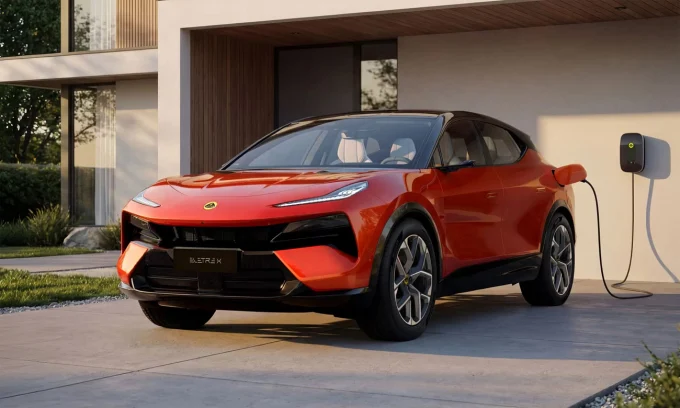
Domestic manufacturers acted swiftly. New PHEV releases now boast electric ranges well beyond the 100 km floor. For example, the Lotus Eletre hybrid can travel up to 420 km on a single charge under the CLTC test cycle, while several other Chinese brands have launched models that comfortably exceed the requirement.
Why the Advantage Matters
Chinese firms design many of their hybrids from the ground up as electric vehicles, rather than retrofitting existing ICE platforms. This approach yields larger battery capacities, better integration of electric‑drive technology, and a more appealing experience for drivers who want longer zero‑emission trips.
Ripple Effects Reach Europe
The surge of high‑range Chinese PHEVs is not staying within China’s borders. Export versions are already entering European showrooms, challenging local manufacturers to rethink their own hybrid strategies at home.
Tighter Fuel‑Efficiency Standards Add Pressure
China’s regulators are also tightening fuel‑consumption limits for vehicles that run solely on gasoline. This hits V8‑powered PHEVs especially hard, making older plug‑in hybrids—once popular and tax‑favoured in Europe—appear outdated.
European Brands Pull Back from China
According to Auto News, the likes of Audi, BMW, Mercedes‑Benz, Jaguar and Land Rover have dramatically reduced or completely withdrawn their plug‑in hybrid line‑ups from the Chinese market.
Chinese Export Momentum Builds
Brands such as Lynk & Co are already shipping expanded‑range hybrid SUVs to Europe. Volvo’s new XC70, now owned by Geely, will arrive with a 180 km electric range, directly competing with European‑made hybrids. The explosive export growth of BYD and Chery further signals a reshaping of the global hybrid landscape.
What This Means for the Future
As Chinese manufacturers continue to perfect long‑range PHEVs and push them into overseas markets, European carmakers may find their own hybrid offerings under increasing scrutiny—not only in China but also at home. Adapting to stricter electric‑range standards and evolving consumer expectations will be essential for staying relevant in the fast‑moving EV era.