
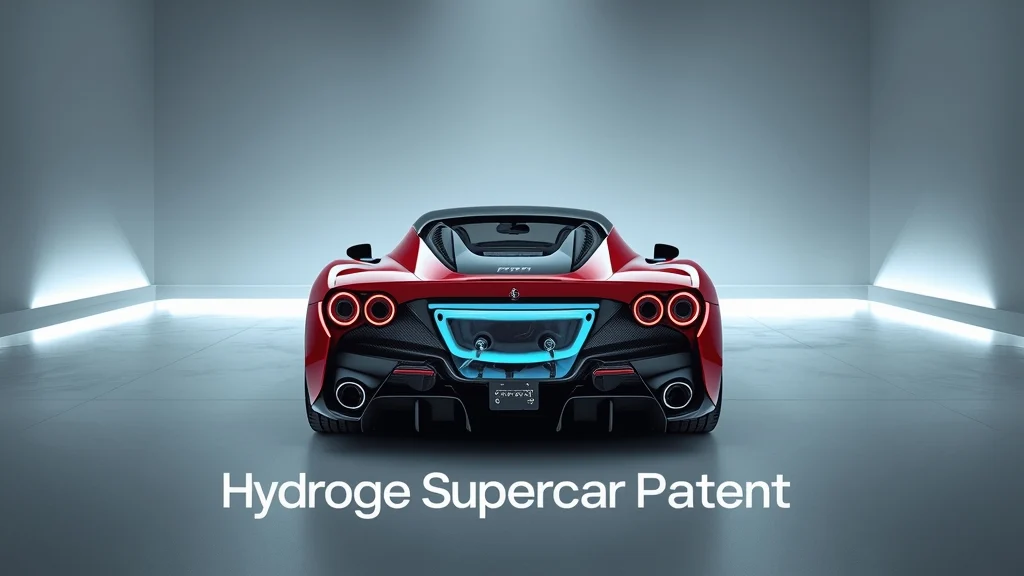
Ferrari’s latest patent reveals a flexible hydrogen fuel cell tank, signaling a shift beyond electric supercars. Discover the future of performance.
Ferrari’s new hydrogen fuel‑cell patent
While many manufacturers are racing toward pure‑electric platforms, Ferrari is keeping its options open. The Italian supercar maker has just filed a patent that zeroes in on the heart of a hydrogen fuel‑cell vehicle (FCEV): a flexible, high‑pressure hydrogen storage tank.
From rigid cylinders to a shape‑shifting container
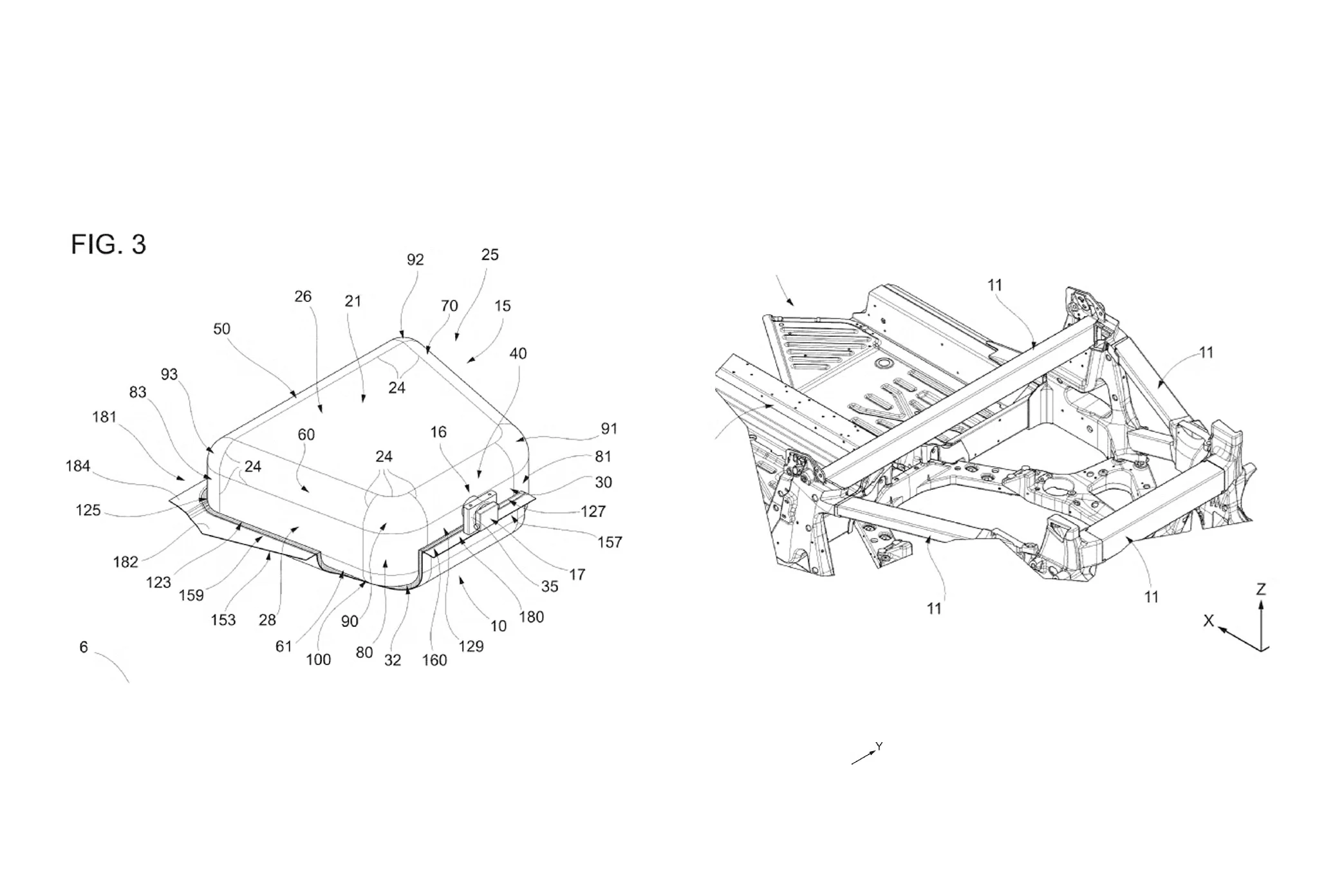
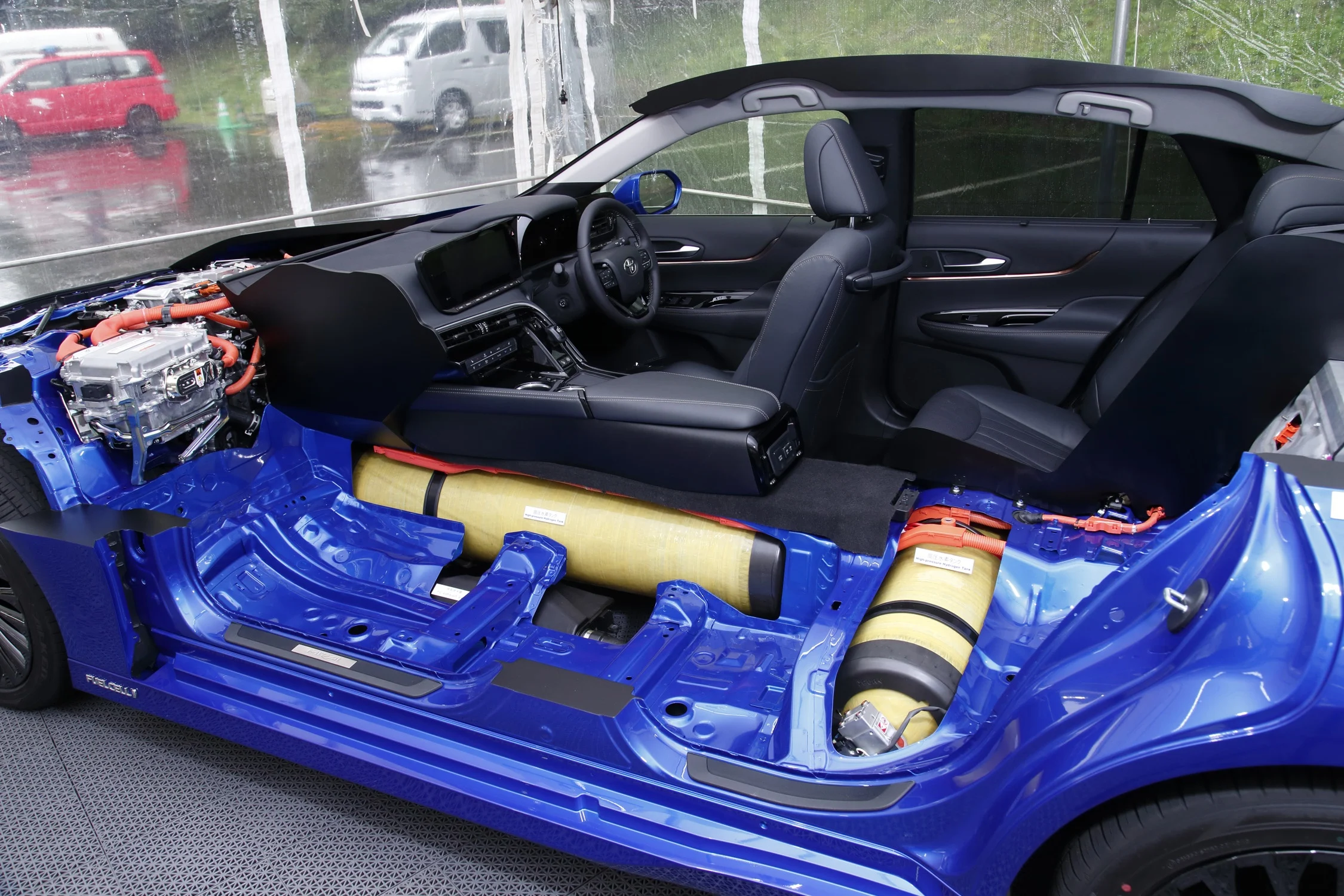
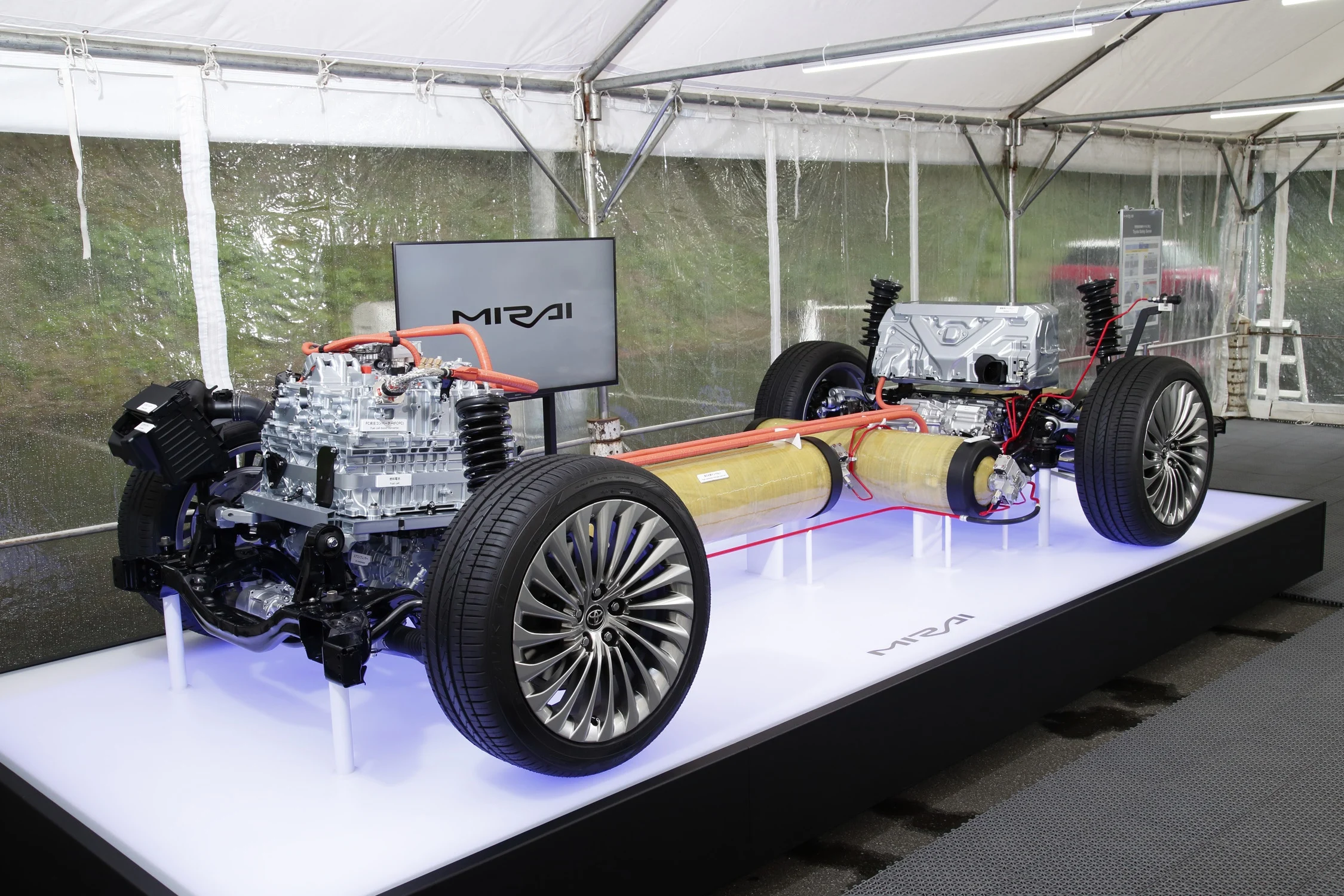
Current FCEVs, such as Toyota’s Mirai, rely on large cylindrical carbon‑fiber‑reinforced tanks that hold hydrogen at roughly 10,000 psi. Ferrari’s concept replaces the rigid shell with a deformable liner that can expand or contract according to the amount of hydrogen inside, while a sturdy outer frame secures the base and one side of the tank.
How the flexible tank works
Imagine a balloon‑like bag made of a material that can stretch under pressure, enclosed in a fixed metal cage. The cage holds the bottom and one side of the tank, ensuring the high‑pressure connection for fuel delivery stays perfectly aligned. By keeping the critical fuel‑line connector stationary, the design avoids the wear and tear that can occur when a rigid tank changes size during operation.
Placement inside the supercar
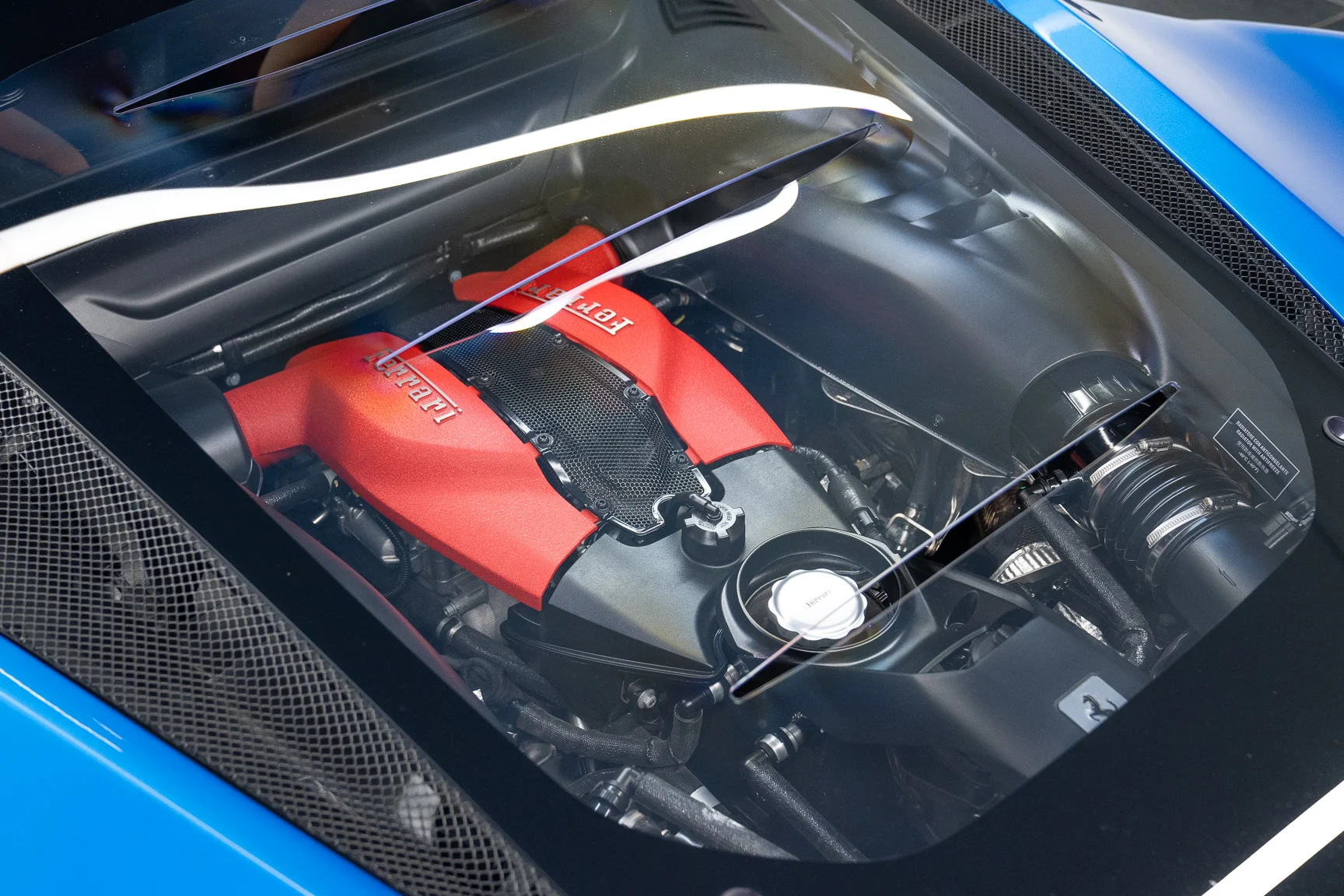
Unlike traditional fuel tanks that sit low under the floor, Ferrari proposes mounting the hydrogen container high up behind the passenger compartment – a space usually reserved for luggage or, on mid‑engine models, for the engine itself. This location could replace the usual engine‑cover panel with a protective shell for the tank.

Adopting an FCEV layout might also push the internal combustion engine forward, leaving the hydrogen tank at the rear. Either way, the usable luggage volume would shrink considerably, a trade‑off that Ferrari seems willing to accept for the performance gains of hydrogen power.
Weight distribution and handling
Placing a sizable tank high in the chassis raises concerns about balance, a key strength of Italian sports cars. However, hydrogen has a distinct advantage: it is much lighter than an equivalent amount of battery mass, which could help preserve the agile handling Ferrari is famous for.
Industry context – electric vs. hydrogen
Pure‑electric vehicles still face challenges such as charging infrastructure and battery cost, especially for high‑performance models that demand long range and rapid refuelling. Hydrogen FCEVs remain a niche, but they offer quick refuelling and a lighter power‑train, making them an attractive alternative for supercars that prioritize speed over efficiency.
Will Ferrari bring a hydrogen supercar to market?
The series of patents filed over the past few years shows that Ferrari is seriously evaluating hydrogen fuel‑cell technology as part of its long‑term strategy, rather than focusing solely on internal‑combustion engines or battery‑electric cars. Whether the concept will move from the drawing board to production remains to be seen, but the patent signals that the prancing horse may soon consider a hydrogen‑powered stallion.
Looking ahead
If the automotive world continues to grapple with the limitations of batteries, hydrogen could become a viable path for ultra‑high‑performance vehicles. Ferrari’s flexible tank design is a bold step toward that future, and it may inspire other manufacturers to explore similar solutions.