
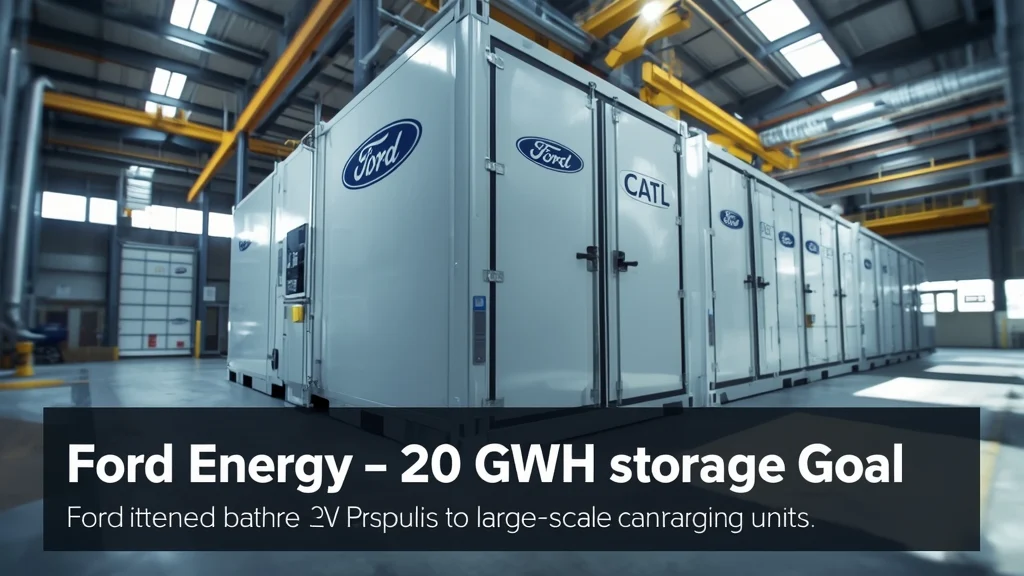
Ford repurposes excess EV batteries for large‑scale energy storage, targeting 20 GWh annually. Discover the shift and its market impact today!
After years of investing billions in an all‑electric vehicle (EV) strategy that fell short of expectations, Ford Motor Co. is redirecting its battery‑making expertise toward a new, high‑growth market: large‑scale energy storage.
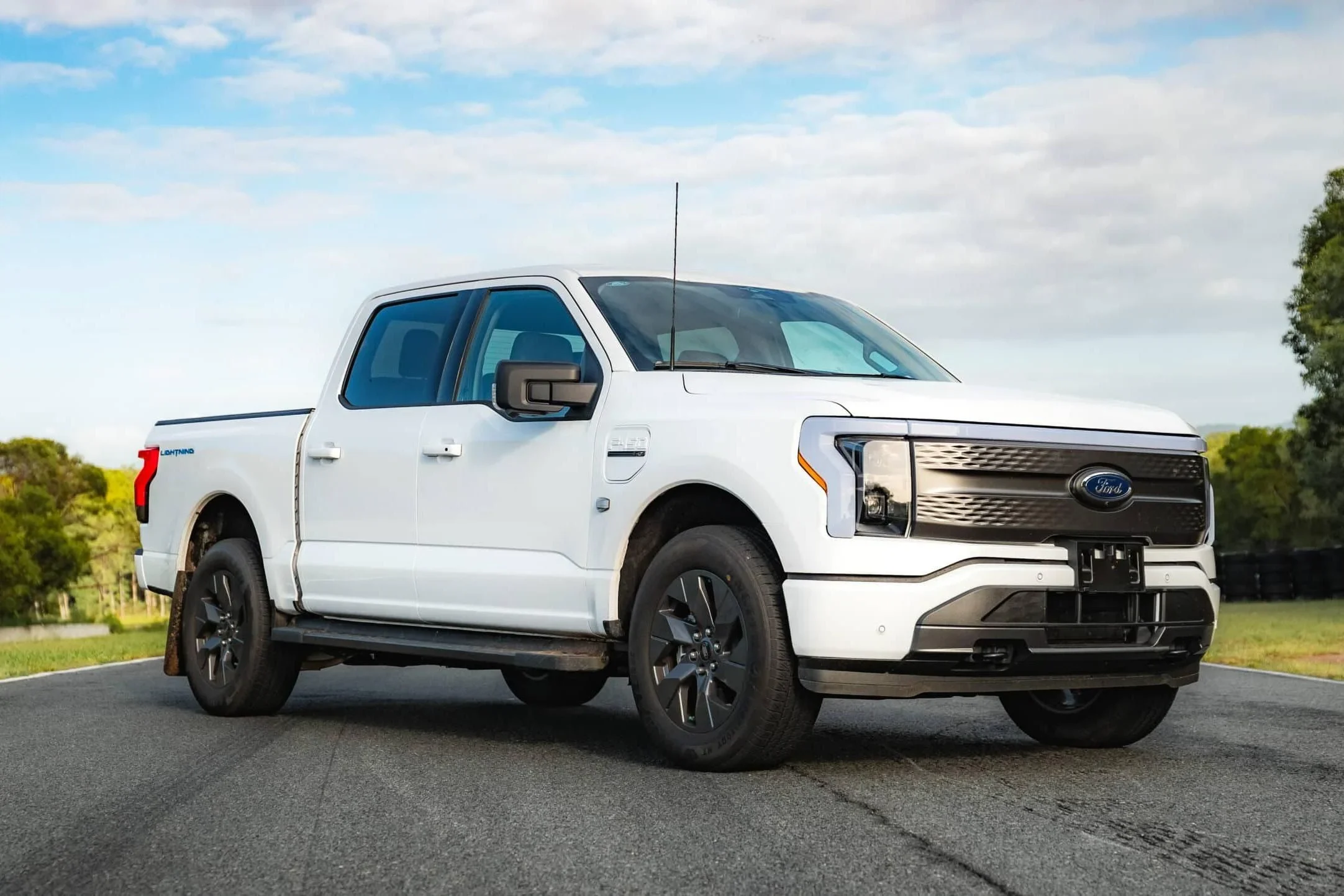
Stock rally follows the launch of Ford Energy
Within two weeks of announcing the creation of a dedicated subsidiary, Ford Energy, the automaker’s shares jumped roughly 28%. The new unit will convert the excess cell capacity built for electric trucks into grid‑scale storage systems, positioning Ford alongside traditional energy players.
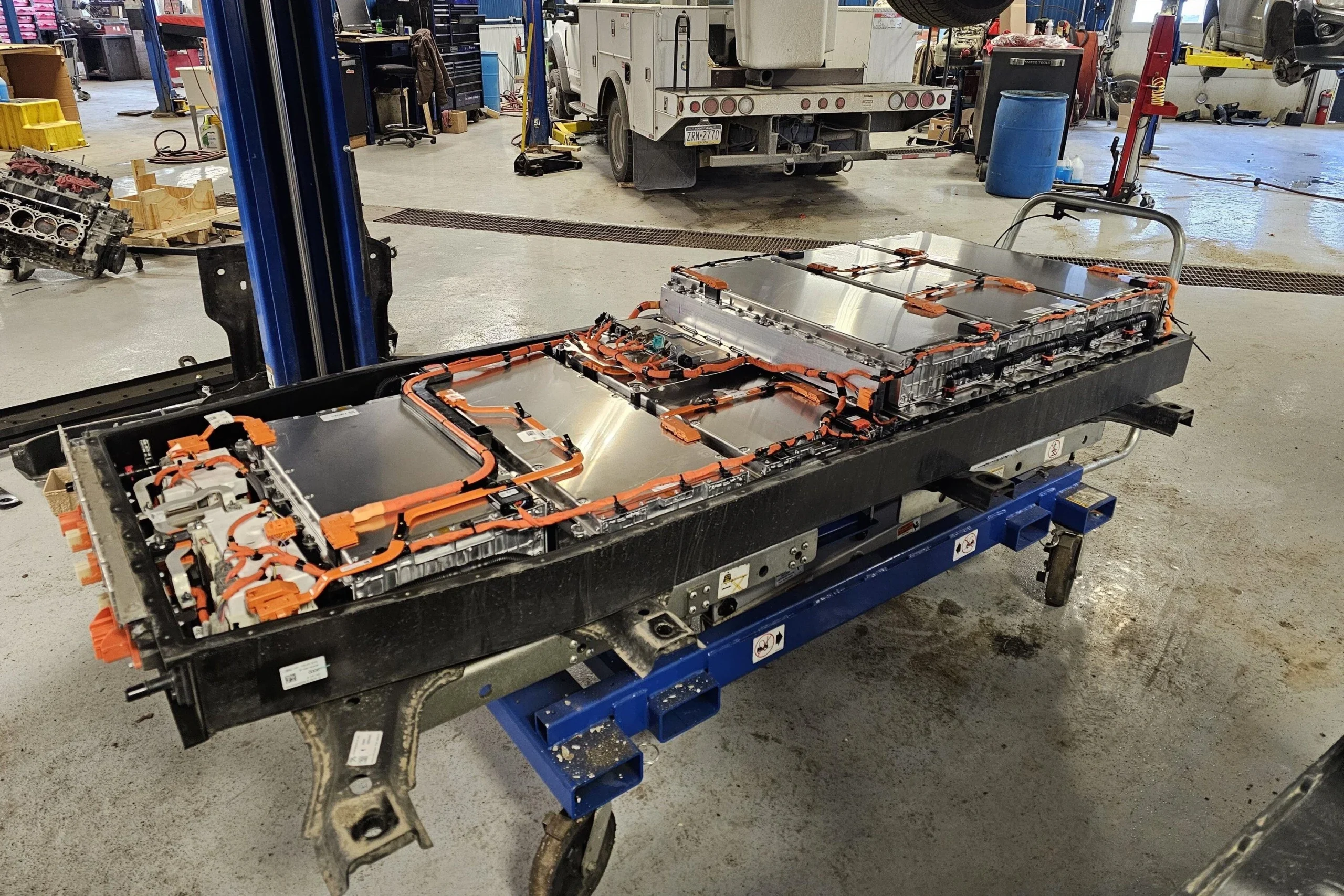
Targeting 20 GWh of storage per year
According to The Wall Street Journal, Ford aims to deliver at least 20 gigawatt‑hours (GWh) of battery storage annually. In May 2026 the company sealed a five‑year agreement with French renewable‑energy developer EDF to supply up to 4 GWh of storage each year – a total of 20 GWh over the contract’s life.

Key partners: CATL and EDF
Ford’s battery cells are produced under a licensing deal with CATL, the world’s largest battery maker. The partnership gives Ford access to proven lithium‑ion technology at its Michigan and Kentucky plants, while CATL gains a foothold in the U.S. market despite recent trade barriers.
The EDF deal demonstrates how Ford plans to monetize its surplus capacity, but analysts say more contracts are needed. James Picariello, head of automotive research at BNP Paribas, estimates that Ford will require roughly five similar agreements within the next 12 months to confidently hit the 20 GWh target.
Why the shift matters
The move comes after Ford recorded a nearly $19.5 billion write‑down last year, trimming the value of its EV programs and canceling joint‑venture battery projects with SK On and LG Energy Solution. Repurposing the existing battery infrastructure allows Ford to extract value from those sunk costs while tapping a market fueled by soaring demand for renewable energy, AI data‑center power, and industrial grid support.
Customers beyond the garage
Unlike its traditional EV focus on private motorists, Ford Energy’s target customers are utilities, large‑scale industrial firms, and AI data‑center operators—sectors that need reliable, on‑demand power and increasingly look to battery storage to balance intermittent renewable generation.
Outlook
If Ford can secure the needed contracts, the energy‑storage division could become a major growth engine, helping the automaker offset the setbacks of its EV ambitions and positioning it at the intersection of automotive technology and the clean‑energy transition.