
Discover how global auto giants are shifting R&D to China, turning it into a new tech hub for electric and hybrid vehicles. Learn more now!
For decades, China was viewed by Western automakers as a low‑cost assembly line for models designed elsewhere. Today that perception is flipping. Leading brands such as General Motors, Volkswagen, Renault, Audi and even Hyundai are handing Chinese engineers full responsibility for developing next‑generation electric and hybrid vehicles that will be sold worldwide.
GM’s Breakthrough with the Buick Electra E7
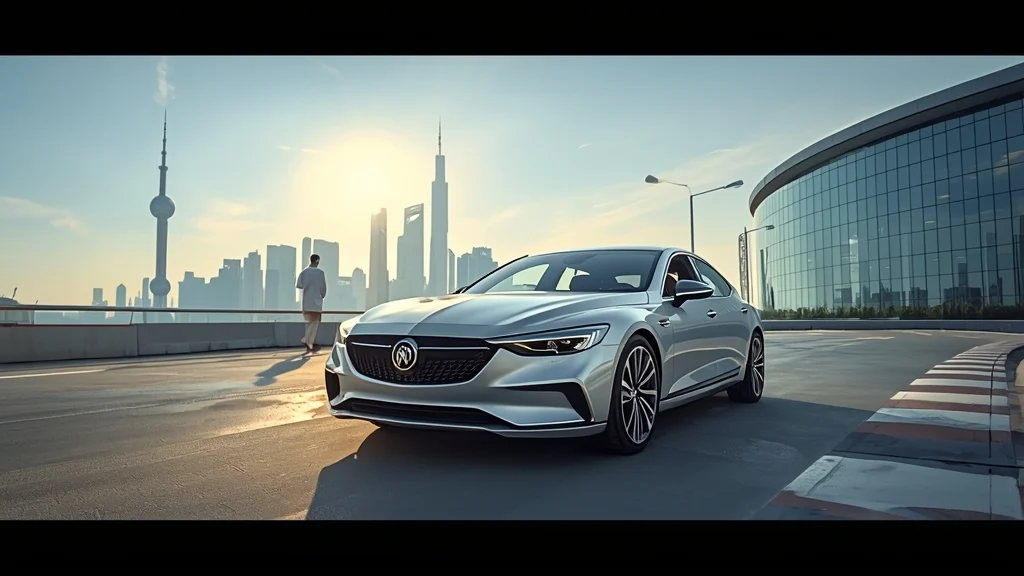
In May, General Motors achieved a milestone that few foreign marques have managed in China: more than 10,000 units of the Buick Electra E7 were sold in its first month on the market. While the badge carries an unmistakably American heritage, every technology under the hood was created in China. The vehicle was engineered at GM’s joint‑venture technical centre with SAIC – the Pan‑Asia Technical Automotive Center (PATAC) in Shanghai – and sits on a home‑grown platform called Xiao Yao, meaning “freedom” in Daoist philosophy.
According to insiders, GM plans to export the Electra E7 to South Korea and to use the Xiao Yao chassis for the next generation of the Cadillac Optiq, marking the first time a Chinese‑developed platform will underpin a premium U.S. brand.
The Xiao Yao Platform: A Technical Leap
Xiao Yao boasts a 900 V ultra‑fast charging system and a plug‑in hybrid drivetrain that delivers fuel‑efficiency figures GM claims are market‑leading. These features are not yet available on any Detroit‑designed GM model, highlighting how Chinese R&D is outpacing the U.S. headquarters in certain areas. The platform is also set to replace GM’s older Ultium architecture on future Optiq models, a switch that comes after the Ultium‑based variants struggled with sales in China.
Other Global Players Following Suit
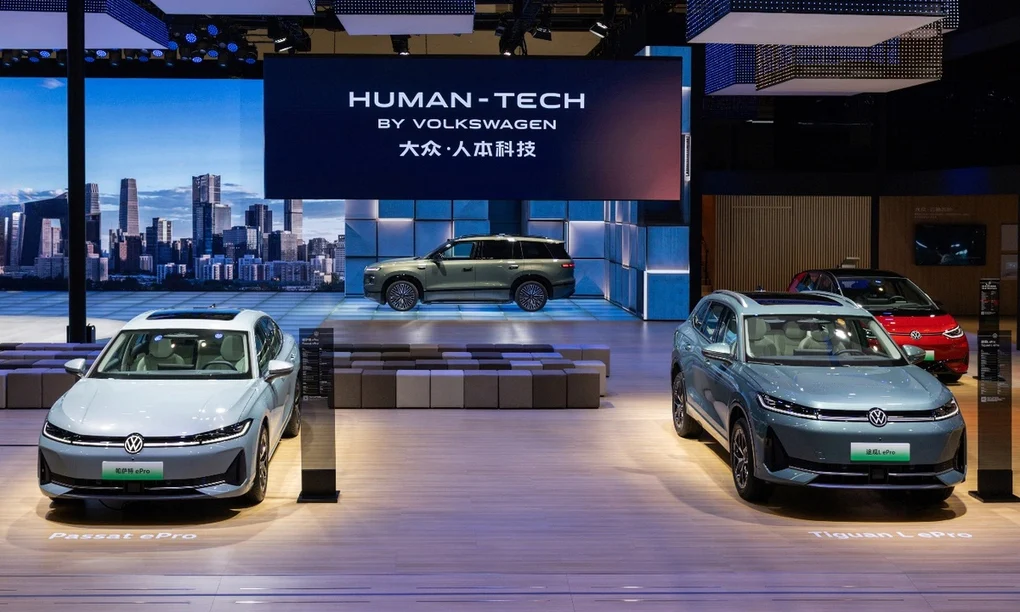
Volkswagen’s Chinese partner SAIC is similarly empowering local engineers, while Renault’s Shanghai R&D hub recently birthed the compact Twingo E‑Tech, now sold across Europe. Hyundai, despite modest sales in China, continues to pour investment into the market, aiming to make it a central hub for research, development and export.
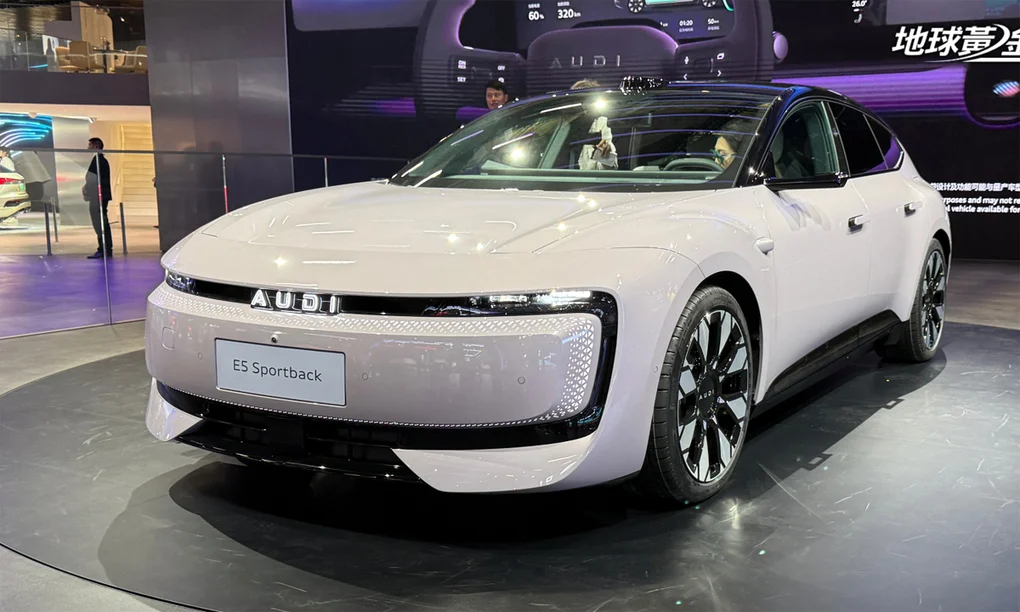
Audi, the premium arm of Volkswagen, announced a fully autonomous R&D centre in Shanghai that will develop the new AUDI E5 Sportback. The E5 features a smart air‑suspension system that uses sensors to predict vertical movement, delivering a smoother ride that rivals – and in some tests surpasses – German‑engineered competitors such as Mercedes‑Benz’s CLA‑EV.
Since its launch at the end of 2025, the E5 has averaged 910 units per month in China, outpacing the CLA‑EV’s 296 units, according to ThinkerCar data. European enthusiasts have already begun asking why the model isn’t offered in their markets.
Why the Shift Matters
- Talent pool: China now produces a generation of engineers specialised in electric drivetrains, high‑voltage battery systems and advanced vehicle software.
- Speed to market: Local R&D teams can react instantly to Chinese consumer trends, cutting development cycles dramatically.
- Cost efficiencies: Developing technology in‑house in China reduces reliance on costly overseas engineering resources.
Gartner’s Vice‑President of Research, Pedro Pacheco, summed it up: “Traditional car makers are essentially manufacturers trying to adapt to a technology‑first world. They have gone to the right place – China – where they are certain to find the talent they need.”
Risks and Challenges
Moving R&D across borders is not without friction. Cultural differences can spark internal conflict, and the transfer of “intellectual capital” raises geopolitical concerns. Gartner warns that an over‑reliance on Chinese development could weaken the broader ecosystem of suppliers and research institutions in the home markets of these automakers.
Renault’s experience with the Twingo E‑Tech illustrates the tension. The French brand developed the model in Shanghai in just 21 months – a speed that CTO Philippe Brunet described as “astonishing” – but faced scepticism from Paris over quality standards and the long hours demanded of local engineers. To bridge the gap, Renault rotated French engineers to the Chinese centre, hoping they would become the internal champions of the project back home.
Looking Ahead
Data from the German‑China Chamber of Commerce shows that the share of German automotive R&D conducted in China jumped from 12 % to 33 % in just two years, underscoring how quickly the balance of knowledge flow is changing.
Industry leaders believe this trend will continue, but they also stress the need for clear governance structures to mitigate political and cultural risks. As more brands adopt a China‑first development strategy, the global automotive landscape will likely become a more collaborative, multi‑regional ecosystem.
For consumers, the upside is clear: faster innovation, more locally‑tuned vehicles, and potentially lower prices. For the industry, the challenge will be to harness China’s technological momentum while preserving the strategic assets that have long defined their home‑market advantage.