

German car makers face shrinking sales amid a volatile global auto market, trade tensions and a sluggish EV transition. Read on for insights.
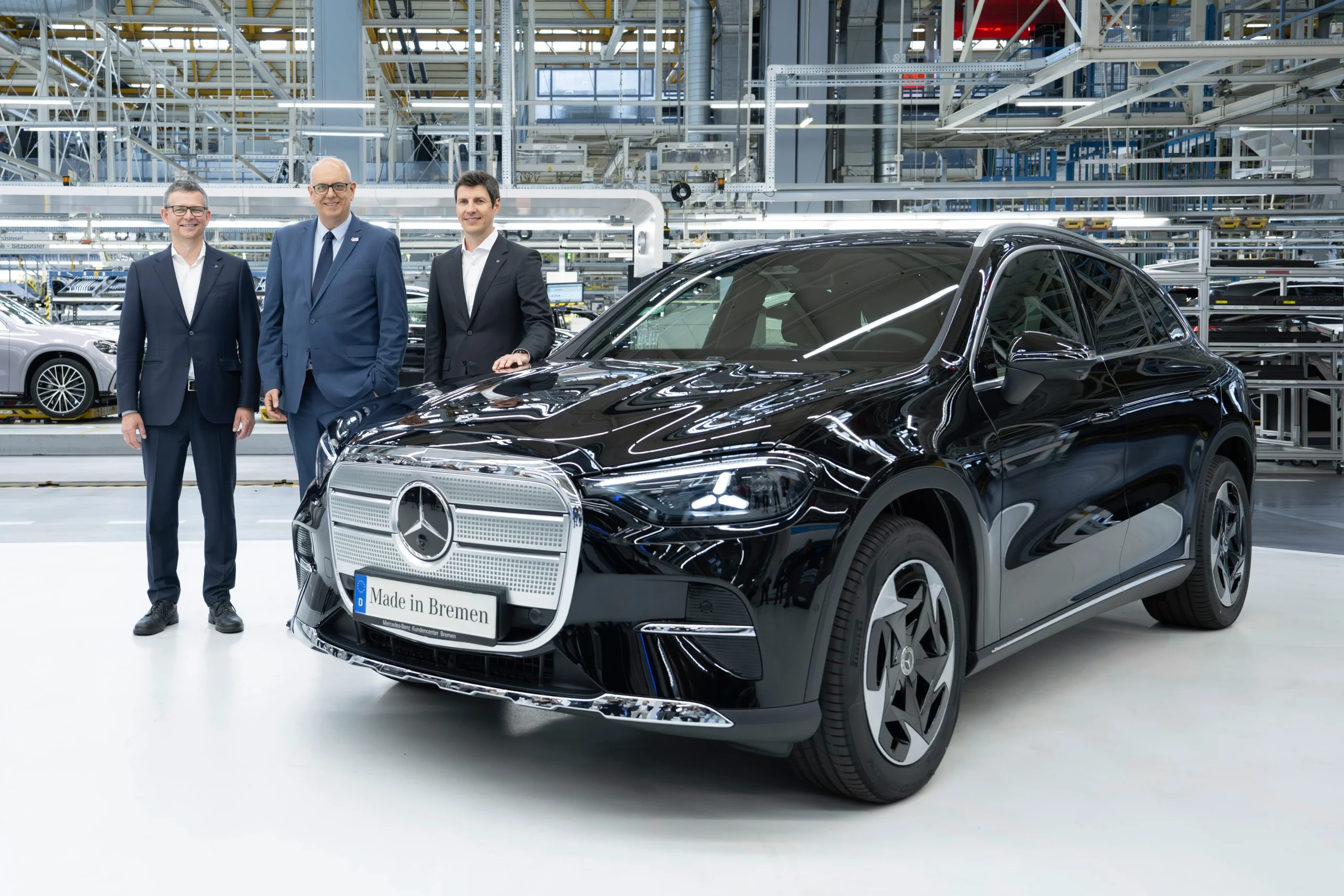
German automakers are feeling the heat as the worldwide car industry wrestles with trade disputes, geopolitical unrest and a slower‑than‑expected shift to electric vehicles (EVs). The pressure is mounting fast, and the stakes have never been higher.
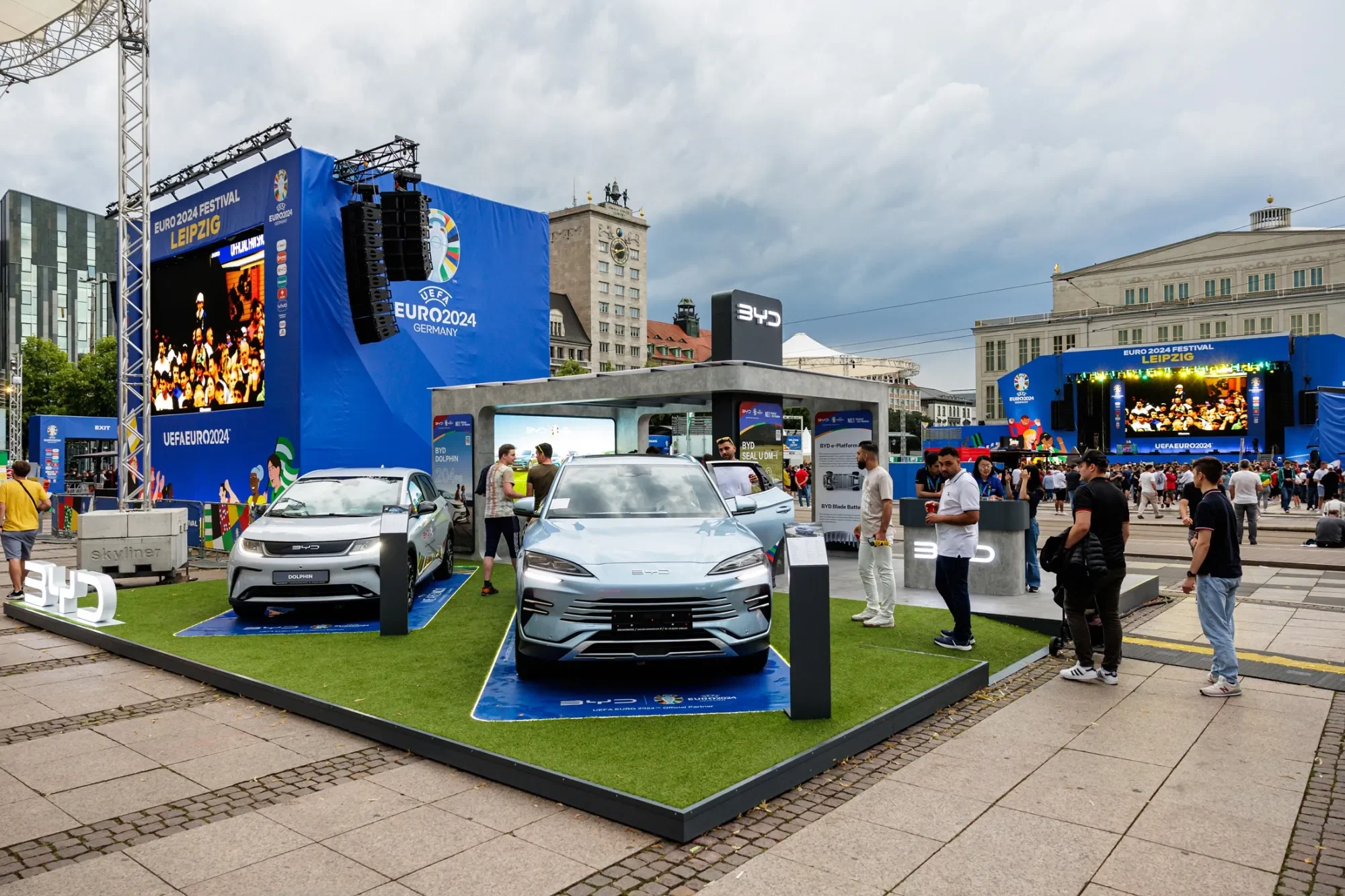
Global Auto Market Turbulence
According to Reuters, the global automotive sector is navigating a perfect storm of challenges. Trade tensions, regional conflicts and rapid technological change are reshaping demand patterns across every major market.

German Automakers’ Performance in Q1 2026
Consulting firm EY’s latest analysis shows that, in the first quarter of 2026, worldwide automotive revenue grew modestly by 2% year‑on‑year, driven largely by Japanese and American manufacturers. In stark contrast, Germany’s major car groups recorded a 4% decline in sales, signalling a loss of momentum against their international rivals.
Key Challenges Facing German Brands
- Weak demand in core markets: Sales in the United States and China—two of the world’s biggest car markets—are slipping, eroding a vital revenue stream for German firms.
- Overcapacity and high fixed costs: Production facilities are running below optimal levels, inflating unit costs and squeezing margins.
- Software investment pressure: The race to embed advanced digital features is forcing manufacturers to pour billions into software development, a field where they traditionally lag behind tech‑focused rivals.
- Slower EV rollout: While the industry as a whole is accelerating toward electrification, German brands are perceived as lagging, with EV launch schedules falling short of consumer expectations.
External Pressures Adding to the Strain
Beyond internal hurdles, external forces are compounding the downturn. Ongoing conflict in the Middle East is expected to heighten global economic uncertainty, while rising fuel prices and persistent inflation are dampening car‑buying enthusiasm across Europe.
Outlook and Strategic Imperatives
EY warns that the current downward trend could persist through the next several quarters unless German manufacturers act decisively. The firm’s automotive specialist, Constantin Gall, stresses that a rapid pivot toward electric mobility, bolstered software capabilities, and the identification of fresh growth engines are essential for preserving Germany’s historic leadership in the auto sector.
In a market that is being reshaped before its eyes, the next moves by German car makers will determine whether they can reclaim their competitive edge or slip further behind the global curve.