
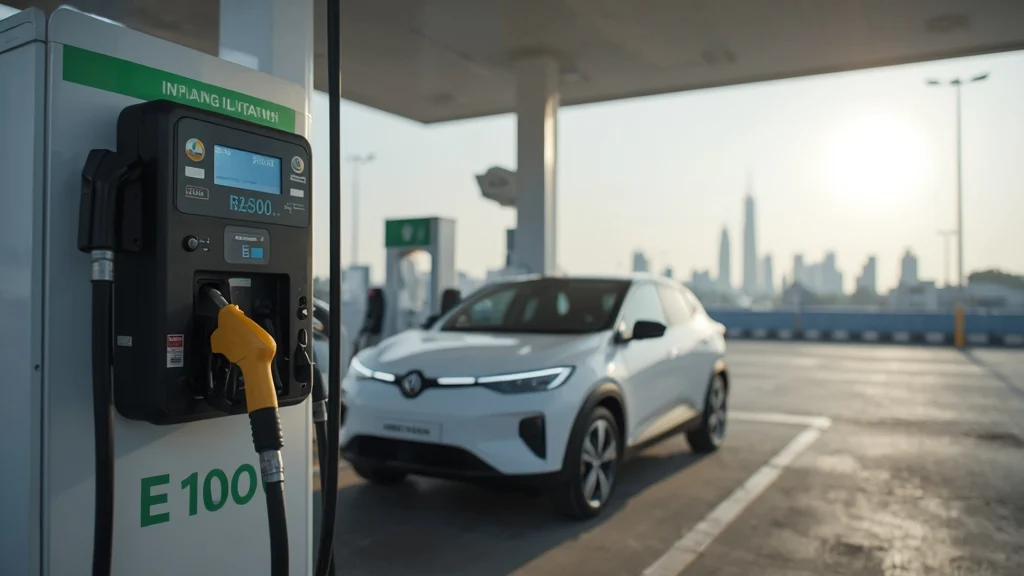
India plans to install 5,000 E100 ethanol fuel stations in two years to cut oil imports. Learn how flex‑fuel vehicles could reshape the market.
Amid a global energy crunch, the Indian government has unveiled an ambitious plan to deploy 5,000 E100 ethanol‑fuel stations across the country within the next two years. The move aims to curb the nation’s soaring crude‑oil imports and accelerate the shift toward renewable transportation.
Deployment timeline
The first 150 retail outlets are slated to open within a month in four major metros – Delhi, Mumbai, Pune and Nagpur. A second wave will extend the network to Bangalore, Chennai, Kolkata and Hyderabad over the following six to twelve months, according to Economic Times.
What is E100?
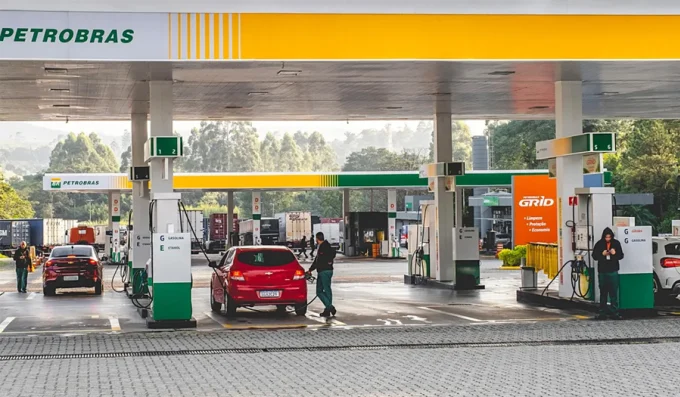
E100, often called pure ethanol or “anhydrous ethanol,” is theoretically 100% ethanol. In practice it contains a small amount of water – typically around 3.5% by volume. Brazil has been using a similar blend since the late 1970s, where the fuel consists of 95.63% ethanol and 4.37% water by weight.
Flex‑fuel vehicles ready for the shift
India’s major automakers – including Maruti Suzuki, Hyundai, Tata Motors, Toyota, Mahindra, Hero MotoCorp and TVS – already have prototype flex‑fuel models that can run on blends from the standard E20 up to E85 and E100.
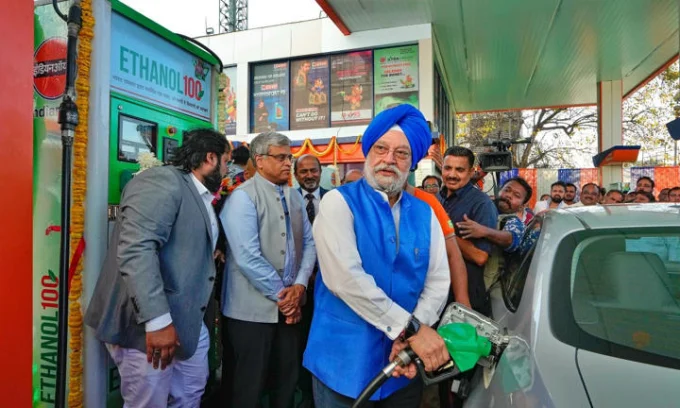
These vehicles are engineered to handle high‑ethanol content without the need for engine modifications, unlike conventional gasoline engines that are tuned for up to 20% ethanol.
Economic and strategic impact
By 2026, India’s crude‑oil imports are projected to hit about ₹10.9 trillion. Increasing the share of domestically produced ethanol – derived from sugarcane and surplus crops – could significantly reduce that figure.
Earlier this year, the government met its target of blending 20% ethanol (E20) into gasoline by 2025 and is now eyeing higher blends such as E85 and E100, as reported by Reuters.
Challenges: price and consumer adoption
Automakers stress that high‑ethanol blends will only gain traction if they are priced well below conventional petrol. In Brazil, the lower cost of E85/E100 fuels drives consumer uptake, despite ethanol’s lower energy density.
India’s industry is lobbying for a pricing structure and tax incentives that would narrow the cost gap between flex‑fuel and regular gasoline, making the higher‑priced flex‑fuel vehicles financially attractive.
What buyers should consider
Most new cars sold in India are currently certified for E20. While many of these models can tolerate higher ethanol blends, they are not officially classified as flex‑fuel and prolonged use of E85/E100 could affect fuel‑system components.
Prospective buyers are advised to verify whether a vehicle is truly flex‑fuel‑compatible before committing, especially as the retail network for E85/E100 is still limited to pilot cities.
Looking ahead
The Ministry of Petroleum and Natural Gas (MoPNG) continues to refine the ethanol rollout roadmap. Success hinges on expanding the fueling infrastructure, ensuring competitive pricing, and aligning vehicle availability with consumer demand.
For anyone eyeing a new car or two‑wheelers, the key question is whether the emerging E100 ecosystem will be robust enough within the next 2‑3 years to justify a flex‑fuel purchase today.
Stay updated on India’s renewable fuel transition and discover how flex‑fuel technology could reshape the automotive landscape.