
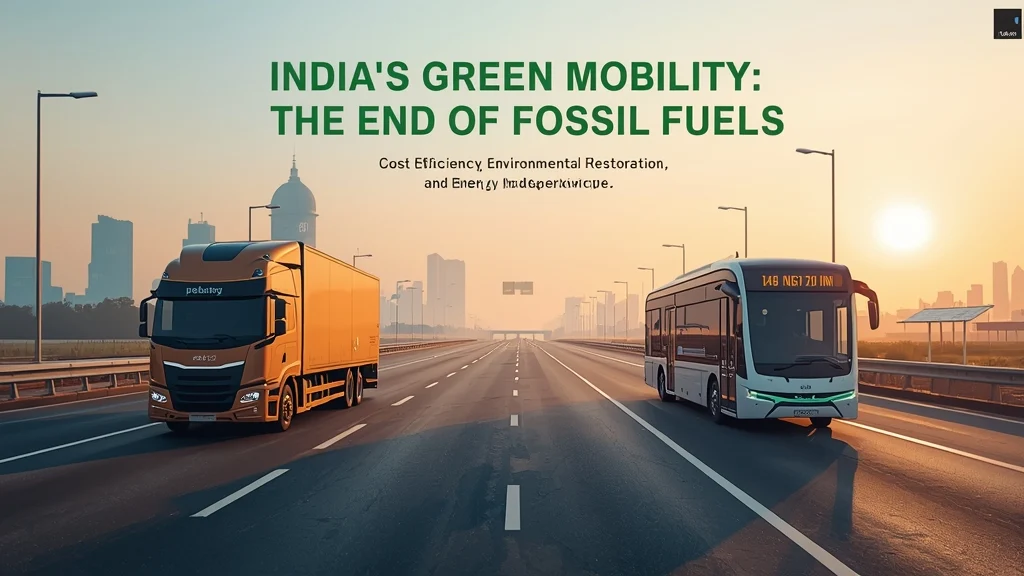
India is pivoting toward EVs, hydrogen, and biofuels to combat pollution and import costs. Explore the roadmap to green mobility here.
In a candid and decisive declaration, India’s Minister of Road Transport and Highways, Nitin Gadkari, has sent a clear signal to the global automotive industry: the era of traditional petrol and diesel engines is coming to an end.
nn
A Paradigm Shift in Transportation
Speaking at a recent event on April 28, Minister Gadkari didn’t mince words regarding the trajectory of the country’s transport sector. He emphasized that internal combustion engines (ICE) fueled by pure fossil fuels no longer have a place in India’s long-term vision. The government is now aggressively pivoting toward a diversified ecosystem of hybrid vehicles, battery electric vehicles (BEVs), and sustainable biofuels.
nn
While the immediate focus remains on public transit—such as buses and government fleets—the mandate extends to passenger cars. The message to automakers is urgent: accelerate the transition to cleaner alternatives or risk becoming obsolete in one of the world’s largest markets.
nn
The Drivers of Change: Economics and Ecology
India’s aggressive push toward green mobility isn’t just about environmental stewardship; it is a strategic economic necessity. The transition is being driven by two primary pressures:
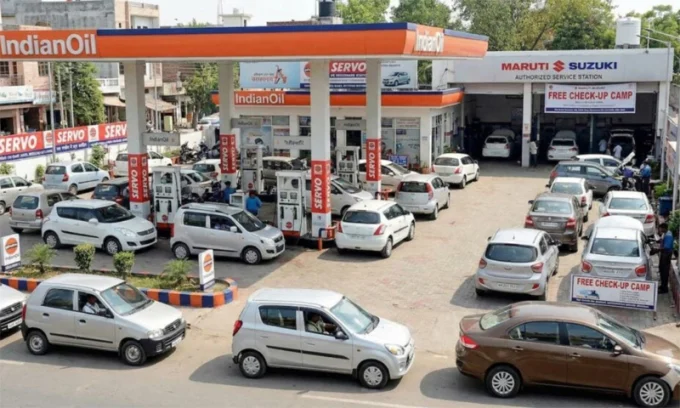
- Economic Sovereignty: India faces skyrocketing fuel import bills, a situation exacerbated by geopolitical instability in West Asia. Reducing reliance on imported oil is critical for national economic stability.
- Environmental Crisis: With pollution levels reaching alarming heights in major urban centers, the shift to zero-emission vehicles is a matter of public health.
nn
Beyond Electricity: The Role of Biofuels and Isodiesel
While EVs dominate the headlines, Minister Gadkari is championing a multi-pronged approach. A significant part of the strategy involves biofuels, specifically E85 and other sustainable blends, to replace pure gasoline.
nn
The Promise of Isodiesel
One of the most intriguing developments is the testing of Isodiesel. Designed as a successor to current biodiesel programs, Isodiesel is a blend of traditional diesel and isobutanol. This alternative is expected to:
- Burn cleaner, significantly reducing exhaust emissions.
- Provide superior lubrication compared to standard diesel.
- Ensure sustainability, as isobutanol is derived from sugarcane and surplus grains, supporting the local agricultural economy.
nn
Hydrogen: The Future of Heavy-Duty Transport
For long-haul logistics and heavy machinery where batteries may fall short, India is betting big on hydrogen. The government is currently overseeing pilot projects for hydrogen-powered trucks and buses on select routes.
nn
The private sector is already mirroring this ambition. The Adani Group has announced a massive $9 billion investment in hydrogen production and transport infrastructure in Kutch. A landmark collaboration between India’s Ashok Leyland and Canada’s Ballard Power Systems has already resulted in the development of a 40-ton hydrogen-powered truck, slated for further rollout in 2025.
nn
The Three Pillars of India’s Transport Vision
Minister Gadkari’s roadmap for the future of Indian mobility rests on three core pillars:
- Cost Efficiency: Green mobility solutions must be affordable and accessible to the general public to ensure widespread adoption.
- Environmental Restoration: A drastic reduction in carbon emissions and urban smog.
- Energy Independence: Strengthening the economy by eliminating the vulnerability associated with fuel imports.
nn
Conclusion: A Wake-Up Call for Automakers
India’s shift is more than just a policy change; it is a complete reimagining of how a nation moves. For global automotive manufacturers, this is a clear signal to redirect R&D investments toward electrification, hydrogen fuel cells, and advanced biofuels. The road ahead for India is green, and the window for traditional fossil-fuel vehicles is rapidly closing.