
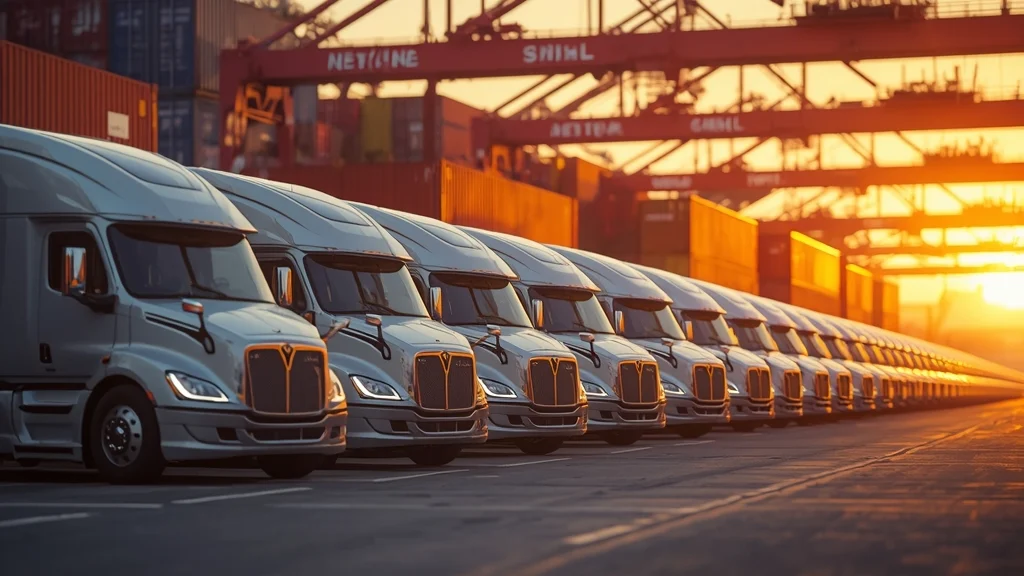
WattEV orders 370 Tesla Semis in a historic $100M deal to electrify California’s freight. Explore the future of zero-emission trucking here!
In a move that signals a massive shift toward sustainable logistics, electric transport company WattEV has placed a landmark order for 370 Tesla Semis. Valued at over $100 million, this transaction stands as the largest order for zero-emission heavy-duty trucks in California’s history, underscoring the rapid acceleration of the US transition to carbon-neutral freight.
A Milestone for Electric Heavy-Duty Transport
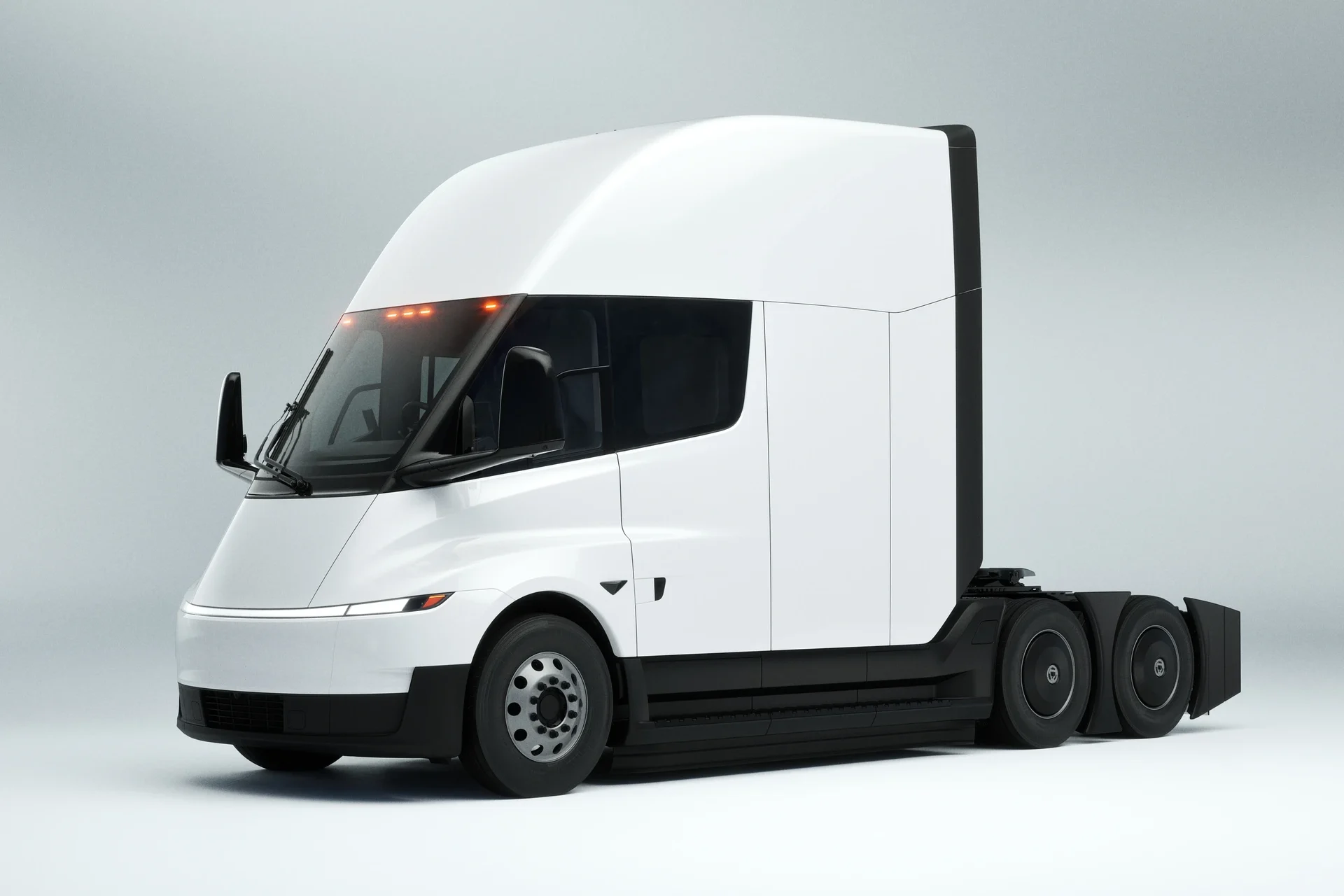
According to official announcements from Tesla and WattEV, this deal is the most significant ever recorded for the Tesla Semi. The rollout will be phased, with the first 50 trucks expected to be delivered in 2026, and the entire fleet of 370 vehicles slated to be operational by the end of 2027.
Electrifying the Port of Oakland
The strategic focus of this fleet is clear: decarbonizing the heart of California’s logistics. More than 300 of the ordered trucks will be dedicated to a partnership with the Port of Oakland. These vehicles will handle “drayage” operations—the critical short-haul transport of containers between seaports and inland logistics hubs.

This initiative aligns perfectly with California’s ambitious environmental mandates to build a fully carbon-neutral freight system, reducing smog and greenhouse gas emissions in high-traffic industrial corridors.
Solving the Infrastructure Puzzle: Megawatt Charging
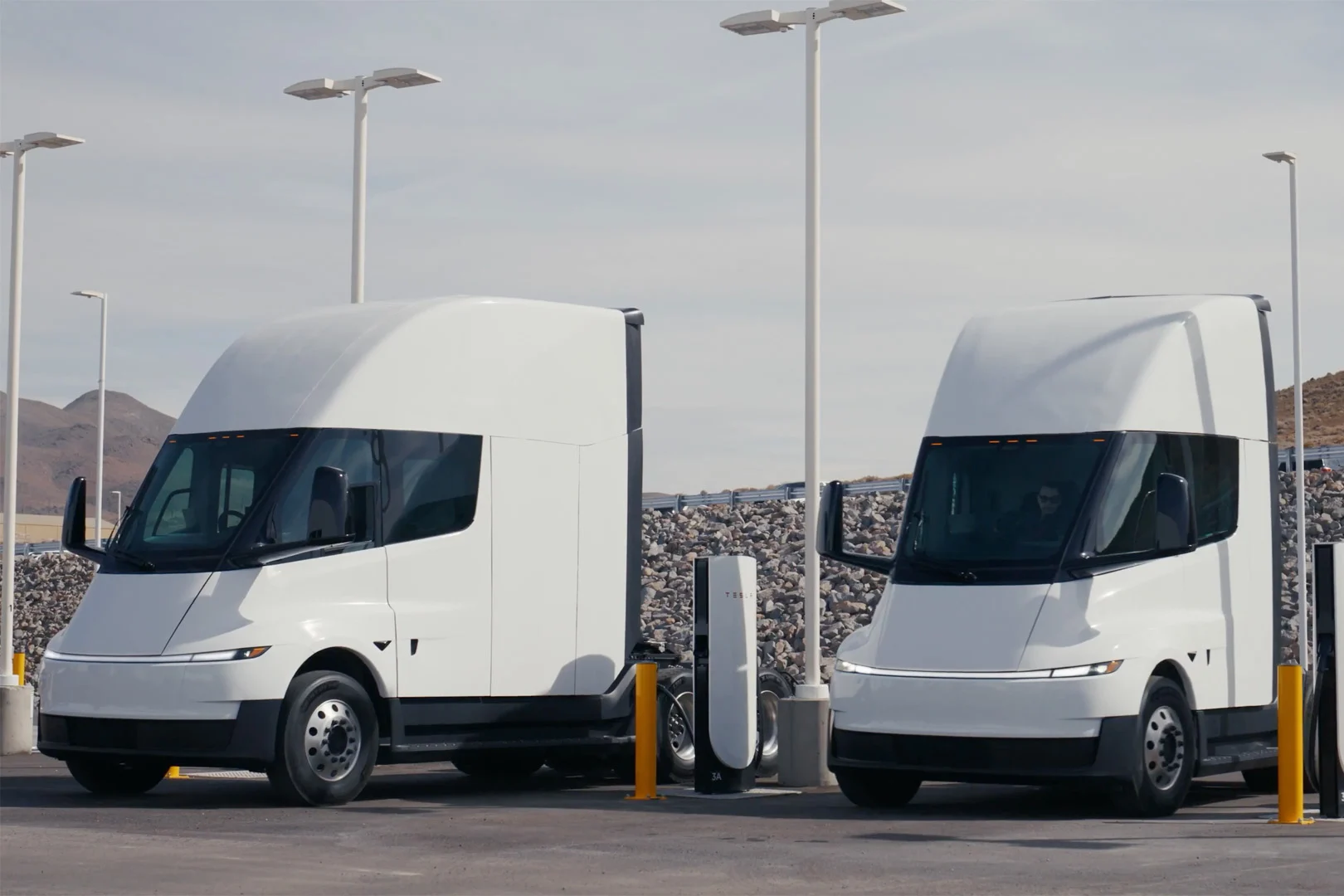
To support a fleet of this magnitude, WattEV is not just buying trucks; they are building the engine of the future. The company is deploying Megawatt Charging Systems (MCS) across key strategic locations, including:
- Oakland
- Fresno
- Stockton
- Sacramento
The MCS technology is a game-changer for the industry, capable of adding approximately 480 km (300 miles) of range in just 30 minutes. This effectively mirrors the refueling time of traditional diesel trucks, removing one of the biggest hurdles to electric semi-adoption: downtime.
From Pilot to Profit: The Economic Case for EV Trucking
WattEV is no stranger to electric trucking. Having already conducted extensive trials at the Ports of Long Beach and Los Angeles, the company has logged millions of kilometers in electric operation. Their findings suggest that combining high-performance electric tractors with strategic fast-charging hubs can achieve economic efficiency that rivals—and potentially exceeds—traditional diesel operations.
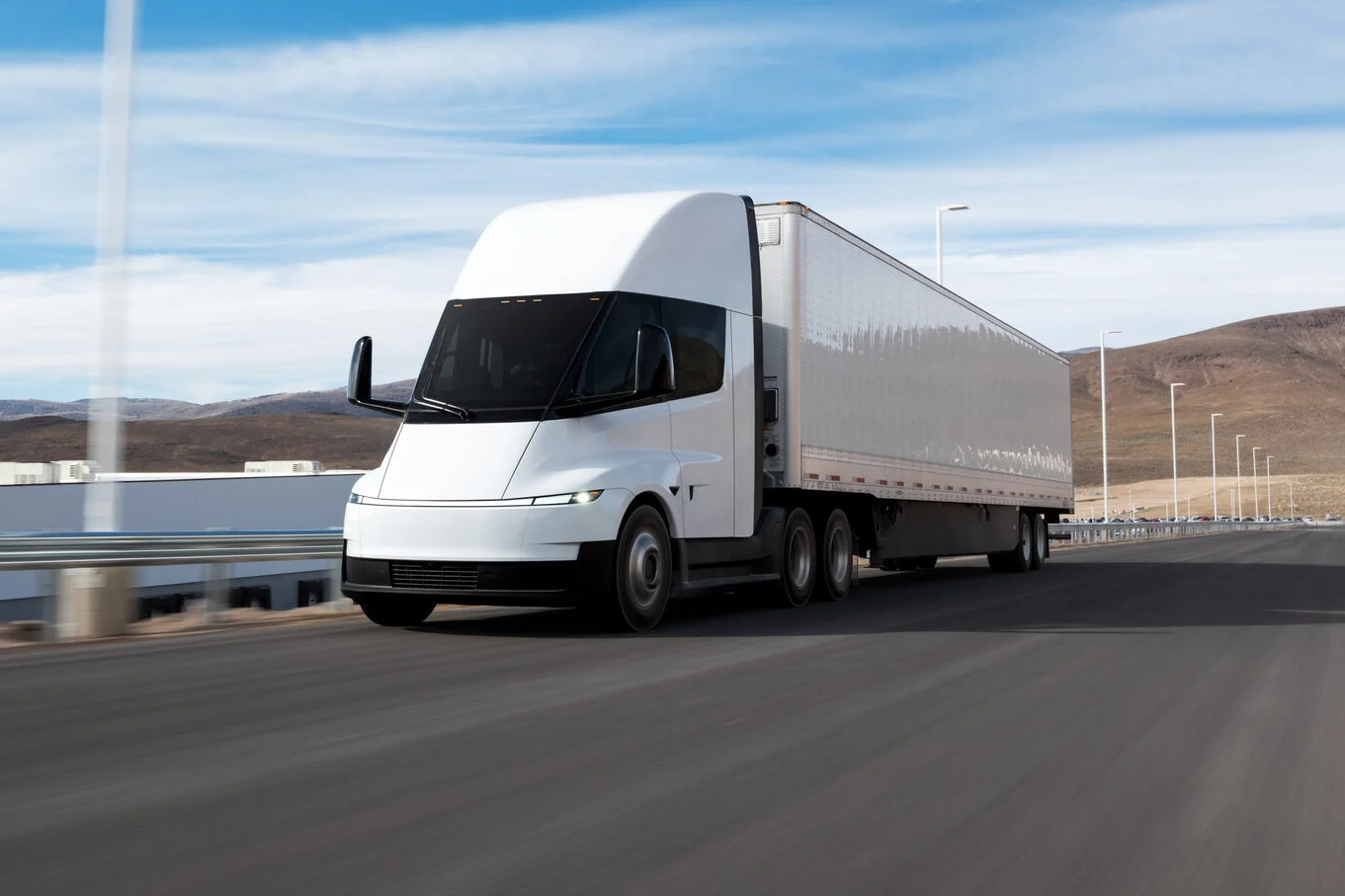
Industry experts highlight several key advantages of the Tesla Semi that make it attractive to fleet operators:
- Superior Torque: Exceptional pulling power for heavy loads.
- Lower Operating Costs: Significant reductions in fuel and maintenance expenses.
- Advanced Safety: Integration of Tesla’s cutting-edge safety and autopilot features.
A Turning Point for the US Logistics Industry
This order comes as Tesla ramps up production at its Nevada Gigafactory, with a goal to significantly increase output starting in 2026. Beyond the business value, the project serves as a massive real-world test for heavy-duty electrification infrastructure in the US.
As diesel prices fluctuate and environmental regulations tighten, WattEV’s “all-in” model—combining the vehicle, the infrastructure, and the operational expertise—provides a blueprint for the rest of the logistics industry. This deal isn’t just about 370 trucks; it’s a catalyst for the global transition to zero-emission freight.