
Learn simple ways to verify if your car or motorcycle can safely use E10 gasoline—check manufacturer guides, dealer advice, and an online database today.
Since E10 gasoline—fuel blended with up to 10% ethanol—became officially available in Vietnam on June 1, many drivers wonder whether their vehicles can handle the new blend without issues.

Why Check E10 Compatibility?
Using a fuel that isn’t approved for your engine can lead to reduced performance, increased wear, or even void your warranty. Fortunately, there are several reliable ways to confirm whether your car or motorcycle is E10‑compatible.
1. Ask the Manufacturer’s Service Team
The quickest and most authoritative answer comes from the dealer or the brand’s technical support. Factory‑trained technicians have access to the latest service bulletins and can tell you:
- Which model years and engine families are approved for E10.
- Any special maintenance notes when using ethanol‑based fuel.
- Whether using E10 affects warranty coverage.
2. Review the Owner’s Manual
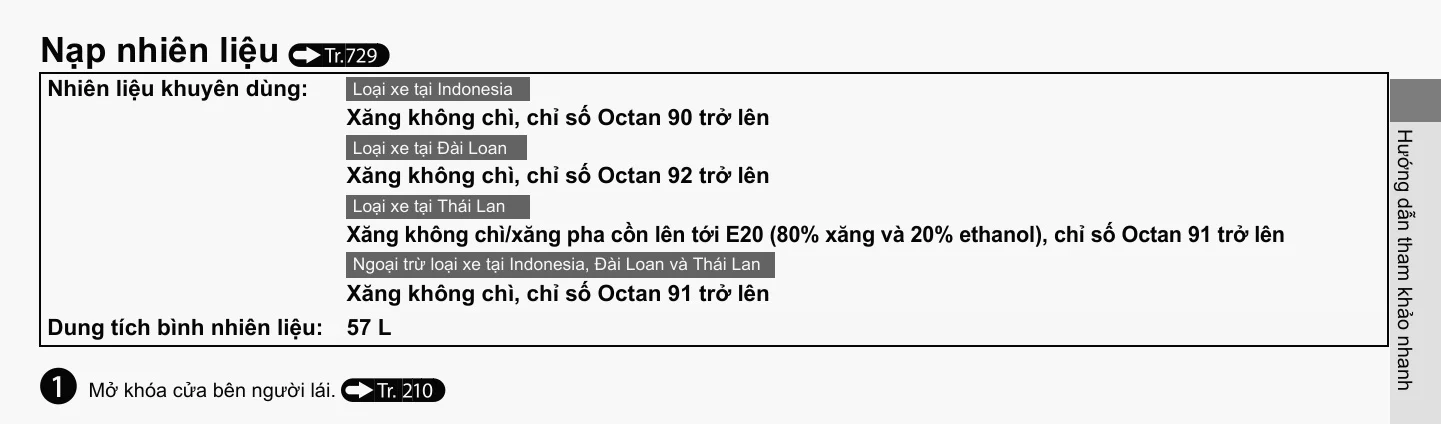
Most new‑vehicle manuals include a fuel‑type section. For example:
- Honda CR‑V e:HEV – recommends unleaded gasoline or ethanol blends up to E20, with an octane rating of 91 or higher.
- Toyota Yaris Cross – states that up to 10 % ethanol (E10) is acceptable, provided the octane is 90 or above.
- Hyundai Creta – advises unleaded fuel with an octane of 91 or higher and cautions against gasohol containing more than 10 % ethanol.
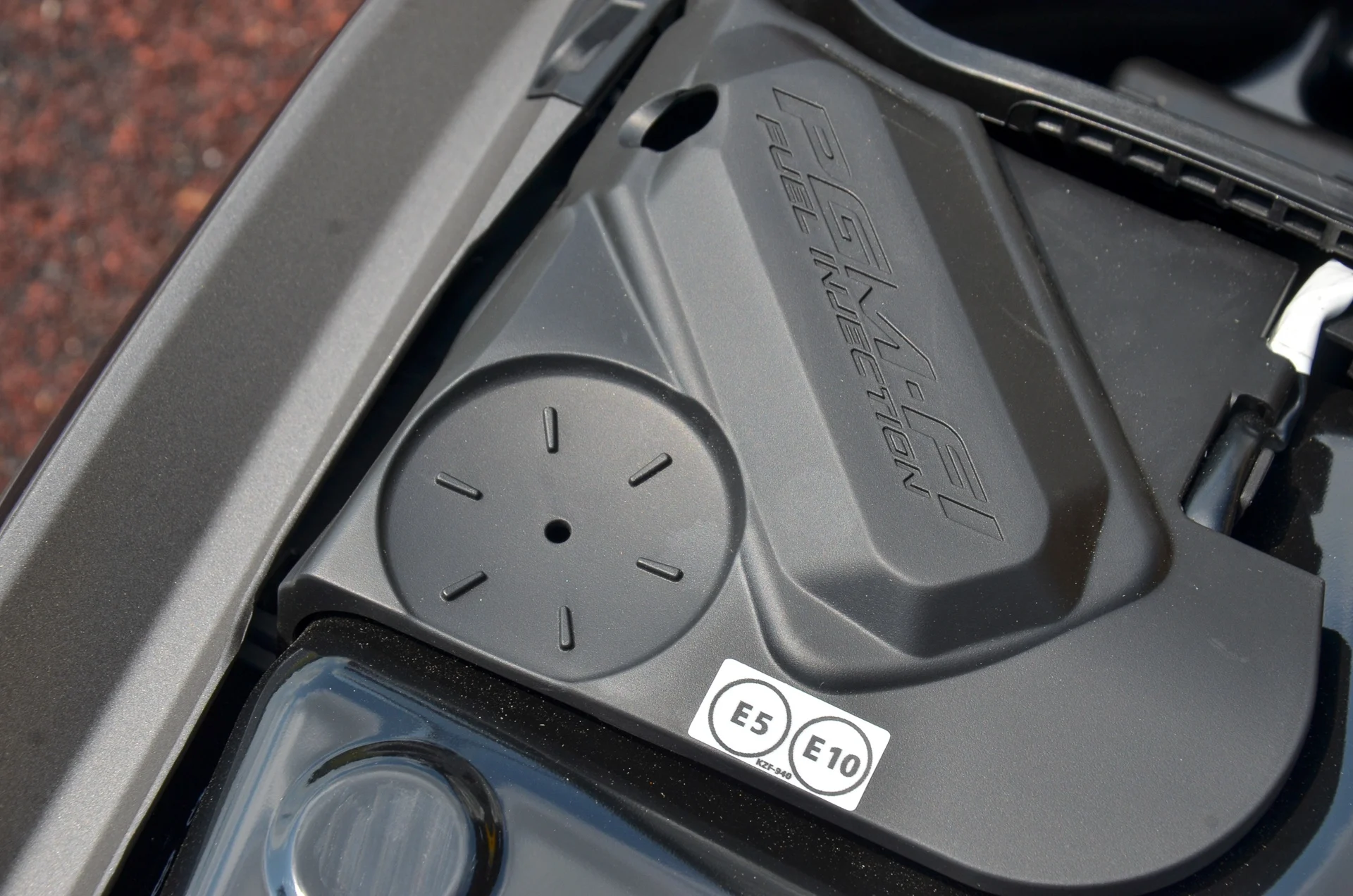
3. Look for E5/E10 Stickers Near the Fuel Cap
Some imported models carry a small label that reads “E5” or “E10” close to the filler neck. The label indicates the maximum ethanol content the vehicle was designed to tolerate.
4. Use an Online Compatibility Database
Vietnamese website E10FuelCheck (formerly “XăngE10”) aggregates data from 42 manufacturers, the national registration authority, and media reports. It covers more than 880 car and motorcycle models.
How to use it:
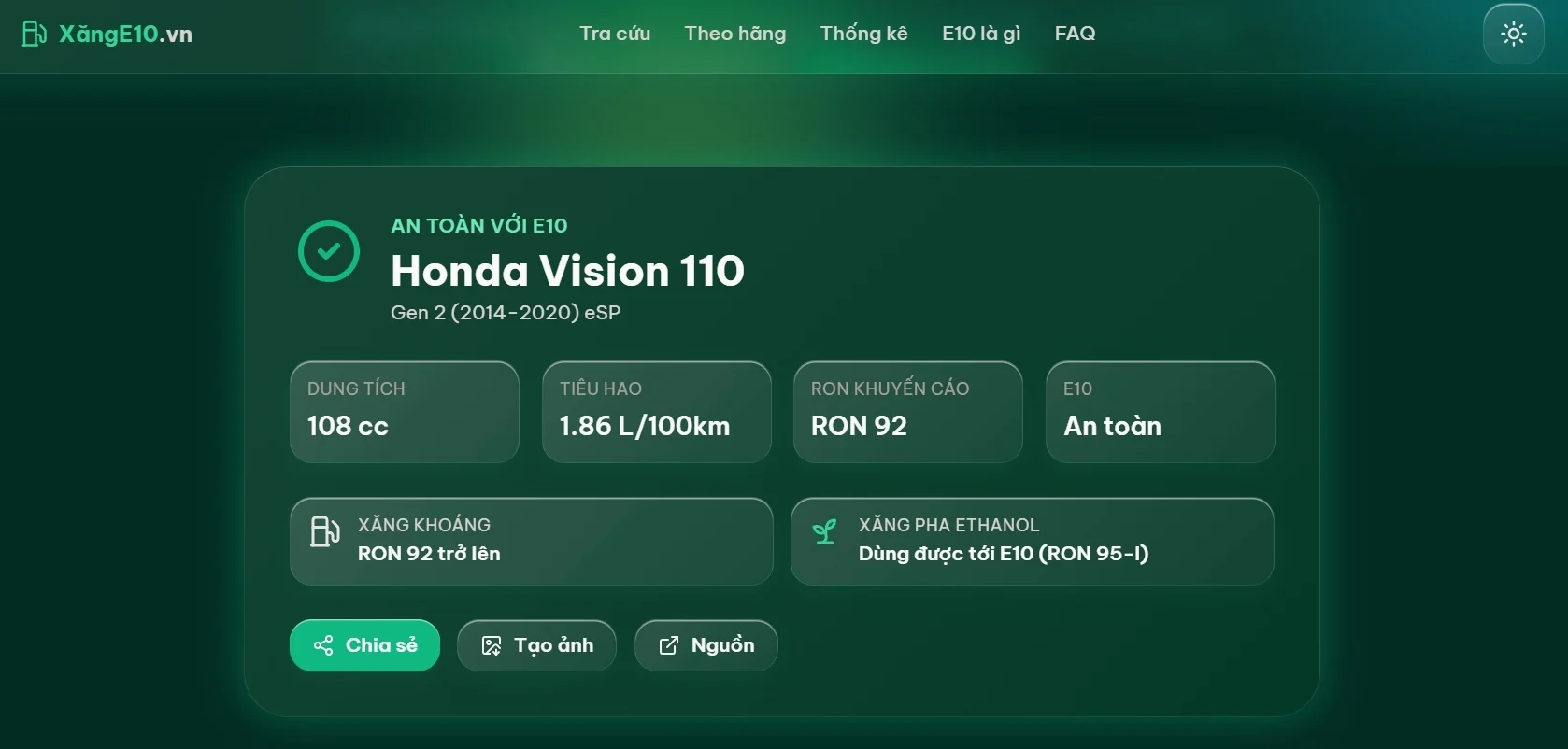
- Enter the make and model of your vehicle.
- Select the exact year or generation.
- Read the result, which includes:
- Safety rating for E10.
- Engine displacement and recommended octane.
- Maximum ethanol blend allowed.
The site also lists 51 models that should avoid E10 and 25 that need further verification. Remember, the database is for reference only—always confirm with the dealer if you have doubts.
5. General Guidance for Older Vehicles
For cars built before the widespread adoption of ethanol blends, it’s wise to:
- Contact the official dealer or service centre.
- Check the original owner’s handbook.
- Use the online lookup as a quick sanity check.
Maintaining the service schedule recommended by the manufacturer will also help keep the engine running smoothly on any approved fuel.
Bottom Line
Most vehicles sold in Vietnam today are compatible with E10 gasoline, meaning you don’t need extra hardware or special tuning. However, a quick verification—whether through a dealer, the manual, a sticker, or an online tool—will give you peace of mind and protect your warranty.
Ready to confirm your vehicle’s E10 status? Start with your dealer or try the E10FuelCheck database now.