

Toyota, Mazda, and Subaru reduce exports to the Middle East amid geopolitical tensions in Iran. Discover how the industry is pivoting. Read more!
Rising geopolitical instability in Iran and the surrounding region has sent ripples through the global automotive industry. Several leading Japanese automakers have announced significant reductions in production and exports destined for the Middle East, citing the increasingly complex security situation.
Mazda Shifts Focus to Western Markets
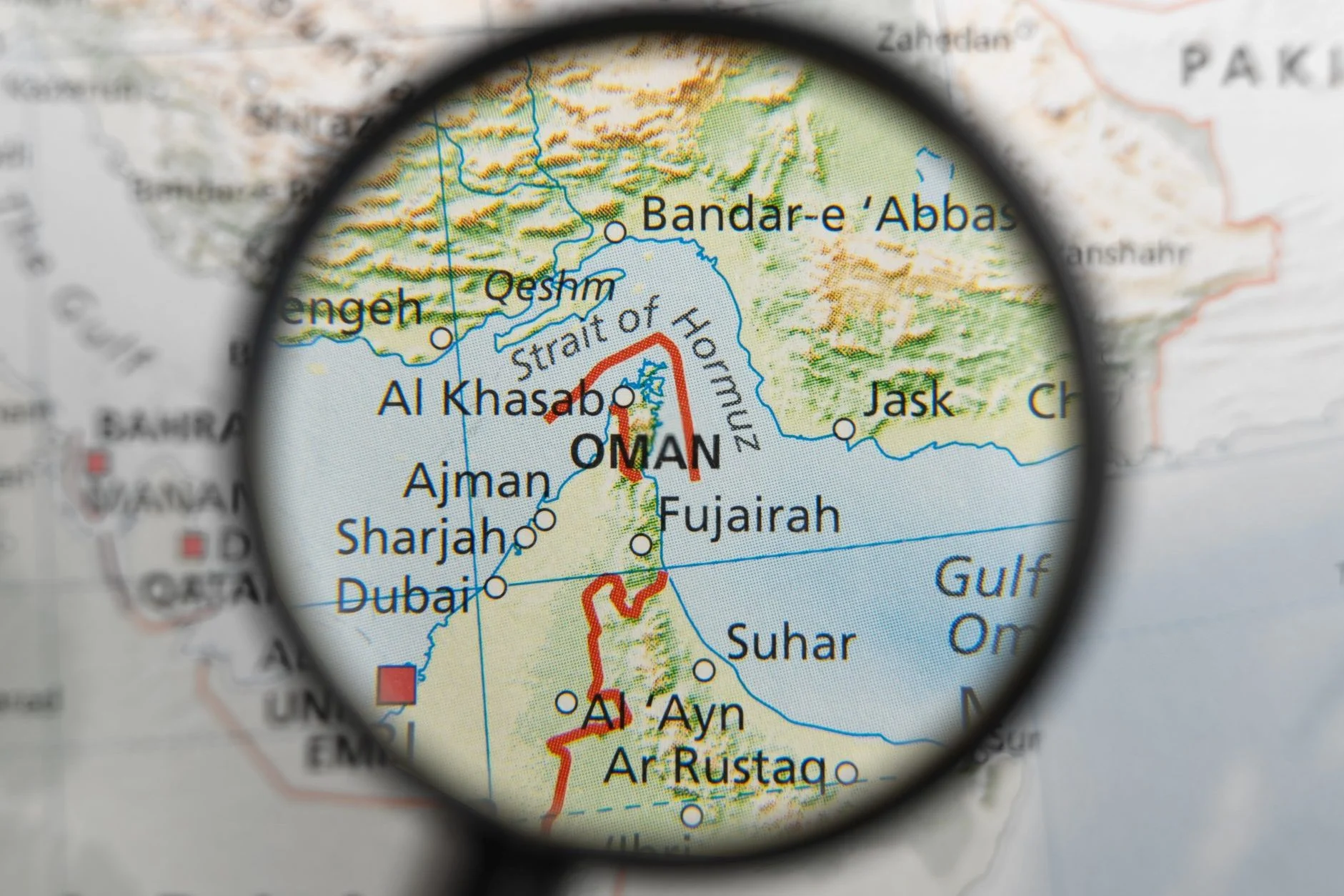
Mazda has taken a decisive stance, announcing a temporary halt in the production of vehicles specifically designed for the Middle Eastern market. This pause is expected to last until May 2026, largely driven by the escalating tensions surrounding the Strait of Hormuz, a critical maritime artery that has faced intermittent disruptions.
In reality, export activities to the region were suspended as early as March. To compensate for the loss in volume, Mazda is strategically reallocating its production capacity toward the United States and European markets.
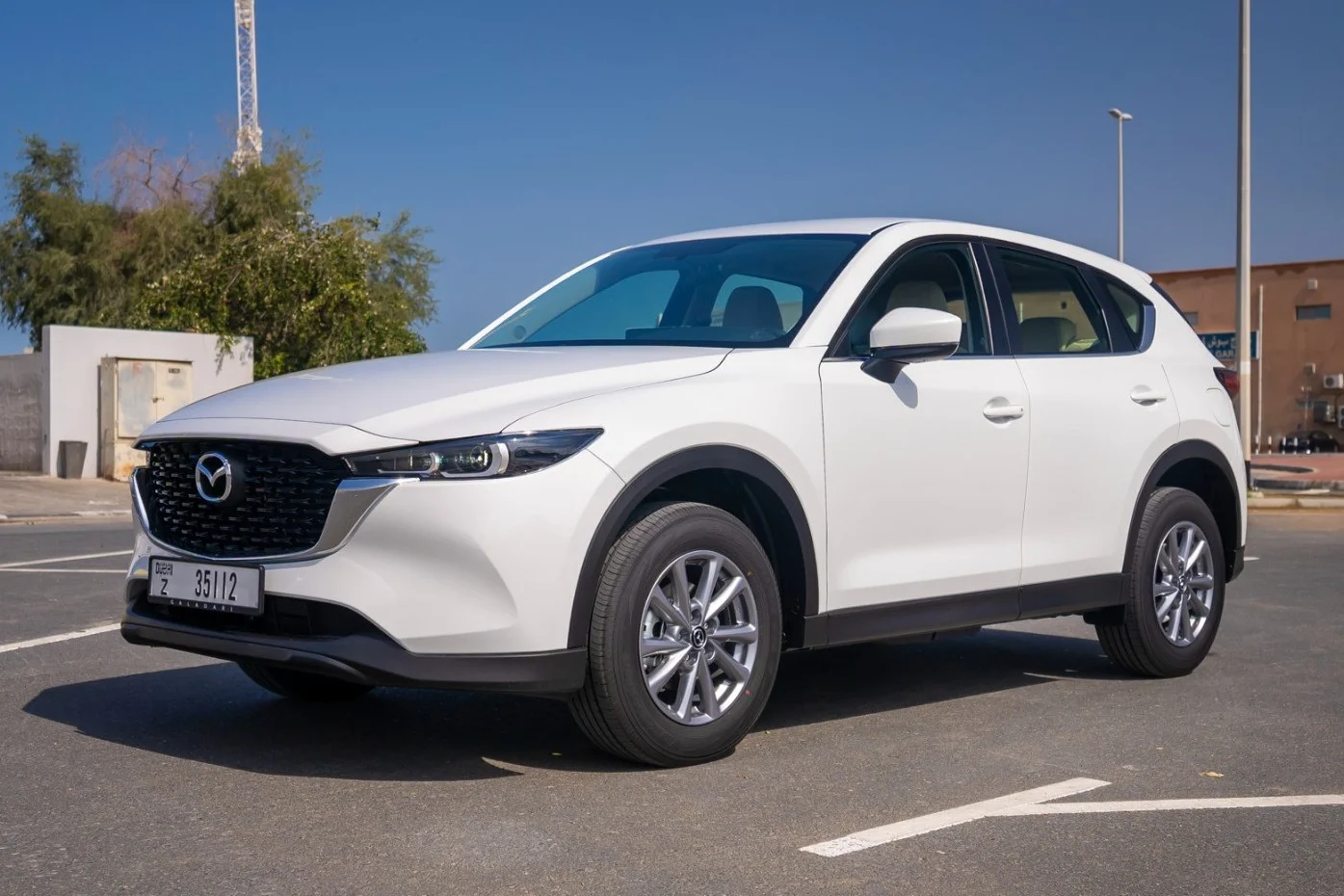
The Mazda CX-5, a cornerstone of the brand’s Middle East portfolio, was previously shipped directly from Japan. The company now plans to ramp up production of the CX-5 and other key models to meet growing demand in Western territories. Looking ahead, Mazda stated that from June onwards, they will maintain a “flexible approach,” making real-time adjustments based on a close monitoring of the regional situation.
Toyota and Subaru Join the Production Cut
Mazda is not alone in this strategic retreat. Other Japanese giants are similarly adjusting their operations to mitigate risk.

- Subaru: Officially halted all exports to the Middle East starting April 1.
- Toyota: Has begun scaling back production for regional models, most notably affecting the iconic Land Cruiser, which maintains a legendary status in the Middle Eastern terrain.
The Economic Stakes: Why This Matters
The decision to scale back reflects the significant role the Middle East plays in the Japanese automotive ecosystem. According to data from S&P Global Mobility, Japanese brands have seen substantial success in the region. In 2025 projections, sales across the UAE, Iran, and eight other Middle Eastern nations exceeded 870,000 new vehicles.
Toyota dominated the landscape with nearly 520,000 units sold, while Mazda contributed approximately 50,000 vehicles. These figures underscore why the current volatility is so concerning for Japanese manufacturers; the region is not just a market, but a vital pillar of their global sales strategy.
As the situation in Iran remains fluid, the automotive world is watching closely to see if these “temporary” pauses become a long-term shift in how Japanese brands approach global distribution.