
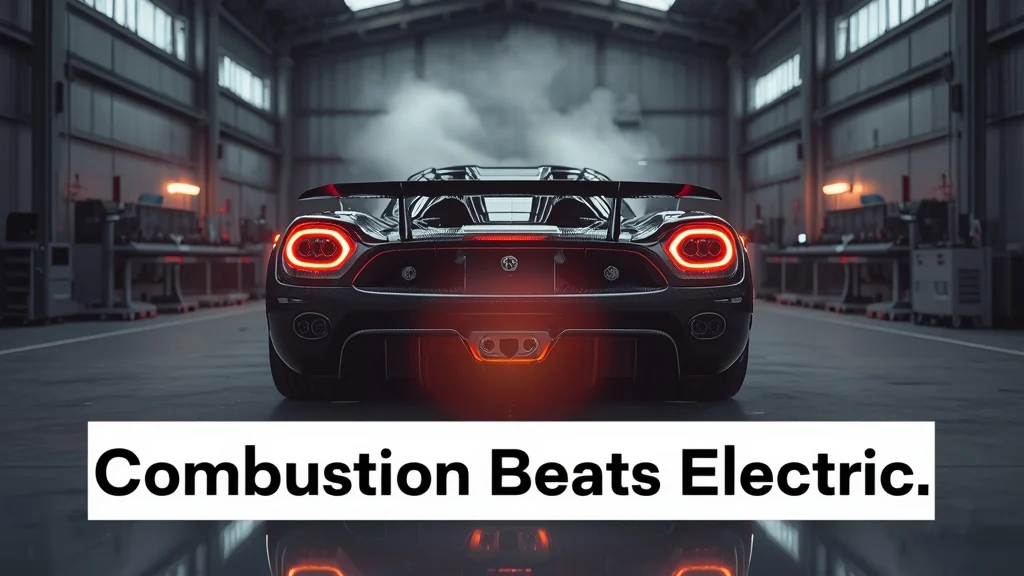
Koenigsegg’s chief explains why internal‑combustion engines still deliver the thrill and feel that electric hypercars can’t match, and why the brand favors hybrid tech and sustainable fuels. Read more.
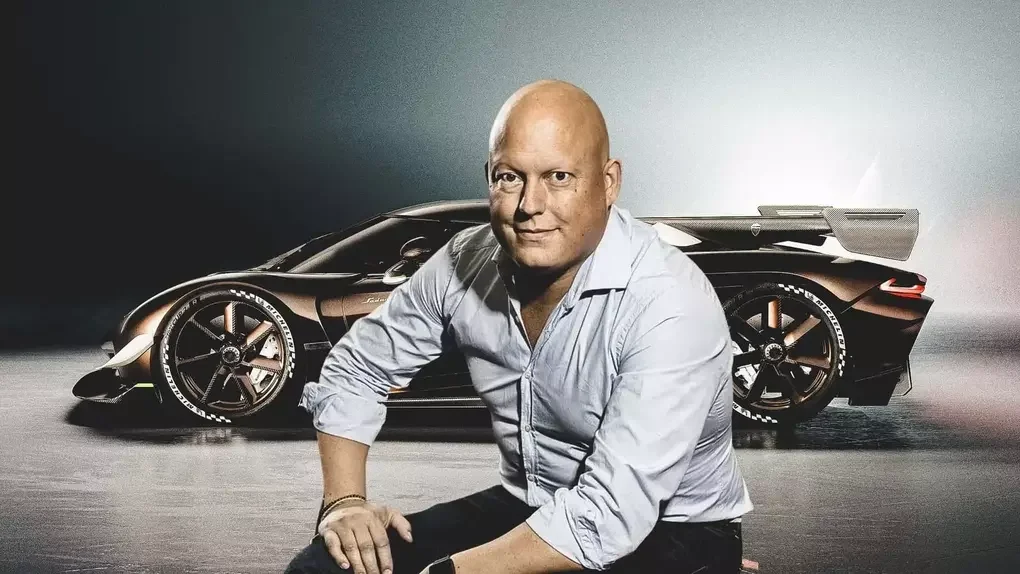
During a recent visit to Koenigsegg’s factory in Ängelholm, Sweden, CEO Christian von Koenigsegg was asked whether the Swedish super‑car maker plans to launch a fully electric hypercar. The question came at a time when rivals such as Ferrari have unveiled their first electric models and the industry is accelerating its electrification drive.
Internal combustion still feels alive
Von Koenigsegg answered firmly: the brand has the expertise to build a pure‑electric hypercar, but that technology does not align with Koenigsegg’s core philosophy today. He recalled that, about ten years ago, he believed a Koenigsegg electric car would be on the road by 2026. Development realities, however, shifted his view.
According to him, an internal‑combustion engine (ICE) does more than deliver power. It creates vibration, a distinctive roar, mechanical feedback and a personality that together form the “living” experience of a hypercar. An electric power‑train, no matter how fast, remains a “machine” – impressive but lacking the soul of a combustion‑driven beast.
Hybrid as the sweet spot
Koenigsegg has experimented with a pure‑electric platform, but ultimately chose a hybrid architecture. A small battery allows short electric runs in city centres or low‑emission zones while preserving the brand’s signature performance. Regenerative braking recovers energy without the weight penalty of a large pack.
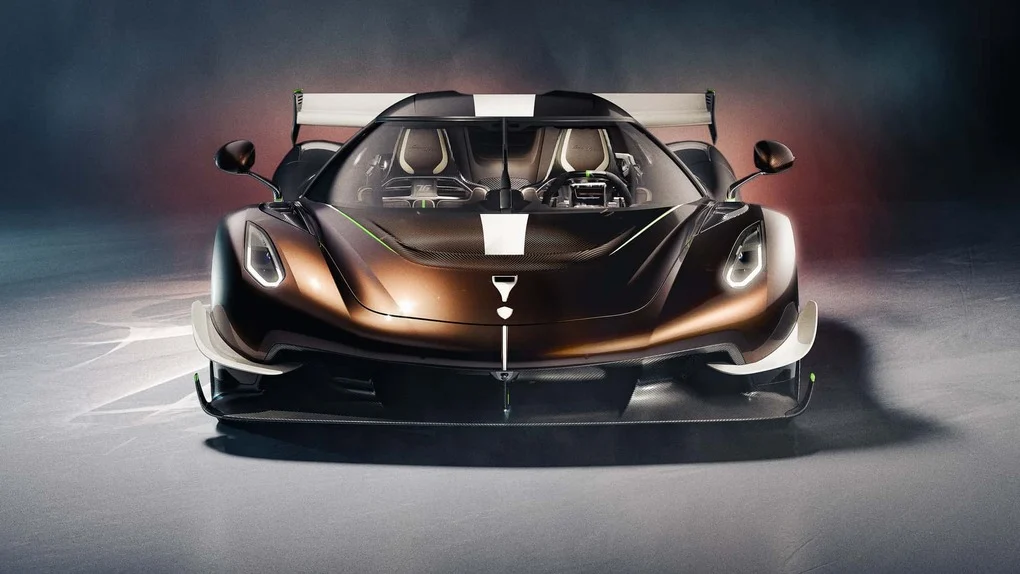
This philosophy is embodied in the Gemera, a road‑legal hyper‑car that pairs a high‑output ICE with an electric motor, delivering blistering acceleration and everyday usability.
Environmental perspective
Von Koenigsegg argues that hypercars and mass‑market electric vehicles should not be judged by the same emissions metric. A large‑capacity battery must travel many kilometres before its production footprint is offset, whereas many hypercars spend most of their lives parked in collectors’ garages.
Studies he references suggest that a vehicle with a small or no battery can be greener than a typical electric car after roughly 80,000 km. Using renewable or bio‑fuels pushes that break‑even point to about 140,000 km. While the view is controversial, Koenigsegg uses it to guide technical decisions.
Future fuels and the role of ICE
All current Koenigsegg models run on E85 – a blend of 85 % ethanol and 15 % gasoline. The CEO sees synthetic e‑fuels as the next step, potentially produced from captured CO₂ and renewable electricity. In an ideal scenario, the process could even become carbon‑negative, removing more CO₂ from the atmosphere than the fuel emits.
When asked about cost, von Koenigsegg joked that such a fuel would act like a “tax for nature” but emphasized Koenigsegg’s commitment to developing ICEs that run on increasingly sustainable fuels.
What lies ahead?
Koenigsegg does not rule out a fully electric hypercar in the future. The decision will depend on market regulations, breakthroughs in battery weight, size and material usage, and the ability to retain the visceral driving feel that defines a hypercar.
For now, the Swedish marque believes the internal‑combustion engine remains an irreplaceable core of its product philosophy, delivering an experience that no current electric technology can duplicate.