
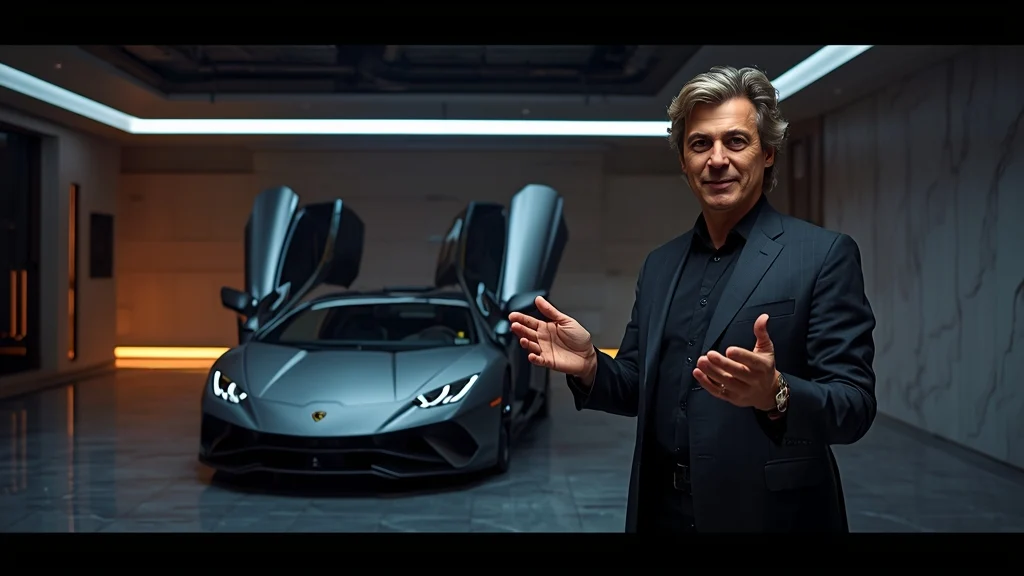
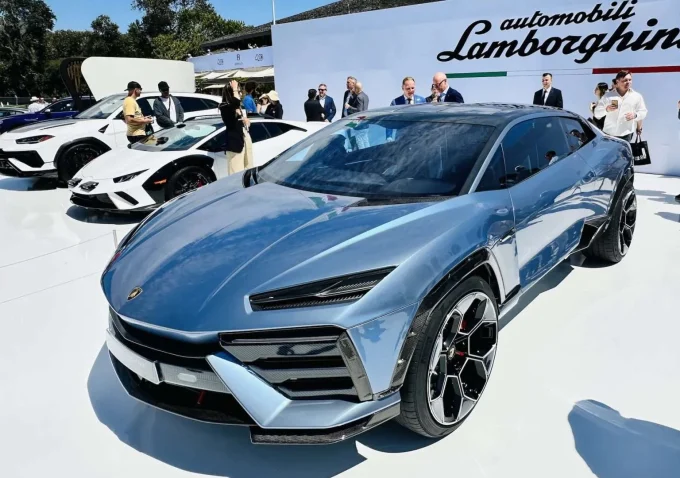
Lamborghini chief Stephan Winkelmann defends scrapping the all‑electric Lanzador after Ferrari’s Luce backlash, arguing the hybrid‑plug‑in route is smarter. Learn more.
In a candid interview with CNBC, Lamborghini’s chief executive Stephan Winkelmann explained why the Italian super‑car maker chose to halt development of its all‑electric hypercar, the Lanzador. The decision, he said, proved “the right thing to do” after the industry’s recent backlash against Ferrari’s electric debut, the Luce.
Why Lamborghini Pulled the Plug
Winkelmann told reporters that shifting from a traditional internal‑combustion engine to a plug‑in hybrid platform was a “crucial decision” for the brand and that the results have been “very successful” so far. While he declined to comment directly on Ferrari’s Luce or the criticism it has attracted, he stressed that “innovation is vital for success, but it must be purposeful, not merely for the sake of being new.”
Ferrari’s Luce: A Design Detour That Sparked Controversy
Ferrari unveiled the Luce in February, a sleek, minimalist coupe designed by former Apple design chief Jony Ive. The car’s rounded exterior and pared‑back interior marked a sharp departure from the marque’s classic, flame‑kissed designs. Investors and purists reacted sharply: Ferrari’s shares slipped about 8% on the Milan exchange and 5.3% on the New York market after the launch.
Industry analysts, including Morningstar strategist Michael Field, argued that the move threatens Ferrari’s heritage of high‑octane performance and iconic styling. Former Ferrari CEO Luca di Montezemolo and Italy’s Deputy Prime Minister and Transport Minister Matteo Salvini also voiced criticism, suggesting the electric shift could dilute the brand’s super‑car DNA.
Lamborghini’s Strategic Pivot
Owned by the Volkswagen Group, Lamborghini is among several global automakers that have re‑evaluated their electric‑vehicle (EV) investments amid tepid consumer demand. By concentrating on a plug‑in hybrid architecture—combining a high‑rev V12 with an electric boost—the company aims to preserve the visceral driving experience its fans expect while meeting tightening emissions standards.
“Each brand must decide what works best for its identity,” Winkelmann said. “For us, the hybrid‑plug‑in route delivers the performance, sound and emotion our customers love, without compromising future‑proof technology.”
What This Means for the Luxury Super‑Car Segment
The Lamborghini‑Ferrari contrast highlights a broader industry debate: should legendary marques cling to their combustion‑engine roots or accelerate toward full electrification? While Tesla and newer entrants push the boundaries of pure EV performance, established luxury manufacturers appear to be taking a more measured, hybrid‑first approach.
For now, Lamborghini’s decision to retire the all‑electric Lanzador and focus on hybrid powertrains seems to have resonated with its core audience, reinforcing the brand’s commitment to pure driving pleasure while still navigating the road to a greener future.
Looking Ahead
As regulatory pressure mounts and consumer preferences evolve, both Lamborghini and Ferrari will continue to test the limits of technology and tradition. Whether the hybrid path or a full‑electric future will dominate the super‑car arena remains to be seen, but the recent market reactions suggest that heritage and performance still hold considerable sway among enthusiasts worldwide.