
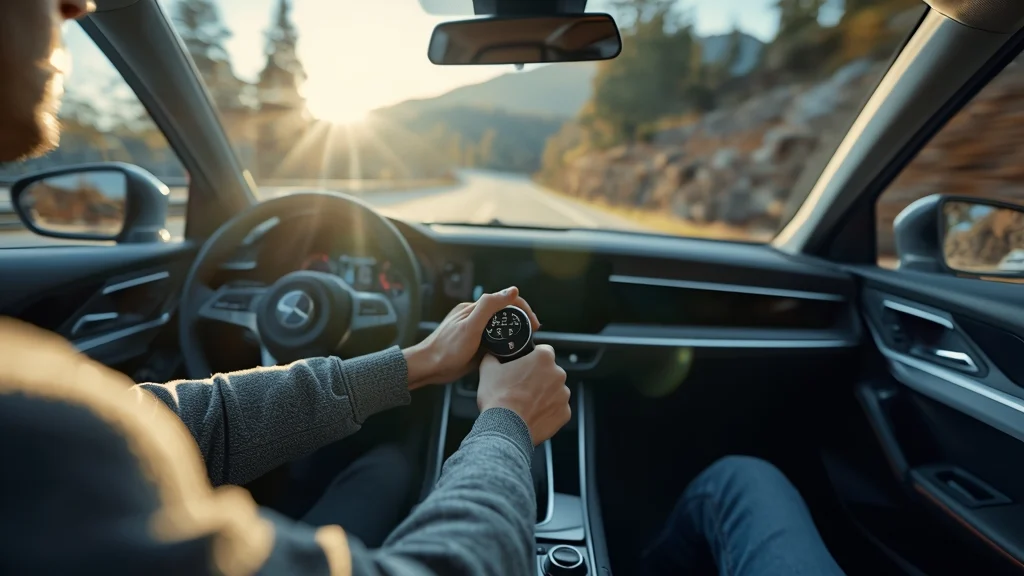
Discover how a manual transmission sharpens your mind, improves focus, and keeps you alert. Learn the science and see if a stick‑shift suits you – read!
Manual (stick‑shift) cars are becoming a rarity, especially among everyday models. For driving enthusiasts, the dwindling supply creates a perfect window to grab a manual transmission (MT) before they disappear completely.
Why Manual Cars Are Vanishing
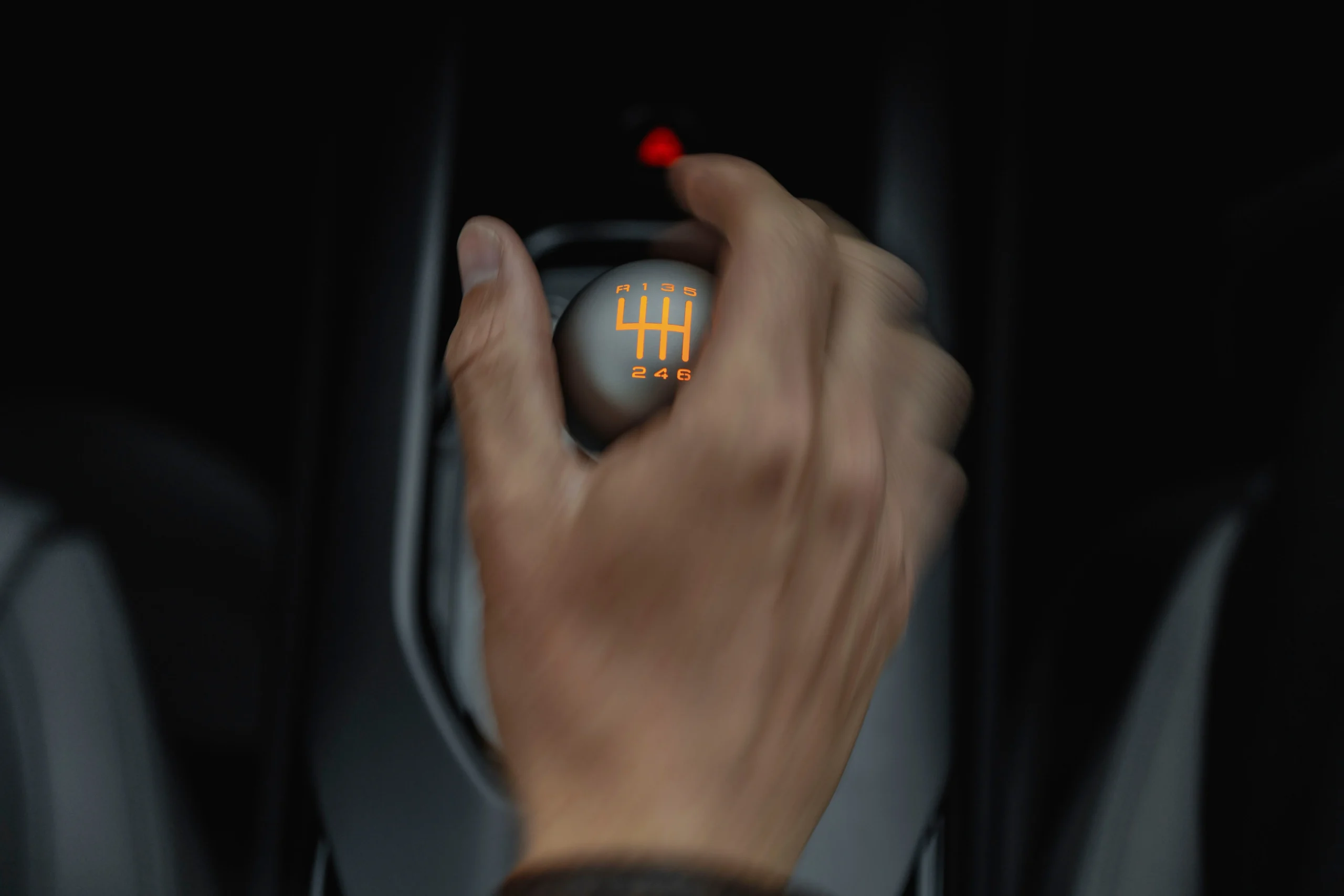
Most budget-friendly gasoline models are being replaced by hybrids and electric vehicles (see trends). As a result, the share of new‑car sales that are manual sits at only about 1%–2% worldwide, putting the classic MT at risk of extinction.
Cognitive Benefits of Shifting Gears
Beyond the raw driving pleasure, a manual gearbox can act as a mental workout. The constant need to select gears, coordinate the clutch, and modulate the accelerator and brake forces the brain to stay actively engaged—something that’s especially valuable for older drivers.
Science Behind the Brain Boost
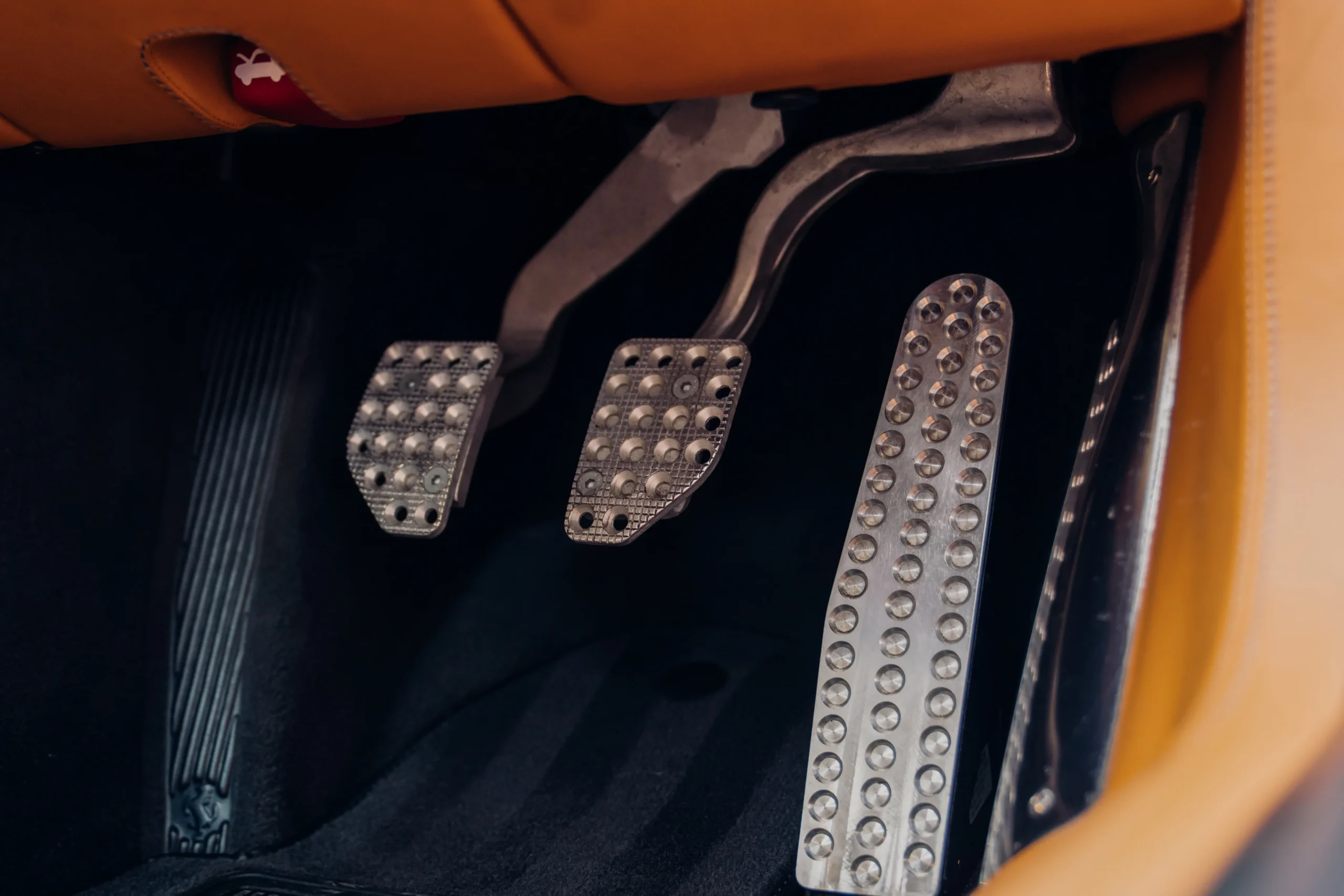
Research led by Professor Ryuta Kawashima and his team shows that operating a manual transmission activates the pre‑frontal cortex, the brain region responsible for planning, decision‑making, and problem solving. Each gear change requires the driver to assess traffic, decide the appropriate gear, and execute the shift, creating a positive “cognitive load” that keeps neural pathways sharp.
The study also found that regular use of manual vehicles—whether motorcycles or cars—correlates with better mental health and slower cognitive decline.
Market Realities and Enthusiast Perspective
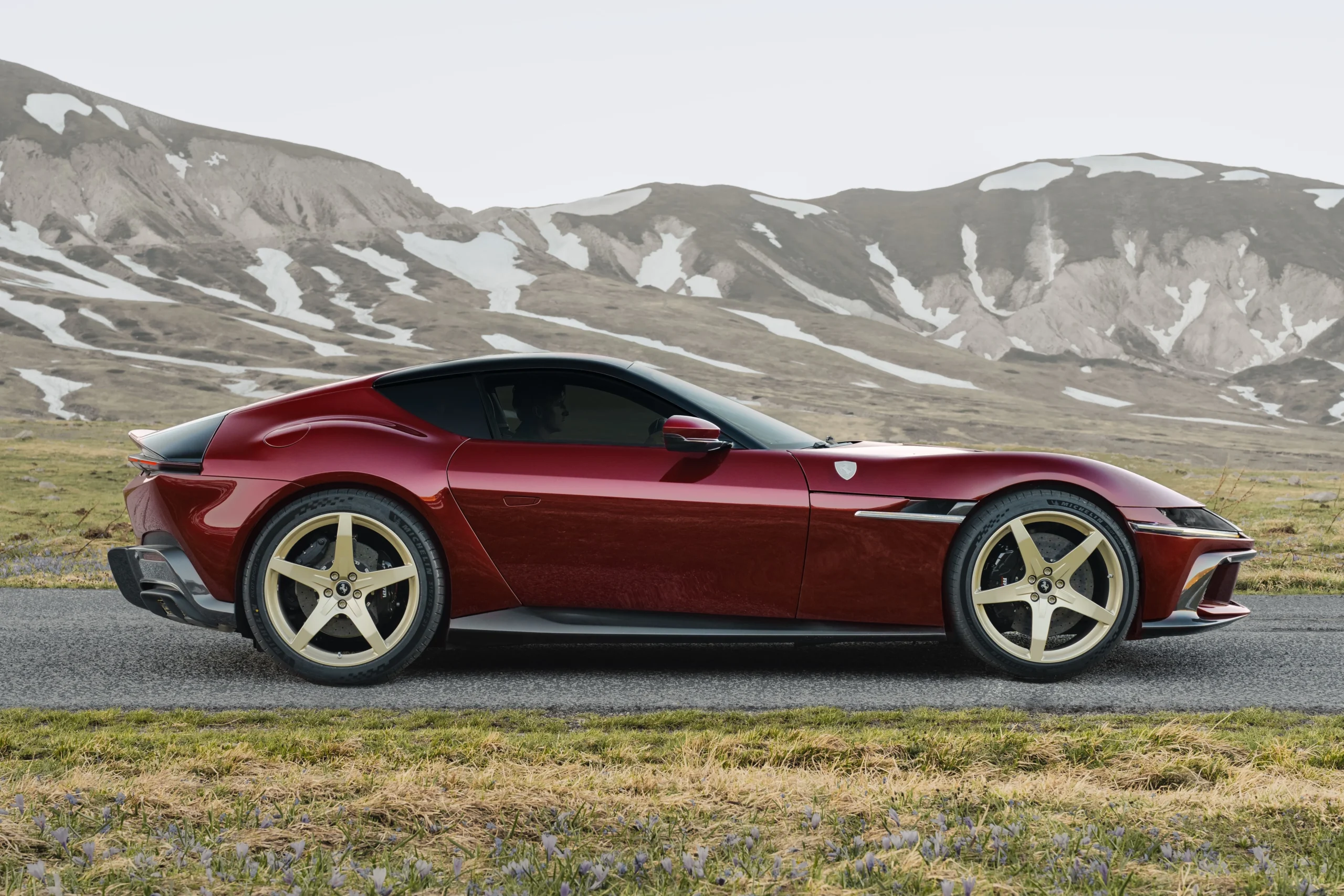
Even with its tiny market share, many experts argue that a manual car remains a worthwhile choice for those who cherish the driving experience. Japanese publication Best Car highlighted that the primary reason a stick‑shift can help preserve cognition is simply that it makes driving more enjoyable and mentally stimulating.
Modern driver‑assist technologies such as Adaptive Cruise Control (ACC) reduce fatigue on long trips, but they also lessen the driver’s active involvement, potentially diminishing the mental benefits that manual driving provides.
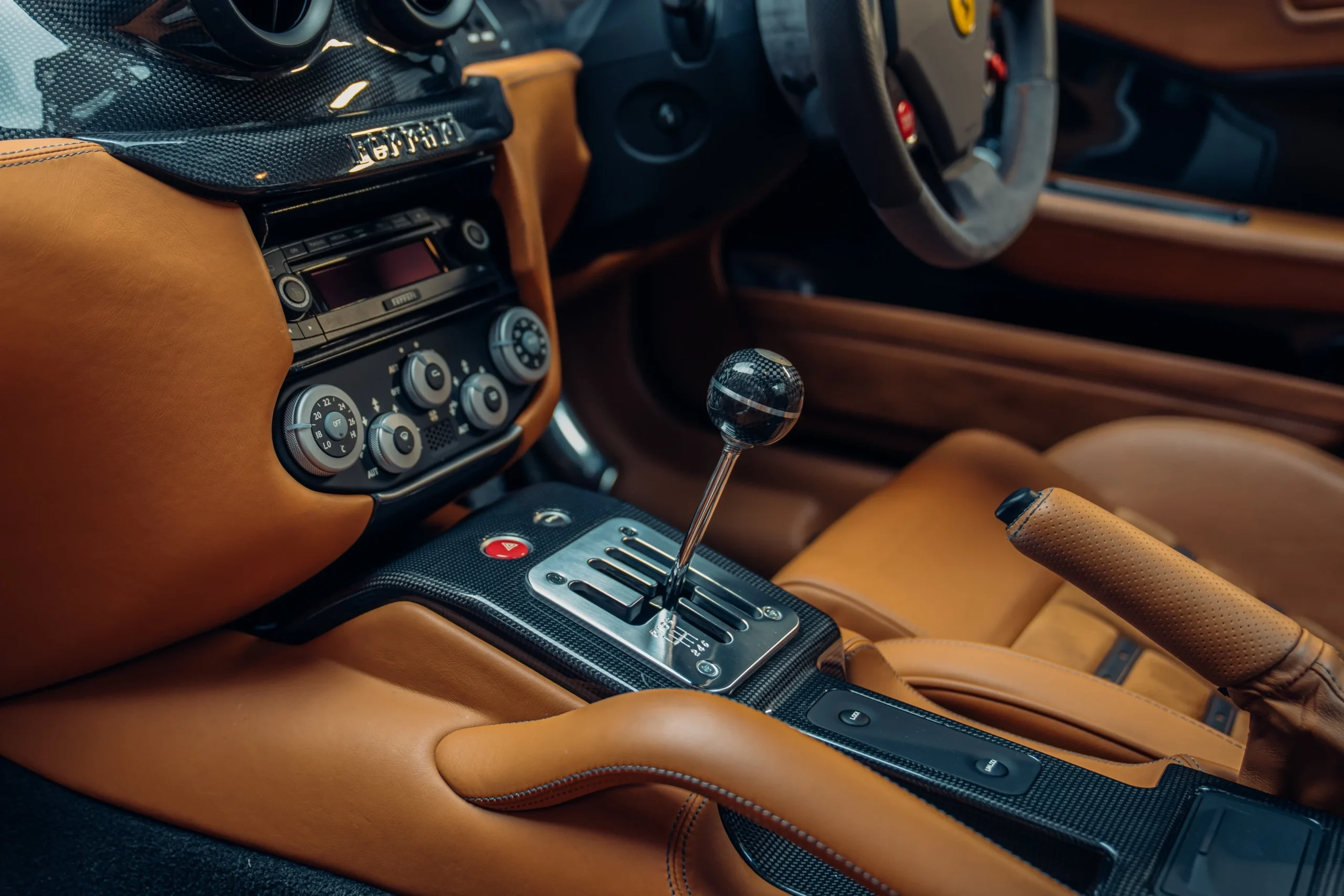
Driving Experience: Skill vs. Convenience
After years of relying on automatic or CVT gearboxes, the act of manually selecting gears, timing the clutch, and matching engine revs feels refreshingly novel. It’s a far more complex choreography than merely sliding a lever into “D” and pressing the gas or brake.
Potential Drawbacks and the ‘Mental Workout’
Manual cars aren’t without challenges: a mistimed clutch can stall the engine, and stop‑and‑go traffic can become tiring. Yet, just like a regular workout, the continuous coordination between brain and body during MT driving is considered a natural form of mental conditioning.
Is It Time to Say Goodbye?
Some authors suggest that if a driver eventually loses the ability to operate a manual transmission smoothly, it may be a sign to reconsider driving altogether. Until then, a stick‑shift remains a unique blend of pleasure and cognitive exercise.