
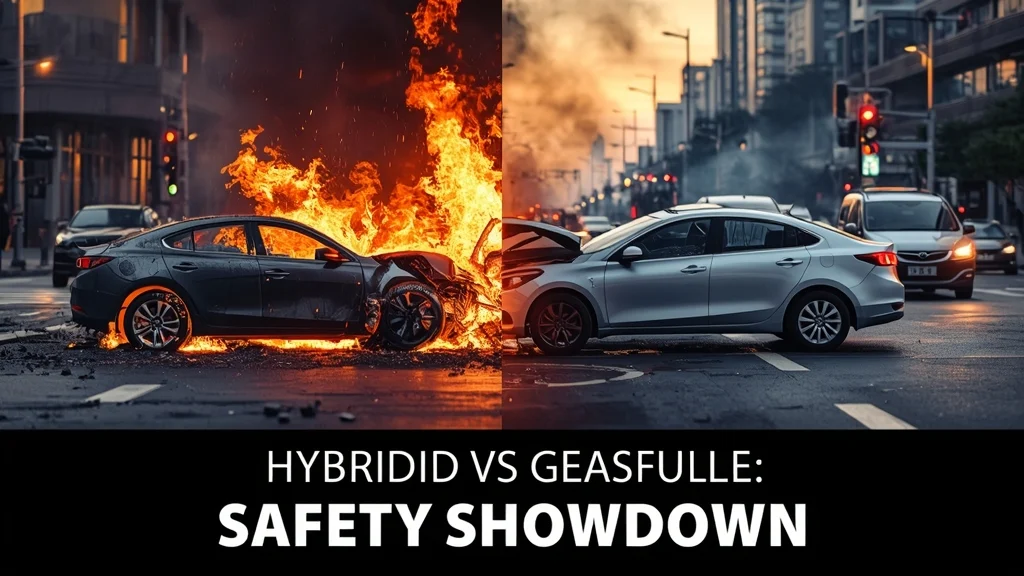
A recent collision in China saw a Mazda 3 burst into flames while the BYD Qin L electric hybrid remained intact. Discover what this reveals about vehicle safety. Read more now!
A dramatic two‑vehicle collision unfolded at a busy intersection in Dalian, Liaoning Province, China, drawing nationwide attention. A third‑generation Mazda 3 Axela (model years 2014‑2019) collided head‑on at a 45‑degree angle with a BYD Qin L hybrid sedan. While both cars suffered severe front‑end deformation, the outcomes for each vehicle could not have been more different.
Crash Overview in Dalian
The impact was forceful enough to crumple the nose sections of both vehicles. Video footage circulating online shows the two cars interlocked, with smoke beginning to rise from the Mazda shortly after the collision. Emergency responders arrived within minutes, and thanks to timely airbag deployment and warning systems, all occupants evacuated safely—no injuries were reported.
Mazda 3 Axela: From Impact to Inferno
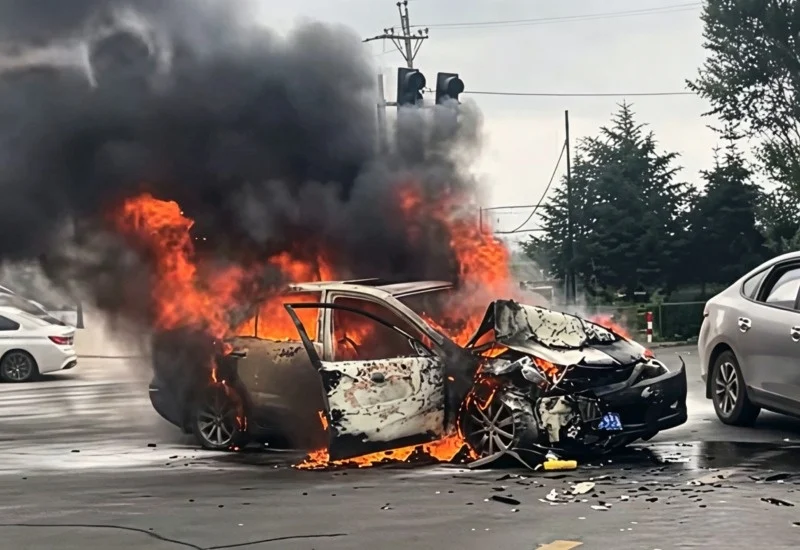
Immediately after the crash, the gasoline‑powered Mazda 3 ignited. The angled collision forced the crash energy into the vehicle’s front‑impact absorber, rupturing the fuel line and sparking a fierce fire that engulfed the engine compartment. The blaze highlighted the inherent risks associated with conventional fuel systems when subjected to extreme deformation.
BYD Qin L Hybrid: The Electric Car That Stayed Intact
In stark contrast, the BYD Qin L’s energy‑storage system remained completely stable. The vehicle is equipped with BYD’s Blade battery—a lithium‑iron‑phosphate (LFP) pack installed under the floor. During the crash, the battery showed no signs of thermal runaway, overheating, or uncontrolled discharge.
Why the Battery Remained Safe
- Thermal‑stable chemistry: LFP cells have a high thermal stability threshold and do not release oxygen when mechanically stressed.
- Robust mechanical design: The Blade battery’s modular, rectangular cells are tightly packed, providing inherent resistance to deformation.
- Automatic safety protocols: Sensors detected the high‑g impact, prompting the central control unit to instantly isolate the high‑voltage circuit, cutting off power to prevent short‑circuiting or arcing.
- Gear‑lock activation: The vehicle’s software engaged a gearbox‑lock function, keeping the car stationary and preventing it from rolling into the Mazda’s flames.
Market Position of the BYD Qin L
The BYD Qin L is marketed as an affordable hybrid option, priced under 150,000 CNY (about US$21,000). According to China EV DataTracker, domestic deliveries reached 10,019 units in May, a noticeable drop from the launch peak of 31,000 units. Despite the sales dip, the model remains a key player in the mass‑market segment, offering a compelling blend of price, efficiency, and safety.
What This Incident Means for Vehicle Safety
The Dalian crash underscores several industry trends:
- Electric and hybrid powertrains, when paired with advanced battery chemistry and intelligent safety software, can mitigate fire hazards that traditionally plague gasoline vehicles.
- Regulatory bodies and manufacturers are likely to increase emphasis on crash‑energy management systems that protect high‑voltage components.
- Consumers may reassess safety perceptions, recognizing that modern EV batteries are engineered to withstand severe impacts without igniting.
As the global automotive fleet shifts toward electrification, real‑world incidents like this provide valuable data that can guide future safety standards and engineering solutions.
For a deeper look at how electric vehicle safety technologies are evolving, stay tuned to our coverage.