
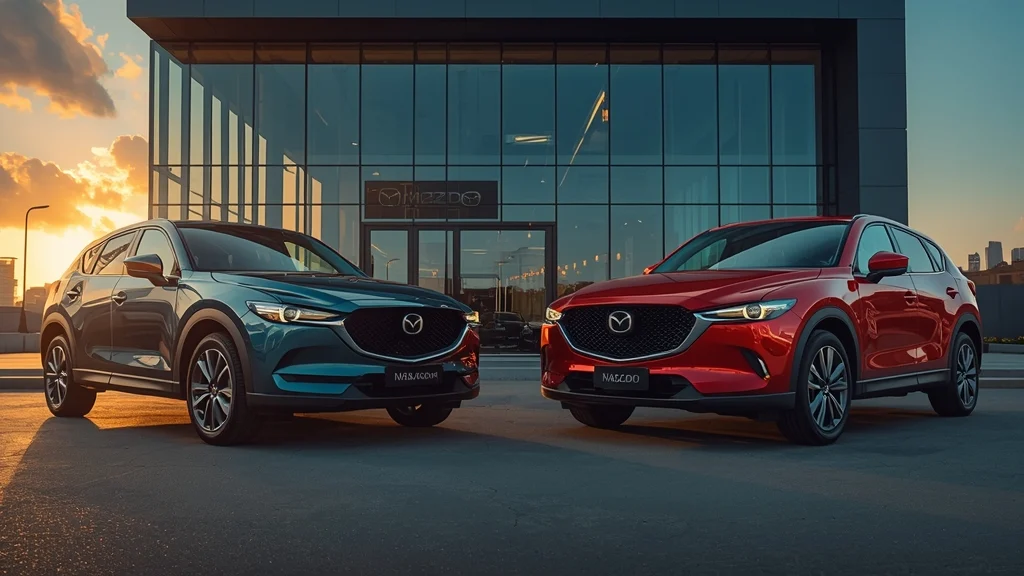
Mazda introduces its first hybrid SUVs, the CX-60 and CX-90, targeting the Japanese premium segment in Vietnam. Discover pricing, technology and market impact – read more now!
Pricing and Availability
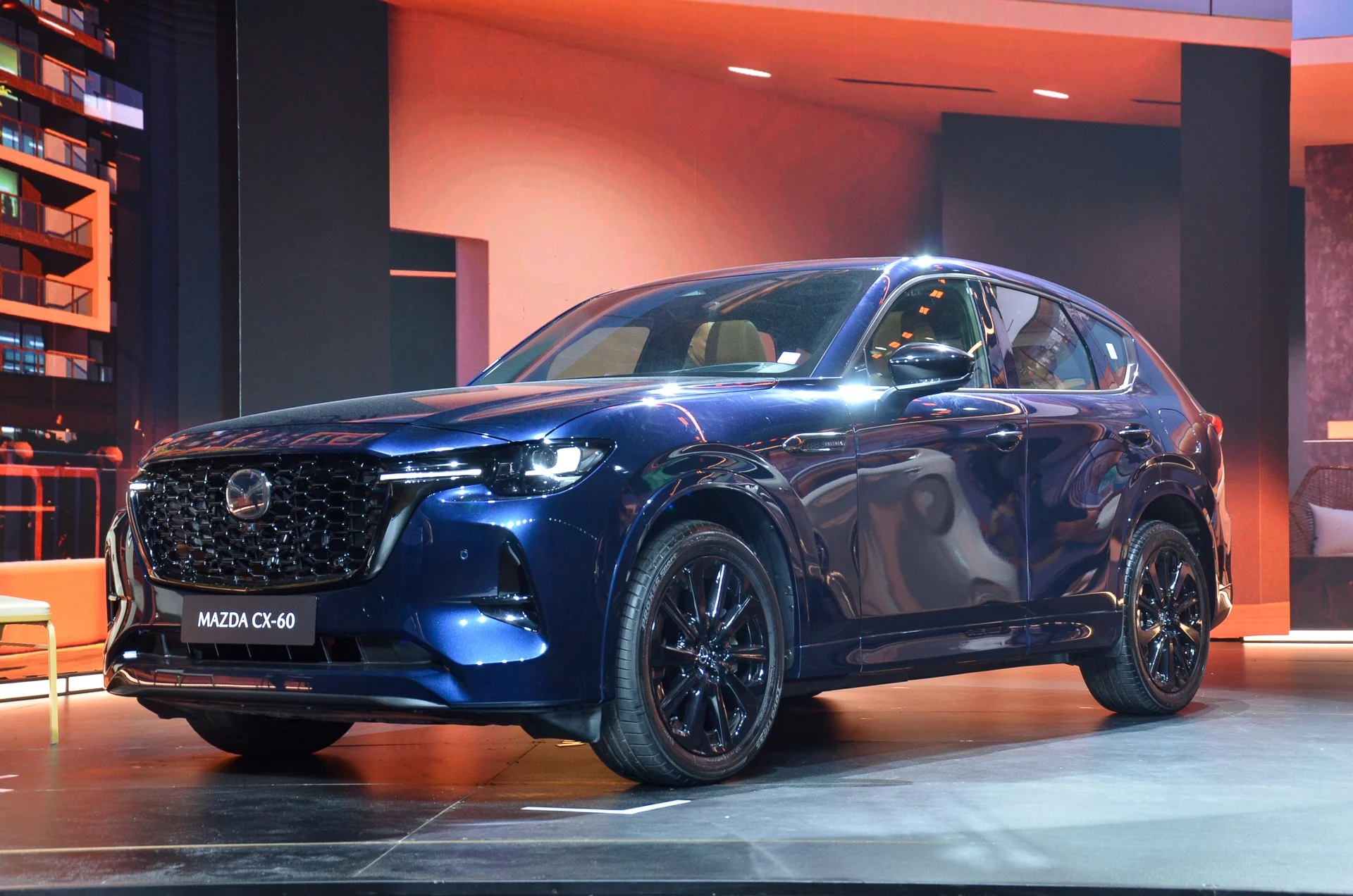
After months of preview events, Mazda Vietnam announced official pricing for its first hybrid SUVs. The CX-60 starts at VND 1.699 trillion (≈ US$73,000) while the CX-90 begins at VND 1.899 trillion and can reach VND 2.299 trillion for top‑spec models. Both vehicles are now on order at Mazda’s flagship showroom in Ho Chi Minh City.
Engineering and Platform
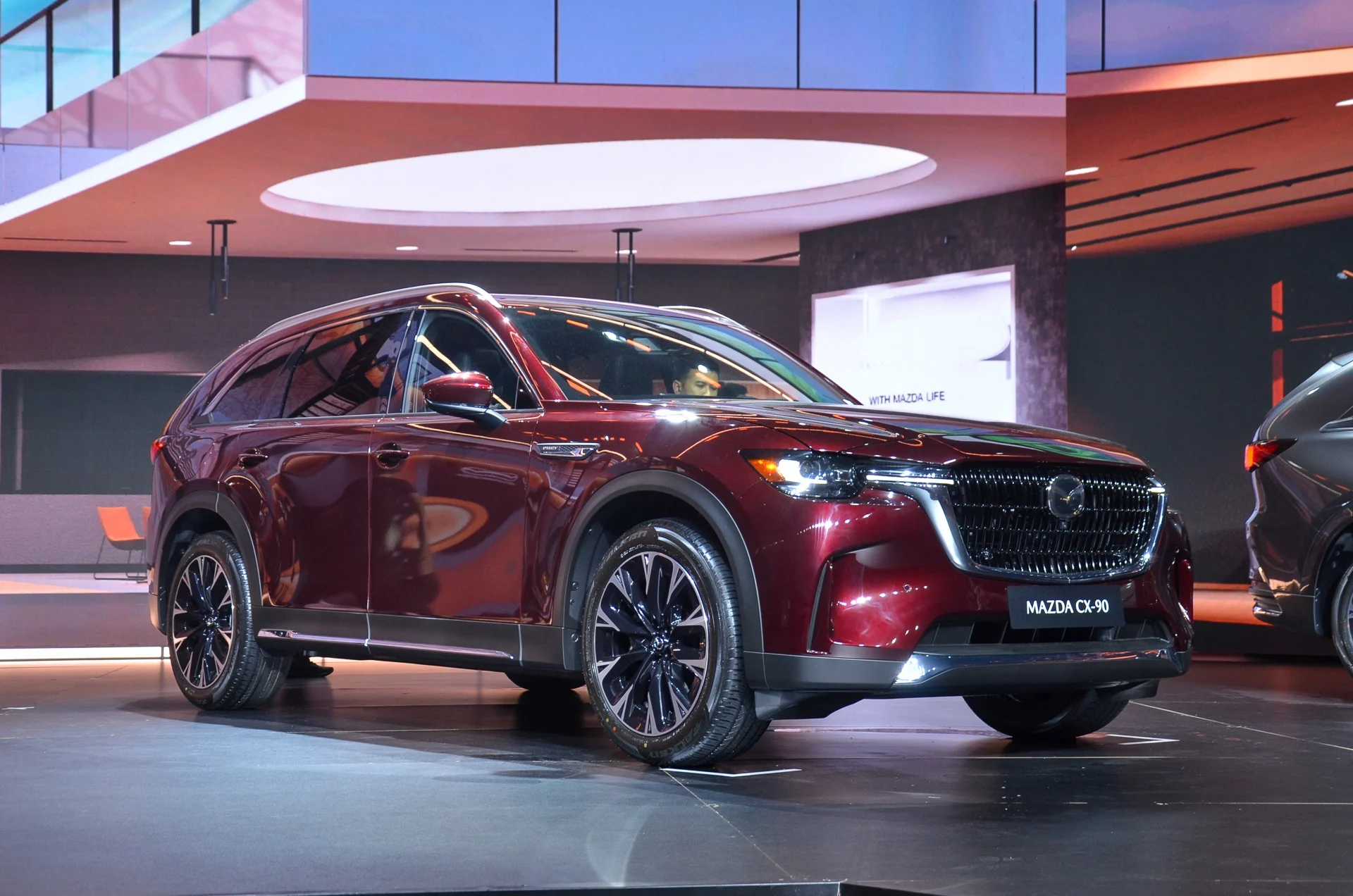
Both models sit on Mazda’s new longitudinal platform, a layout that aligns the gasoline engine, electric motor and transmission on a single vertical axis. This architecture delivers smoother power delivery, enhanced stability and a more engaging driving feel—attributes Mazda associates with a premium experience.
Design Language and Interior
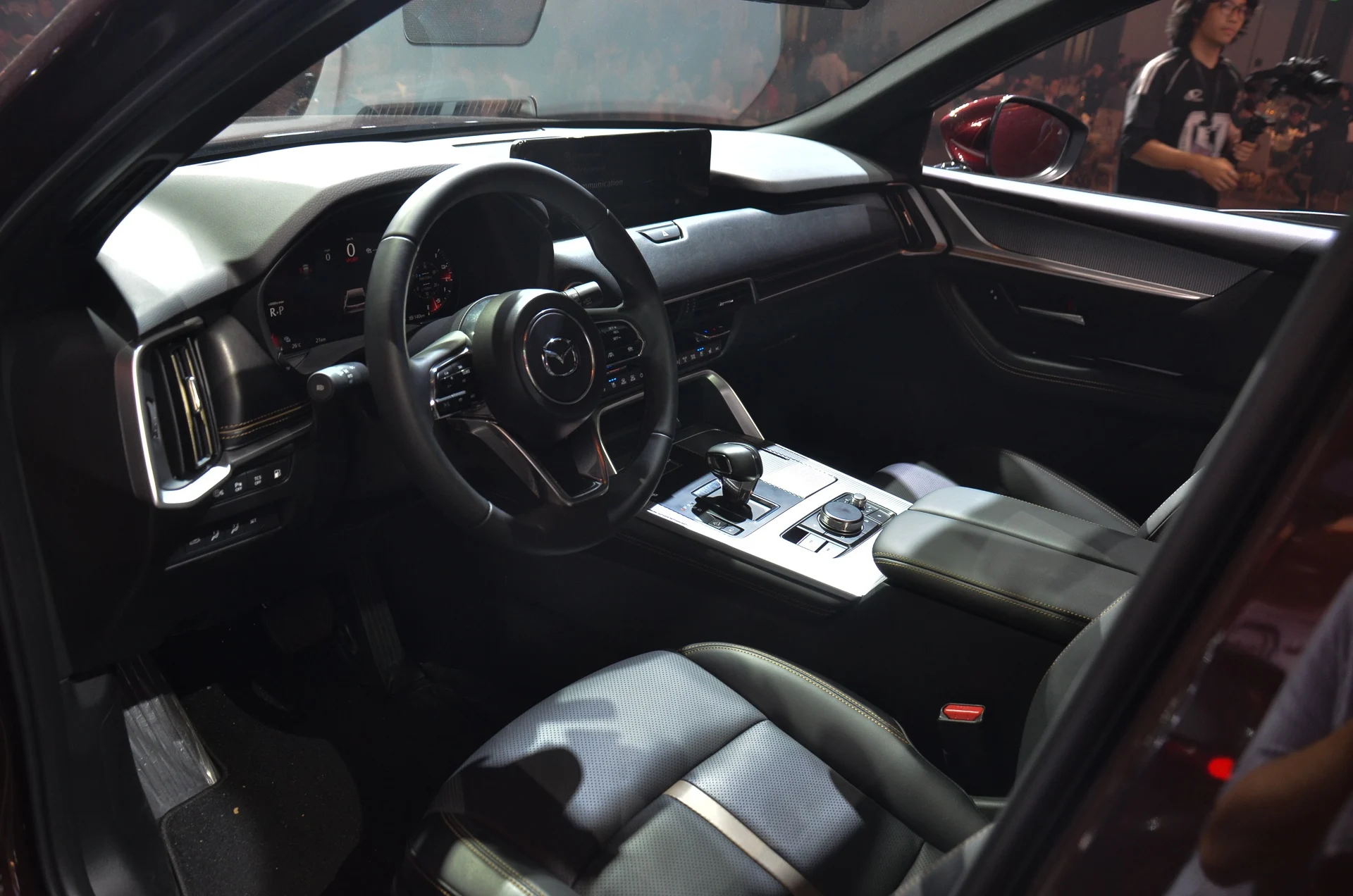
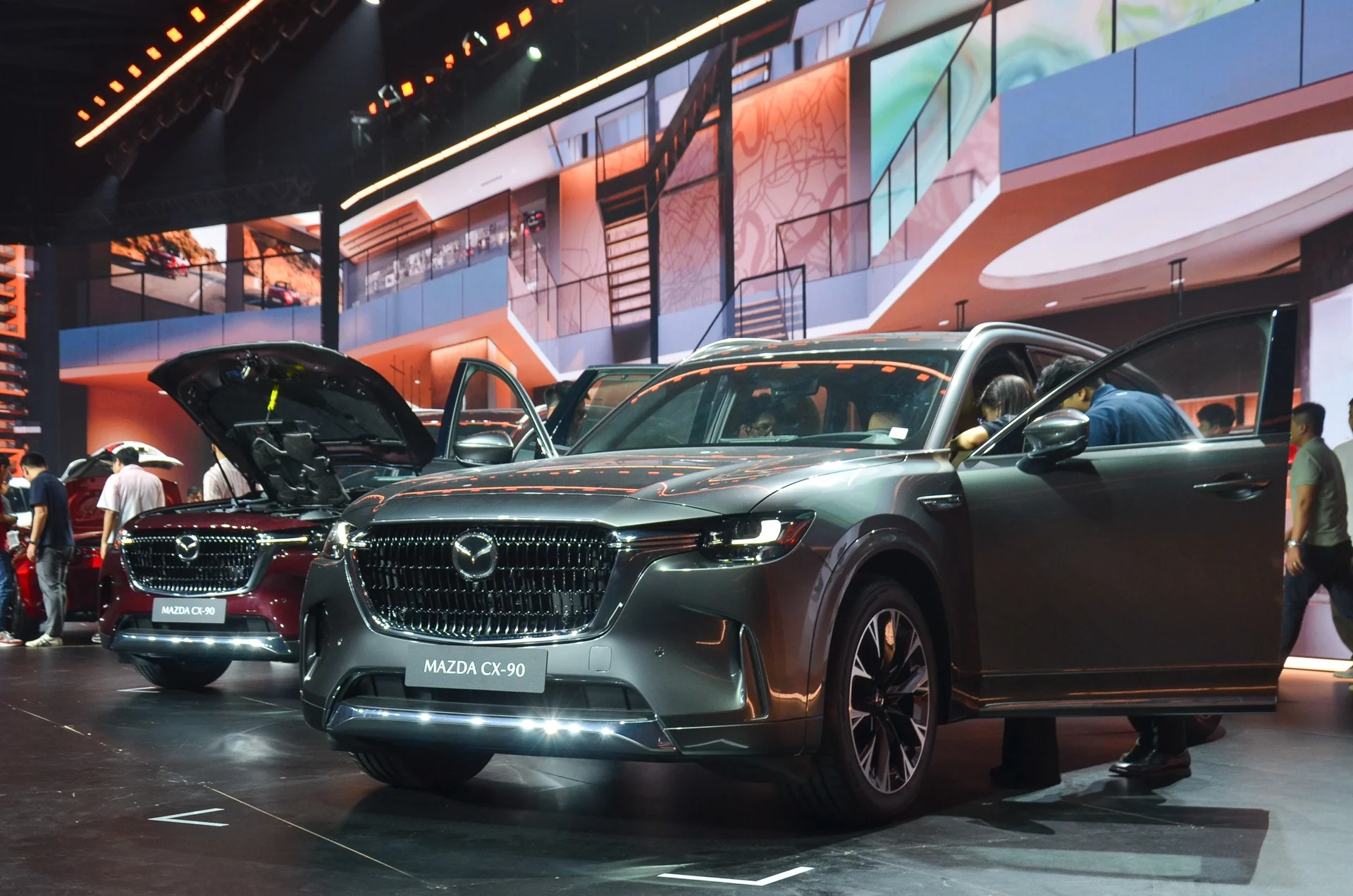
The Kodo design philosophy remains front‑and‑center, with sleek, sculpted exteriors and a focus on handcrafted details. Inside, the cabins are widened horizontally, split by a cleanly designed dashboard. Premium materials such as leather, real wood trim and soft‑touch plastics are used throughout. Both SUVs feature a personalized driver‑assist system that can recognise the driver’s face and automatically adjust climate, seating and infotainment settings.
Hybrid Powertrains
- CX-60: 3.3‑liter Turbo I6 e‑Skyactiv paired with an electric motor, delivering up to 280 hp and 450 Nm of torque.
- CX-90 (standard hybrid): Same engine setup tuned for 340 hp and 500 Nm.
- CX-90 2.5 PHEV: 2.5‑liter e‑Skyactiv gasoline engine plus electric motor and a 17.8 kWh lithium‑ion battery, producing 323 hp, 500 Nm and an electric‑only range of about 42 km.
All versions are equipped with Mazda’s i‑Activsense safety suite, and the hybrid system is integrated with regenerative braking and smooth start‑stop functionality.
Market Positioning
With price tags well above the average for Vietnam’s SUV segment, Mazda is deliberately positioning the CX‑60 and CX‑90 as “Japanese premium” offerings. The brand aims to sit alongside European luxury models, offering comparable performance and technology while highlighting its Japanese heritage.
Dealership Strategy
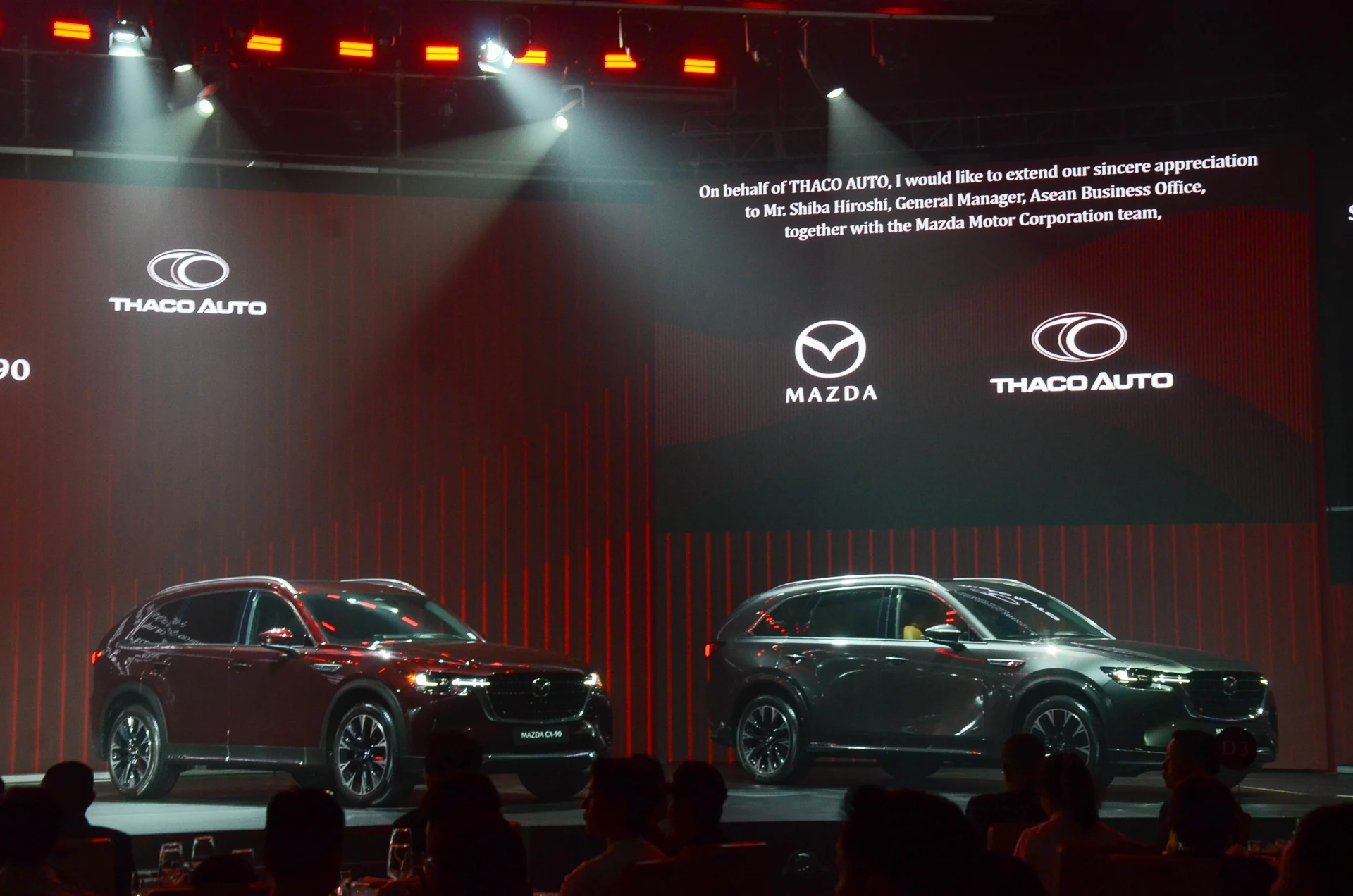
Last year Mazda opened its first flagship showroom in Ho Chi Minh City, showcasing the CX‑60, CX‑90, the latest CX‑5 facelift and the iconic MX‑5 roadster. The partnership with local distributor Thaco, which also handles Jeep and Ram, allows Mazda to leverage an extensive dealer network and to introduce higher‑priced models without alienating its existing customer base.
Future Outlook
Mazda hinted that a new generation of the CX‑5 will debut later this year with a higher price point, and that the CX‑50 is also slated for the Vietnamese market. These moves suggest a broader strategy to elevate the brand’s perception and compete with established premium marques such as BMW, MINI and high‑end European SUVs.
What It Means for Buyers
- Premium features are often hidden in the powertrain architecture and material choices rather than flashy exterior cues.
- The vehicles retain Mazda’s classic three‑dimensional winged logo, which may affect their visual distinction in the near‑premium segment.
- Higher pricing reflects the cost of hybrid technology and the brand’s ambition to be seen as a luxury player, not just a mainstream Japanese automaker.
Overall, the launch of the CX‑60 and CX‑90 signals Mazda’s intention to reshape its image in Vietnam, targeting discerning customers who value refined performance, advanced hybrid systems and a touch of Japanese elegance.