
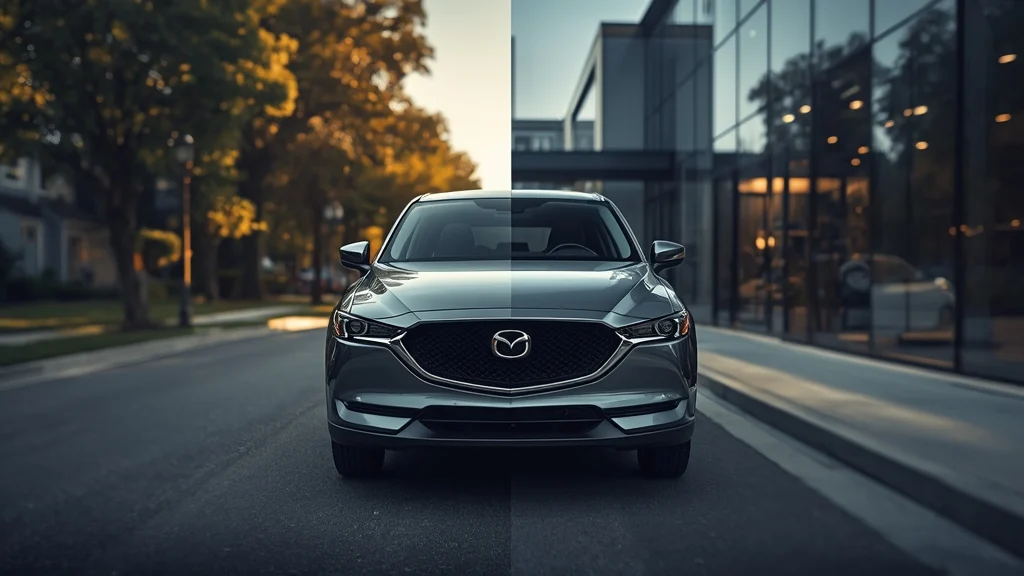
Mazda’s US sales stall as brand identity blurs between mainstream and premium. Discover the challenges and the push to boost annual sales to 500k.
According to a recent interview with Automotive News, Tom Donnelly, CEO of Mazda North America, says the Japanese automaker’s biggest hurdle in the United States isn’t the quality of its cars or the performance of its dealer network—it’s the way the brand is perceived.
Brand identity in limbo
When asked what Mazda stands for, Donnelly notes that “you’ll hear about ten different answers on the street.” That lack of a clear, unified message leaves the brand hovering between the mainstream and the premium segments, making it hard to rally a loyal customer base.
Why the confusion matters
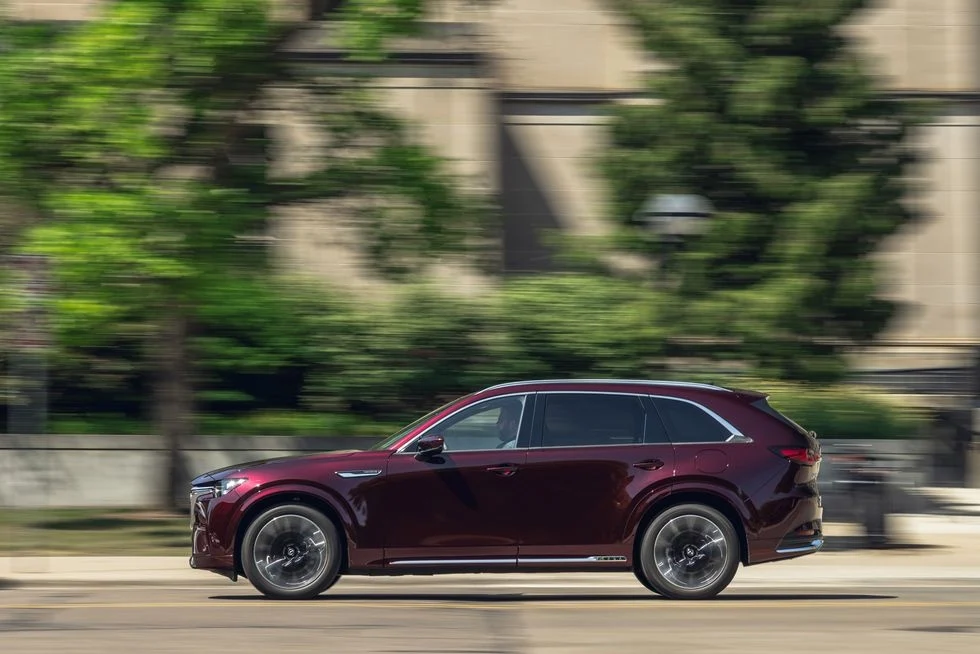
Mazda’s expansion over the past few years has added a wider range of models – the CX‑50, CX‑70 and CX‑90 – each priced and sized differently. While this diversification has boosted overall sales volume, it also diluted the brand’s original image, which was built around the compact, driver‑focused Mazda3.
Unlike rivals such as Toyota or Honda, Mazda does not offer a large body‑on‑frame SUV or a pickup truck, yet it is positioning many of its newer crossovers at the higher end of the market. The result? Consumers see Mazda as “premium‑ish” but not quite a true luxury brand, and not fully mainstream either.
The sales goal: 500,000 vehicles a year
Currently, Mazda moves roughly 400,000 cars annually in the United States. Donnelly told dealers that the company needs a stronger emotional hook to lift that figure to 500,000. The focus is shifting from one‑off sales to building repeat buyers who stay with Mazda across multiple vehicle cycles.
Dealership experience as a differentiator
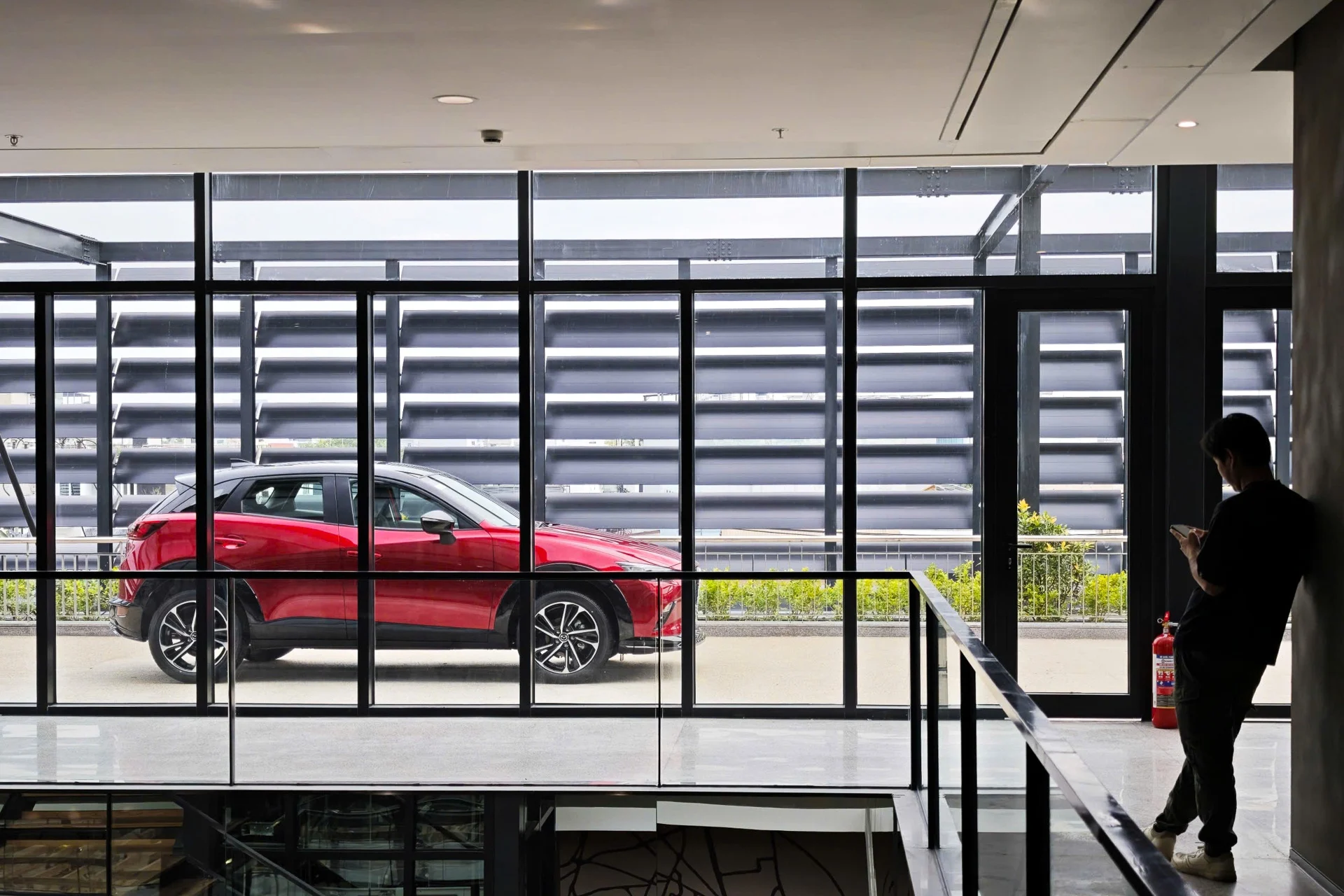
In a market where every brand boasts sporty handling, upscale interiors, and advanced tech, Mazda believes the showroom experience will be decisive. Dealerships across the country have invested heavily in modernizing their spaces, aiming to create an environment that reinforces the brand’s design‑centric DNA.
Looking ahead to 2026 and beyond
Carscoops highlights that Mazda must define its exact niche in the U.S. market by 2026. Will it become the Japanese answer to a near‑luxury player like Alfa Romeo, offering reliable engineering with a distinct emotional appeal? Or will it settle as a mainstream brand that emphasizes driver enjoyment above all else?
Whatever the path, the key for Mazda will be to crystallize a single, compelling story that resonates with American buyers – turning the current “in‑between” perception into a clear, desirable identity.