

Discover how a pristine carbon‑fiber body kit from a McLaren P1 fetched $213,000 at auction, surpassing the price of a new Porsche 911 Targa 4 GTS. Learn more now!

Background
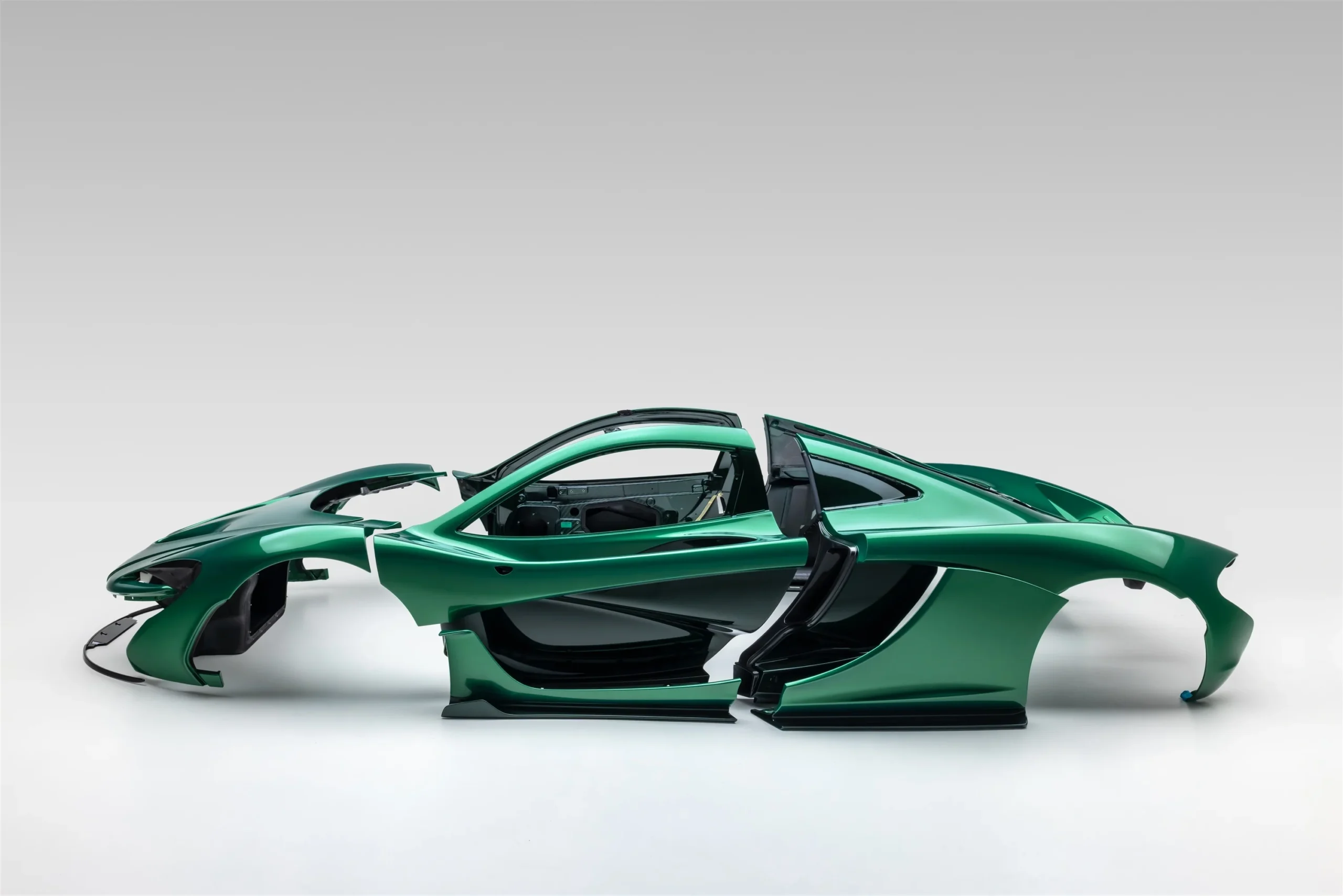
Collector Michael Fux once owned the second‑serial McLaren P1 out of the 375 units produced. Dissatisfied with the original factory blue paint, he commissioned a full‑carbon‑fiber makeover, exposing the high‑tech weave of the material.

The Unique Carbon Kit
The bespoke kit, painted in a striking Metallic Green, features exposed carbon‑fiber on the front splitter, side vents, and side‑skirt panels. Its design draws inspiration from the graceful lines of a sailfish, giving the hypercar an even more aggressive silhouette.
Technical Specs
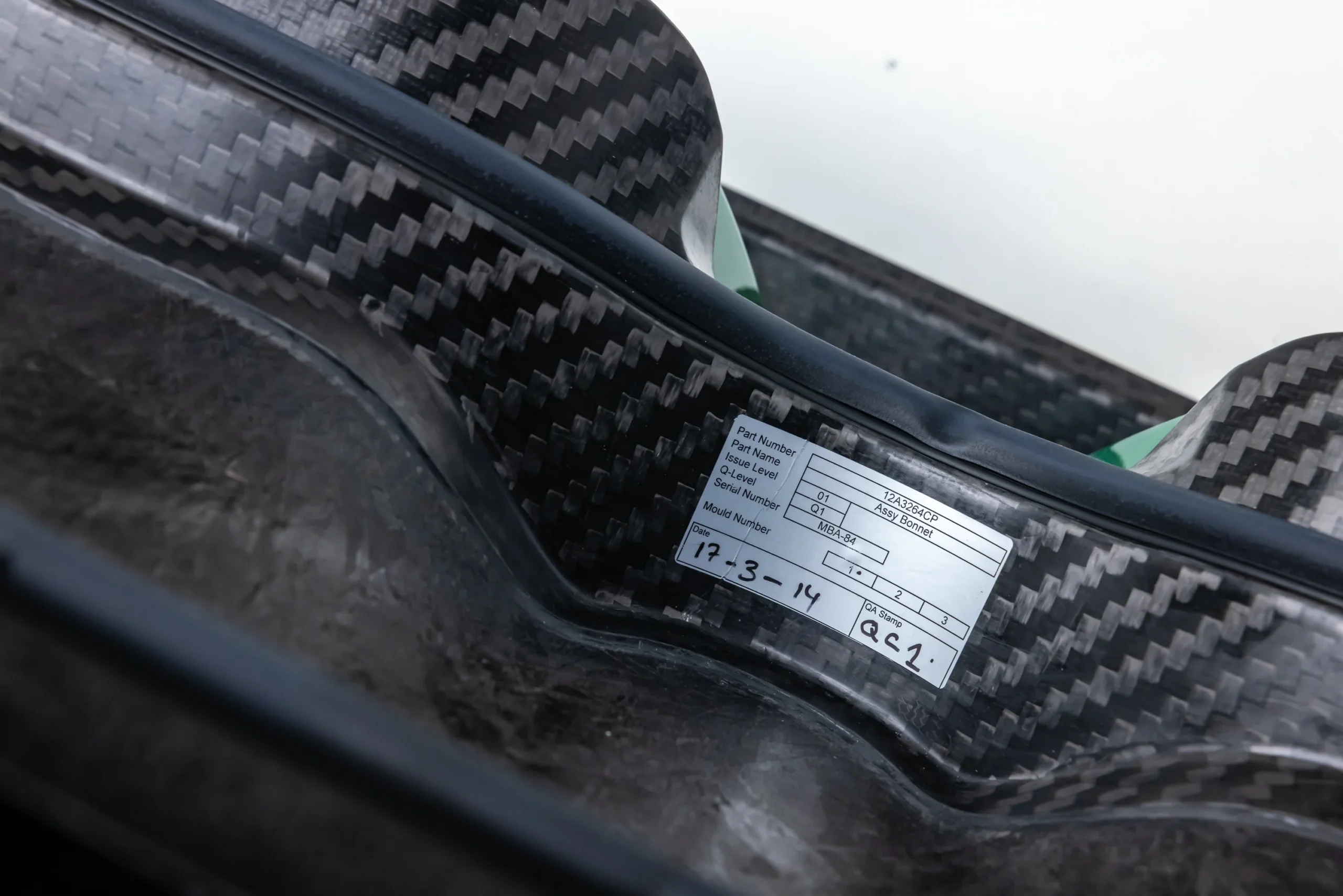
- Material: CFRP (Carbon Fibre Reinforced Polymer) bonded directly to the MonoCage carbon chassis.
- Manufacture date: 17 March 2014.
- Dry weight of the P1: approximately 1,395 kg, despite the added hybrid battery and electric motor.
- Power output: 916 hp, 0‑100 km/h (0‑62 mph) in 2.8 seconds, top speed 350 km/h (217 mph).
Auction Results
After multiple offers, the carbon‑fiber body kit was sold at a June 2026 auction for US$213,000. This price exceeds the U.S. starting price of the Porsche 911 Targa 4 GTS, which begins at US$203,300.
Comparison with the Porsche 911 Targa 4 GTS
While the Porsche 911 Targa 4 GTS offers a classic, open‑top driving experience, the McLaren P1’s carbon kit highlights the extremes of modern hypercar engineering—lightweight construction, hybrid performance, and bespoke styling. The auction price underscores how collectors value rare, factory‑customised components, often more than an entire new supercar.

What This Means for the Market
The sale reflects a growing trend: high‑end automotive parts, especially carbon‑fiber components, are becoming valuable assets on their own. In 2024, the hybrid battery pack for a McLaren P1 fetched US$156,700, illustrating the premium placed on cutting‑edge technology.

For enthusiasts and investors alike, the McLaren P1 carbon kit sale offers a glimpse into the future of automotive collectibles, where performance, material science, and exclusivity converge.