
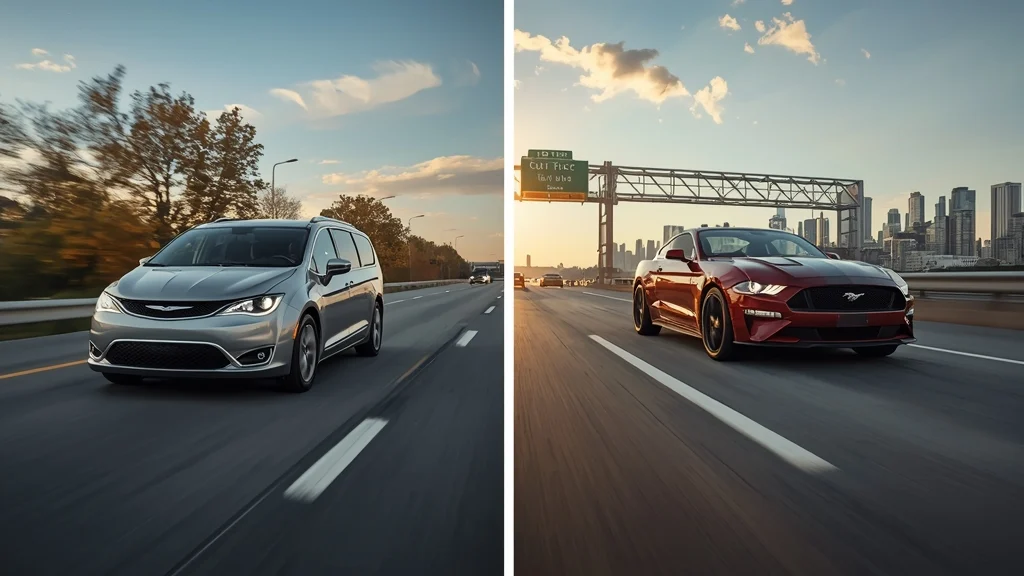
Find out which models log the highest annual mileage in America, from family minivans to hybrids, and why the Ford Mustang tops the low‑usage list. Read more now!
Study Overview
iSeeCars analyzed odometer data from more than 2.1 million three‑year‑old vehicles sold in the United States during 2025. By calculating the average annual distance each model traveled, the firm identified which cars are put to the most use and which sit idle in owners’ garages.
How the Data Was Collected
The methodology focused on cars that changed hands in 2025. Odometer readings from these resale transactions were divided by three to estimate the yearly mileage per model and transmission type. Low‑volume models were excluded, and only vehicles that were sold again were counted, meaning the results reflect the behavior of owners who decided to sell after three years rather than the entire fleet.
Top Performers: Family and Passenger Vehicles
Among gasoline‑powered models, the Chrysler Pacifica leads with an average of 33,590 km (≈20,880 mi) per year, 56.7 % above the overall gasoline average of 21,441 km. Close behind are other family‑oriented models:
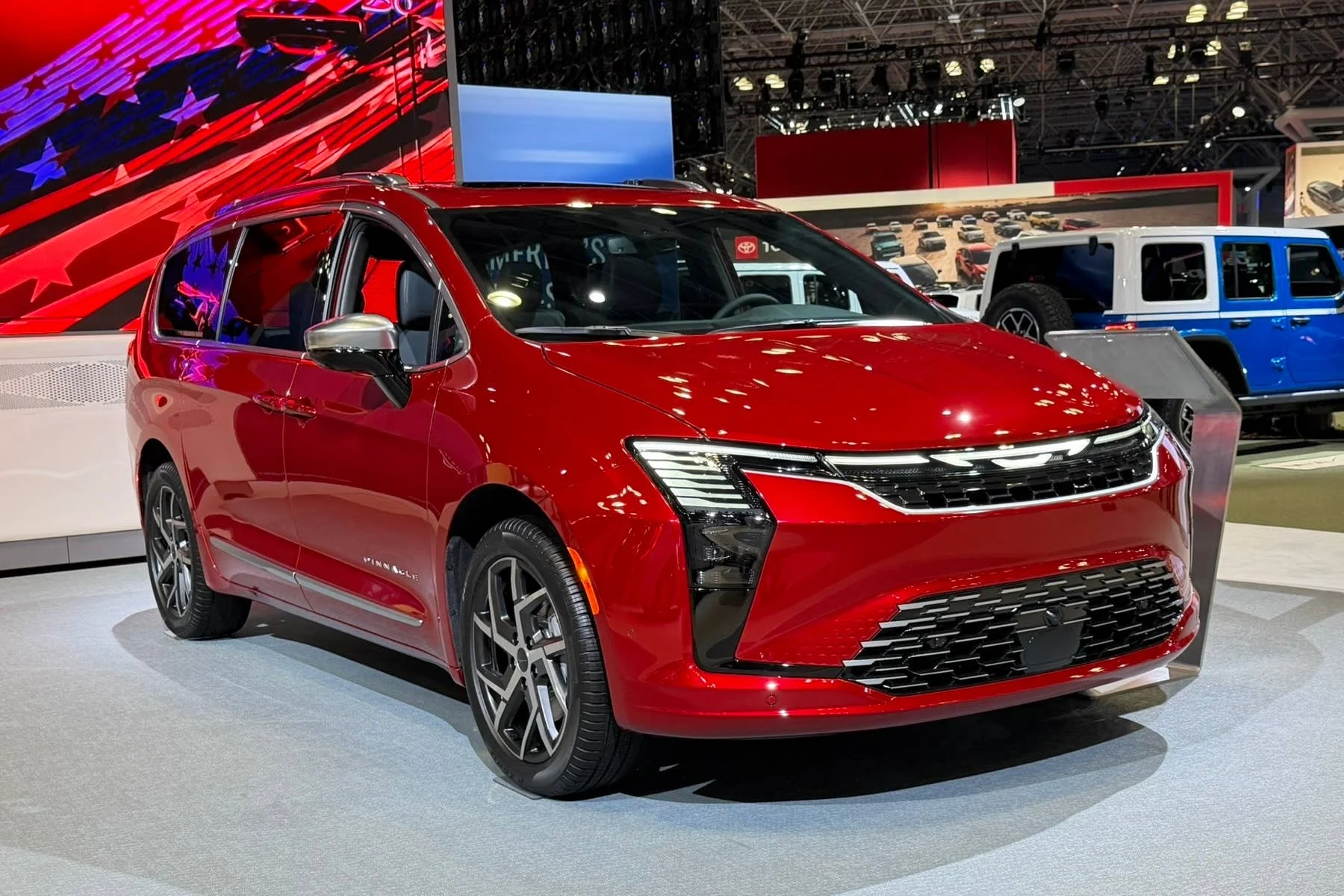
- Chrysler Voyager – 33,070 km
- Chevrolet Suburban – 31,584 km
- Kia Carnival – 30,390 km
- Chevrolet Malibu – 30,347 km
These vehicles are primarily used for daily commuting, school runs, and weekend trips with passengers.
Lowest‑Mileage Gasoline Model: Ford Mustang
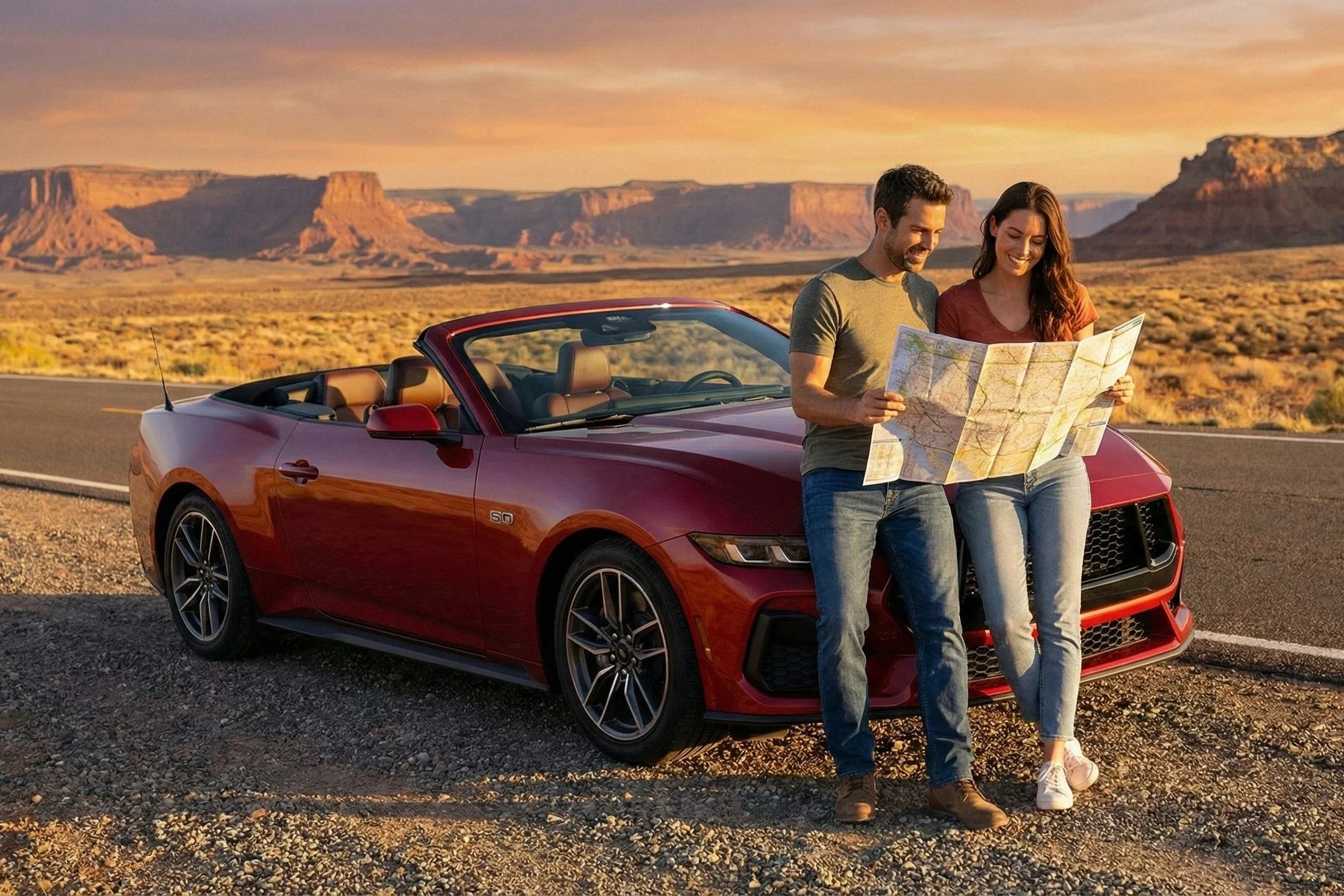
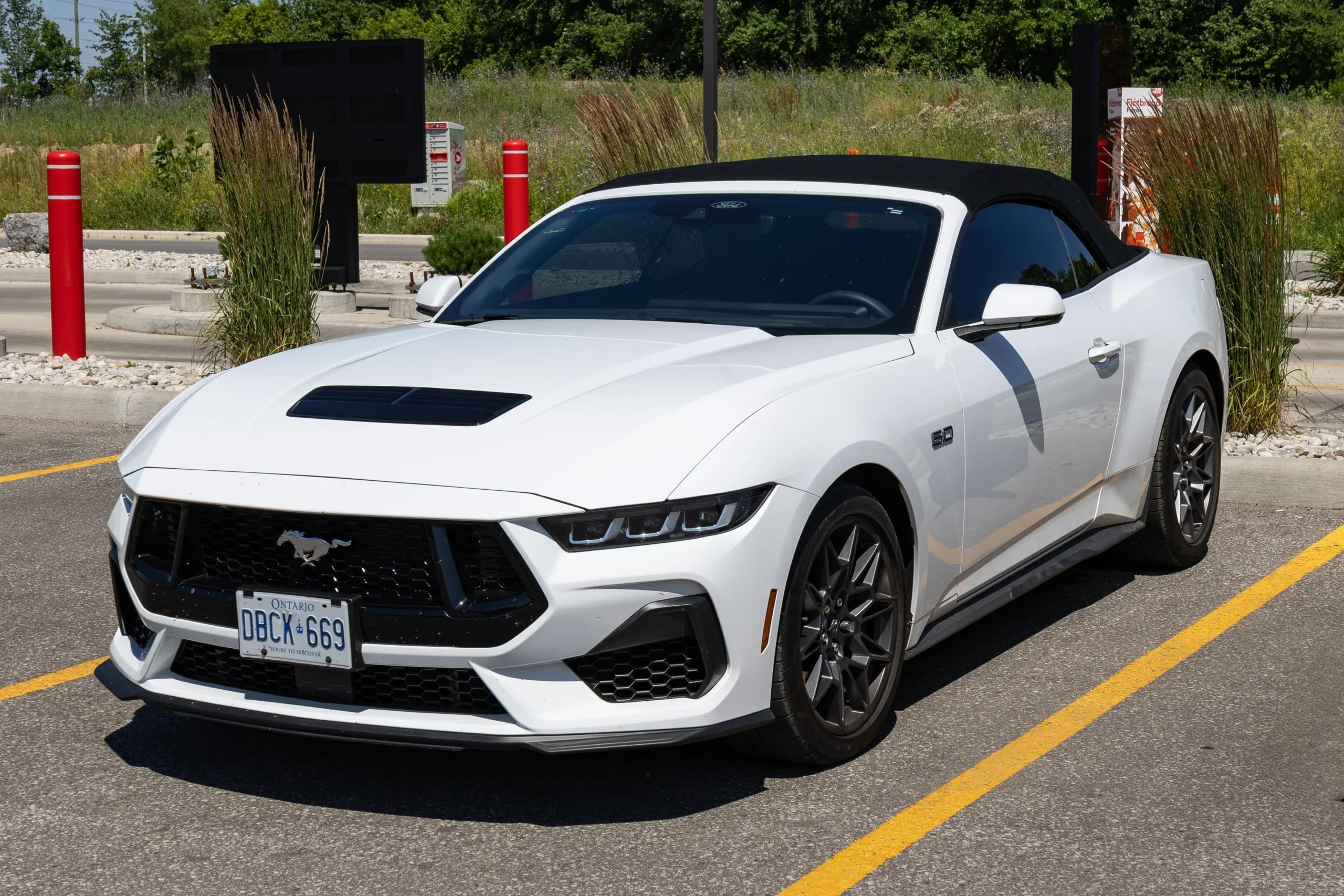
At the opposite end of the spectrum sits the Ford Mustang, which logged just 3,366 km (≈2,093 mi) per year. That’s 84.3 % below the average gasoline mileage. While sports cars are often treated as second‑or‑third vehicles, the Mustang’s relatively modest usage is notable because the model is not considered “hard to drive” in everyday life.
Hybrid Cars Take the Lead
Hybrid‑powered models topped the overall usage chart with an average of 23,651 km (≈14,700 mi) per year, 10.3 % higher than gasoline cars and 23.7 % higher than pure electric vehicles.
Electric Vehicles: Tesla Dominates
Within the EV segment, Tesla’s Model 3 recorded the highest annual mileage at 22,142 km (≈13,770 mi), followed closely by the Model Y at 21,787 km. Hyundai’s Ioniq 5 was the only non‑Tesla model to surpass the EV group average.
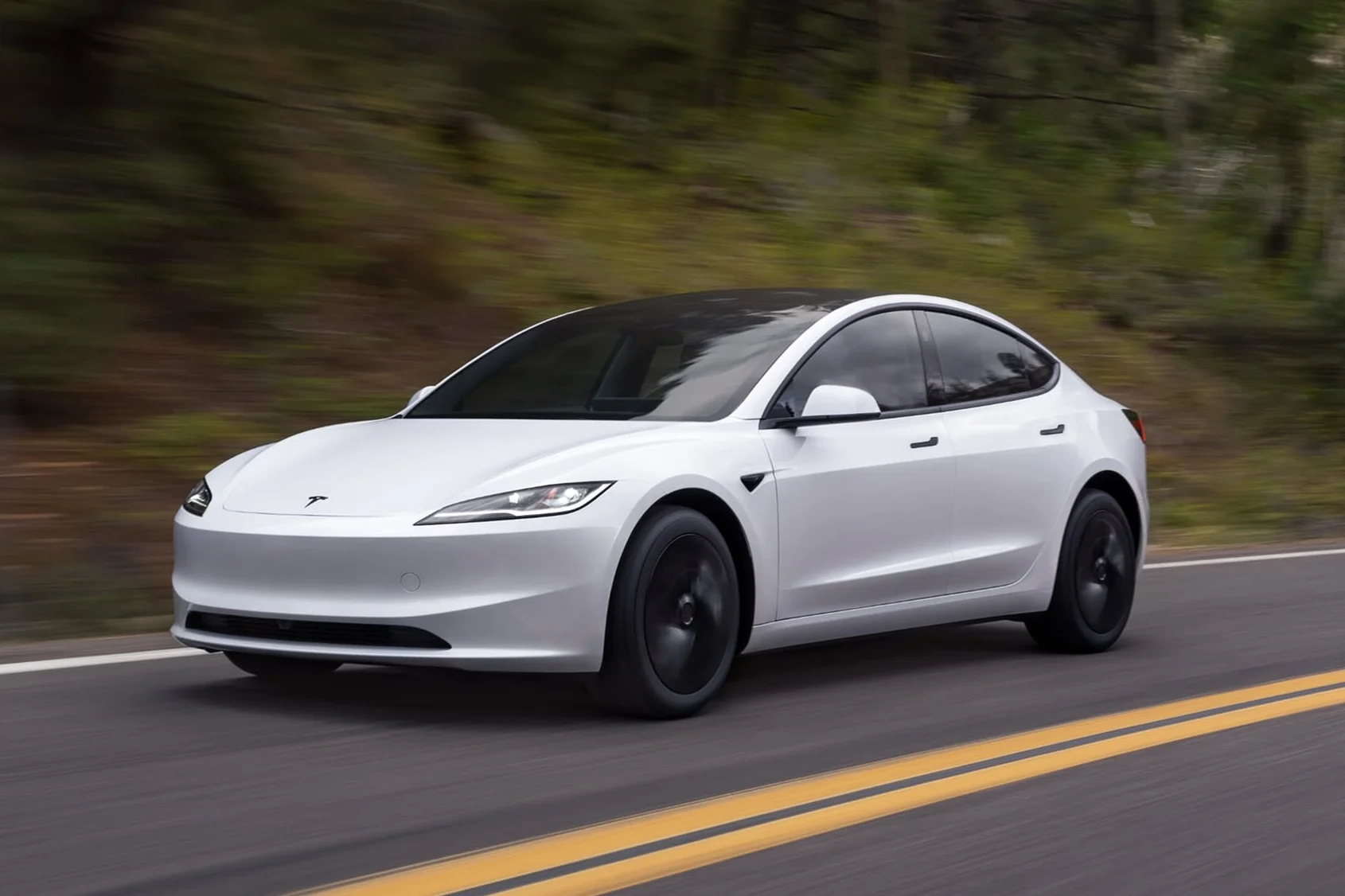
Performance‑oriented or luxury EVs such as the Audi RS e‑tron GT (10,397 km) and Lucid Air (11,068 km) logged considerably fewer miles, reflecting their use as premium or occasional‑drive cars.
Sport‑Car Usage Remains Low
The list of least‑driven models is dominated by sports cars:
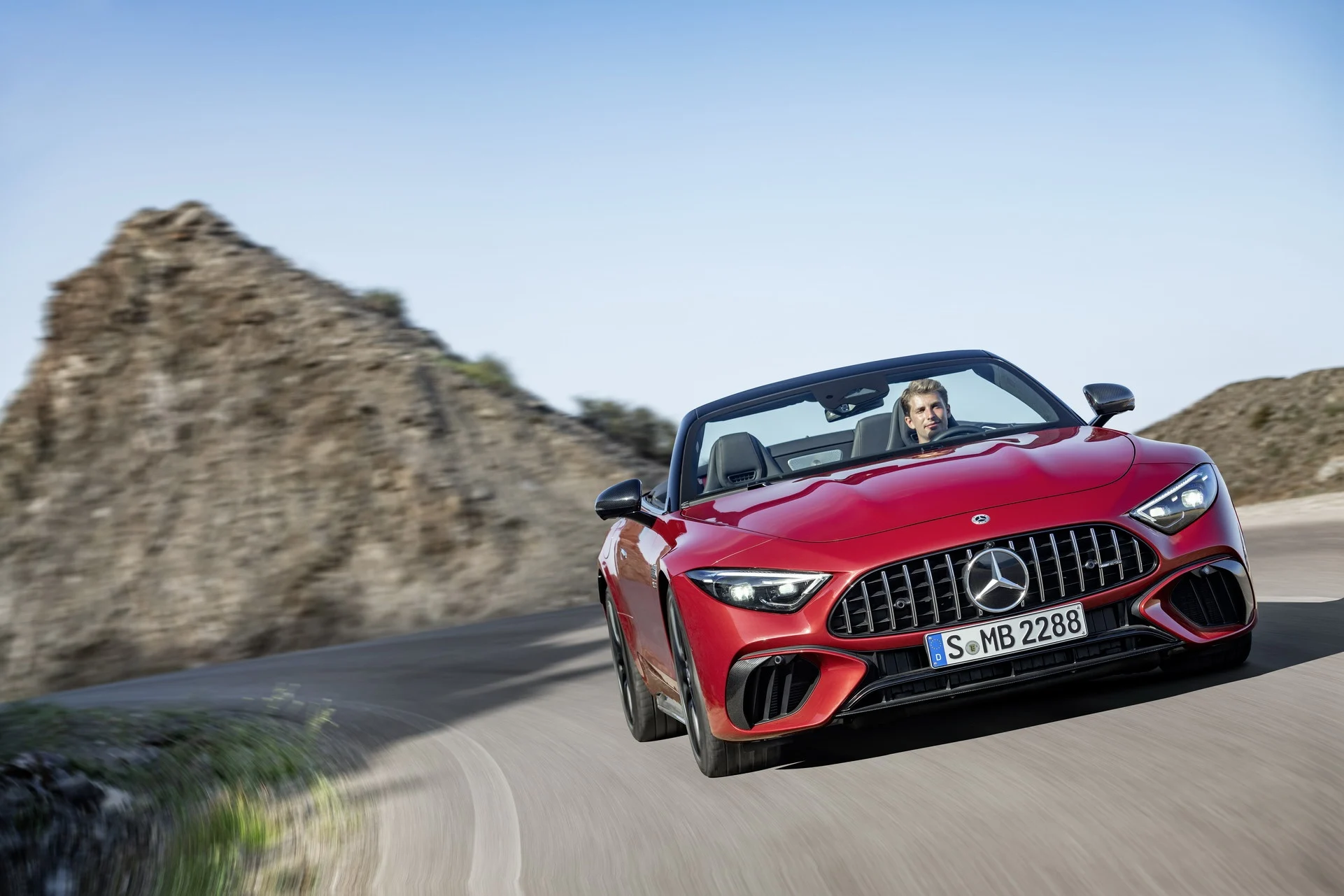
- Mercedes‑Benz SL‑Class – 5,111 km
- Porsche 911 – 6,195 km
- Chevrolet Corvette – 7,071 km
- Lexus LC 500 – 7,087 km
- Mercedes G‑Class – 10,740 km
- Mercedes C‑Class Convertible – 11,432 km
These figures reinforce the notion that high‑performance cars are typically kept as secondary or weekend vehicles rather than primary transportation.
Key Takeaways and Limitations
The iSeeCars study highlights stark differences in how American drivers treat different vehicle categories: family‑size minivans and SUVs are maximized for mileage, hybrids are the most utilized powertrain, while sports cars see the least distance traveled. However, because the analysis only includes cars that were resold in 2025, it does not capture long‑term owners who keep their vehicles beyond three years. Consequently, the findings represent a snapshot of a specific owner segment rather than the entire U.S. market.