
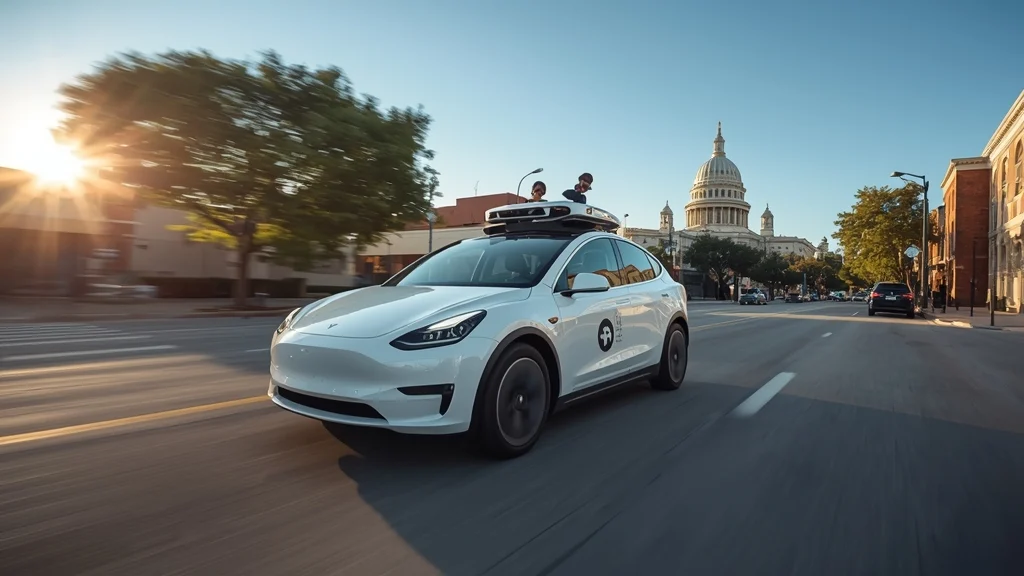
Tesla has expanded its unsupervised robotaxi fleet across the Austin Metro area, racing ahead of Waymo. Learn how this reshapes autonomous ride‑hailing – read more now.
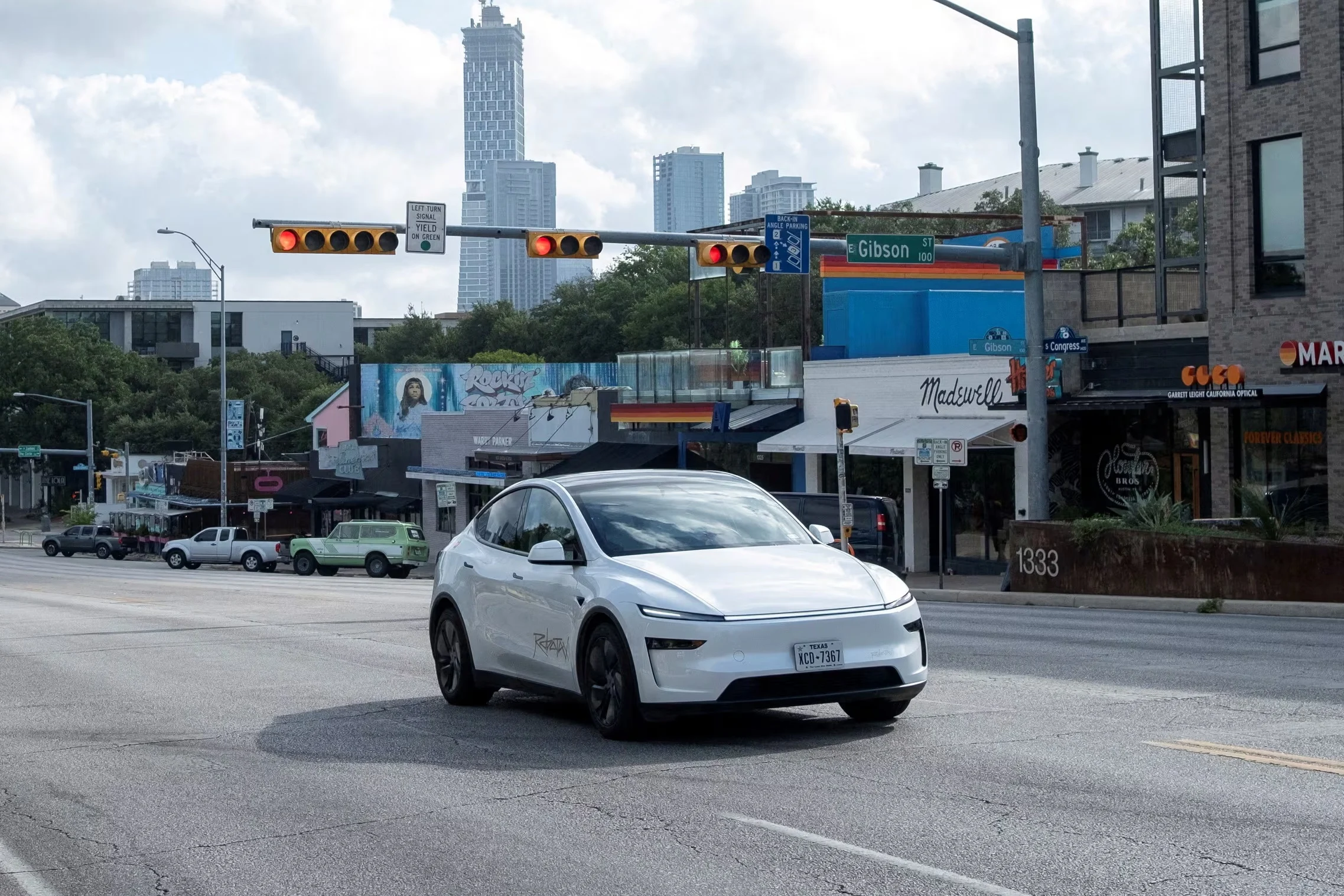
Tesla announced that its unsupervised robotaxi service is now operational throughout the entire Austin Metro region in Texas. The move marks a significant step forward in the company’s push to commercialise fully autonomous ride‑hailing.
Why This Expansion Matters
Until now, Tesla’s robotaxis were limited to select zones within Austin. By opening the service to the whole metropolitan area, the company aims to demonstrate that its Full Self‑Driving (FSD) software can handle real‑world traffic without any human safety driver on board.
Current Fleet and Performance
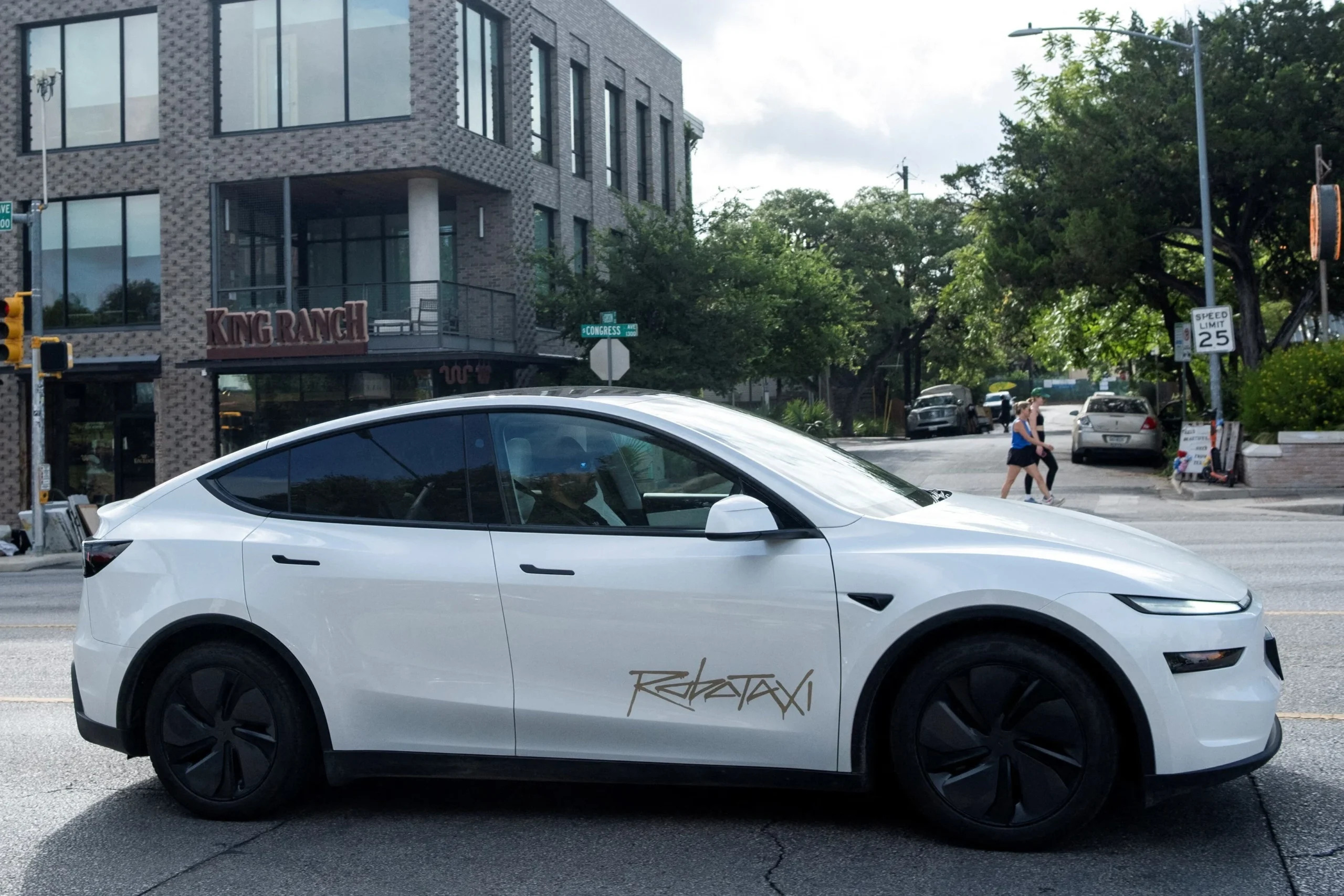
Tesla currently operates roughly 50 robotaxis in Austin. While this number lags behind Alphabet’s Waymo, which runs more than 250 autonomous vehicles in the same market, the expansion signals Tesla’s intent to close the gap quickly.
- Average wait time for a Tesla robotaxi: up to 30 minutes.
- Waymo’s average wait time: typically under 10 minutes.
- Tesla’s strategy: increase fleet size and improve dispatch algorithms.
Elon Musk’s AI‑First Vision
CEO Elon Musk has been shifting Tesla’s focus from pure electric‑vehicle sales to artificial‑intelligence and robotics. The robotaxi rollout is a core pillar of that strategy, showcasing the practical use of the company’s FSD suite.
In a recent interview, Musk said he expects fully driver‑less vehicles to be deployed nationwide by the end of the year, once regulatory approvals are secured.
Competitive Landscape
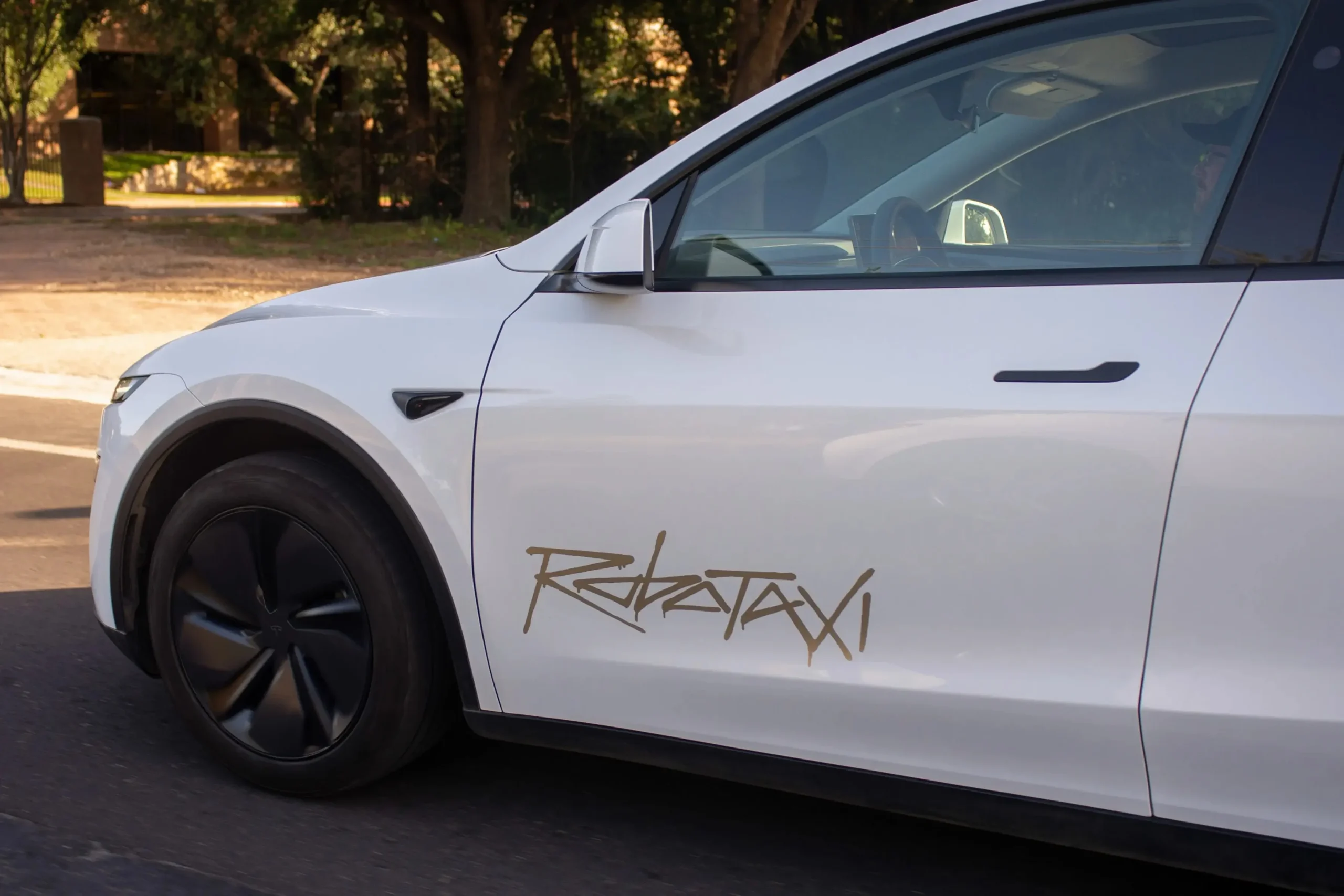
Waymo remains the clear front‑runner in autonomous ride‑hailing, but Tesla’s brand recognition and aggressive pricing could attract a broader user base. The company’s ability to scale quickly—thanks to its existing service‑center network—might offset the current fleet size disadvantage.
Future Plans Beyond Austin
In April 2026, Tesla confirmed that robotaxi operations have also begun in Dallas and Houston. Expanding to three major Texas cities positions the firm as a serious contender in the U.S. autonomous‑vehicle market.
Analysts view the Texas rollout as a testing ground for a future national network. If the service proves reliable and profitable, Tesla could soon launch robotaxi fleets in additional states.
What’s Next for Consumers?
For riders, the expansion means more opportunities to book a driver‑less trip via the Tesla app. As the fleet grows, wait times are expected to shrink, bringing the experience closer to that offered by traditional ride‑hailing platforms.
Stay tuned as Tesla continues to push the boundaries of autonomous mobility and reshapes the future of transportation.