

Texas is closing the gap on California in new‑car sales and now leads in consumer spend. Discover the shift and what it means for the auto industry. Read more!
For decades, industry watchers have pointed to California as the undisputed hub of new‑car sales in the United States. The mantra “the car trend starts in California” has been repeated so often that it seemed immutable. New data from J.D. Power, however, suggests that the balance of power is shifting dramatically toward Texas.
Shrinking Gap in Sales
California’s share of light‑vehicle retail sales has slipped from 12.5% to 11.4%, while Texas has risen from 9.3% to 10.8% over the past six months. The gap narrowed from three percentage points to just 0.6. Based on a forecast of 16.3 million vehicles sold this year, California is projected to sell about 158,000 fewer cars than its 2019 average, whereas Texas is expected to add roughly 197,000 units.
Truck Preference Drives Spending
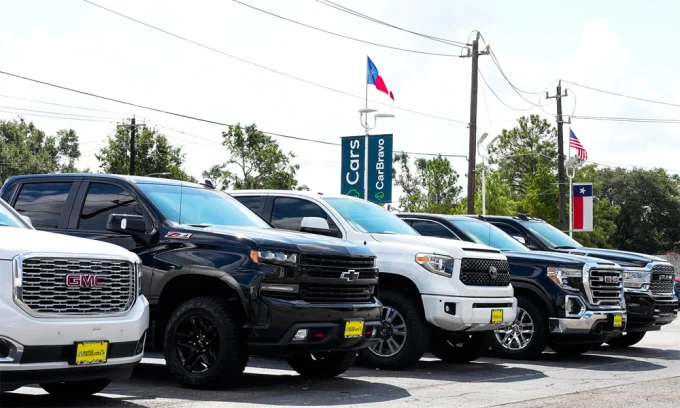
One of the biggest drivers behind Texas’ surge is its love of pickups. Trucks account for 27% of all vehicles sold in the Lone Star State, compared with just 17% in California. Because pickup transactions tend to be higher‑priced, Texas now leads in total consumer spend on new vehicles – 10.7% of national spend versus 9.9% for California.
Financing Habits Diverge
Texas buyers also behave differently at the checkout. High state taxes make long‑term leasing less attractive, so 69% of Texas purchasers either pay cash or secure external financing – a full 23 points higher than in California, where leasing makes up about 30% of transactions. Additionally, the average loan term in Texas is 1.5 months longer, and dealers earn roughly $2,200 in finance‑and‑insurance (F&I) revenue per vehicle, $400 more than their California counterparts.
Electric Vehicle Resilience
Contrary to the stereotype of Texas as a “dead zone” for green cars, the state has maintained a relatively stable share of electric‑vehicle (EV) sales, even as many other states see sharp declines. This resilience adds another layer to Texas’ growing automotive influence.
Implications for Manufacturers
The emerging picture is one of a geographic and economic realignment. What was once a West‑coast‑centric market is moving toward the South‑central corridor, where population growth, a robust economy, and distinct consumer tastes are reshaping demand. For automakers, understanding Texas’ preferences – from pickup dominance to financing patterns – is no longer optional; it’s essential for staying competitive.
As the data suggests, if current trends continue, Texas could become the United States’ largest auto market, redefining everything from model line‑ups to dealership strategies. The question now is: are manufacturers ready to meet the challenge?