
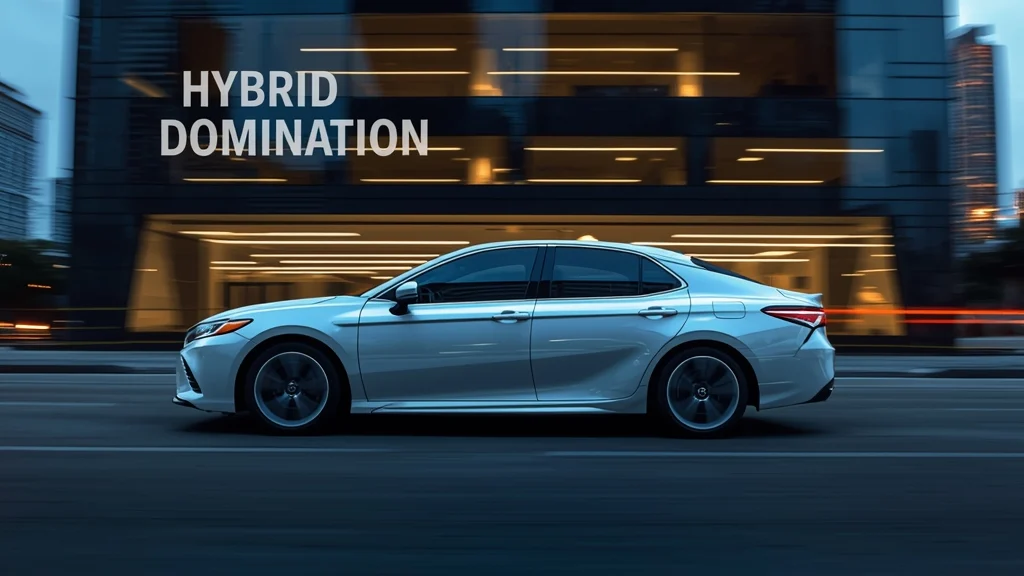
Discover why the Toyota Camry Hybrid is outselling gas versions 5-to-1 in Vietnam as D-segment sedans evolve. Explore the latest market trends here!
Hybrid vehicles are rapidly gaining traction in the Vietnamese automotive market, showing steady growth over the past year. While gasoline-powered variants typically hold the lead in total sales across most categories, a fascinating shift is happening in one specific niche: the D-segment sedan.
The Struggle of the Traditional Sedan
For years, the D-segment sedan—typically priced around the one-billion VND mark—was the gold standard for professionals. However, this segment has been hit hardest by the global shift toward SUVs. As consumers pivot toward higher ride heights and more versatile interiors, traditional low-slung sedans are struggling to keep pace.
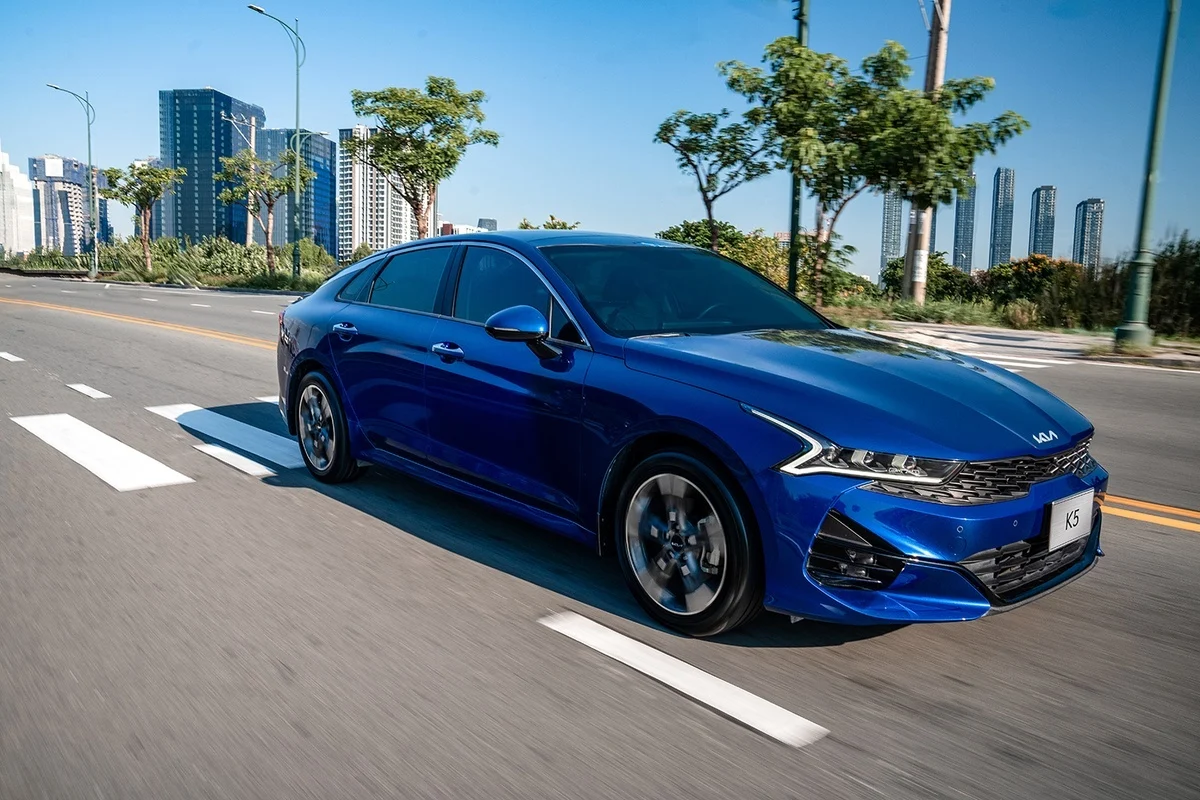
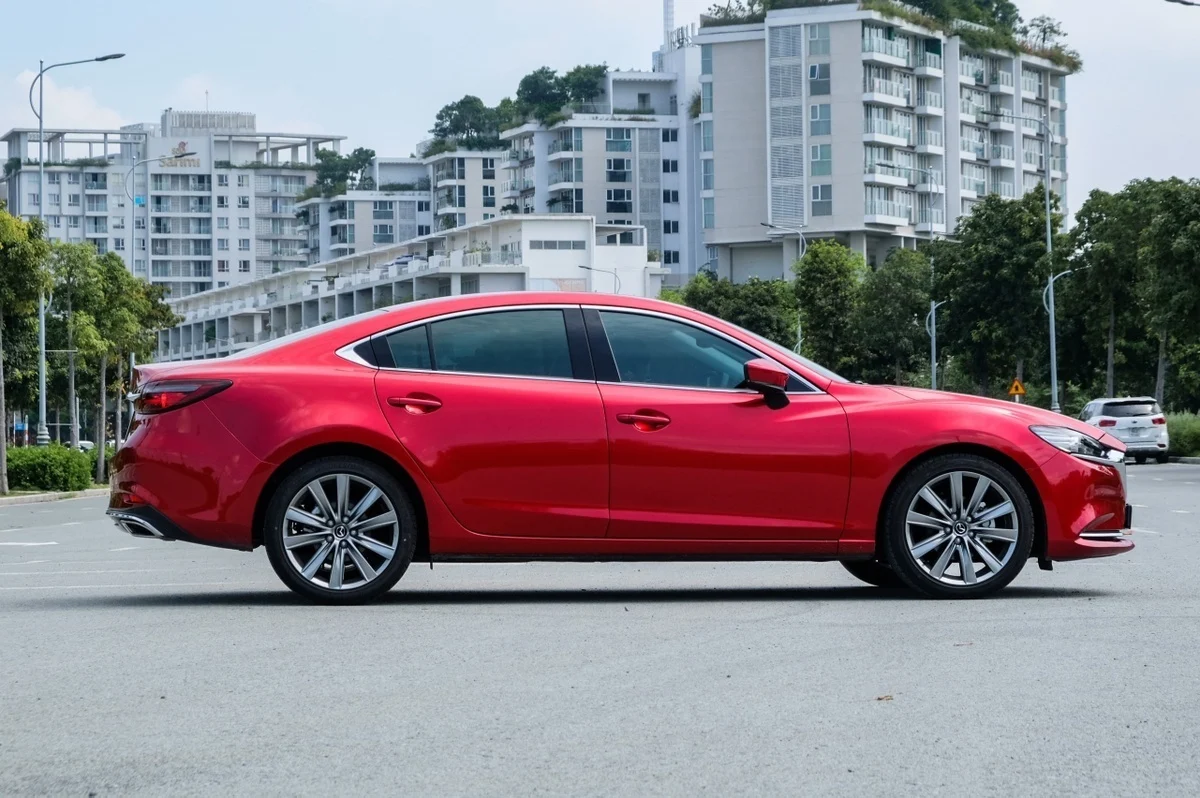
The decline is evident when looking at the competition. The Mazda6 has been phased out of the brand’s local lineup, and the Kia K5 has seen its sales slump so significantly that it is now grouped under “Other Vehicles” alongside slower-selling models like the K3 and Grand i10. Even the Honda Accord, once a formidable rival, has faced a grueling start to the year, recording zero sales in April.
The Lone Survivor: Toyota Camry’s Hybrid Surge
Amidst this downturn, the Toyota Camry remains the sole powerhouse of the D-segment. Not only is it the only model maintaining significant volume, but it is also leading a critical transition toward greener energy.
In April, the Camry recorded a total of 137 units sold, bringing its year-to-date total to 368. However, the real story lies in the powertrain preference. The breakdown of April’s sales reveals a staggering disparity:
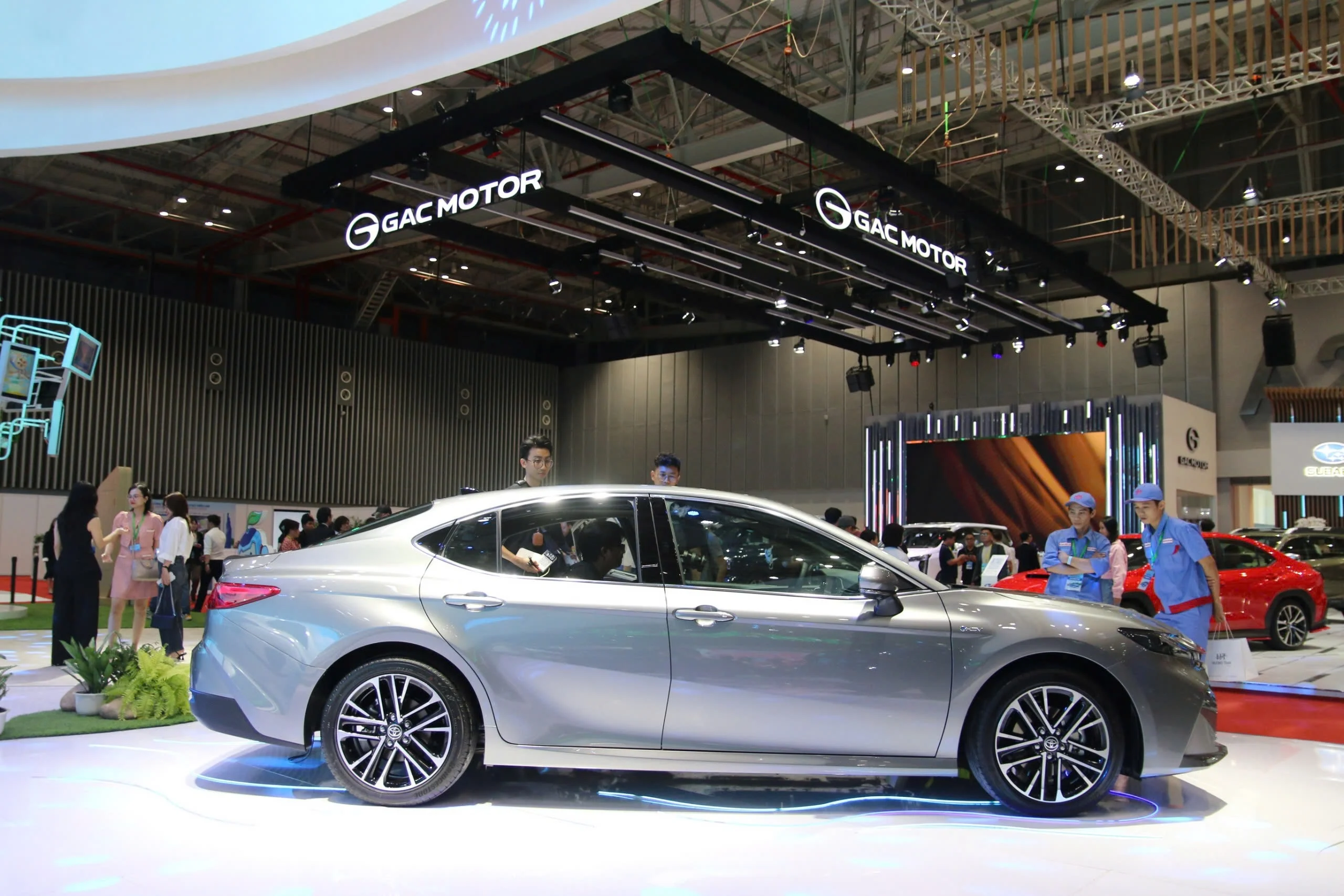
- Toyota Camry Hybrid: 115 units
- Toyota Camry Gasoline: 22 units
Looking at the bigger picture from January to April, the trend is even more pronounced: 297 hybrids sold compared to just 61 gasoline versions. In short, the hybrid variant is outselling the traditional gas engine by nearly five to one.
Decoding the Consumer Mindset
Why are Vietnamese buyers suddenly favoring the hybrid over the traditional engine? The answer lies in the target demographic. The D-segment sedan is traditionally the choice of entrepreneurs, high-ranking officials, and business executives who prioritize prestige and comfort.
Luxury Meets Efficiency
For these buyers, the slightly higher upfront cost of a hybrid is a secondary concern. Instead, they are investing in a superior driving experience. The hybrid powertrain offers a level of silence and smoothness in urban traffic that gasoline engines simply cannot match, while providing optimized fuel efficiency for long-distance business trips.
A Symbol of Modernity
With a fresh design and an advanced powertrain, the Camry Hybrid has evolved from a mere transport tool into a symbol of modern, conscious luxury. It allows owners to maintain the professional image of a large sedan while embracing the transition toward sustainable mobility.
Conclusion: A Beacon for the Sedan Segment
The overwhelming success of the Camry Hybrid proves that the D-segment sedan isn’t necessarily dead—it’s evolving. While the “SUV-ization” of the market continues to sweep Vietnam, the Toyota Camry stands as a “lone star,” proving that there is still a strong appetite for traditional sedans, provided they offer the innovation and efficiency of hybrid technology.