
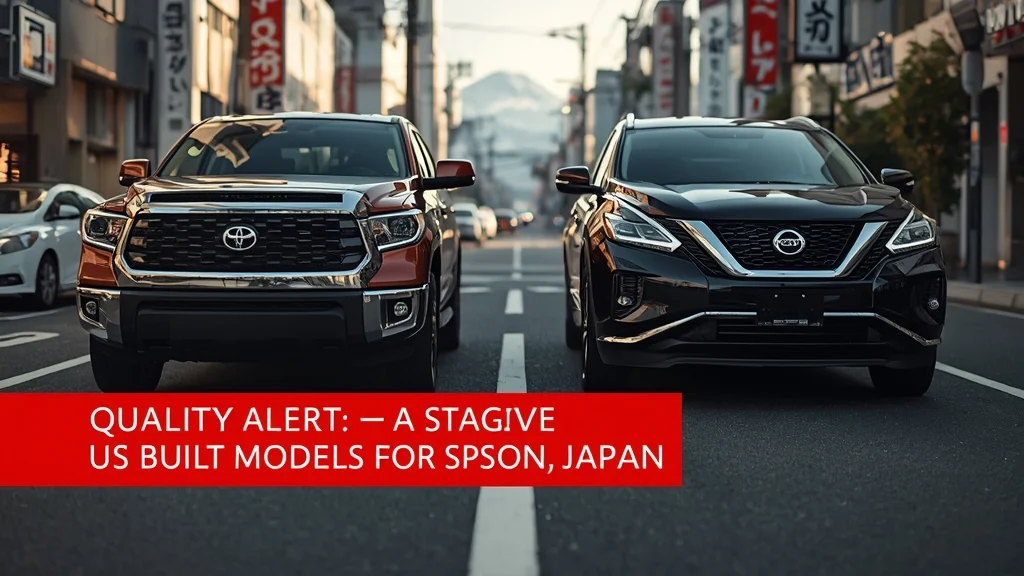
Toyota and Nissan alert Japanese buyers that US‑assembled Tundra, Highlander and Murano may not meet domestic quality expectations. Learn more now!
Japanese automakers Toyota and Nissan have issued unusual quality notices for several models that are built in the United States but imported back to Japan. The alerts underline differences that could affect the expectations of domestic buyers who are accustomed to the brand’s traditionally flawless reputation.
Why the warnings matter
For decades, Toyota and Nissan have invested heavily in cultivating a reputation for near‑perfect quality. In Japan, consumers hold these brands to very high standards, especially when it comes to fit, finish, and on‑board technology. The new advisories target a small group of U.S.–assembled vehicles that are now part of a broader strategy to bring American‑built Japanese cars back to the home market amid ongoing Japan‑U.S. trade talks.
Models covered by the alerts
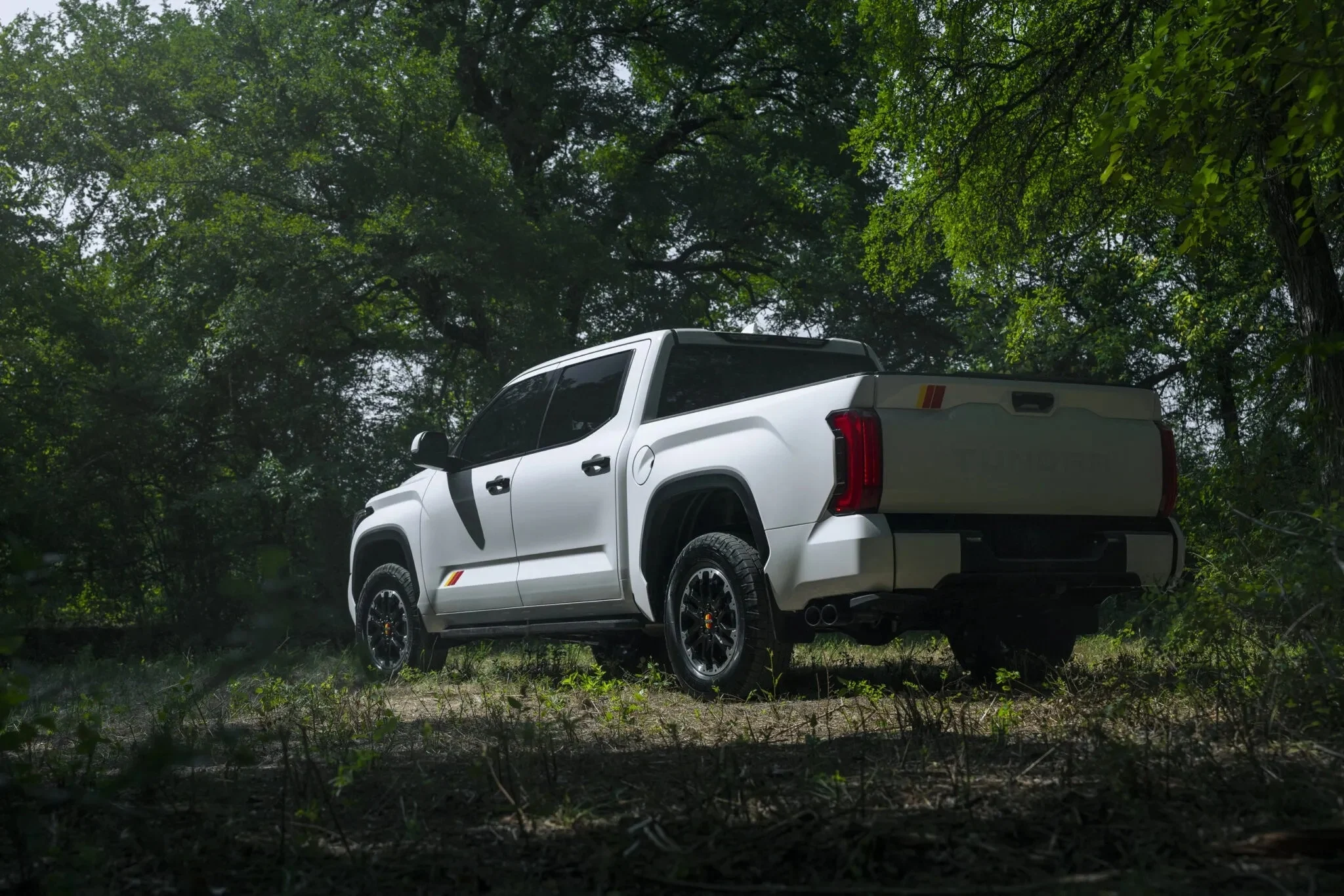
- Toyota Tundra – assembled in Texas
- Toyota Highlander – assembled in Indiana
- Nissan Murano – assembled in Tennessee
What Toyota says
In its Japanese buyer guide, Toyota notes that the Tundra and Highlander shipped from the United States are finished for overseas markets. As a result, owners may notice surface‑level variations such as:
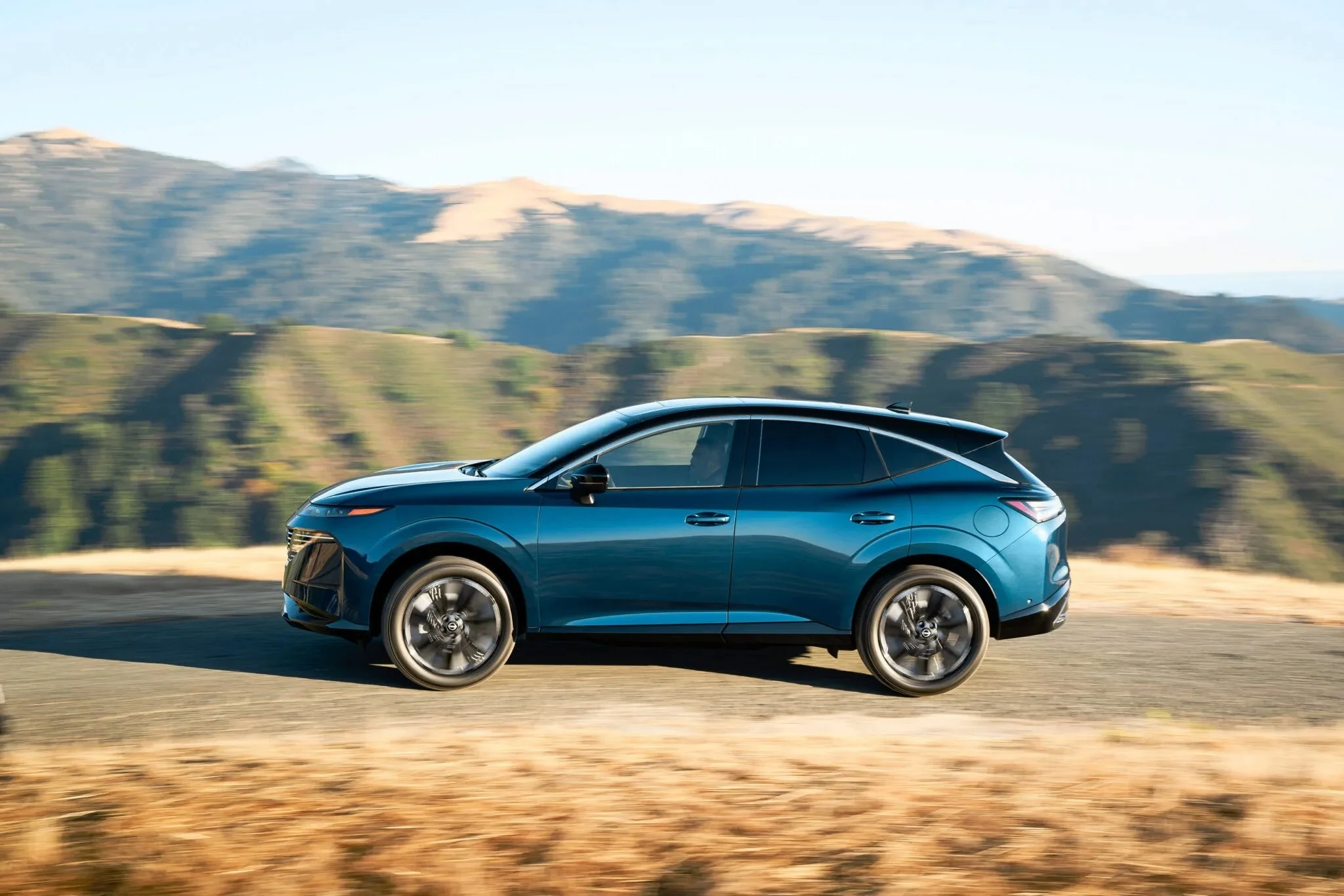
- Thin or uneven paint layers
- Color mismatches or slight gloss differences
- Minor paint imperfections like “orange peel” or small dents in the coating
- Occasional paint flaking (referred to as “paint bubbling”)
Toyota stresses that these cosmetic issues do not impact vehicle performance or safety. Additionally, the company warns that the U.S.‑spec Tundra’s traffic‑sign recognition system may not function correctly in Japan, and the infotainment screen will default to English only.
What Nissan says
Nissan’s notice for the U.S.‑built Murano highlights similar distinctions. The company points out that the vehicle is tuned for export markets, so Japanese owners might encounter:
- Small specks of dust or adhesive residue on the paint surface
- Minor fit‑and‑finish gaps, such as slight panel misalignments or a faint “jerk” in gear shifts
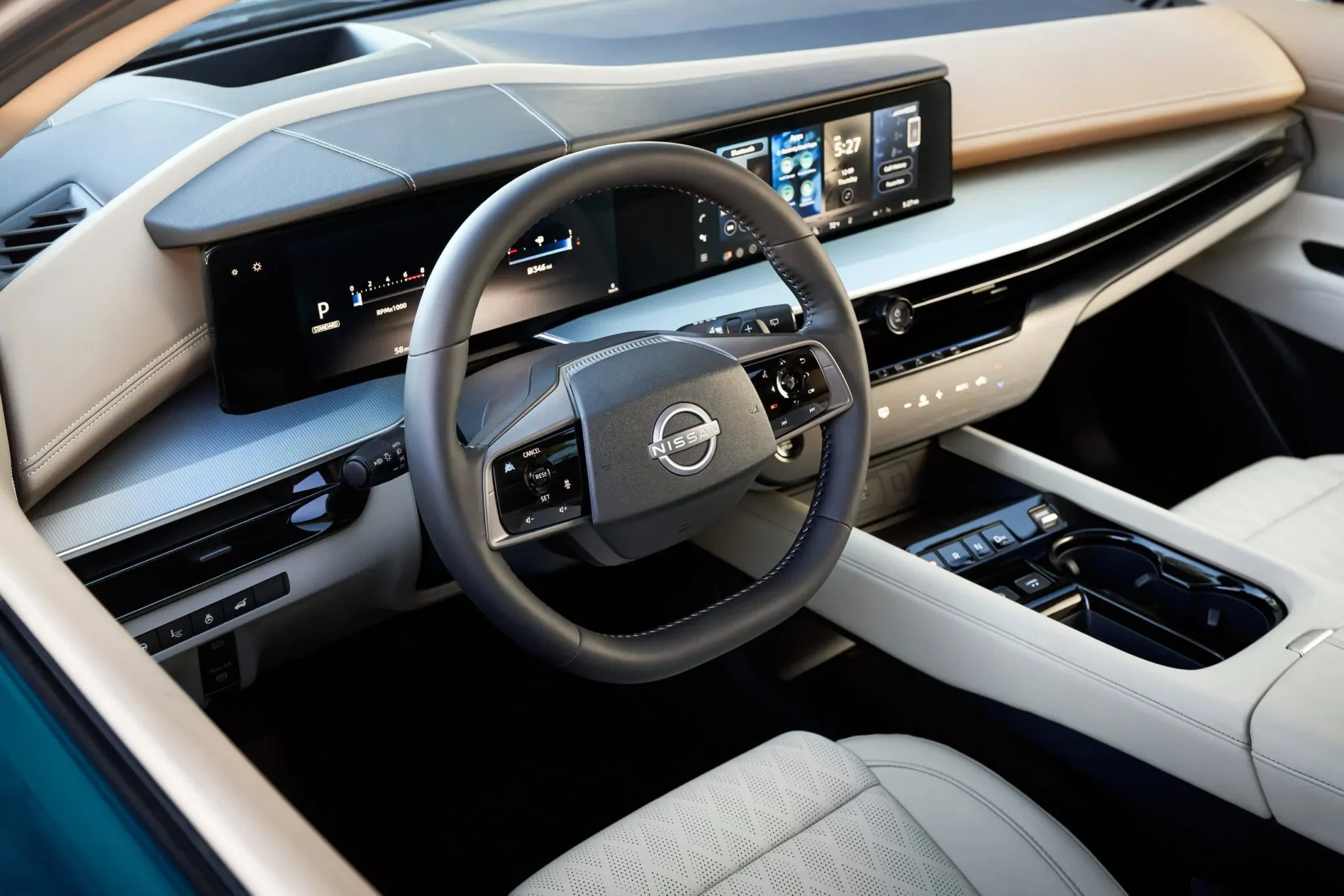
- Absence of a Japanese‑language menu in the infotainment system
- No AM/FM radio options and missing NissanConnect services
As with Toyota, Nissan assures that these differences are purely aesthetic or feature‑related and do not compromise drivability.
Implications for Japanese consumers
Japanese buyers typically have a wide selection of domestically produced models that do not carry such warnings. The added caveats may deter some customers from choosing the U.S.‑assembled versions, potentially limiting sales growth for this niche segment.
Bottom line
While Toyota and Nissan have not reported any functional defects in the highlighted models, the advisories serve as a reminder that cars built for export can carry subtle variations in finish and equipment. Prospective owners in Japan should weigh these factors against price, availability, and personal preference before committing to a U.S.–built vehicle.