
Despite rising fuel costs and inflation, US car sales remain resilient, driven by hybrid models. Discover why the market holds firm – read more now!
American automakers reported better‑than‑expected results for the second quarter of 2026, showing that demand for new vehicles is holding up even as consumers grapple with higher living costs and a shaky macro‑economic backdrop.
Overall sales dip only marginally
According to Omdia Automotive, new‑car registrations in the United States fell just 3% in the first six months of 2026 compared with the same period a year earlier. The modest decline comes despite rising fuel prices, persistent inflation, a slowing job market and geopolitical tension in the Middle East that has made shoppers more cautious.
Key manufacturers’ performance
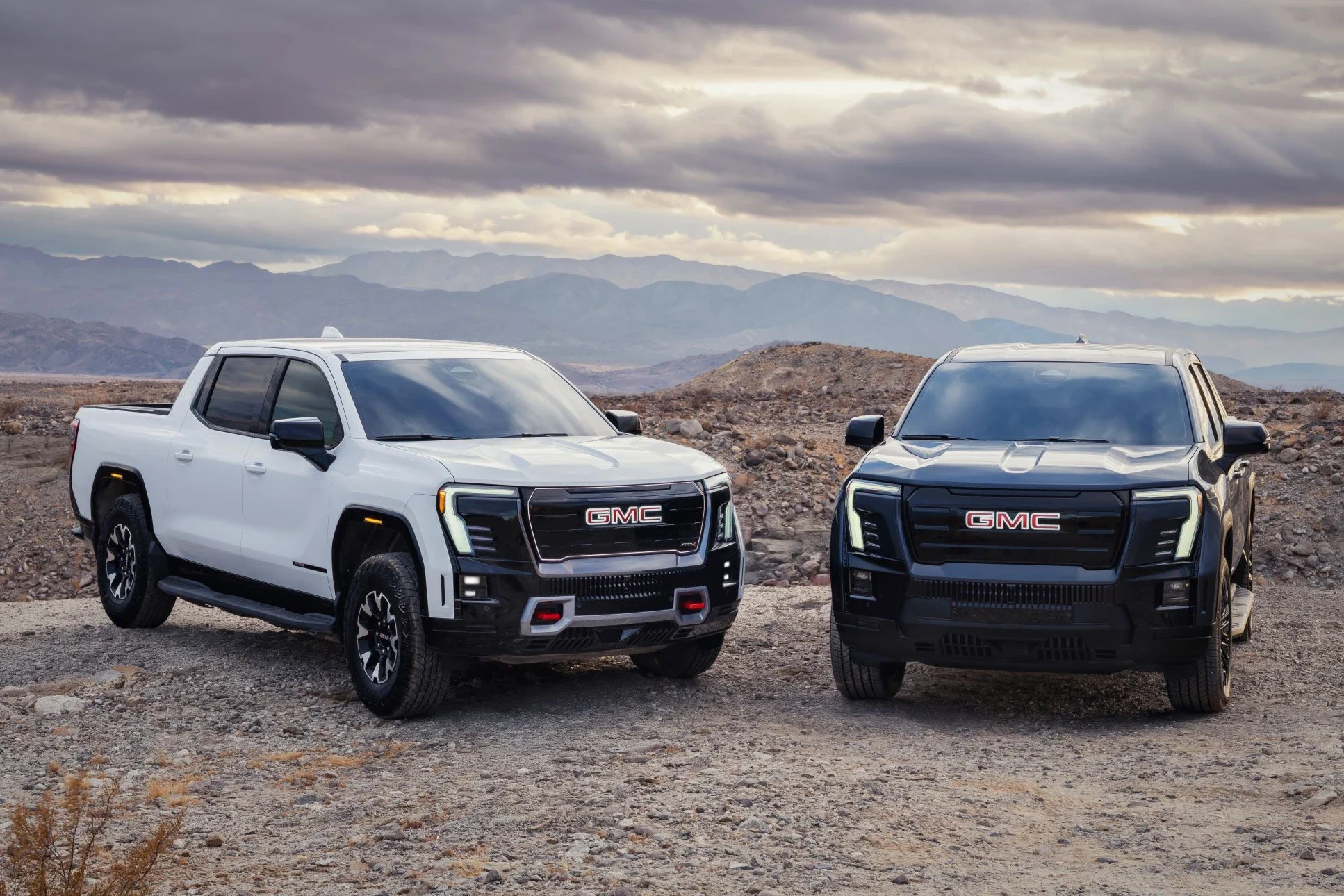
- General Motors (GM) posted a 4% YoY drop in Q2 sales, yet the company saw solid demand for the GMC Sierra pickup and the affordable Buick Envista crossover.
- Stellantis bucked the trend with a 6% increase, powered largely by the Ram pickup line, which continues to attract buyers even as gasoline prices climb.
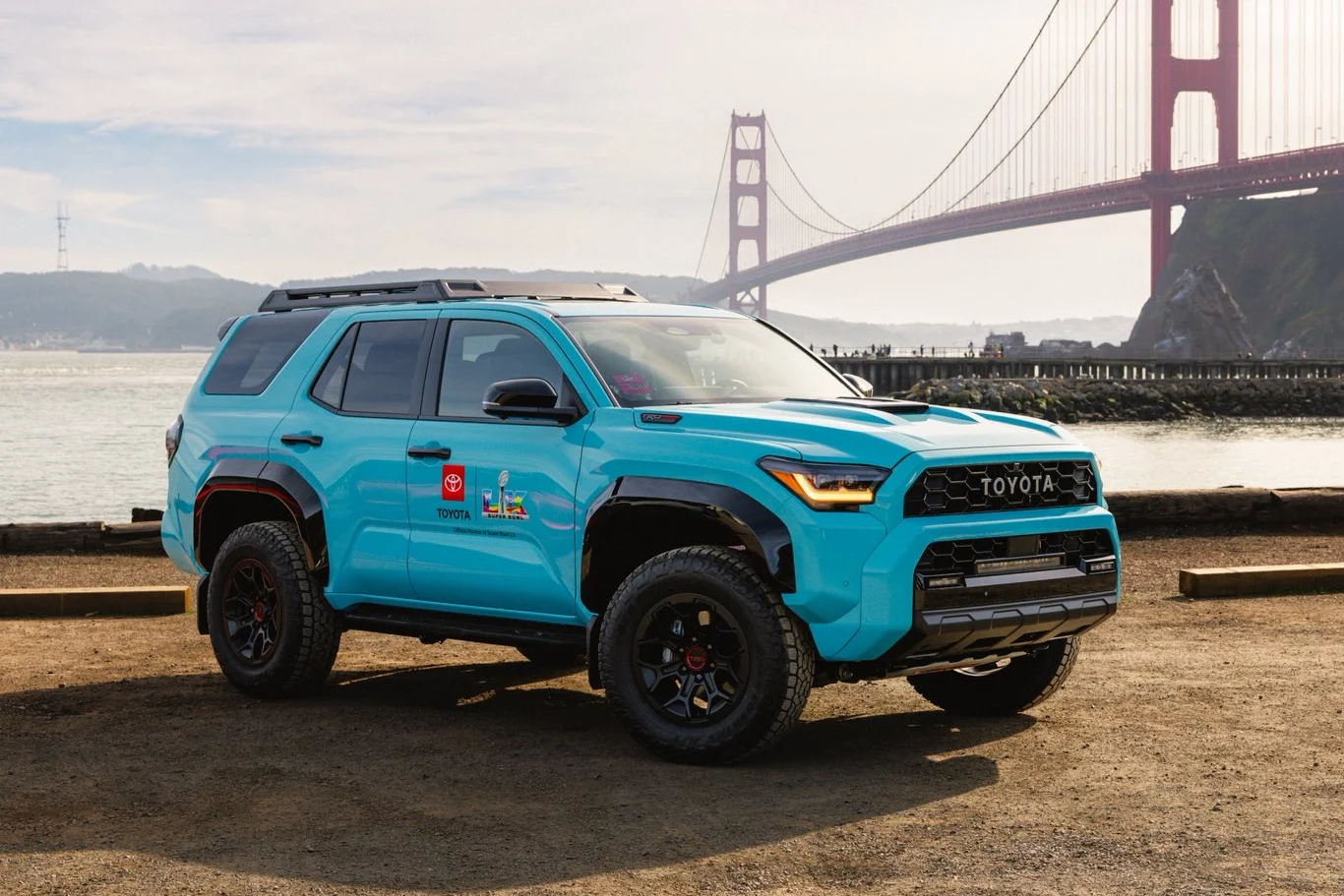
- Toyota and Hyundai both posted growth, up 1% and 4% respectively, thanks to a surge in hybrid vehicle sales that offset slower demand for traditional internal‑combustion models.
Why the market stays resilient
Industry analysts point to several stabilising factors. High‑income households now represent a larger slice of new‑car buyers, insulating sales from the worst effects of inflation and fuel‑price spikes. Charlie Chesbrough, senior economist at Cox Automotive, notes that the market has essentially “ignored” the recent Middle‑East conflict and the accompanying oil‑price surge – a departure from historic patterns where wars and energy crises triggered sharp sales drops.

Historical precedents, such as the 2003 Iraq war and the 2008 surge past $4 per gallon, saw steep declines in US auto sales. This time, the impact is muted.
Shifting buyer demographics
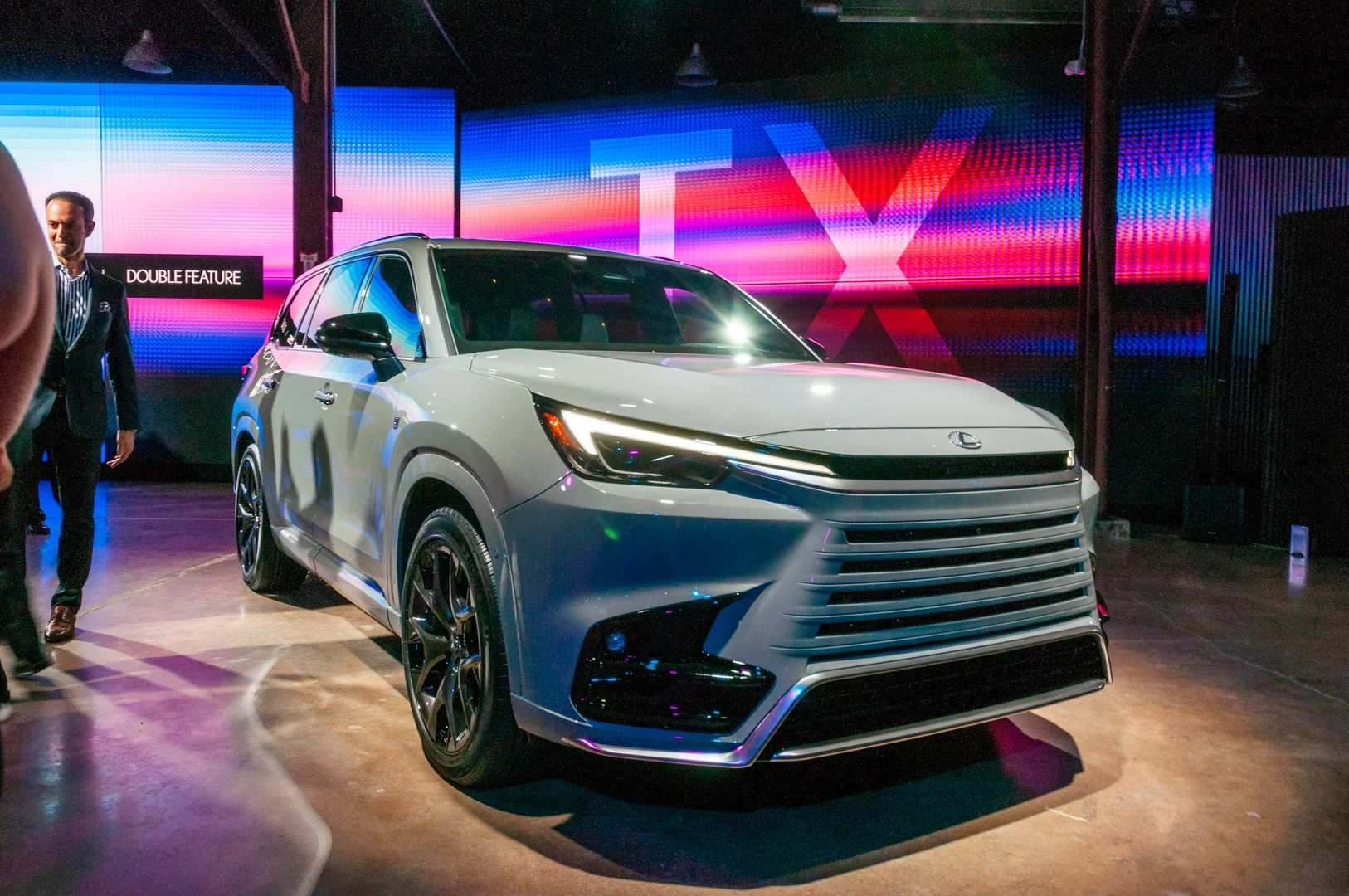
S&P Global Mobility data reveals that households earning $100,000 or less accounted for only 36% of new‑car purchases in 2025, down from 51% in 2020. The “K‑shaped” recovery means affluent consumers remain active spenders while lower‑income groups face tighter budgets.
Financing conditions improve
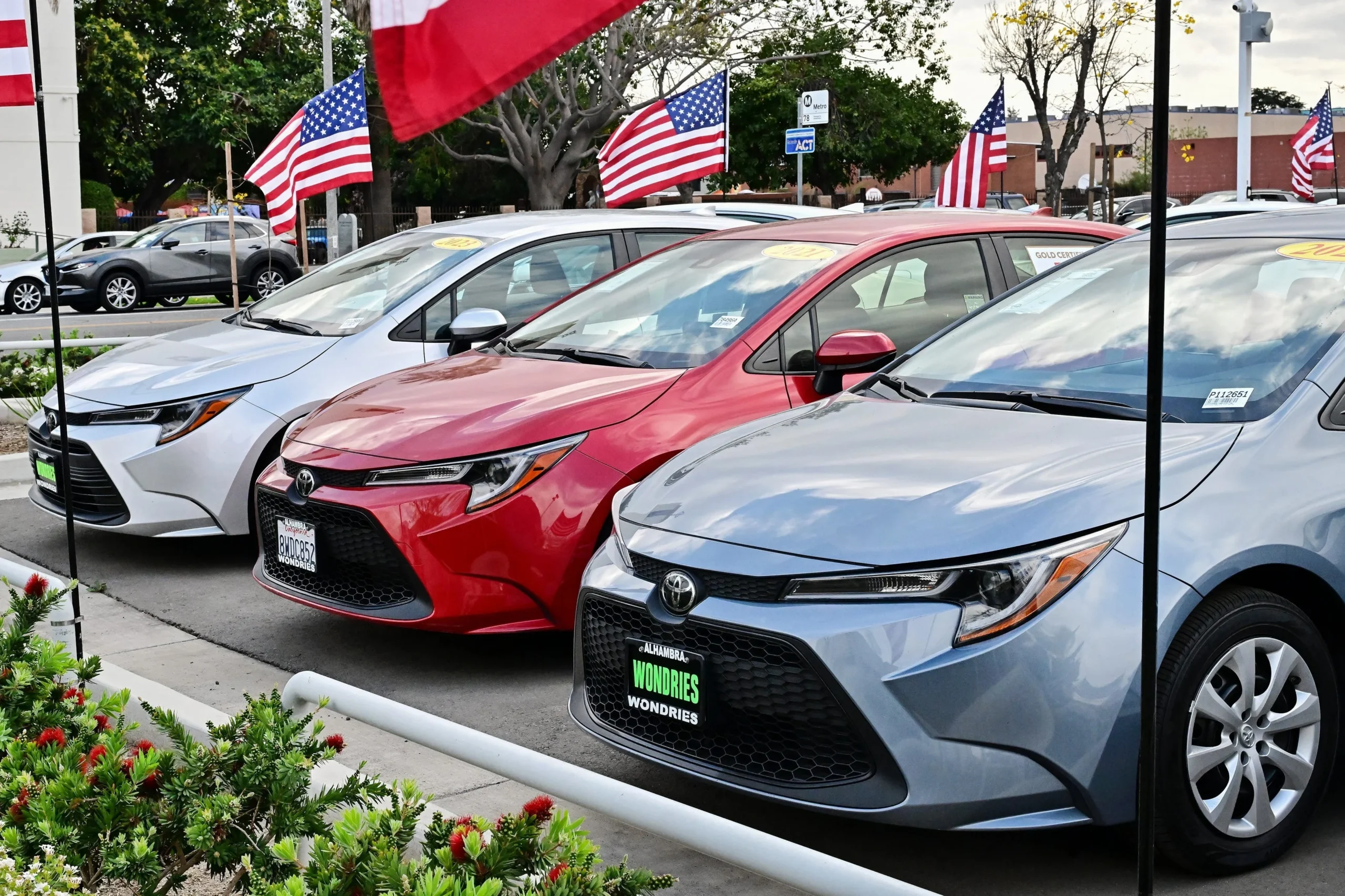
JD Power reports the average transaction price for a new vehicle in June 2026 rose about 1% YoY to $46,400. Although prices stay high, buyers benefited from lower financing costs: the average new‑car loan rate fell to 6.66% in June, the lowest level in four years.

Longer loan terms also helped. Edmunds notes that 24% of borrowers opted for financing periods of 84 months or more in Q2 2026, the highest share on record. AlixPartners shows the monthly loan‑payment‑to‑disposable‑income ratio dropped to 13.3% in Q1 2026, easing financial pressure on purchasers.
Hybrid vehicles emerge as the growth engine
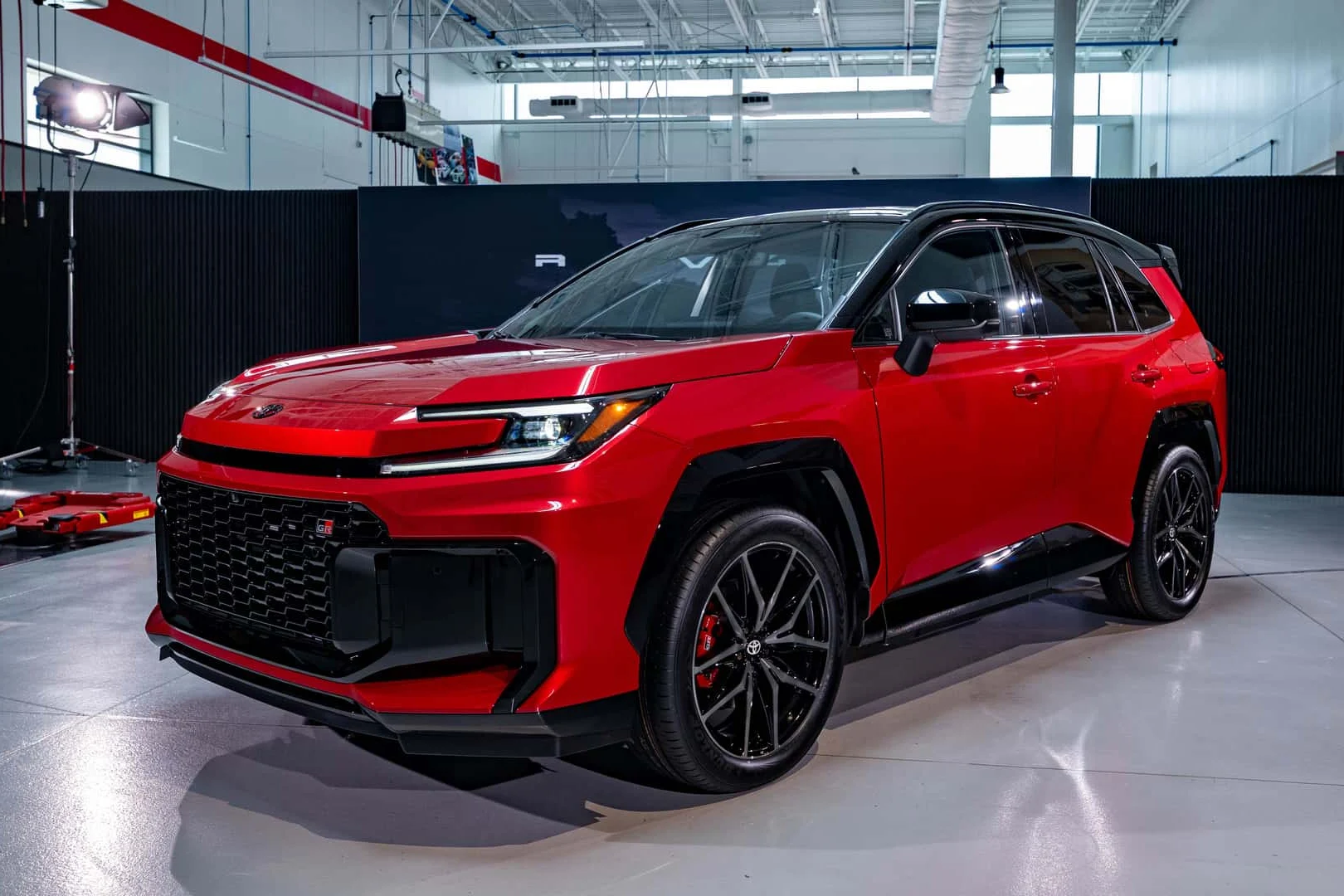
While pure‑electric vehicles have yet to achieve a breakthrough in the US market, hybrids are gaining traction as a practical bridge for consumers seeking fuel savings without fully committing to electric drivetrains.
- 56% of car shoppers say rising gasoline prices make them more likely to consider a hybrid (Cox Automotive survey).
- Omdia Automotive records a 19% YoY increase in hybrid sales during the first half of 2026.
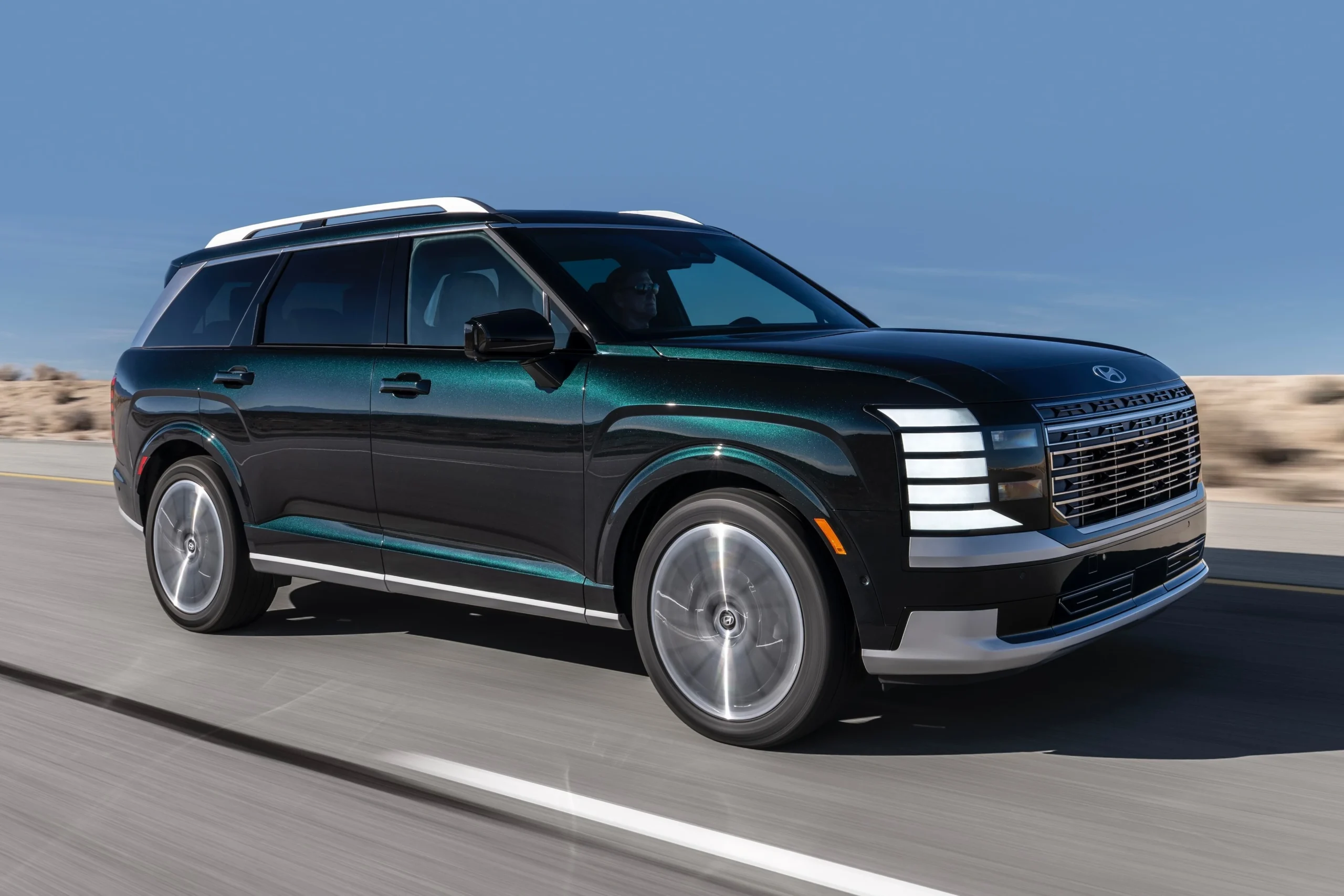
- Hyundai’s electrified lineup – encompassing both battery‑electric and hybrid models – accounted for 33% of its total sales in H1 2026, with hybrid volume soaring 71% in Q2.
- Toyota’s electrified models grew roughly 20%, representing 57% of its quarterly sales.
GM, which has focused heavily on pure‑electric offerings, saw a 33% decline in its EV sales, underscoring the risk of betting solely on full‑electric models while the market still favours transitional technologies like hybrids.
Looking ahead
Cox Automotive analysts warn that if the hybrid momentum continues, Toyota could overtake GM as the top‑selling brand in the United States later this year. For now, GM remains ahead with about 1.34 million units sold in the first two quarters, while Toyota posted roughly 1.24 million.
The US auto market’s steady performance amid economic headwinds demonstrates the power of diversified product portfolios, favourable financing, and a growing appetite for fuel‑efficient hybrids.