
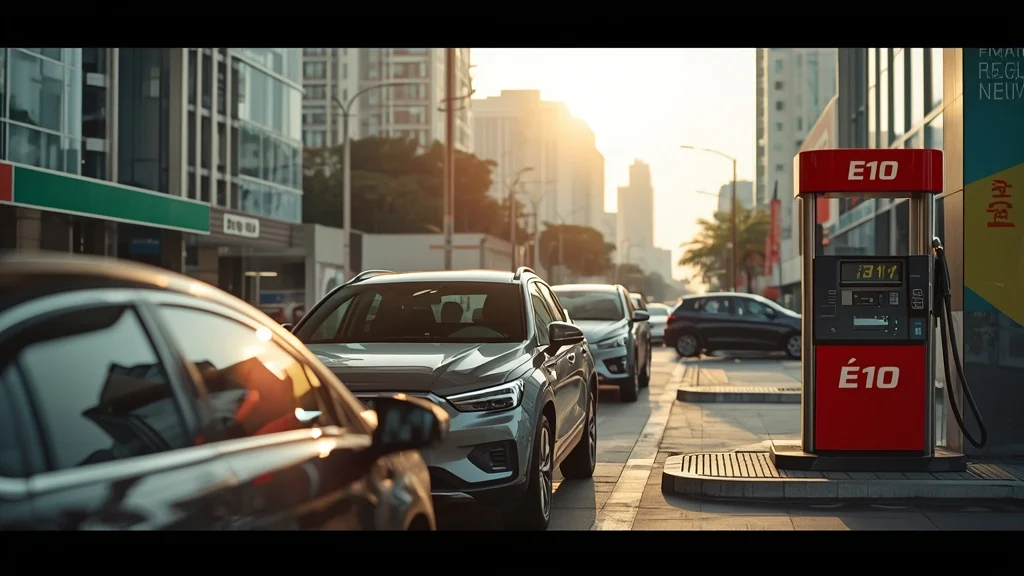
Explore how Vietnam’s used‑car market is handling the official launch of E10 fuel and what buyers need to know. Read more now!
When Vietnam officially introduced E10 gasoline – a blend containing up to 10% ethanol – the automotive community braced for a wave of questions about whether older, second‑hand cars could handle the new fuel. Despite lingering doubts, the transition has proved smoother than many expected.
Consumer Concerns Over Compatibility
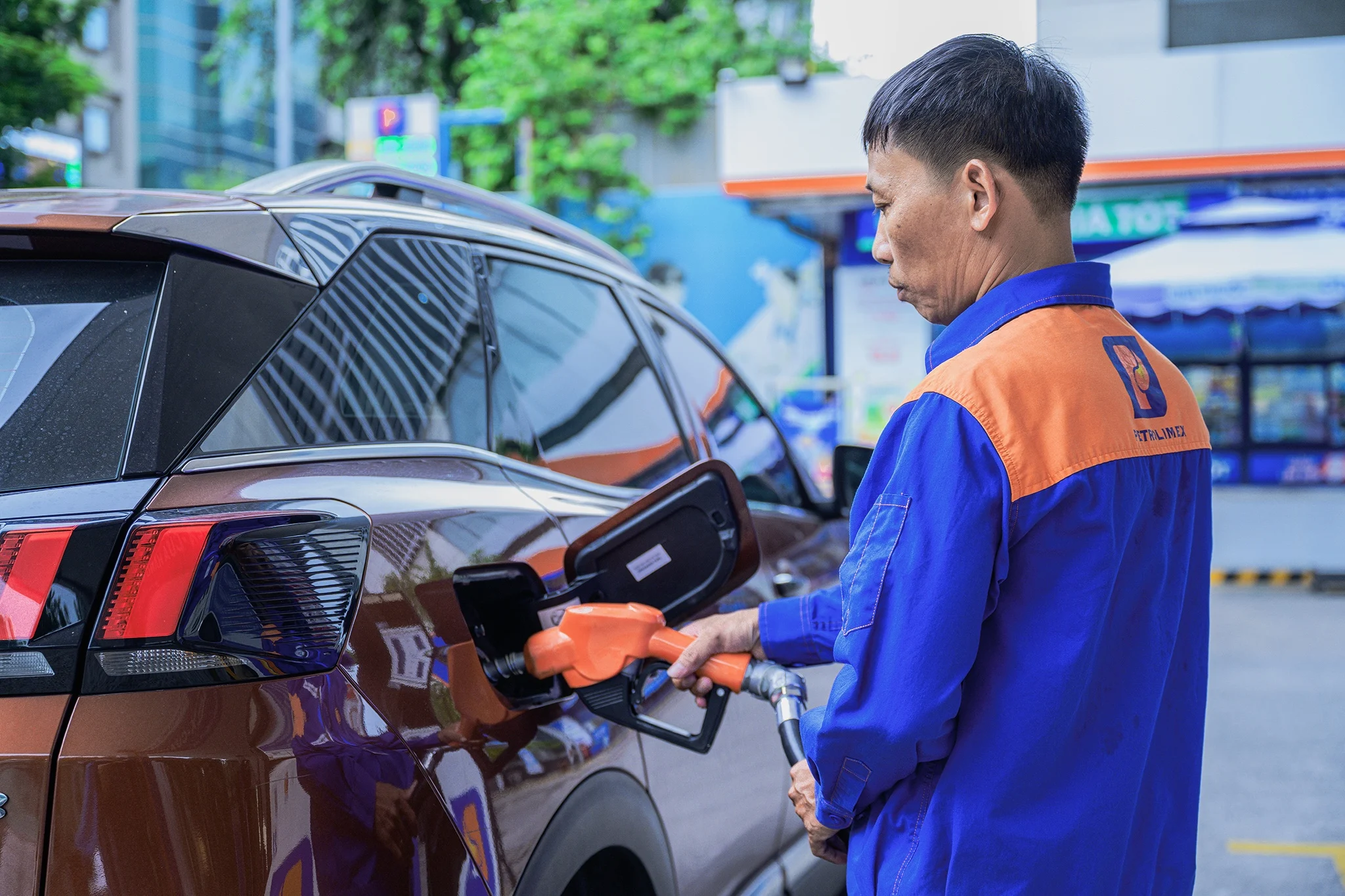
Potential buyers of used cars, as well as owners of vehicles manufactured before the year 2000, voiced worries that the ethanol mix might harm engines or fuel systems. Rumors spread quickly on social media, fueling anxiety among those scouting for a reliable ride.
“Customers ask a lot of questions, but most of the worry comes from unverified rumors online,” said Mr. Đức Phúc, spokesperson for Thiên Mộc Auto, a prominent used‑car dealership in Hanoi’s Tây Hồ district.
Dealers Report No Disruption in Sales
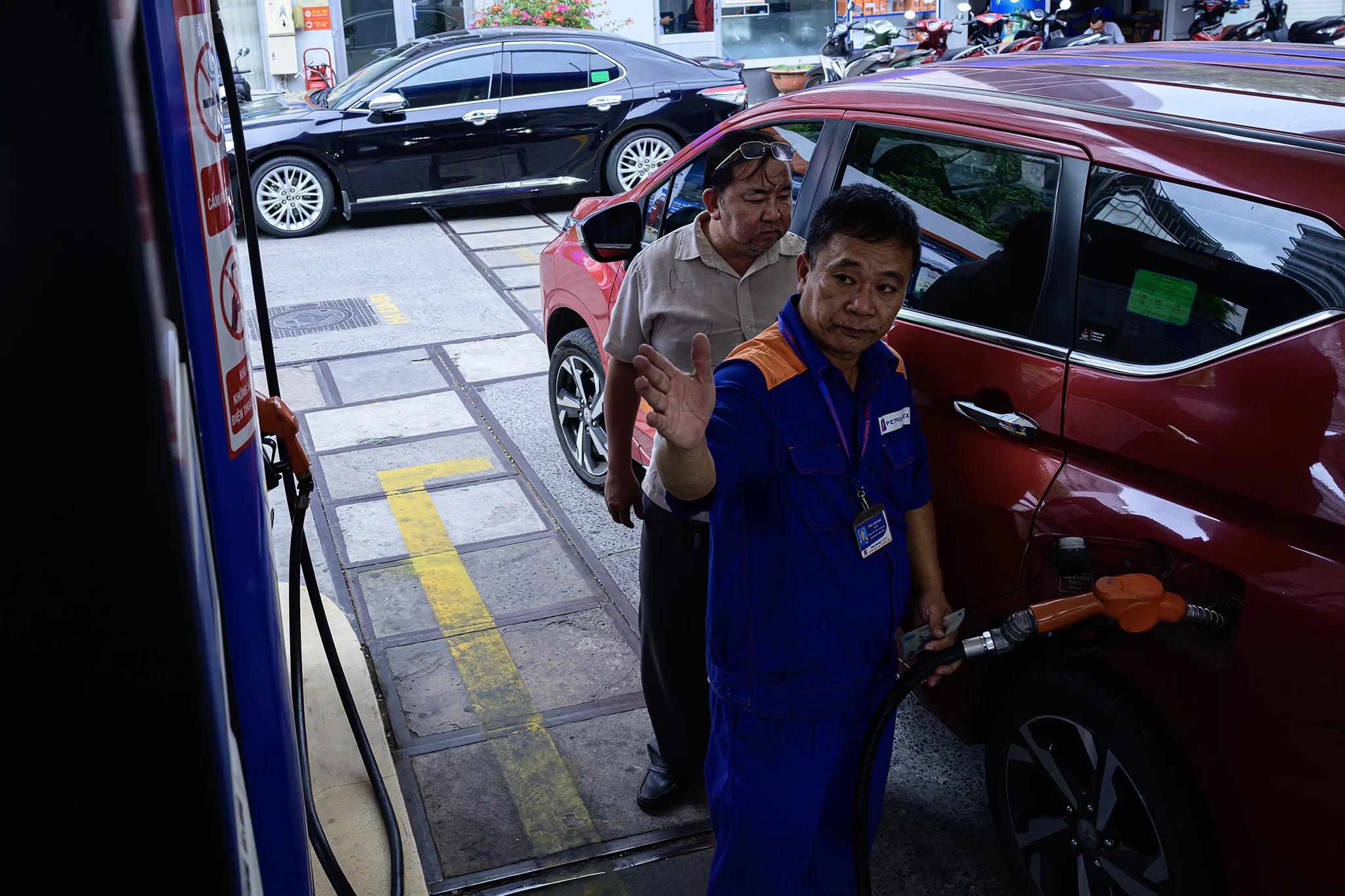
Initially, the announcement that E10 and its higher‑ethanol counterpart E5 would replace conventional gasoline in early June did cause a brief dip in buyer confidence at Thiên Mộc Auto. However, as the fuel hit the pumps, the dealership observed a rapid return to normal activity.
In fact, the shop recorded a “stock‑out” situation in the first days of June, with no used cars left on the lot because every interested buyer snapped up a vehicle. “We haven’t had a single case where a buyer walked away after learning the car runs on E10,” Mr. Phúc added.
Official Guidance on At‑Risk Vehicles
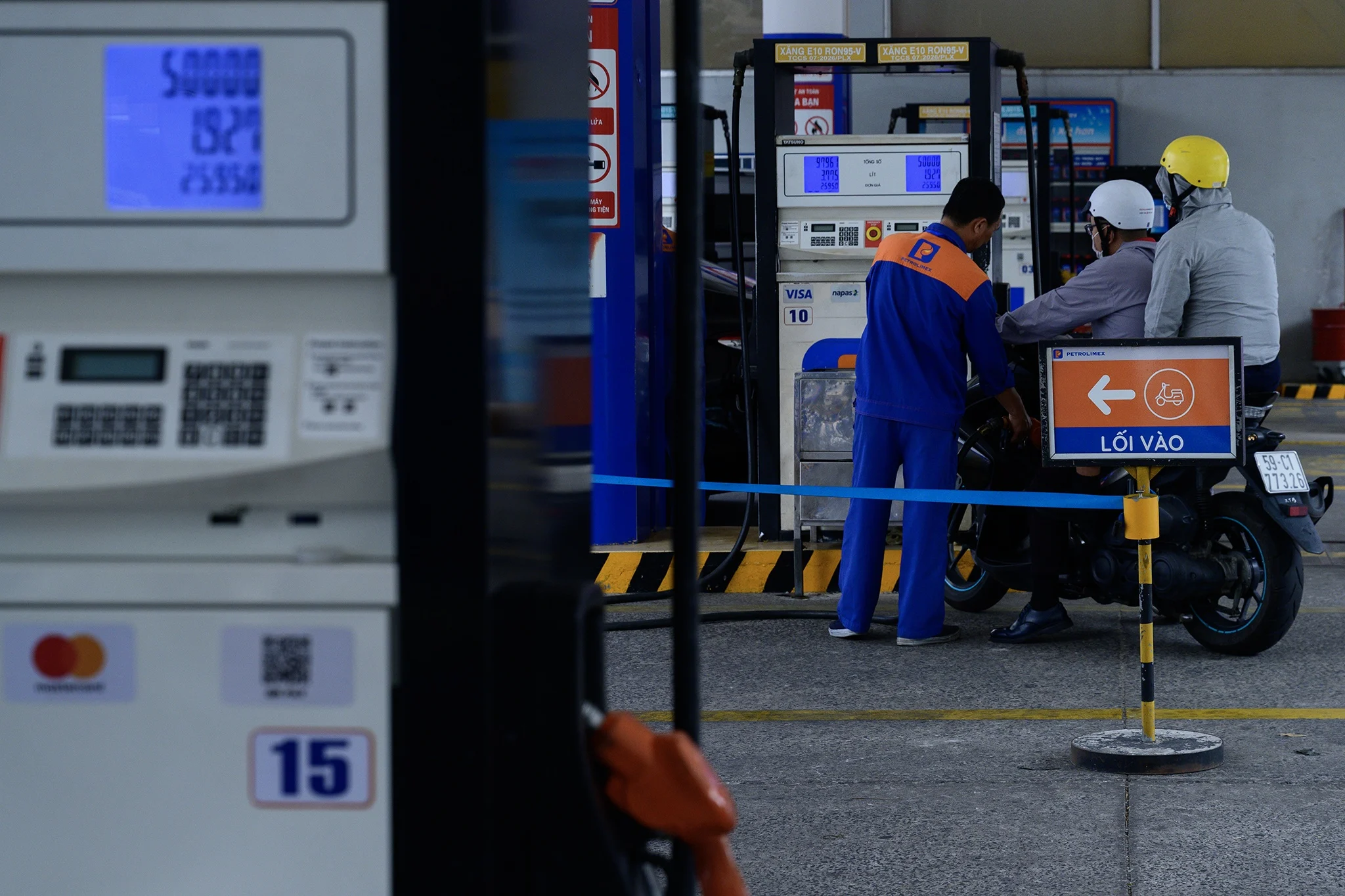
The Ministry of Industry and Trade’s E10 Fuel Handbook flags certain categories for extra scrutiny: cars built before 2000, models equipped with outdated carburetors, long‑unmaintained vehicles, restored classics, and collector cars. Owners of these vehicles are advised to inspect and, if necessary, replace components such as the fuel tank, pump, filter, fuel lines, carburetor or injectors before regularly using E10.
How to Verify Your Car’s Compatibility
There are several practical ways to confirm whether a used car can safely run on E10:
- Consult the vehicle’s manufacturer service center or an authorized technician.
- Check the owner’s manual for fuel recommendations.
- Search online databases that list fuel‑compatibility for specific makes and models.
Most modern cars and motorcycles sold in Vietnam today are already E10‑compatible. Even the MINI brand, distributed by Thaco Auto, advertises that its current lineup can handle up to E25 – a blend with 25% ethanol.
Overall Outlook
While the cautionary advice in the ministry’s handbook is sound, real‑world experience suggests that accidental use of E10 in older cars rarely causes immediate engine failure. For the majority of used‑car shoppers, the new fuel does not represent a deal‑breaker.
As Vietnam’s fuel mix evolves, dealers like Thiên Mộc Auto remain confident that the market will continue to thrive, provided buyers stay informed and perform basic maintenance checks. If you’re considering a pre‑owned vehicle, a quick compatibility review can give you peace of mind and keep your purchase on track.