
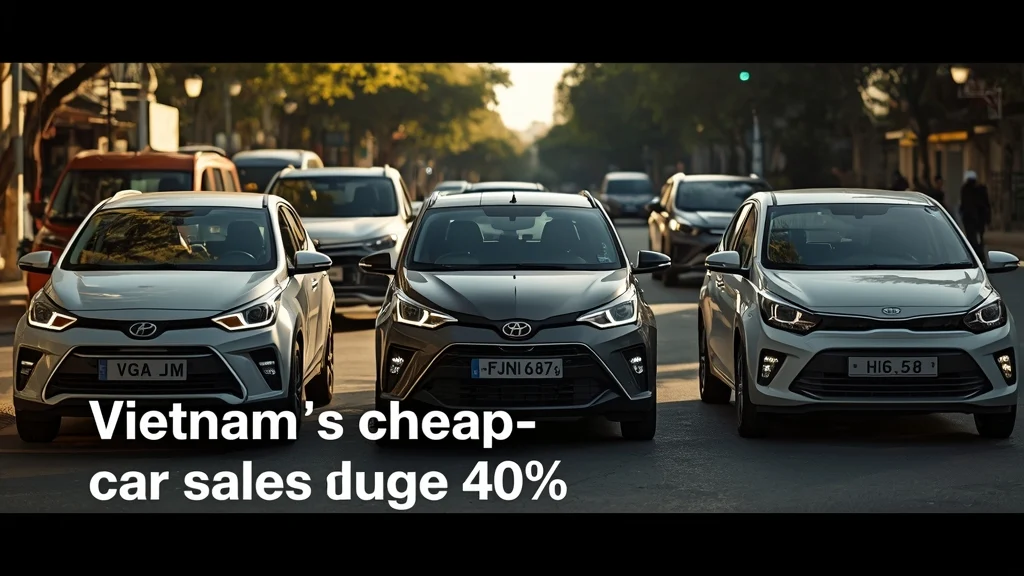
Explore why cheap gasoline cars in Vietnam are losing sales, the impact on Hyundai Grand i10, Toyota Wigo and Kia Morning, and what could happen next. Read more now.
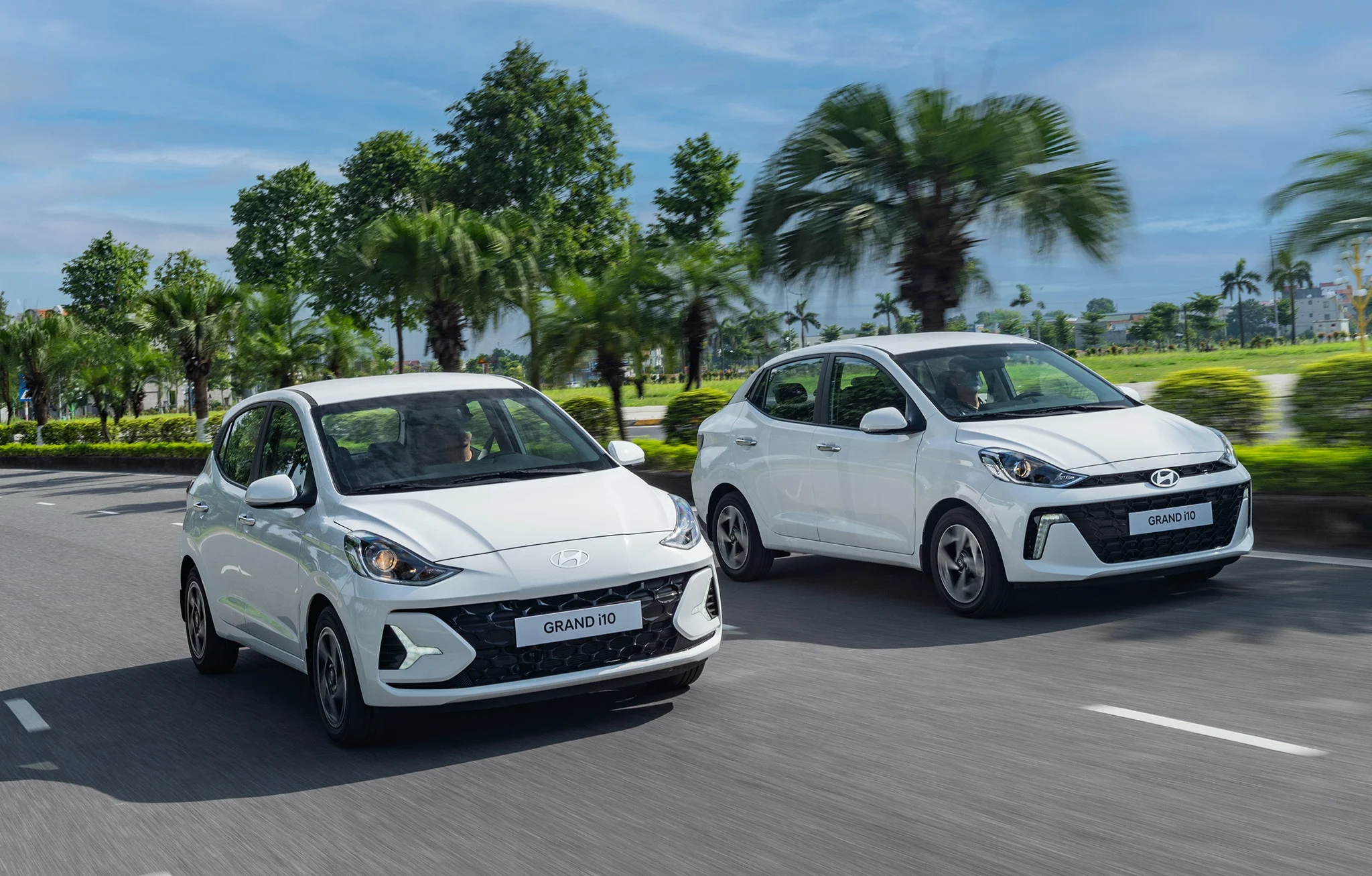
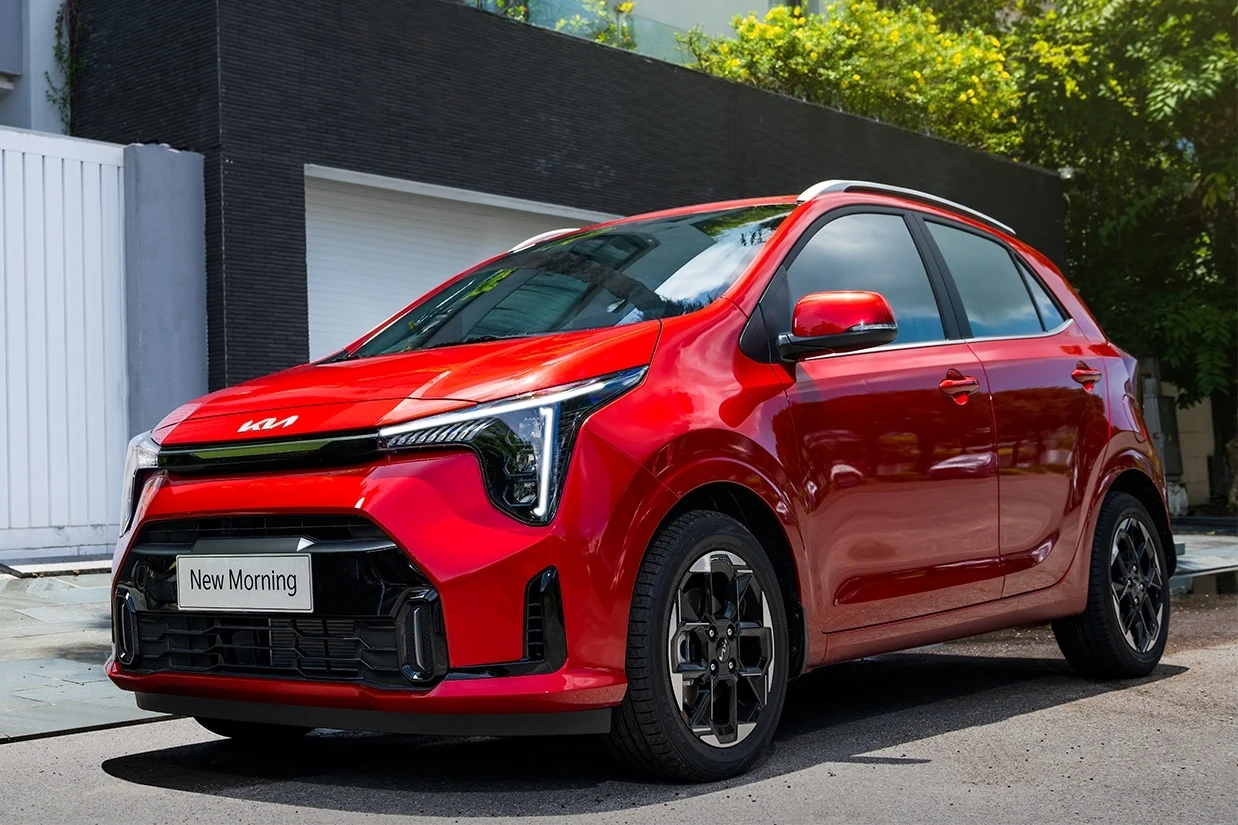
For years, the sub‑compact, low‑ground‑clearance A‑segment gasoline cars were a staple for first‑time buyers in Vietnam. Models such as the Hyundai Grand i10, Kia Morning and Toyota Wigo were praised for their affordability and easy ownership costs.
Why the Segment Is Struggling
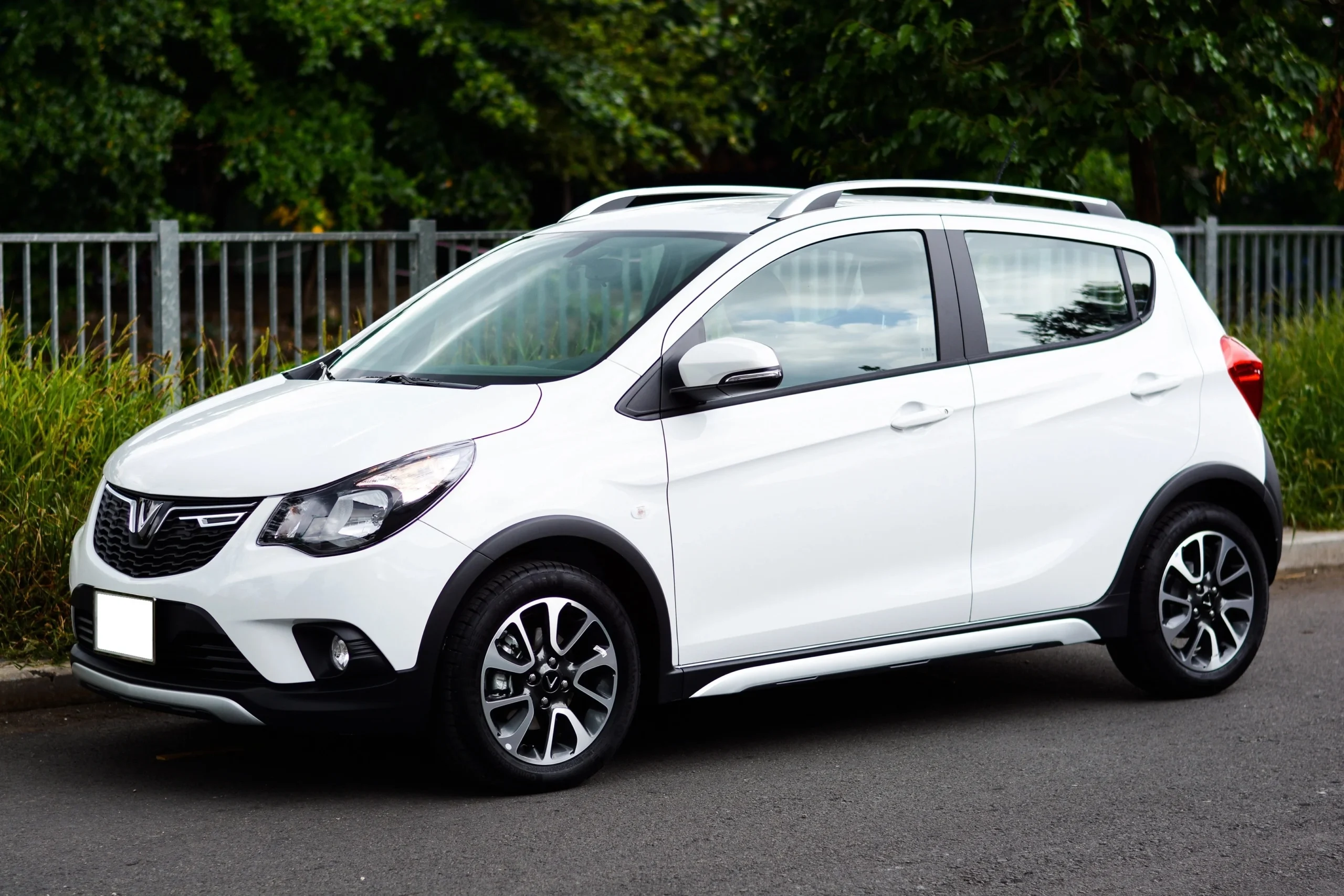
In recent years the market has tightened dramatically. The segment’s footprint shrank as several competitors withdrew, leaving only three models on the road by 2023. The decline began long before the pandemic, accelerating after the VinFast Fadil stopped production, which once provided a local alternative to imports.
Sales Numbers Tell the Story
According to the Vietnam Automobile Manufacturers Association (VAMA) and TC Motor, sales of cheap gasoline cars have been on a steady downtrend:
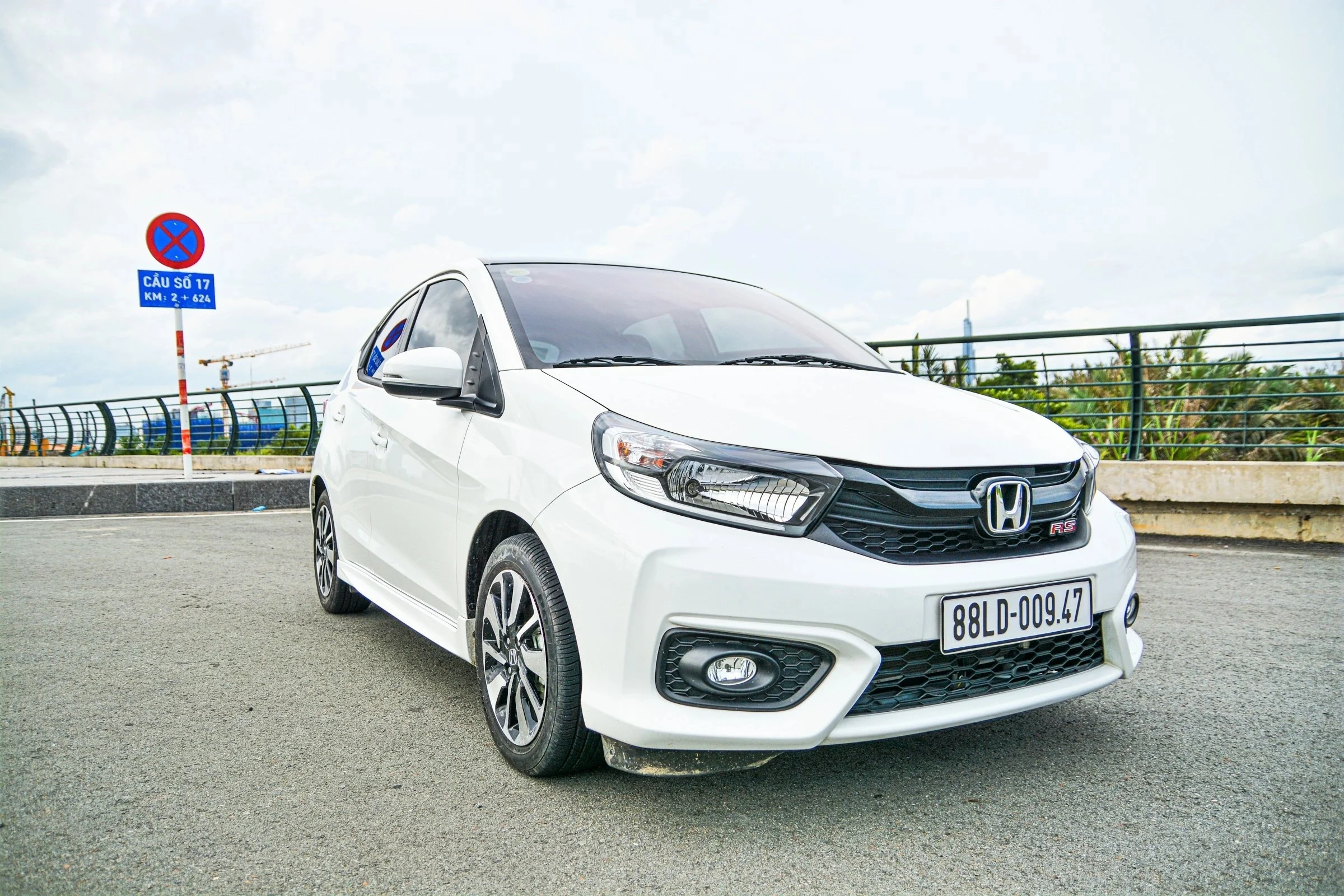
- 2023 (first half): Toyota Wigo sold 283 units, Hyundai Grand i10 3,858 units, Kia Morning 873 units.
- 2024 (first half): Hyundai Grand i10 2,021 units, Toyota Wigo 1,286 units, Kia Morning 397 units.
- 2025 (first half): Hyundai Grand i10 1,594 units, Toyota Wigo 1,158 units, Kia Morning 174 units.
- 2026 (up to May): Hyundai Grand i10 1,121 units, Toyota Wigo 203 units; Kia Morning is no longer listed separately.
These figures show a consistent drop of 30‑40% year‑on‑year for each model, with Kia Morning slipping into the market’s bottom‑ten in total sales.
New Competition from SUVs and EVs
Consumers now have more attractive options at similar price points. Small A‑segment SUVs offer higher ride height and a modern look, while city‑size electric vehicles (EVs) from emerging Chinese and Korean brands are priced competitively. The profit margin on low‑cost gasoline cars is already thin, so manufacturers rely heavily on volume to stay viable.
Manufacturer Responses
Both Hyundai and Kia appear to be pulling back from the segment. Kia stopped publishing detailed sales for the Morning, hinting at a strategic shift away from low‑ground‑clearance models. Hyundai’s Grand i10, despite six trim levels, continues to lose market share, suggesting the brand may soon consolidate its lineup.
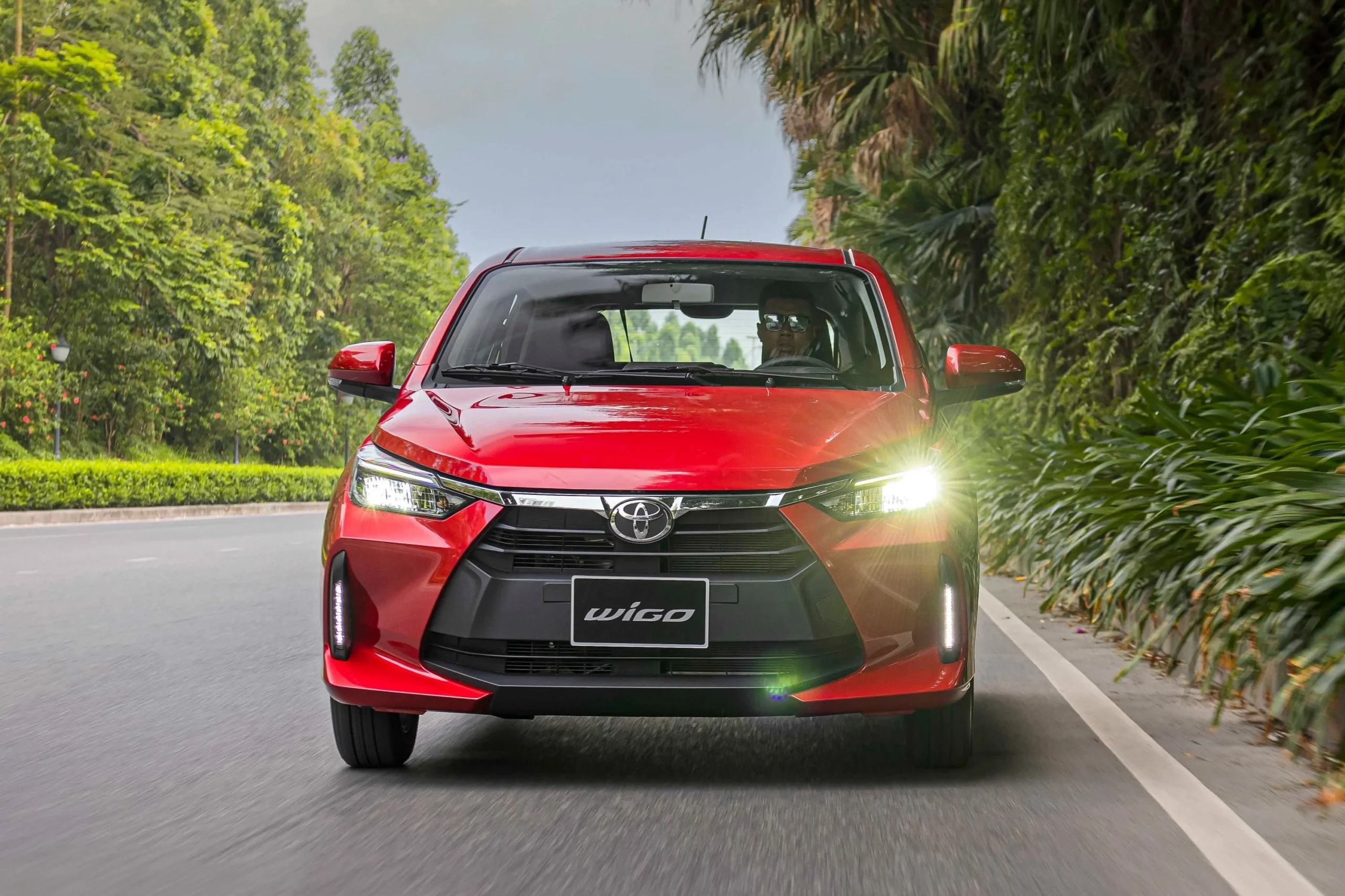
Toyota’s Wigo suffered a supply‑chain interruption in early 2024, leaving only the G trim (priced at VND 405 million) on sale. The resulting “white‑sales” report highlighted the fragility of the segment.
What Does the Future Hold?
While an outright disappearance of A‑segment gasoline cars in Vietnam is not inevitable, the trajectory points toward a reduced presence. If sales continue to fall below the break‑even threshold, manufacturers could discontinue these models or replace them with hybrid or electric variants.
Internationally, similar trends are evident. In the United States, cars under US$20,000 are virtually nonexistent, and Ford has already retired low‑cost models like the Fiesta and Focus. The global shift toward SUVs, MPVs, and affordable EVs is reshaping consumer expectations.
Should Buyers Still Consider These Cars?
For now, the Grand i10, Wigo and Morning remain viable choices for first‑time owners, small families, or entrepreneurs needing a low‑cost workhorse. However, buyers should weigh the long‑term outlook, potential resale value, and upcoming regulatory changes favoring cleaner powertrains.
In summary, the cheap gasoline car segment in Vietnam is at a crossroads. Whether it adapts with new technology or fades away will depend on how manufacturers balance cost, consumer demand, and the rapid rise of electric mobility.