
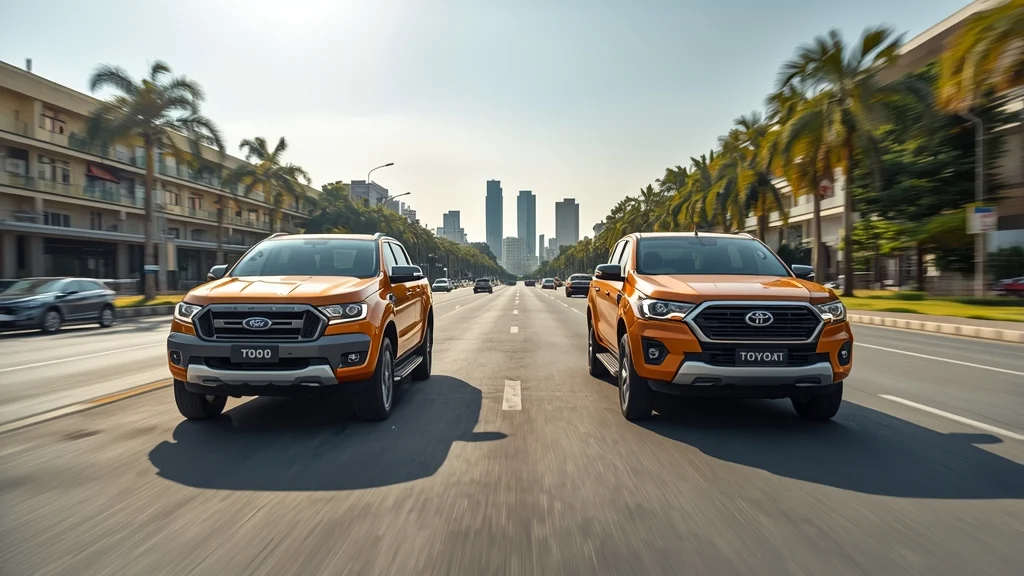
Explore how Vietnam’s pickup trucks rebounded in 2026 after regulatory hurdles, with sales surging and new models arriving. Read more now!
Vietnam has always been a friendly market for pickup trucks. While the segment never reached the explosive levels seen in Thailand, the country’s pickups enjoy a solid, recognizable presence on public roads.
Early‑2026: A Storm of Regulations
At the start of 2026, the pickup segment hit a rough patch. New classification rules and traffic‑restriction measures threatened to curb the growth of the leading models.
In March, a heated debate erupted over whether most pickups should be treated as light trucks rather than passenger cars. The discussion was sparked by the Ministry of Transport’s (now the Ministry of Construction) Circular No. 53, issued on 15 November 2024, which re‑defined vehicle categories and introduced green‑energy signage.
According to the circular, single‑cab and double‑cab pickups fall into two groups: “small pickup cars” and “pickup trucks.” Appendix IV further describes a “double‑cab pickup truck” as a cargo vehicle with a passenger‑style cabin and an open or closed cargo box, optionally integrated with the cabin. The cargo‑to‑passenger weight ratio determines whether a unit is classed as a truck or a car.
What the paperwork says
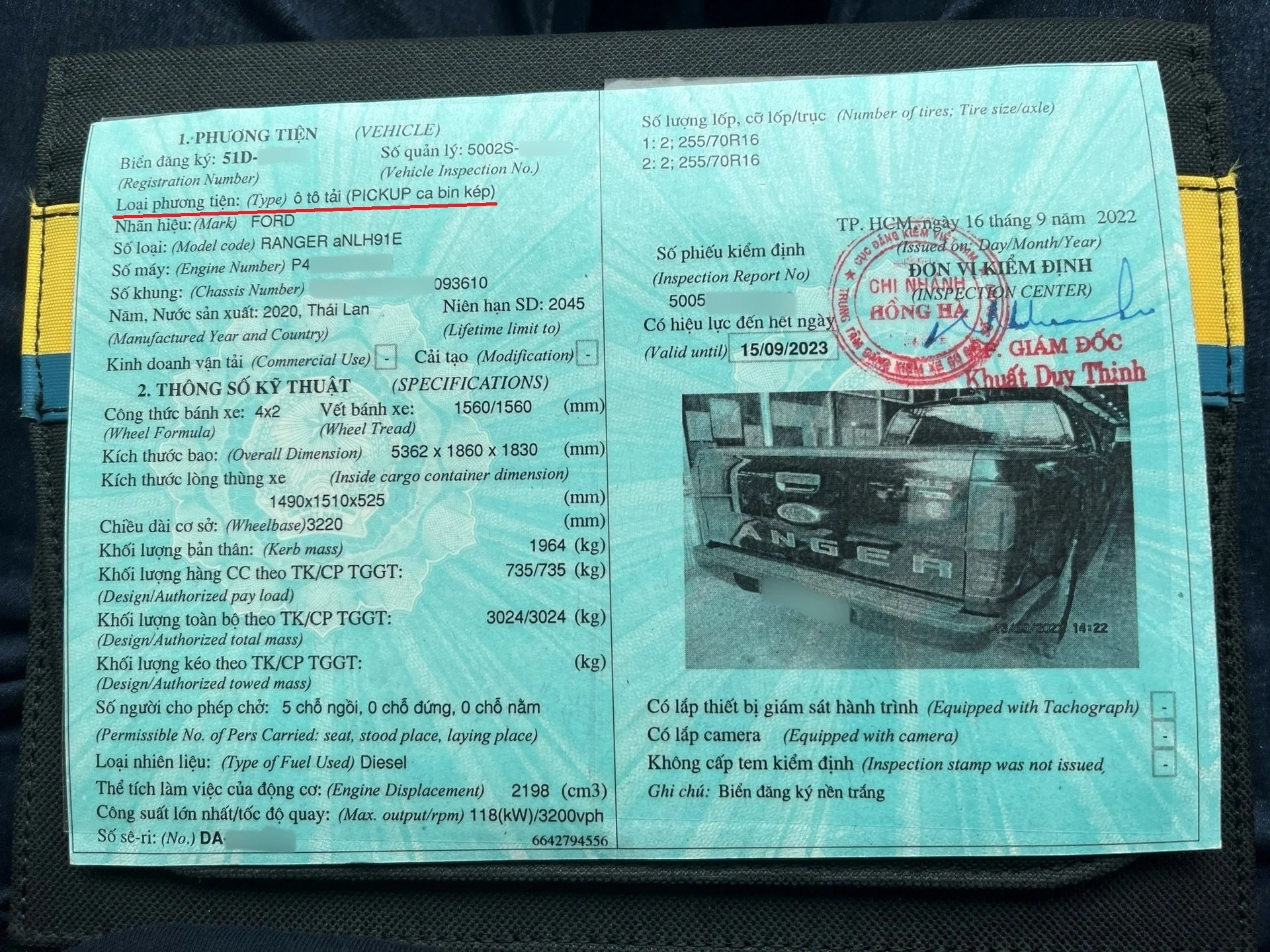
- If the registration document lists “Ôtô tải” (pickup truck), the vehicle is subject to truck‑type restrictions.
- If it reads “Ôtô con” (small car), the pickup can operate like a regular passenger vehicle.
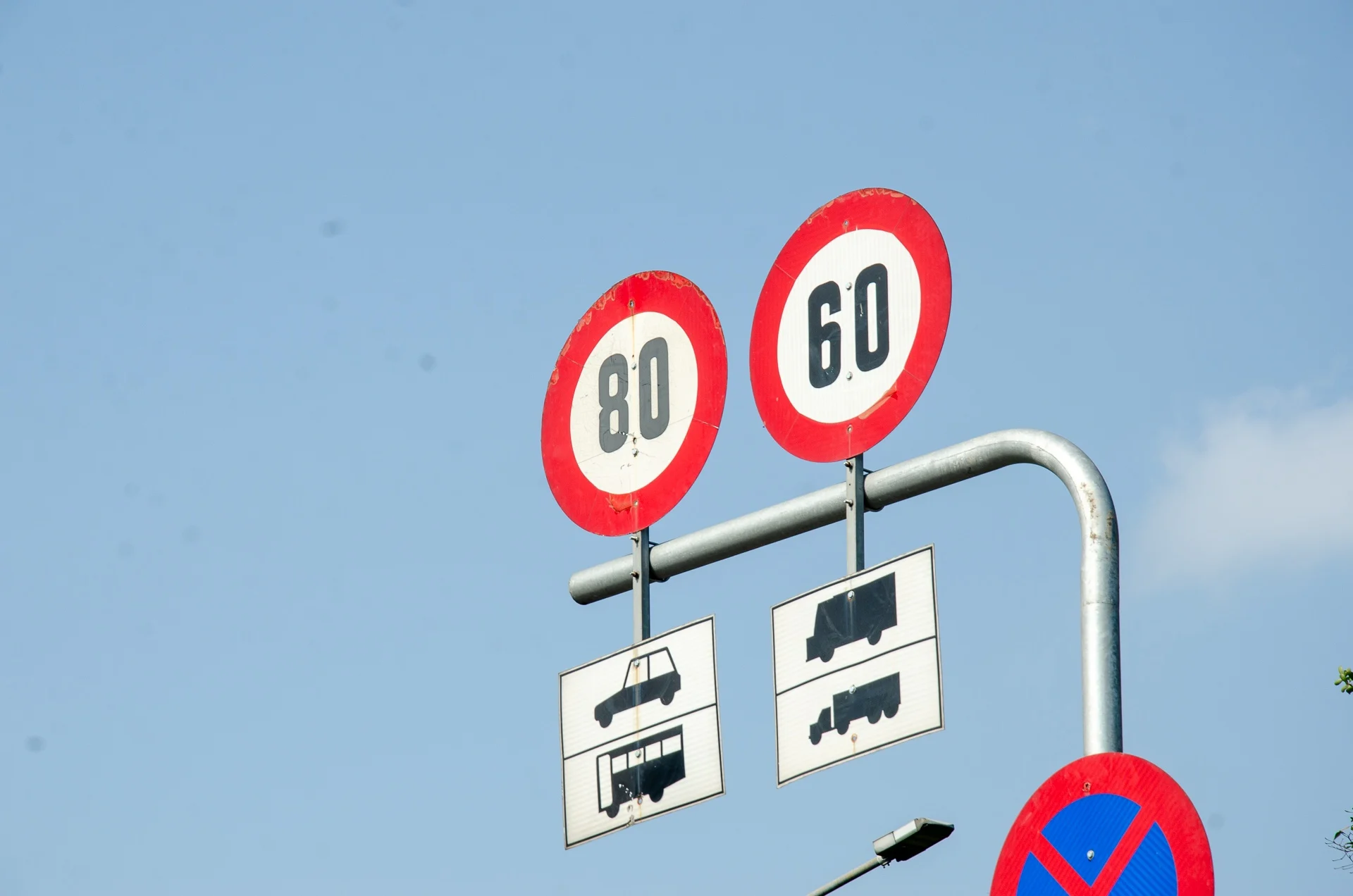
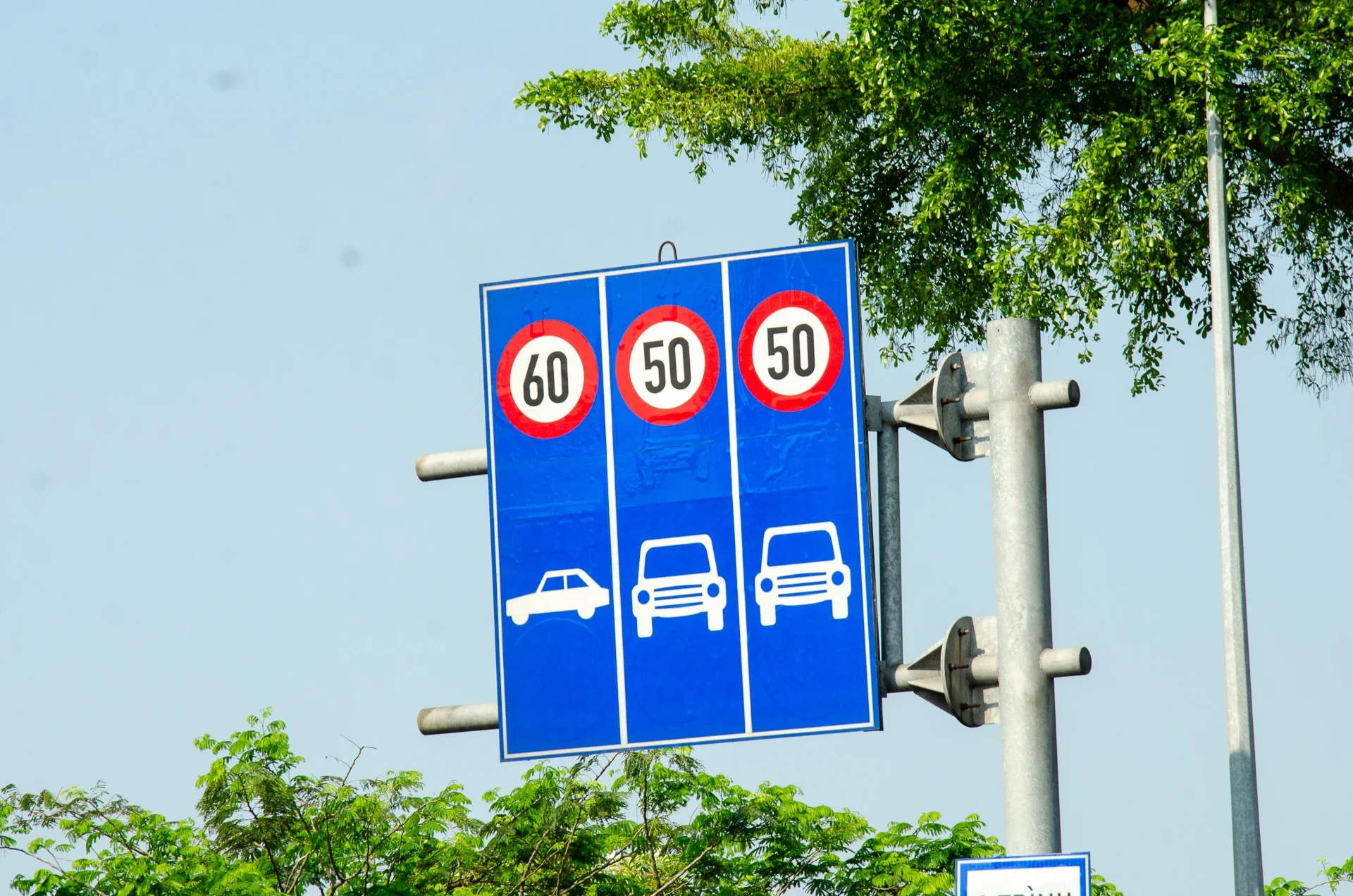
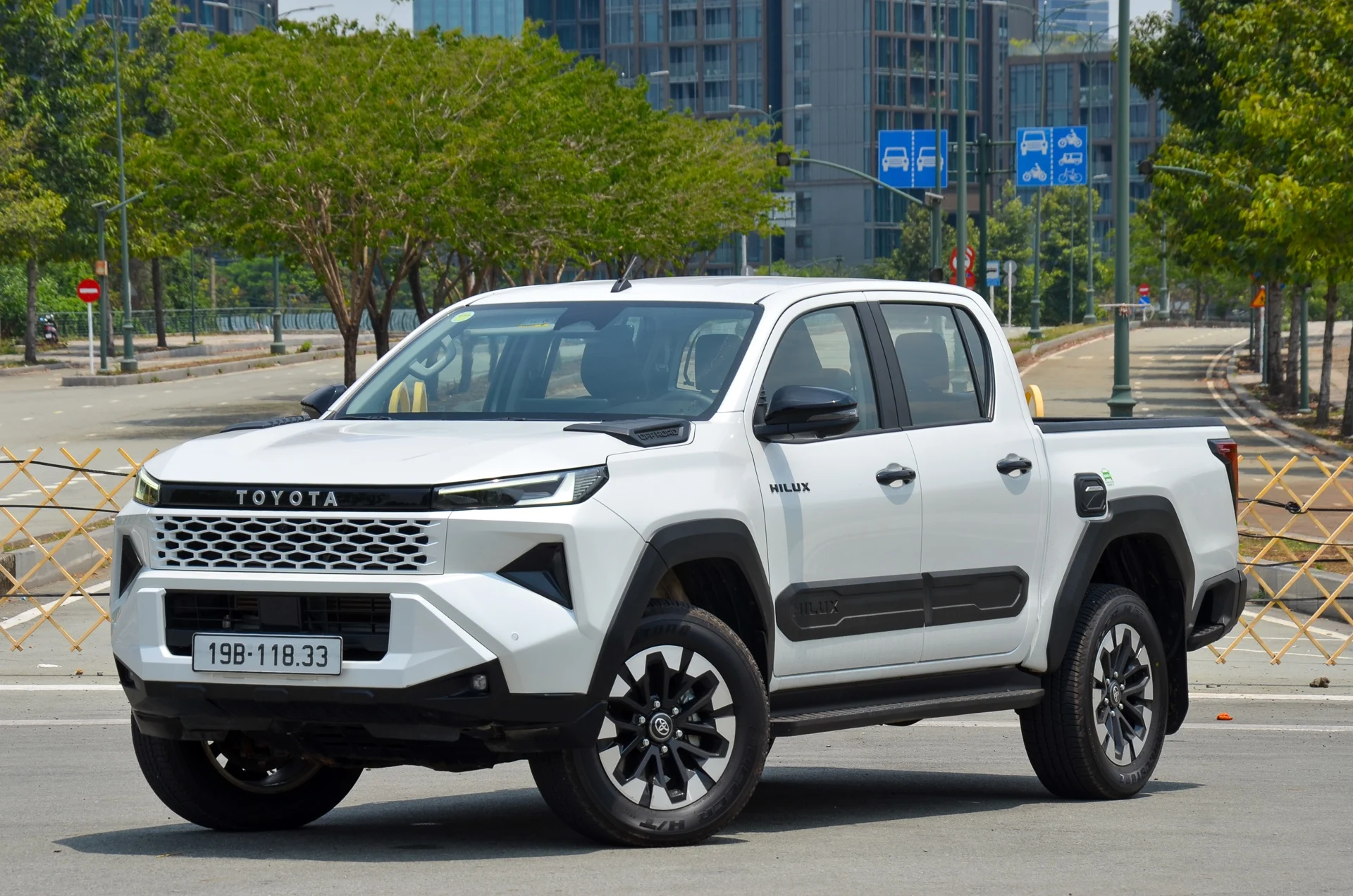
Unfortunately, many models sold in Vietnam—whether fast‑selling or slow‑moving—were registered as “Ôtô tải.” This classification forced owners to obey truck limits such as lower speed caps, mandatory use of dedicated lanes, and time‑of‑day bans in city centers.
Real‑World Impact of the Restrictions
In Hanoi, Decision 01/2026 allowed only vehicles over 2 tonnes to travel within the inner city between 21:30 and 06:00. In Ho Chi Minh City, Decision 23/2019 exempted pickups from certain inner‑city bans, creating a patchwork of rules that confused drivers.
These constraints contributed to a sales dip. The Vietnam Automobile Manufacturers’ Association (VAMA) reported that in April 2026, total pickup sales fell to 1,840 units—the lowest figure of the year—driven largely by a sharp decline in Ford Ranger sales.
Turning the Tide: Policy Reforms
June 2026 marked the beginning of a policy reset. Hanoi’s Decision 52/2026, signed on 30 April, announced that double‑cab pickup trucks could operate 24 hours a day, effectively lifting the night‑time ban.
Simultaneously, the Ministry of Construction instructed the Road Administration and Registration Office to review Circular 53 and the related technical regulation QCVN 41:2024. The goal was to streamline classifications and eliminate inconsistencies that burdened pickup owners.
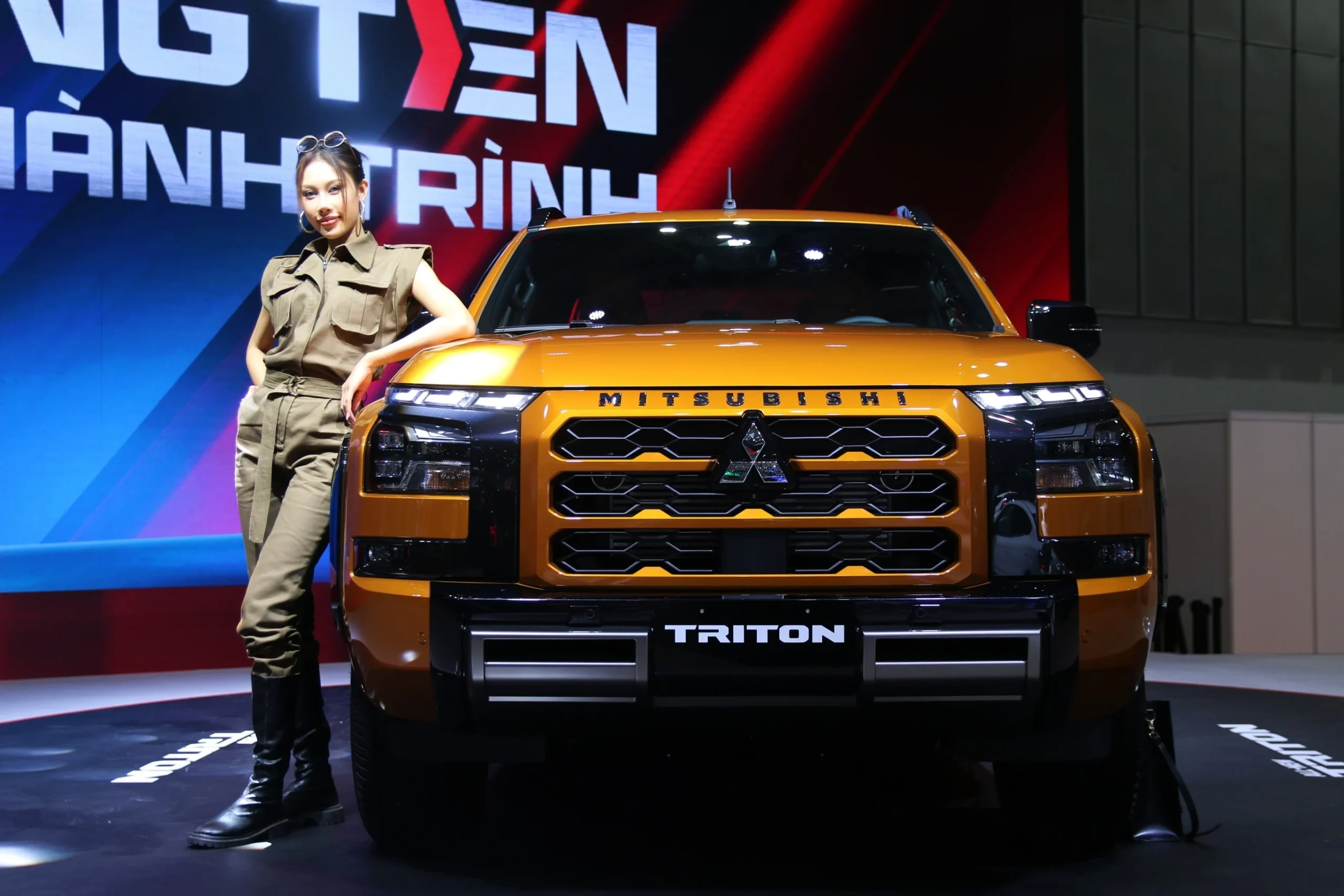
The decisive change came with Decree 241/2026, effective 1 July. Article 11 of the decree states that double‑cab pickup trucks and vans with a total weight up to 3,500 kg are to be treated the same as passenger cars for traffic management. In practice, this means:
- Pickups can use regular passenger lanes.
- Speed limits align with those for cars, not trucks.
- No longer subject to time‑restricted entry into city centers.
Sales Recovery in the Second Half of 2026
Following the regulatory relief, the market showed a quick rebound. In May, Ford Ranger sales rose to 1,089 units, pulling the overall segment up to 1,907 units despite continued weakness from other brands.
VAMA’s six‑month data (January–June) revealed that Vietnamese consumers purchased 10,786 pickups, with the Ford Ranger leading at 6,134 units, followed by the Toyota Hilux at 2,981 units.
Looking Ahead: New Models and Growing Demand
Industry insiders expect fresh entrants such as the Kia Tasman, BYD Shark 6, and VF Wild to join the market later in the year, further expanding consumer choice.
According to the Hanoi Construction Department’s Report 6787/SXD, pickups have dimensions and weights comparable to passenger cars, but they still represent a modest share of total traffic. Consequently, their impact on peak‑hour congestion remains minimal.
Statistics from 2021‑2025 show that Hanoi alone sold more than 14,700 pickups, underscoring a steady rise in demand.
Conclusion
After a turbulent first half of 2026, Vietnam’s pickup truck segment is poised for a strong finish. Policy reforms have removed the last regulatory bottlenecks, allowing pickups to enjoy the same road freedoms as cars. With sales picking up and new models on the horizon, the segment is set to remain one of the country’s most popular vehicle categories.