
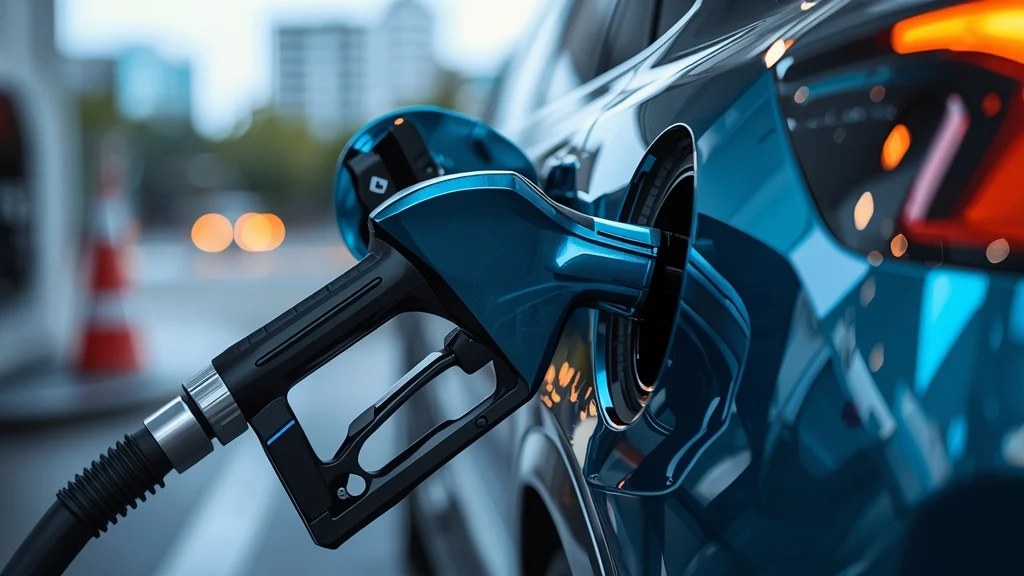
Discover why car brands recommend DO 0,001S-V Euro 5 diesel for your engine. Learn about ULSD benefits and risks. Read more now!
For modern diesel vehicle owners in Vietnam, the fuel pump choice is no longer just about price—it is about protecting the longevity of the engine. You may have noticed recommendations from major automakers to use DO 0,001S-V. But what exactly is this fuel, and why is it critical for your car?
What is DO 0,001S-V Diesel?
DO 0,001S-V is currently the highest grade of diesel fuel available in the Vietnamese market. Its primary distinction lies in its incredibly low sulfur content, which allows it to meet the stringent Euro 5 emission standards.
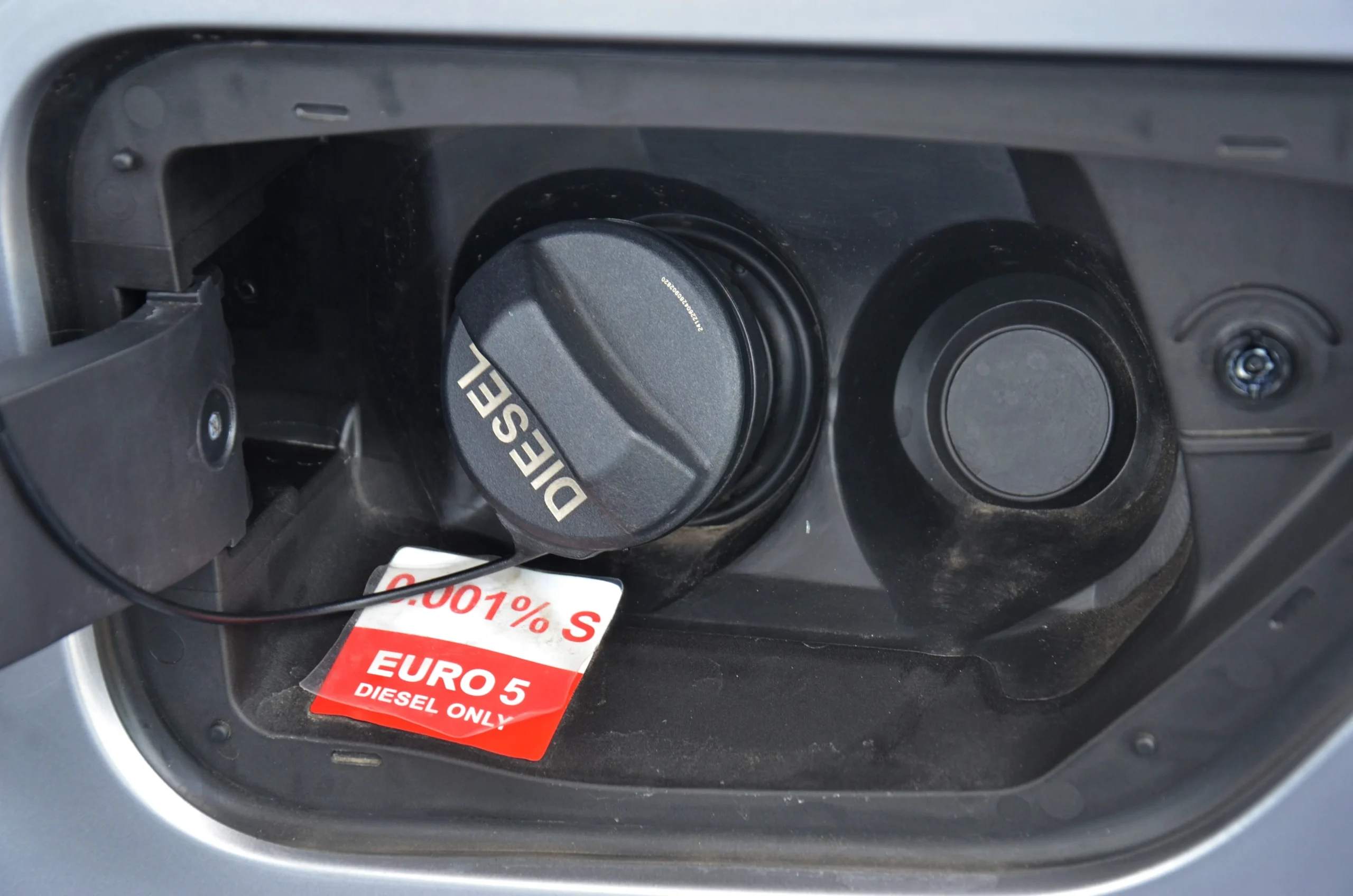
To break down the technical jargon: the “0,001S” designation indicates that the sulfur content does not exceed 0.001% by mass. In simpler terms, every single kilogram of DO 0,001S-V contains no more than 10mg of sulfur. This is a massive leap in purity compared to older fuel grades.
A Comparison: DO 0,001S-V vs. DO 0,05S-II
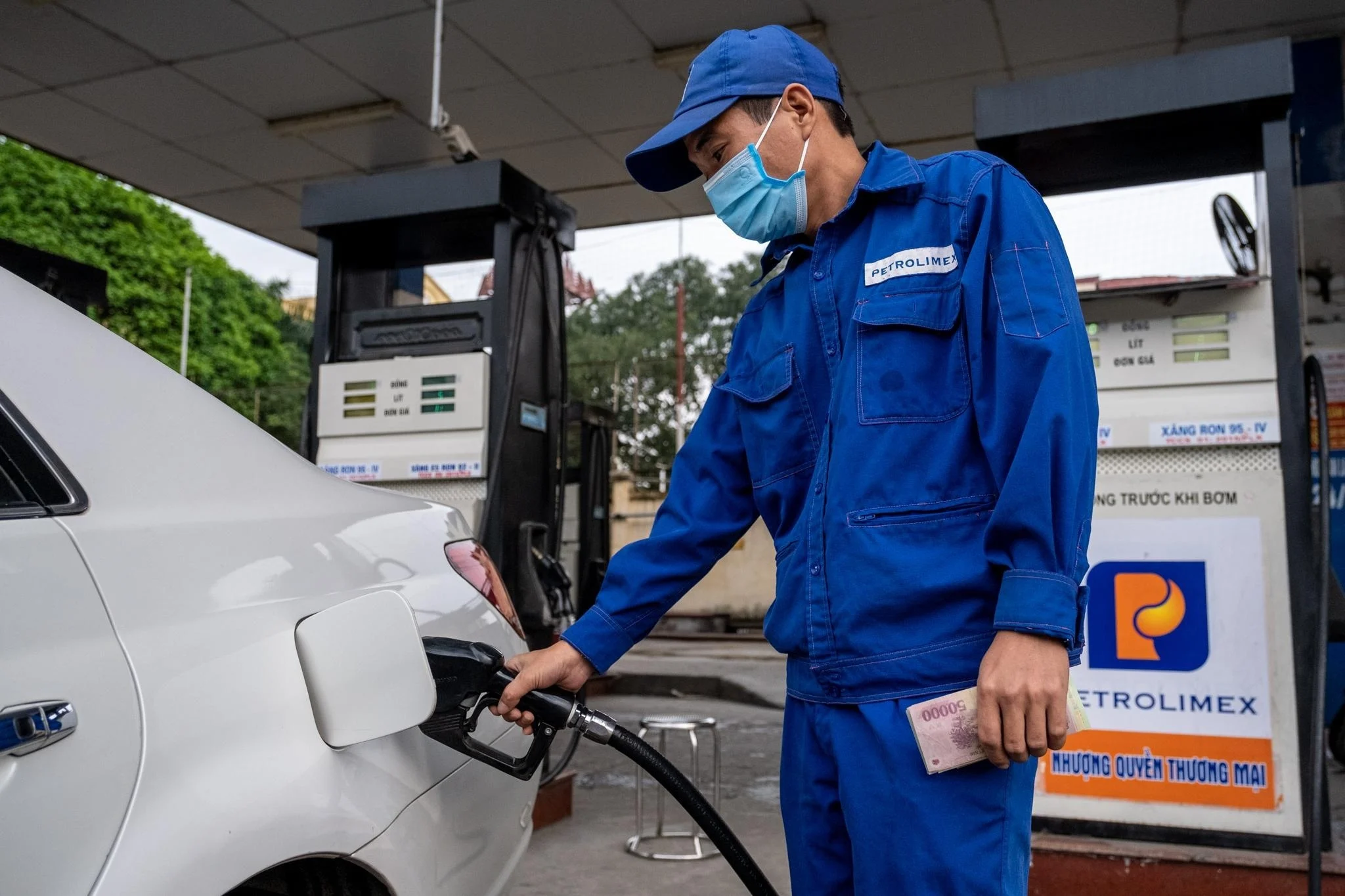
Many gas stations, including Petrolimex, still sell DO 0,05S-II alongside the newer Euro 5 variant. The difference is stark: DO 0,05S-II contains 50 times more sulfur than DO 0,001S-V. While the higher-sulfur fuel is slightly cheaper (approximately 27,490 VND/liter compared to 28,750 VND/liter), the long-term cost of engine damage can far outweigh these modest savings.
Why Major Brands Like Toyota and Ford Recommend Euro 5 Fuel
Global automotive giants are increasingly insistent that customers use fuel that matches the vehicle’s emission standards. Here is why:
1. Preventing DPF Clogging
Toyota Vietnam has warned that using sub-standard fuel can lead to abnormal white smoke. This often happens when the Diesel Particulate Filter (DPF) fails to activate automatically or cannot be manually cleared using the soot-exhaust button. If the DPF warning light doesn’t trigger correctly, the filter can become clogged, severely impacting performance.
2. Protecting Sensitive Engine Components
High-sulfur fuel acts as a corrosive agent. Using fuel that doesn’t meet Euro 5 standards can lead to premature wear and tear or total failure of several critical components, including:
- Fuel Injectors: Precision-engineered nozzles can be damaged by impurities.
- Exhaust Neutralizers: The catalytic converters that clean emissions can be poisoned by sulfur.
- Sensors: Airflow and oxygen sensors can malfunction, leading to poor fuel efficiency and engine errors.
Ford echoes these concerns, noting that improper fuel significantly risks the durability of the entire fuel system and emission treatment hardware.
Environmental and Mechanical Benefits
Switching to ultra-low sulfur diesel (ULSD) isn’t just about following a manual; it’s about better engineering and a cleaner planet. The benefits include:
- Reduced Pollution: A significant decrease in fine dust (PM2.5) and nitrogen oxide (NOx) emissions.
- Less Corrosion: Low sulfur levels prevent the formation of sulfuric acid during combustion, which protects the internal metallic components of the engine from corrosion.
Pro Tip for Diesel Drivers
While DO 0,001S-V is becoming more common, it is not yet available at every single gas station across Vietnam. To keep your engine in peak condition, always double-check the fuel grade at the pump before filling up. If your vehicle is designed for Euro 5 standards, sticking to DO 0,001S-V is the best investment you can make for your car’s health.